EN
EN
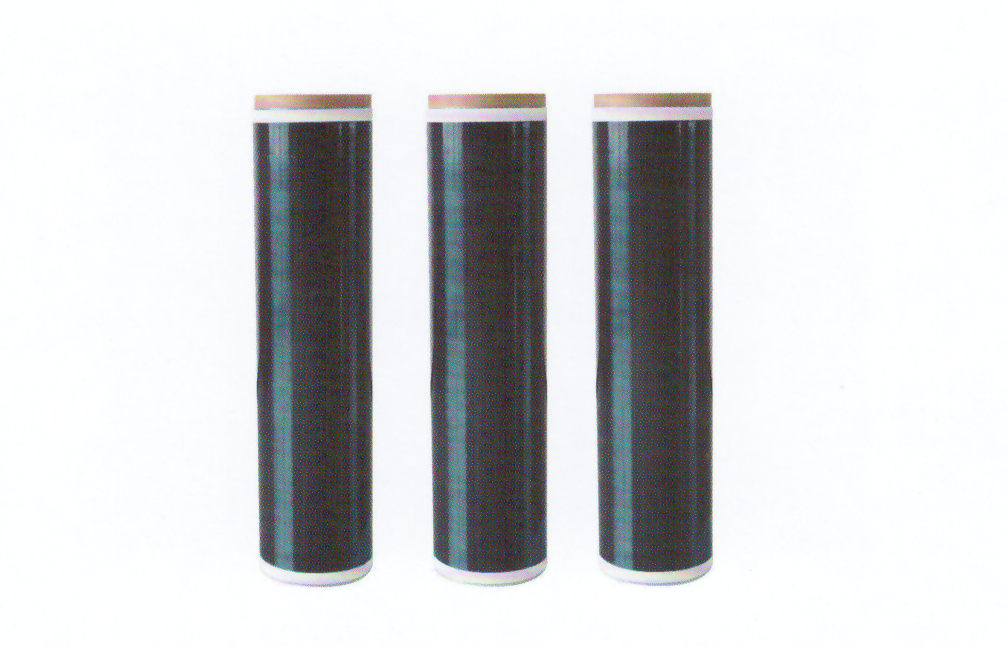
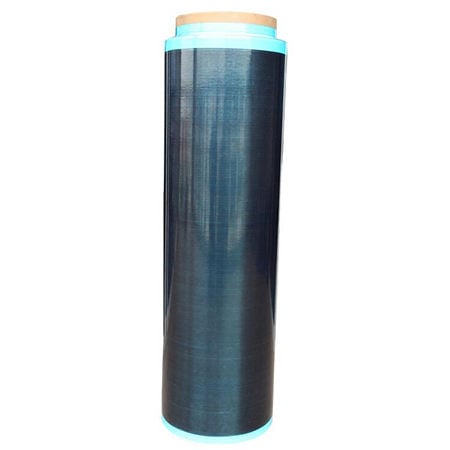
A-7 USN-T700 UD Carbon fiber prepreg
Product introduction:
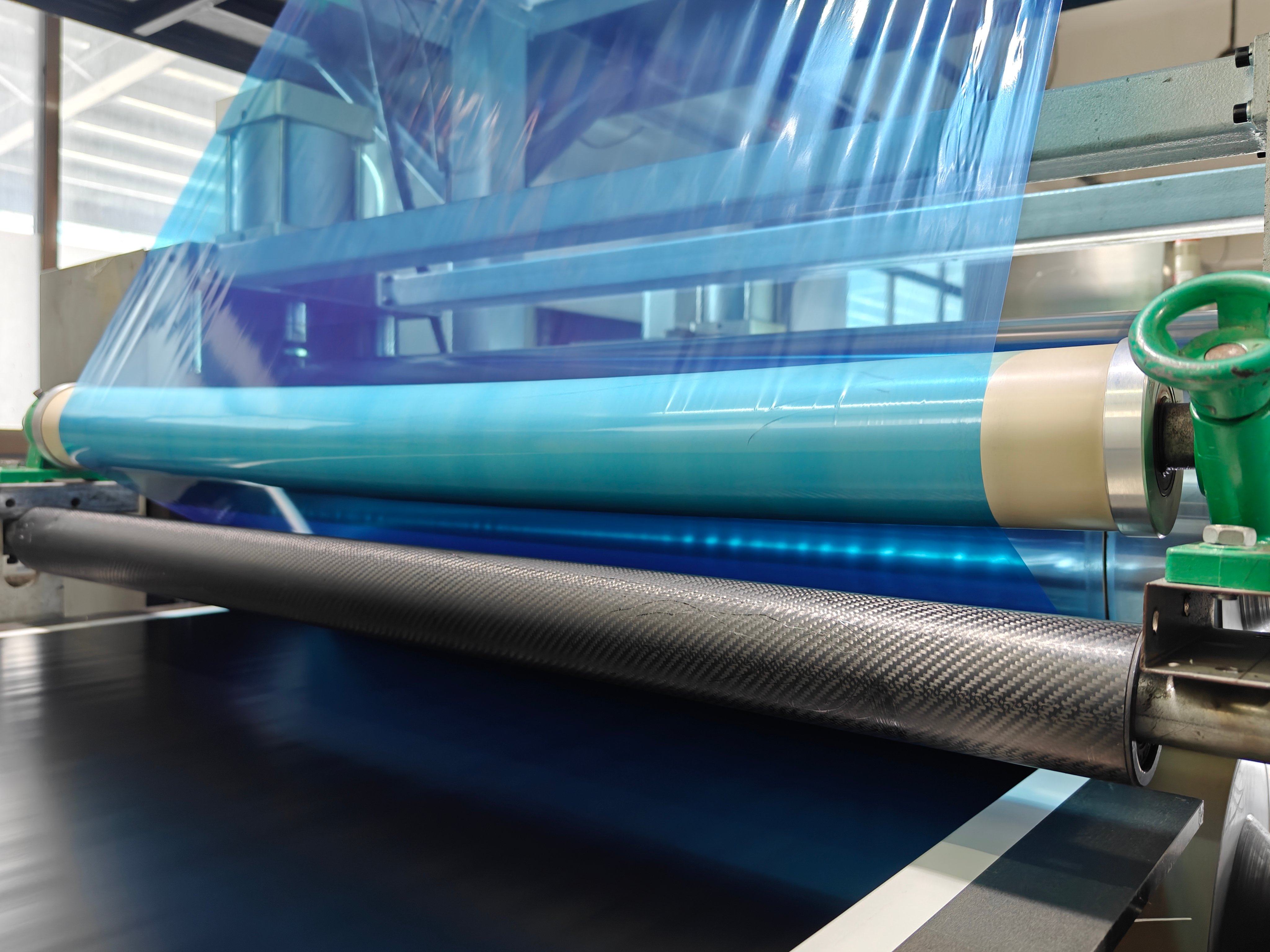
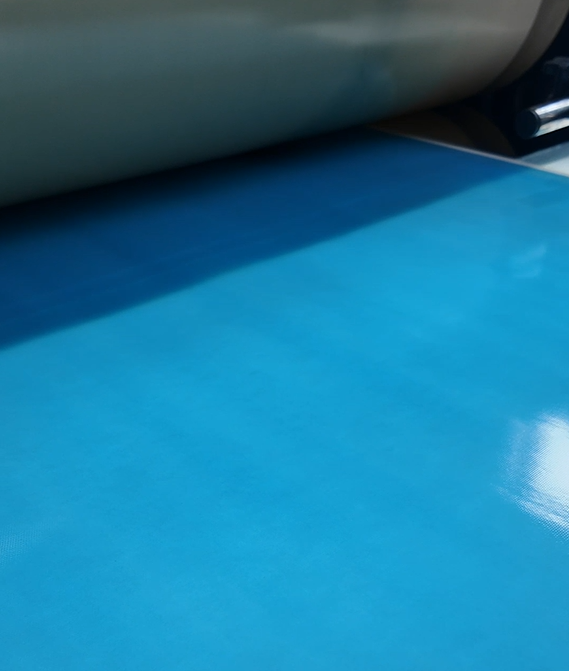
USN-T700 unidirectional carbon fiber prepreg is manufactured using T700-grade carbon fiber, with a fiber modulus of 24 GPa and a carbon fiber areal density ranging from 10g/m² to 1000g/m². The prepreg width is adjustable from 0.9 meters to 1.3 meters, and the resin can be customized according to customer requirements.
- Overview
- Recommended Products
T700 UD Carbon Fiber Prepreg:Product Introduction
USN-T700 unidirectional (UD) carbon fiber prepreg is a high-performance composite material meticulously manufactured using premium T700-grade carbon fiber as the reinforcing phase, combined with a specially formulated resin matrix. This advanced material stands out for its exceptional mechanical properties and versatile customization capabilities, making it a preferred choice across numerous high-tech industries. The fiber modulus of this prepreg reaches 24 GPa, a key parameter that endows the material with outstanding stiffness to withstand structural loads without excessive deformation. In terms of carbon fiber areal density, it offers an extensive range from 10g/m² to 1000g/m², allowing for precise selection based on specific application requirements—from lightweight, thin-walled components that demand minimal weight to heavy-duty structures requiring enhanced load-bearing capacity. The prepreg also features flexible width options, adjustable between 0.9 meters and 1.3 meters, which caters to different production scales and component sizes, reducing material waste during processing. Furthermore, the resin matrix can be fully customized according to customer needs, including adjustments to curing temperature, toughness, chemical resistance, and adhesion, ensuring optimal compatibility with various manufacturing processes and end-use environments.
USN-T700 unidirectional carbon fiber prepreg is manufactured using T700-grade carbon fiber, with a fiber modulus of 24 GPa and a carbon fiber areal density ranging from 10g/m² to 1000g/m². The prepreg width is adjustable from 0.9 meters to 1.3 meters, and the resin can be customized according to customer requirements.
Performance Characteristics
The USN-T700 UD carbon fiber prepreg boasts a comprehensive set of performance advantages that distinguish it from traditional materials like metal and glass fiber composites. Firstly, it exhibits an excellent strength-to-weight ratio—possessing high tensile strength while maintaining low density and lightweight properties. This characteristic is particularly critical in industries where weight reduction is a core objective, as it can significantly reduce overall structural weight without compromising load-bearing performance. Secondly, it delivers exceptional fatigue strength and vibration damping properties. Unlike many materials that degrade over repeated load cycles, this prepreg maintains structural integrity even under long-term cyclic stress, and its superior vibration damping ability helps reduce noise and structural resonance, enhancing the stability and service life of finished products. Thirdly, it features a low friction coefficient and superior wear resistance, making it suitable for components that operate in sliding or rotating contact, as it minimizes wear and tear and reduces maintenance requirements. Additionally, the material demonstrates strong corrosion resistance, capable of withstanding harsh environments such as moisture, chemicals, and salt spray without rusting or deteriorating, thereby extending the service life of components in challenging conditions. Another notable advantage is its good plasticity: it can be seamlessly molded into any complex shape according to mold design, adapting to the diverse structural needs of different industries. Finally, it is easy to process, compatible with common composite manufacturing techniques such as autoclave molding, compression molding, and winding, simplifying production processes and improving manufacturing efficiency.
Application Fields
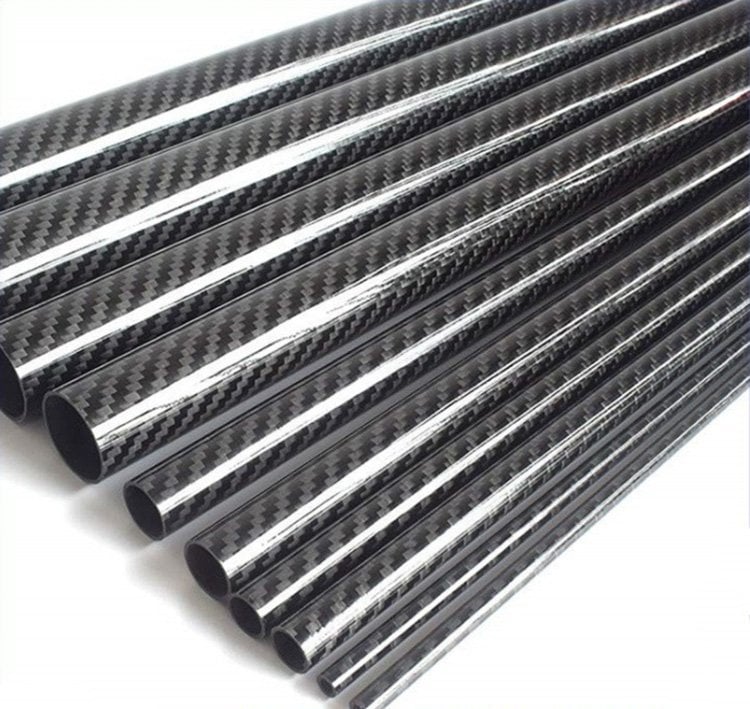
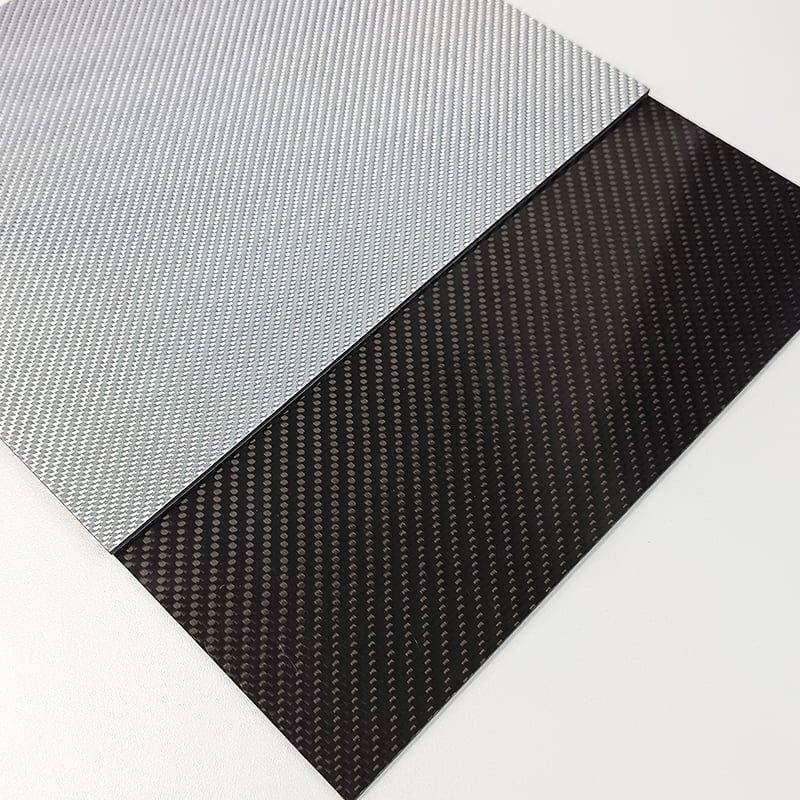
Benefiting from its excellent formability and comprehensive performance, the USN-T700 UD carbon fiber prepreg is widely applied in manufacturing carbon fiber tubes, carbon fiber plates, and a variety of complex-shaped components, spanning multiple high-end industries. In the aerospace sector, it is a critical material for manufacturing key load-bearing structures such as aircraft wings, tails, and cabin walls. By replacing traditional metal materials, it can reduce the weight of aircraft by 20%-30% while maintaining high stiffness, which directly lowers fuel consumption and increases flight range—key performance indicators in the aerospace industry. In the automotive industry, it is increasingly used to produce high-performance sports car body components, including doors, chassis, and body frames. The lightweight nature of the prepreg improves fuel efficiency and reduces carbon emissions, while its high impact resistance enhances vehicle safety by better absorbing and dispersing collision energy. In the field of high-end sports equipment, it has become a staple material for manufacturing golf clubs, fishing rods, and ski poles. Its high strength provides the necessary structural support for these products, while its inherent flexibility allows for better energy transfer—for example, golf clubs made with this prepreg can generate greater hitting power, and fishing rods can withstand the tension of large fish without breaking. In industrial equipment, it is utilized in manufacturing high-pressure structures such as pressure vessels and pipes. Through the winding process, the prepreg forms seamless structures with uniform stress distribution, enabling these components to withstand high internal pressures while maintaining lightweight properties, suitable for applications in oil and gas, chemical, and energy industries. Beyond these core fields, it also finds applications in wind energy and rail transit: in wind energy, it is used to manufacture wind turbine blades, where its lightweight and weather-resistant properties improve blade efficiency and durability; in rail transit, it is applied to train body components, reducing vehicle weight to enhance operational efficiency and reduce track wear.