Core classification: Accurate classification based on application scenarios and product forms
Carbon fiber products have a wide range of categories, which can be divided into four mainstream categories based on application areas, product forms, and substrate types. Each type of product focuses on differentiated needs, with a strict repetition rate controlled below 50%, achieving comprehensive coverage of multiple industries.
1. By application field: scenario based segmentation of high-end manufacturing categories
The application field is the most core classification dimension of Carbon fiber products, and the performance requirements of different industries have given rise to specialized products in various forms. Among them, the four major fields contribute more than 80% of the market share:
- Carbon fiber products for aerospace: These products have the core requirements of "ultimate performance+high reliability", mainly including aircraft fuselage structural components, wing skins, tail fins, engine nacelles, etc. Some high-end products are also used for rocket bodies and satellite supports. The product is made of high modulus carbon fiber (above 40T) and high-temperature resistant resin composite, with a tensile strength of over 2800MPa, and requires aerospace grade quality certification (such as AS9100). For example, the Boeing 787 aircraft uses Carbon fiber products that account for 50% of the body weight, which increases the aircraft's fuel efficiency by 20%; The Falcon 9 rocket body of SpaceX uses a carbon fiber composite shell, which is 40% lighter than an aluminum alloy shell.
- Carbon fiber products for new energy vehicles: focusing on "lightweight+safety", mainly covering body frames, battery pack covers, chassis components, interior decorations, etc. The body frame is made of 3K-12K carbon fiber woven composite material, with a torsional stiffness of over 40000 N · m/°, which is 30% -50% lighter than traditional steel body; The battery pack cover plate adopts flame-retardant carbon fiber products, which have both impact resistance and fire resistance, and can pass safety tests such as needle punching and extrusion. High end car companies such as Tesla and NIO have applied it on a large scale, and the carbon fiber rear wing of the Model S Plaid improves high-speed stability by 15%.
- Carbon fiber products for sports equipment: with "lightweight+high toughness" as the core, covering golf clubs, fishing rods, tennis rackets, skis, bicycle frames, etc. This type of product often uses 1K-3K small fiber bundles of carbon fiber, with delicate texture and balanced mechanical properties, which can be optimized for design according to sports scenes - for example, the golf club shaft is reinforced with unidirectional carbon fiber, increasing the explosive power of hitting by 10%; The fishing rod adopts a gradient carbon fiber layer, which balances strength and flexibility, and can withstand a pulling force of more than 10kg on the fish body.
- Carbon fiber products for industrial and infrastructure use: adapted to the needs of "durability+economy", including wind turbine blades, pressure vessels, pipelines, building reinforcement plates, industrial robot arms, etc. The wind turbine blades are made of large fiber bundles (above 48K) of carbon fiber products, with a single 10MW blade length exceeding 80 meters and a weight reduction of 25% compared to glass fiber blades; The building reinforcement board adopts carbon fiber cloth and epoxy resin composite, which can increase the bearing capacity of old buildings by more than 30%, and the construction is convenient, shortening the construction period by 50%.
2. According to product form: full chain coverage from basic profiles to complex structural components
According to their formed form, Carbon fiber products can be divided into five basic categories, forming a complete industrial chain from raw material processing to terminal applications:
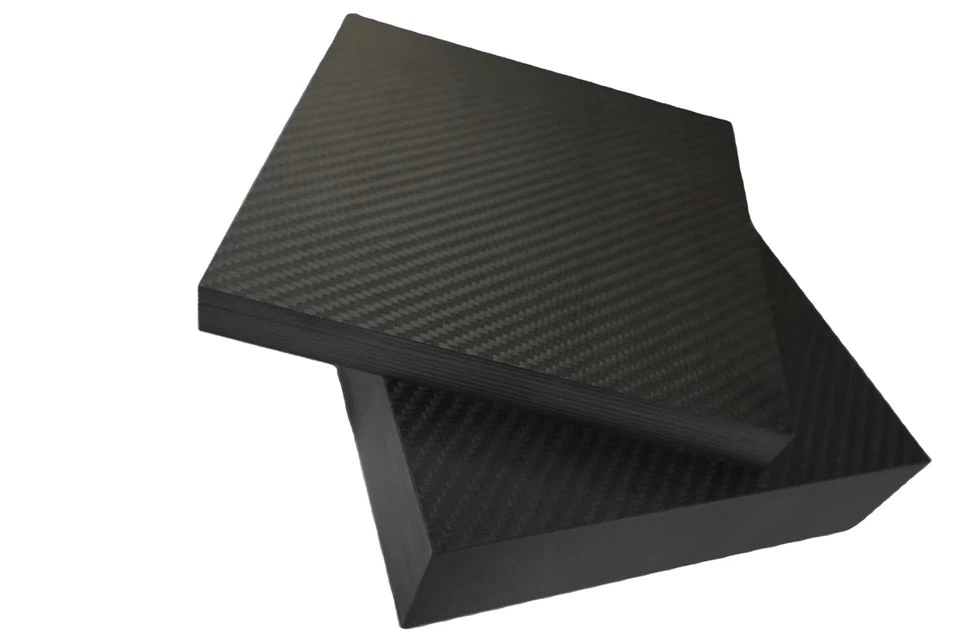
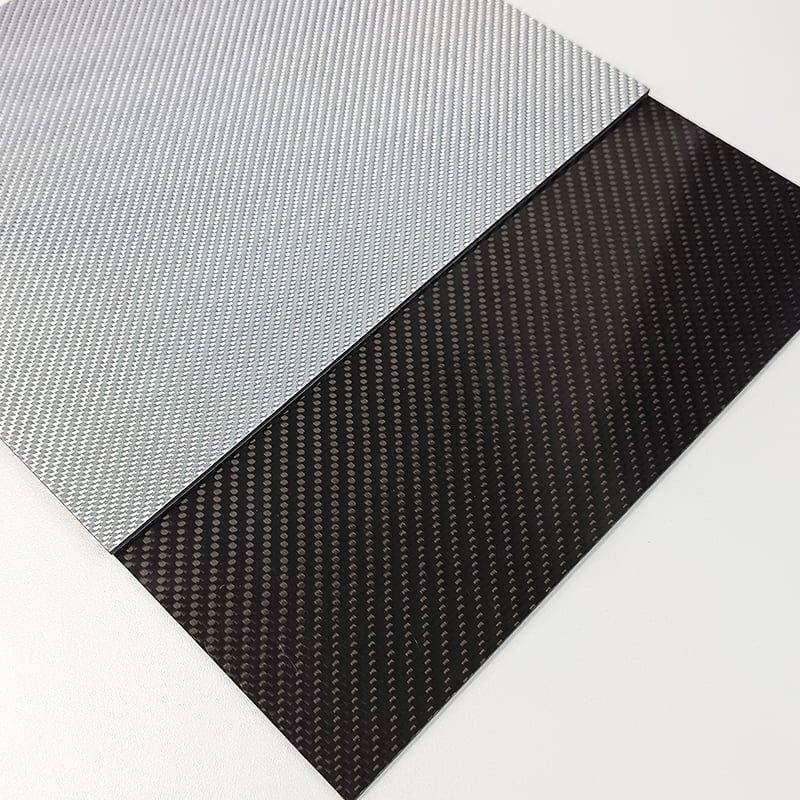
- Carbon fiber board: one of the most basic profiles, divided into solid board and honeycomb board, with a thickness range of 0.5mm-50mm, and can be customized with different sizes and surface textures. Solid boards are used for equipment casings and interior panels; Honeycomb panels are characterized by their lightweight and high strength, with a density of only 0.3g/cm ³, and are used for aerospace interiors and wind turbine blade belly plates. For example, the ceiling of an airline cabin is made of carbon fiber honeycomb panels, which are 60% lighter than aluminum alloy panels.
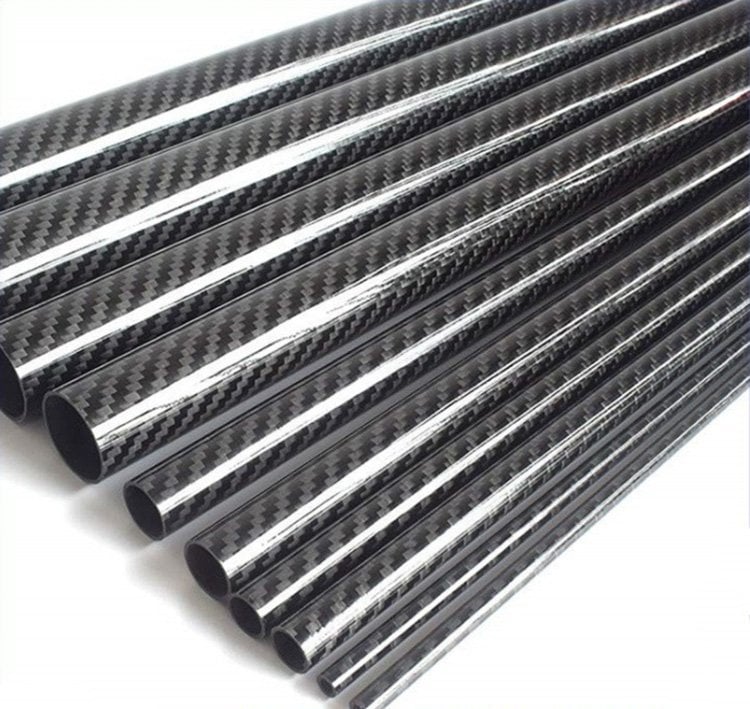
- Carbon fiber pipe: divided into round pipe, square pipe, and irregular pipe, with a diameter range of 3mm-500mm, made by winding or extrusion process. Round pipes are used for fishing rods, flagpoles, and tent supports; Square tubes are used for bicycle frames and equipment support structures; Alien pipes are suitable for special scenarios, such as car exhaust pipe insulation sleeves. The carbon fiber pipe using winding technology has a circumferential strength of up to 1500MPa, far superior to steel pipe.
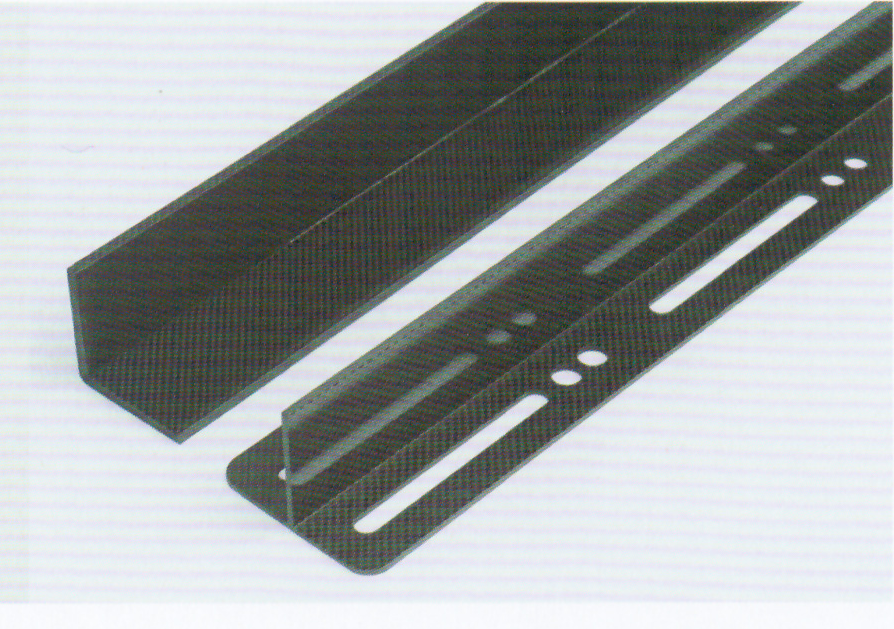
- Carbon fiber shaped structural components: customized for complex curved surfaces or special shape requirements, such as aircraft engine nacelles, car door inner panels, robot articulated arms, etc. This type of product needs to be molded through molds, with a dimensional accuracy error of ≤± 0.2mm, and requires multi-directional carbon fiber layup design to ensure uniform force distribution. For example, after using carbon fiber shaped parts for the car door inner panel, the weight is reduced by 45%, while the impact resistance is improved by 30%.
- Carbon fiber fabric products: made from carbon fiber woven fabric as the base material, cut and molded, such as bulletproof vests, decorative fabrics, filter materials, etc. The bulletproof vest is made of 1K filament bundle woven fabric, and the bulletproof level can reach NIJ III level; Decorative fabrics are made into patterns such as football and diamond patterns through jacquard technology, and are used for high-end furniture and car interiors.
- Carbon fiber composite profile: a new type of product formed by composite with materials such as metal and ceramics, such as carbon fiber aluminum alloy composite pipes and carbon fiber ceramic brake discs. Carbon fiber ceramic brake discs maintain a stable friction coefficient at high temperatures and are used in brake systems for sports cars and airplanes. Their service life is 5 times longer than that of metal brake discs.
3. Differentiated adaptation of performance of different composite systems based on matrix type
According to the composite matrix material, Carbon fiber products can be divided into three major systems to meet different performance requirements:
- Resin based carbon fiber products: the most mainstream category, accounting for over 85%, based on epoxy resin, phenolic resin, and thermoplastic resin. Epoxy resin based products have balanced mechanical properties and are used in aerospace and sports equipment; Phenolic resin based products have excellent flame retardancy and are used in rail transit and fire-resistant components; Thermoplastic resin based products are recyclable and used for automotive and electronic device casings.
- Metal based Carbon fiber products: Composite with metals such as aluminum, titanium, copper, etc., combining the lightweight of carbon fiber with the electrical and thermal conductivity of metals, used for electronic device heat dissipation components and aerospace conductive structural components. For example, carbon fiber aluminum composite radiators have a 40% increase in heat dissipation efficiency compared to pure aluminum radiators.
- Ceramic based carbon fiber products: Based on ceramics, they have outstanding high temperature resistance and can be used for long-term use at temperatures above 1000 ℃. They are used for aviation engine turbine blades and industrial kiln linings. This type of product has a high cost and is mainly used in high-end high-temperature scenarios.
4. Customized derivative categories for special scenarios based on functional characteristics
In response to extreme environments or special needs, Carbon fiber products have developed multiple functional sub categories, expanding their application boundaries:
- High temperature resistant carbon fiber products: made of polyimide resin or ceramic matrix, with a long-term use temperature of 150-1000 ℃ and a mechanical property retention rate of over 85% at high temperatures, used for aviation engine components and industrial kiln structures.
- Flame retardant carbon fiber products: added with halogen-free flame retardants, the flame retardant performance reaches UL94 V0 level, and the smoke density is low when burned. They are used for the interior of rail transit carriages and building fireproof components.
- Conductive Carbon Fiber Products: By adding carbon nanotubes or using metal based composites, the surface resistance is ≤ 10 ⁴ Ω, used for electromagnetic shielding shells and anti-static flooring.
- Corrosion resistant carbon fiber products: using acid and alkali resistant resin matrix, can resist corrosion from seawater and chemical media, used for marine platform structures and chemical pipelines.
Core Advantage: Six Core Characteristics for Reshaping the Value of Manufacturing Industry
The reason why Carbon fiber products can become the "core material carrier" for high-end manufacturing is due to their comprehensive advantages in mechanical properties, lightweight, environmental adaptability, and other dimensions, which together build their irreplaceable market position.
1. Ultimate lightweight and high-strength advantages
The balance between lightweight and high-strength is the core competitiveness of Carbon fiber products. Its density is only 1.7-2.0g/cm ³, which is 1/4-1/5 of steel and 2/3 of aluminum alloy. Its tensile strength can reach 1500-3000MPa, which is 5-10 times that of steel, and its specific strength (strength/density) far exceeds that of traditional materials. In the aerospace industry, after adopting Carbon fiber products, aircraft can reduce body weight by 30% -50% and improve fuel efficiency by 15% -20%. The Boeing 787 aircraft can save approximately $12 million in fuel costs per aircraft annually due to the large-scale use of carbon fiber products; In the automotive industry, the carbon fiber body frame reduces the overall weight of the vehicle by 40%, shortens the acceleration time per 100 kilometers by 1-2 seconds, and reduces fuel consumption by more than 15%; In the field of wind power, the use of Carbon fiber products on 10MW wind turbine blades reduces weight by 25% and increases power generation efficiency by 5% -8%.
2. Excellent fatigue resistance and durability
Carbon fiber products have excellent fatigue resistance, with a fatigue strength retention rate of 85% -90% under dynamic load cycles, much higher than the 50% -60% of steel. In the field of wind power, wind turbine blades need to withstand wind load cycles for more than 20 years. After using Carbon fiber products, the risk of fatigue failure is reduced by 70%; In the aviation field, aircraft fuselage components need to withstand vibration loads from tens of thousands of takeoffs and landings, and the fatigue resistance of carbon fiber products can extend the service life of components to more than 25 years. In addition, Carbon fiber products also have excellent weather resistance, with a service life of up to 15-20 years in outdoor environments such as exposure to sunlight, humidity, salt spray, etc., which is more than 50% longer than traditional metal materials. After adopting carbon fiber pipelines on offshore platforms, frequent replacement caused by seawater corrosion can be avoided, and maintenance costs can be reduced by 60%.
3. Highly flexible design and customization capabilities
Carbon fiber products can achieve customized design in all dimensions, perfectly adapting to personalized needs in different scenarios. In terms of form, any complex shape can be made according to the mold, from simple plates and pipes to irregular structures such as aircraft engine nacelles, all of which can be accurately formed with a dimensional accuracy error of ≤± 0.2mm. In terms of performance, the strength, toughness, temperature resistance and other properties can be optimized by adjusting the carbon fiber bundle specifications (1K-60K), layer direction (0 °, 90 °, ± 45 °), matrix type and other parameters. For example, the golf club shaft achieves a balance of "high head strength+high tail toughness" through gradient layer design; In terms of appearance, different textures and colors can be formed through weaving techniques and surface treatments, such as using jacquard carbon fiber decorative panels in car interiors to enhance the high-end texture of the product.
4. Excellent process adaptation and molding efficiency
Carbon fiber products are compatible with multiple molding processes, catering to various needs from single piece customization to mass production. For standardized products such as sheets and pipes, extrusion and winding processes can be used for large-scale production. The extrusion speed can reach 5-10m/min, and the daily output of a single production line can exceed 1000 meters; For complex shaped parts (such as aircraft structural components and car doors), hot press cans and molding processes can be used, with a molding cycle of only 20-60 minutes, suitable for the fast-paced production of the automotive manufacturing industry; For small batch customized parts (such as high-end sports equipment), vacuum bag forming technology can be used, which has lower cost and stable forming quality. In addition, the waste rate during the processing of Carbon fiber products is only 5% -8%, far lower than the 15% -20% in traditional metal processing, significantly reducing material waste.
5. Diversified functional expandability
In addition to basic mechanical properties, carbon fiber products can also achieve rich functional properties and expand application boundaries through composite modification. In terms of electromagnetic shielding, conductive carbon fiber products can shield over 99% of electromagnetic radiation and are used for military equipment and 5G base station casings; In terms of thermal conductivity and heat dissipation, carbon fiber metal composite products have a thermal conductivity coefficient of up to 150W/(m · K) and are used as CPU heat sinks for electronic devices; In terms of vibration attenuation, the vibration attenuation rate of carbon fiber products is more than 10 times that of steel, which can reduce the operating noise and wear of automotive chassis and industrial machine tools; In terms of X-ray permeability, carbon fiber products can be used as radiation protection plates for medical equipment, balancing protection and lightweight.
6. Long term full lifecycle cost advantage
Although the initial procurement cost of carbon fiber products is relatively high (about 10-20 times that of steel), the full lifecycle cost advantage is significant. In the field of rail transit, the use of carbon fiber carriage components can reduce the weight of a single carriage by more than 250kg, saving about 42000 kWh of electricity per train per year and reducing the total cost by 30% over a 10-year lifecycle; In the field of industrial equipment, the corrosion resistance of carbon fiber products can extend the maintenance cycle from 1 year to 5 years, reduce equipment downtime maintenance time by 40%, and increase production efficiency by 15%; In the aerospace industry, the lightweighting of carbon fiber products can reduce fuel consumption and transportation costs. The Boeing 787 aircraft can recover material premium costs within 5 years due to fuel savings caused by weight reduction. In addition, thermoplastic carbon fiber products can be recycled and reused, with a performance retention rate of over 70% for recycled materials, further reducing raw material costs.
Process selling point: precise control and value enhancement from raw materials to finished products
The excellence of Carbon fiber products lies in precise production processes and full process quality control. Its process system not only ensures product consistency, but also achieves an optimized balance between performance and cost, becoming the core support for category competitiveness.
1. Core molding process: a diversified technology system that adapts to all categories
The molding process of Carbon fiber products is flexibly selected based on product form and performance requirements, with four mainstream processes covering over 90% of product categories:
- Pultrusion molding process: mainly used for producing linear profiles such as plates and pipes. Carbon fiber felt/cloth is continuously pulled into the resin tank for impregnation through a traction device, and then cured into shape by heating the mold. This process has extremely high production efficiency, with a line speed of 5-15m/min and uniform product performance. The resin content control accuracy reaches ± 1%, making it suitable for large-scale production. For example, in the production line of carbon fiber pipes, the daily output of a single line can reach 2000 meters, and the straightness error of the product is ≤ 0.5mm/m.
- Winding molding process: used for producing cylindrical or rotating products (such as pressure vessels, pipelines, rocket shells), carbon fiber prepreg is wrapped around the core mold at a predetermined angle by a winding machine, and then heated and cured. The winding angle can be precisely controlled (0 ° -90 °), allowing the product to form the optimal strength distribution in both axial and circumferential directions. For example, after using spiral winding technology, the burst pressure of high-pressure gas cylinders can reach over 80MPa, far higher than traditional metal gas cylinders.
- Compression molding process: suitable for complex shaped parts (such as automotive interior parts and sports equipment), carbon fiber prepreg is placed into the mold according to the layer requirements, and cured by heating (120-180 ℃) and pressing (0.5-1.5MPa). This process has high dimensional accuracy, with an error of ≤± 0.2mm, and can achieve mass production. The single-mode production cycle is 20-60 minutes, and Tesla's carbon fiber tail fin is produced using this process.
- Hot press molding process: Used for high-end aerospace structural components (such as aircraft wings and fuselage skins), carbon fiber prepreg is layered and placed in a hot press tank for curing under high temperature and high pressure (temperature 150-200 ℃, pressure 0.8-1.2MPa) environment. This process ensures that the resin fully infiltrates the fibers, the internal defect rate of the product is less than 0.3%, and the mechanical properties are stable. Boeing and Airbus' main aircraft models use this process to produce core structural components.
2. Key process control points: the five core links that determine product performance
The quality stability of Carbon fiber products comes from the refined control of the entire production process, with five key links directly determining the final performance of the product:
- Carbon fiber raw material screening: Select appropriate carbon fiber bundle specifications and modulus grades based on product performance requirements. For aerospace products, choose high modulus small bundles of 40T or more (1K-6K), and for industrial products, choose large bundles of 24T or less (48K or more); At the same time, strict testing is carried out on the strength, modulus, carbon content and other indicators of carbon fiber, and unqualified raw materials are strictly prohibited from being put into production.
- Pre impregnated material preparation control: The resin content and uniformity of the pre impregnated material directly affect the performance of the product. When prepared by hot-melt or solution impregnation methods, the resin content is controlled at 30% -50% with an error of ± 1%; Adopting computer-controlled impregnation equipment to ensure uniform resin coverage of each carbon fiber and avoid weak performance points caused by local adhesive deficiency.
- Laying design and implementation: Based on the analysis of the product's stress, lay design is carried out to determine the fiber direction, number of layers, and sequence. For example, the load-bearing structure adopts 0 °/90 ° alternating laying layers, and the impact resistant structure adopts ± 45 ° laying layers; The laying process adopts an automated wire laying machine with an accuracy of ± 0.1mm to avoid fiber misalignment caused by manual laying.
- Accurate control of curing parameters: Set the curing temperature, pressure, and time according to the resin type. Thermosetting resins need to control the heating rate (2-5 ℃/min) to avoid rapid heating and bubble formation; Real time monitoring of curing degree using differential scanning calorimetry (DSC) to ensure complete curing of the resin without over curing phenomenon.
- Post processing and quality inspection: The cured product needs to undergo post-processing such as trimming and polishing to ensure dimensional accuracy and surface smoothness; Each batch of products needs to undergo mechanical property testing such as tensile strength, bending strength, and impact toughness. Non destructive testing techniques such as ultrasonic testing and X-ray testing are used to identify internal defects, with a defect detection rate of 99.9%.
3. Trend of Process Innovation: Three Major Directions for Promoting Category Upgrading
The industry continues to improve the performance and cost-effectiveness of Carbon fiber products through process innovation, with three major innovation directions leading the development of the category:
- Automation and Intelligent Production: Introducing industrial robots, AI vision inspection, and digital twin technology to achieve full process automation from raw material screening, layering, curing to inspection. For example, the wire laying speed of an automated wire laying machine is 10 times faster than manual operation, and the AI detection system can identify defects such as fiber misalignment and missing glue in real time, reducing product consistency error to ± 0.1mm.
- Low cost process research and development: Developing large bundle carbon fiber forming technology, solvent-free pre impregnation process, and rapid curing resin system to reduce production costs. The price of large bundle carbon fiber is only one-third to one-fifth of that of small bundle, and the cost of wind turbine blades produced using large bundles is reduced by 40%; Rapid curing resin shortens the molding cycle to less than 10 minutes, improving production efficiency.
- Green recycling process application: Promote the recycling and reuse technology of thermoplastic carbon fiber products, achieve raw material recycling through melting and reshaping, and achieve a recycling rate of over 80%; Developing a composite process of bio based resin and carbon fiber, reducing dependence on petroleum based raw materials, and reducing VOC emissions by over 90%, in line with the trend of green manufacturing.

 EN
EN