EN
EN
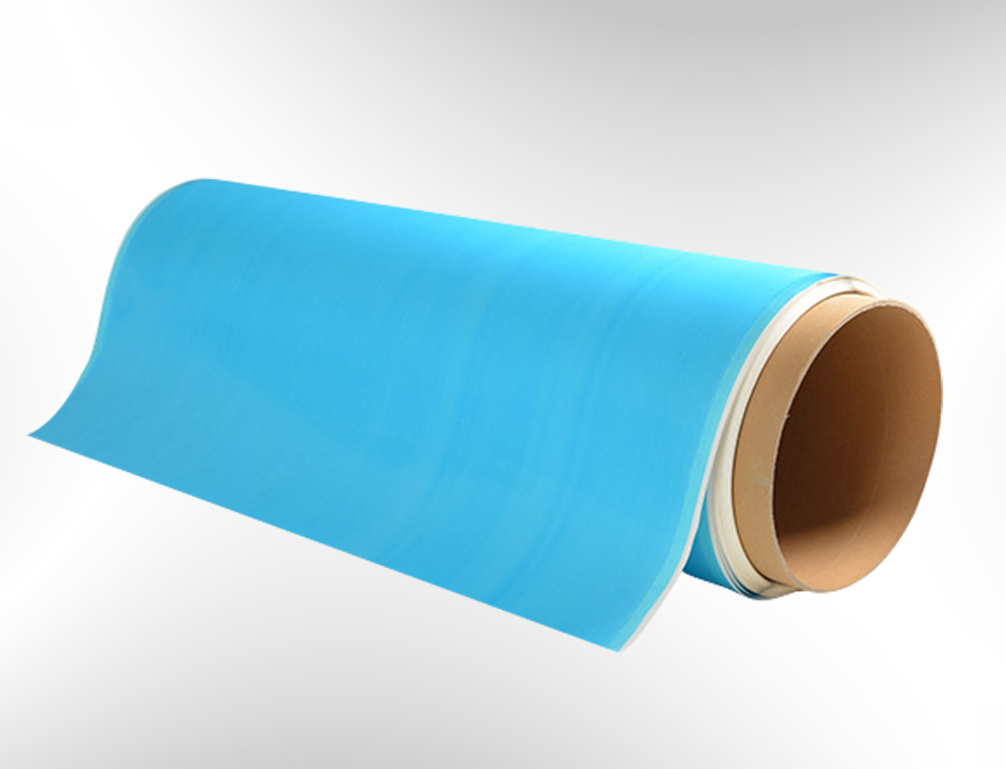
Flame retardant glass fiber prepreg
In fields such as rail transit and high-end equipment that require strict fire resistance and structural reliability, B-5 flame retardant glass fiber prepreg, with its core combination of "specialized flame retardant resin+high-performance glass fiber", has become a key material solution.
- Overview
- Recommended Products
- Efficient flame retardant ingredients: adding halogen-free environmentally friendly flame retardants (such as phosphorus nitrogen composite flame retardants) to the resin to avoid the problem of toxic hydrogen chloride gas released during the combustion of traditional halogen flame retardants, which meets the core safety requirements of rail transit for personnel; At the same time, flame retardants are evenly distributed in the resin through nanoscale dispersion technology, ensuring that every inch of prepreg has consistent flame retardancy and no local fire weaknesses.
- Charcoal flame retardant mechanism: During combustion, the resin system quickly forms a dense carbonized layer, which can effectively isolate oxygen and heat, prevent flames from further eroding the glass fiber substrate, and reduce smoke production. According to tests, the smoke density rating (SDR) of B-5 prepreg during combustion is only 15 (ordinary glass fiber prepreg is about 60), and the smoke toxicity rating reaches SR2 level (extremely low toxicity) of the rail transit EN45545 standard, buying valuable time for emergency evacuation in case of fire.
- Anti droplet design: By adding anti droplet agents, the problem of traditional flame retardant materials easily producing molten droplets during combustion is solved, avoiding the droplets from igniting surrounding objects and causing the fire to spread. This feature can significantly reduce the risk of fire spread and improve the overall fire safety of rail transit vehicle interiors, such as seat backrests and compartment partitions.
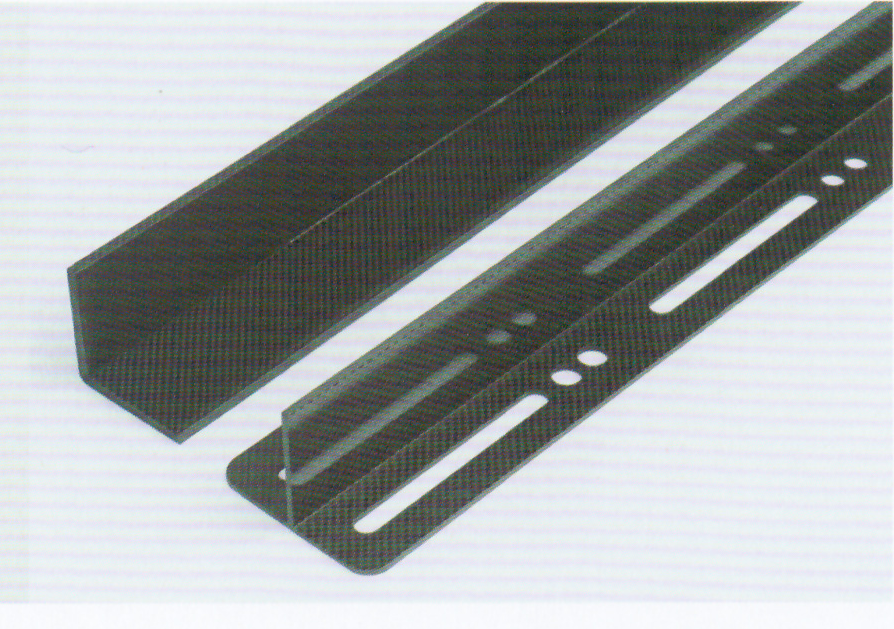
- Core mechanical properties: After testing, the composite material made of B-5 flame-retardant glass fiber prepreg has a tensile strength of over 300MPa, a bending strength of over 450MPa, and a bending modulus of 25GPa, far exceeding ordinary flame-retardant plastics (such as flame-retardant ABS with a tensile strength of about 50MPa). In the field of rail transit, when used for supporting the side wall panels and luggage racks, it can withstand daily loads such as passenger congestion and luggage loading, and is not easily deformed after long-term use; When used for seat frames, it can ensure sitting comfort through high rigidity while resisting structural damage caused by accidental impacts.
- Excellent corrosion resistance: Glass fiber itself has the characteristics of acid and alkali resistance and salt spray resistance. When combined with special flame-retardant resin, the corrosion resistance is further improved. In humid environments of rail transit such as underground tunnels and coastal lines, components made of B-5 prepreg can resist water vapor erosion and have a service life of over 15 years, which is 50% longer than traditional metal components such as galvanized steel plates, significantly reducing maintenance costs in rail transit operations. For example, when used for cable trays at the bottom of train carriages, it can avoid metal corrosion caused by rainwater and dust, ensuring the safe and stable operation of the circuit system.
- Lightweight advantage: The density of B-5 prepreg is about 1.8g/cm ³, which is only 1/4 of steel and 2/3 of aluminum alloy. Under the demand for lightweighting of rail transit vehicles, the use of this material can reduce the weight of the vehicle by 15% -20%, directly reducing the energy consumption of train traction and reducing the carrying pressure of the track, which is in line with the development trend of "energy conservation and consumption reduction" in rail transit. Taking subway carriages as an example, the interior partitions and seat frames made of B-5 prepreg can reduce the weight of a single carriage by more than 300kg, saving about 50000 kWh of electricity consumption per train per year.
- Compression molding: suitable for mass production of standardized interior components (such as seat backrests, armrests, and car partitions), with high molding efficiency, single mode production time can be controlled within 20-30 minutes, and component size accuracy can be accurately controlled (error ± 0.2mm), ensuring assembly consistency of different batches of components and meeting the pace of large-scale production in rail transit.
- Hot press molding: Suitable for vehicle body structural components with extremely high requirements for appearance and performance (such as roof decorative panels and door interior panels), the resin is fully immersed in glass fibers through the uniform pressure (0.5-1.0MPa) and temperature (120-140 ℃) control of the hot press molding. After molding, the surface smoothness of the components is high, without defects such as bubbles or missing glue, and can be directly used as the appearance surface, reducing the subsequent spraying process.
- Vacuum bag forming: suitable for large and complex shaped components (such as car body side wall panels, luggage rack integral frames), resin flow and exhaust are achieved through vacuum negative pressure. The forming cost is reduced by 35% compared to the hot press tank process, while ensuring the stability of flame retardancy and mechanical properties, taking into account both economy and product quality.
- Technological differentiation: The independently developed "flame retardant resin glass fiber interface modification technology" increases the interface bonding strength between resin and fiber by 30%, solves the problem of interface peeling that is prone to occur in traditional flame retardant prepreg, and ensures that composite materials will not experience performance degradation due to temperature changes and vibrations during long-term use; At the same time, by optimizing the resin formula and achieving UL94 V0 flame retardant standards, the resin viscosity is controlled within an appropriate range to ensure process fluidity and avoid molding defects caused by excessive resin viscosity.
- Customization of specifications and functions: Support adjusting product specifications according to customer needs, such as glass fiber surface density (100-600g/㎡), prepreg width (0.5-2.0m), to meet the production needs of different size components; At the same time, customized functional services can be provided, such as adding anti-static ingredients for the interior of the carriage (to avoid static electricity adsorbing dust), adding antibacterial ingredients for public seats (to reduce bacterial growth), further expanding the application scenarios of the product, distinguishing it from ordinary products that only have basic flame retardant properties.
- Cost differentiation: By large-scale procurement of flame retardants and glass fibers, optimizing pre impregnation process parameters, while ensuring UL94 V0 level flame retardant performance, the cost of B-5 pre impregnated material is controlled below the industry average by 10%, providing rail transit enterprises with a "high-performance+high cost-effectiveness" material selection, especially in cost sensitive projects such as subways and intercity trains, which is more competitive in the market.
Flame retardant glass fiber prepreg (B-5): dual guarantee of fire safety and structural stability in the field of rail transit
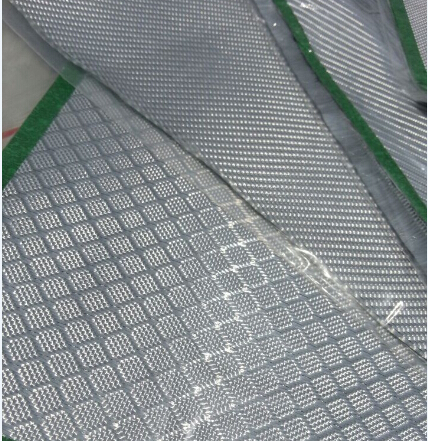
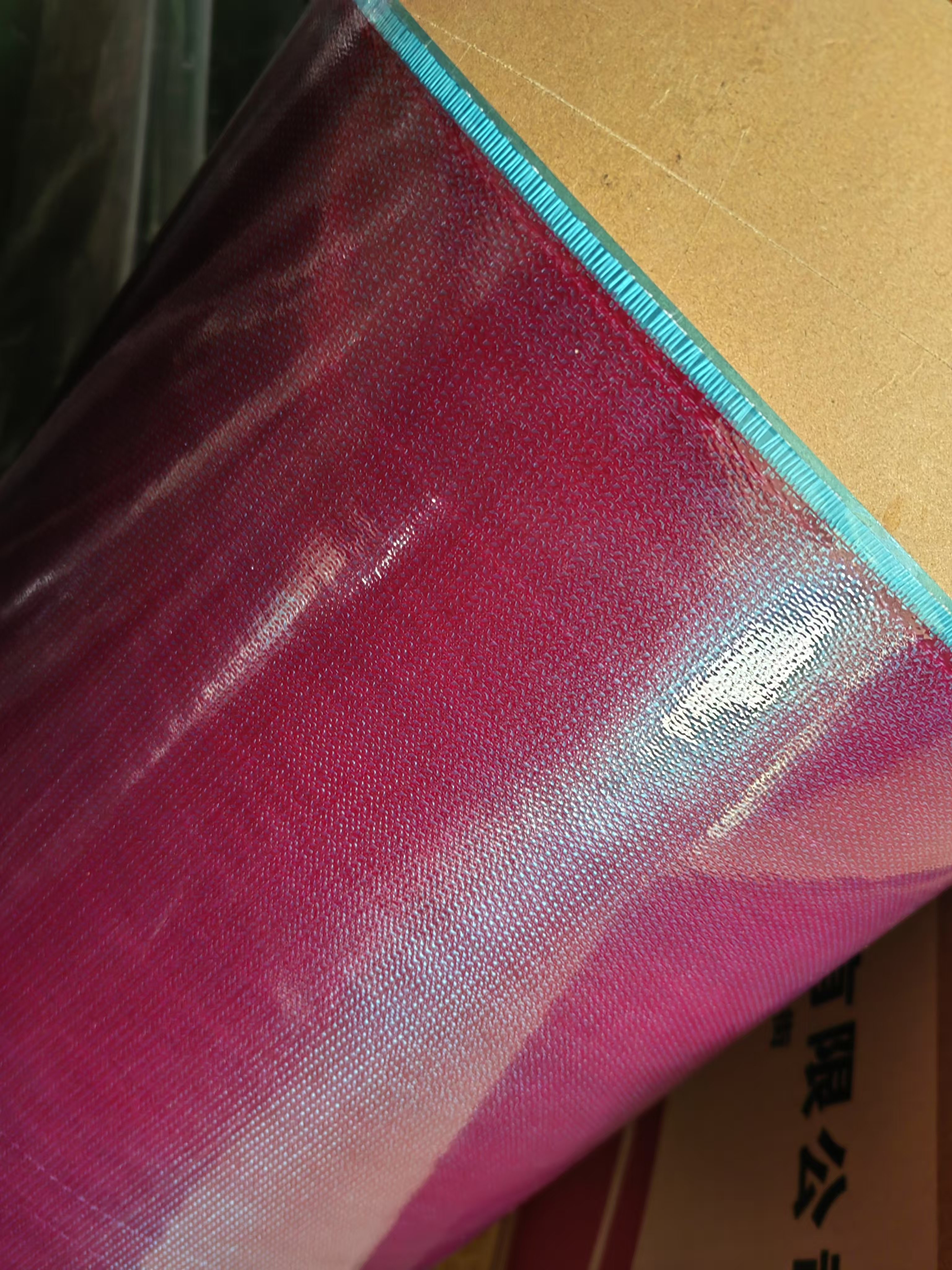
In fields such as rail transit and high-end equipment that require strict fire resistance and structural reliability, B-5 flame retardant glass fiber prepreg, with its core combination of "specialized flame retardant resin+high-performance glass fiber", has become a key material solution. This product uses a specialized flame-retardant resin as the bonding system and is combined with glass fiber through precision pre impregnation technology. Its flame retardant performance meets the highest standard of V0 in UL94 testing, effectively suppressing flame spread and reducing toxic smoke release. Not only does it retain the high rigidity and corrosion resistance advantages of fiberglass materials, but it also adapts to scenarios such as rail transit body structures and interior components with excellent flame retardant performance, breaking the application limitations of traditional fiberglass prepreg with weak fire resistance, and building a strong safety barrier for public transportation travel.
Core advantages: Multi dimensional breakthroughs in top-level flame retardancy, stable performance, and scene adaptation
1. UL94 V0 level flame retardant performance, building the core defense line for fire prevention in rail transit
The core competitiveness of B-5 flame retardant glass fiber prepreg lies in its top-level flame retardant performance of UL94 V0 level, which is a key indicator for measuring the fire safety of materials. It requires that the material can extinguish the flame within 10 seconds after two 10 second ignitions in the vertical combustion test, and there should be no molten droplets igniting the degreased cotton below. The realization of its flame retardant effect is derived from the triple technical design of a dedicated flame retardant resin system:
2. High rigidity and corrosion resistance, balancing safety and structural reliability
As a glass fiber prepreg, B-5 not only has excellent flame retardant properties, but also does not sacrifice the structural advantages of glass fiber itself. By optimizing the resin and glass fiber infiltration process, the mechanical properties and environmental adaptability of the composite material have reached the industry-leading level
3. Strong process adaptability to meet the large-scale production needs of rail transit
In response to the production characteristics of "multiple specifications and large quantities" of rail transit components, B-5 flame-retardant glass fiber prepreg has strong process compatibility and can be compatible with mainstream composite material manufacturing processes such as hot press can molding, compression molding, vacuum bag molding, etc., without the need for enterprises to modify production equipment, reducing the application threshold:
In addition, the storage and processing convenience of B-5 prepreg is excellent. It can be stored for 3 months in a room temperature and dark environment, and for more than 6 months in a low temperature environment of -18 ℃. After being taken out, it can be put into production without a long time of reheating, reducing production waiting time and ensuring the continuous and stable supply of rail transit components.
4. Differentiated design, building market competition barriers