EN
EN
A-10 rail transit special flame retardant prepreg
In the field of rail transit equipment manufacturing, the fire safety of materials is equally important as their structural mechanical properties.
- Overview
- Recommended Products
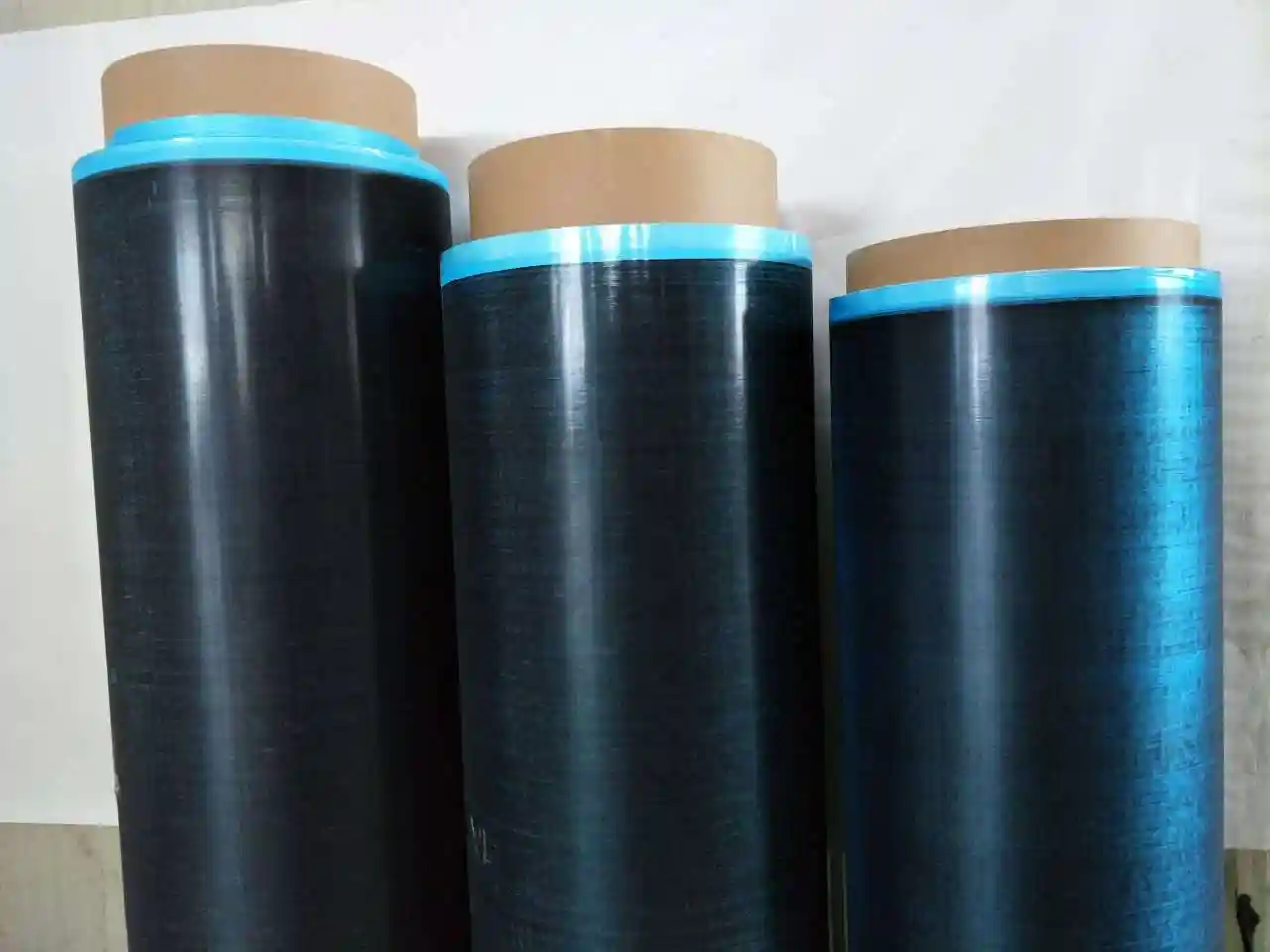
- The product family includes two core forms: unidirectional carbon fiber prepreg and carbon fiber fabric prepreg, which can be flexibly selected according to the structural requirements of different components of rail transit, achieving the design convenience of "one material for multiple uses".
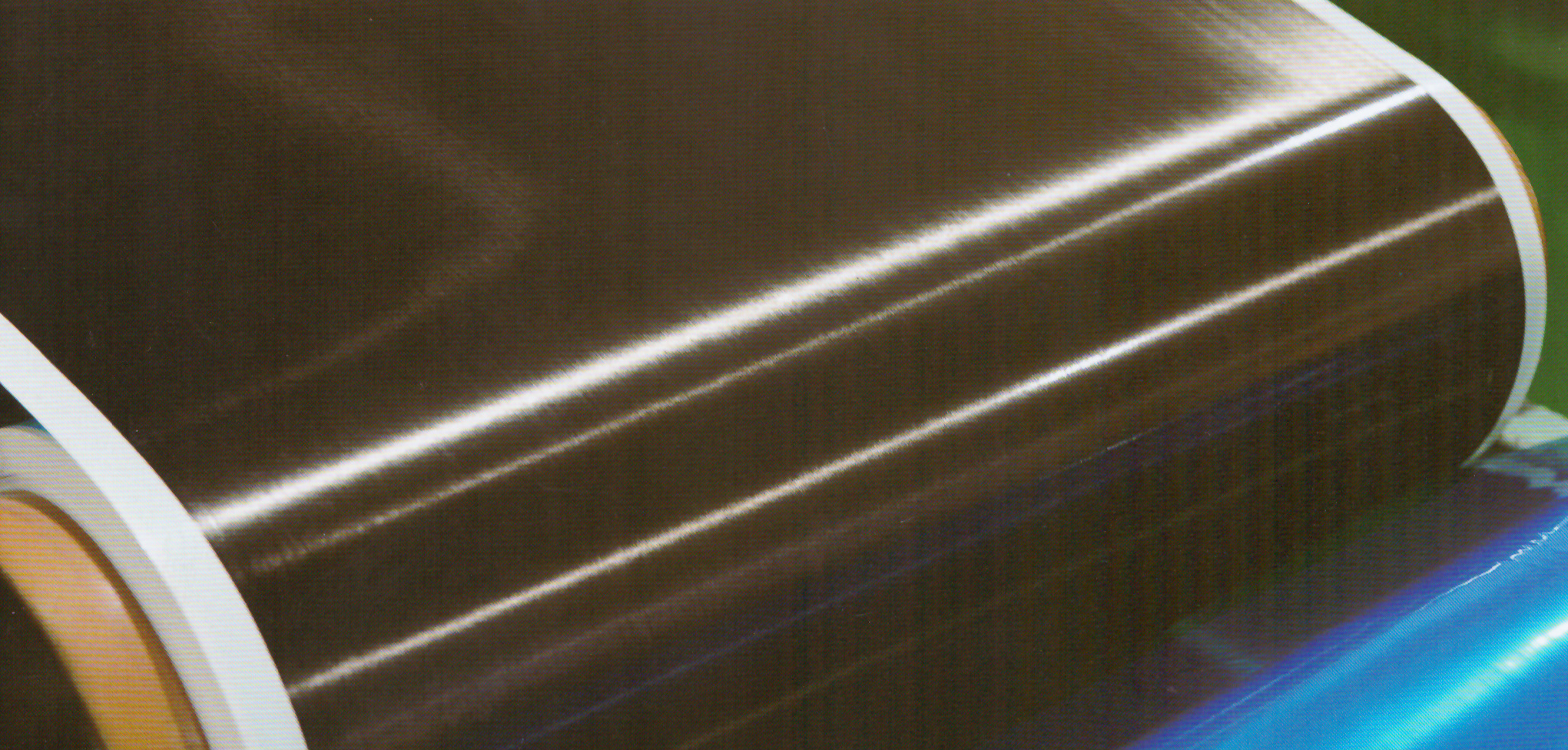
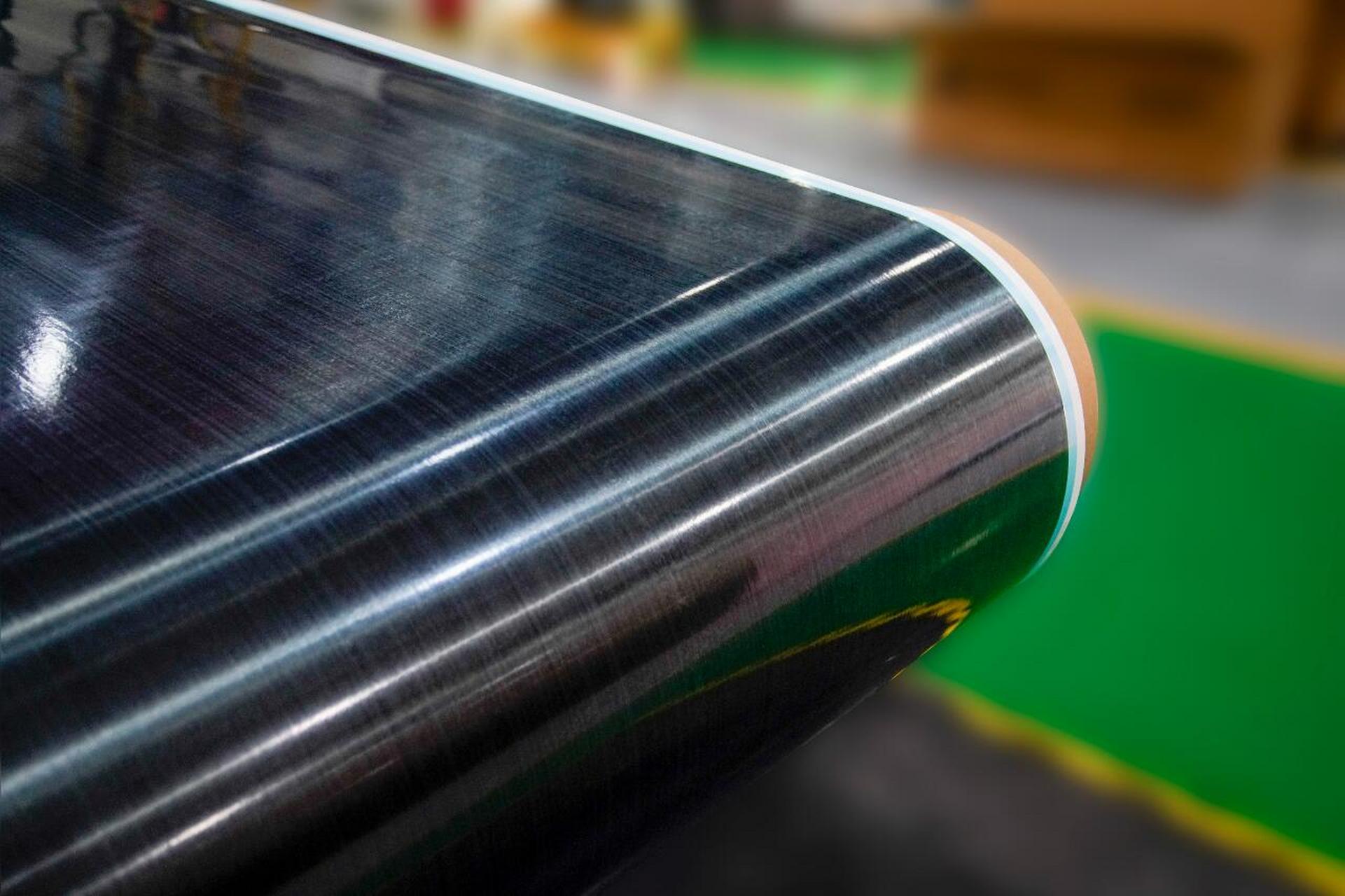
- Unidirectional carbon fiber prepreg: It adopts high straightness carbon fiber unidirectional arrangement, with fiber direction consistency of over 99%, and outstanding axial mechanical properties. Suitable for structural components such as train body side walls and floor crossbeams that need to withstand longitudinal loads, it can improve the tensile and bending resistance of components while being lightweight, and can reduce weight by 30% -40% compared to traditional metal materials
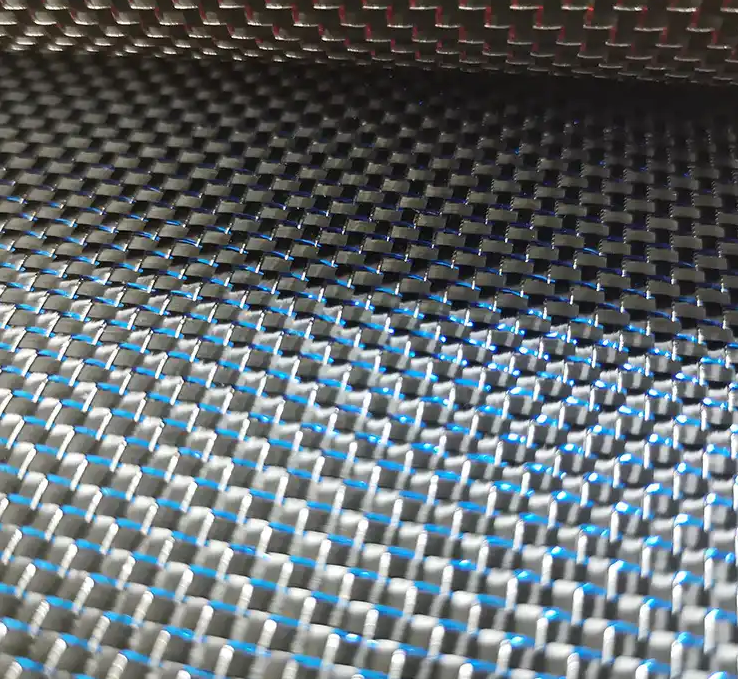
- Carbon fiber fabric prepreg: Based on plain weave, twill weave and other fabric structures, it has excellent in-plane isotropic properties and stronger impact and shear resistance. Can be used for components such as train seat frames, interior decorative panels, luggage racks, etc. It not only ensures safety through flame retardant performance, but also enhances interior aesthetics through fabric textures
- Hot press molding: Suitable for large and complex structural components (such as the overall side wall of the train body), the pre impregnated material is fully cured through the uniform pressure and temperature control of the hot press tank. The surface smoothness of the molded parts is high, with few internal defects and stable mechanical properties, which can meet the dual high requirements of external appearance and structure of the train body.
- Compression molding: suitable for small and medium-sized standardized components (such as seat frames and interior panels), with high molding efficiency, short production cycle, and single-mode production time can be controlled within 30 minutes. It is suitable for the large-scale production rhythm of rail transit, and the compression molding process can accurately control the dimensional accuracy of components, reducing subsequent processing steps.
Flame retardant carbon fiber prepreg: dual guarantee of fire safety and structural performance in the field of rail transit
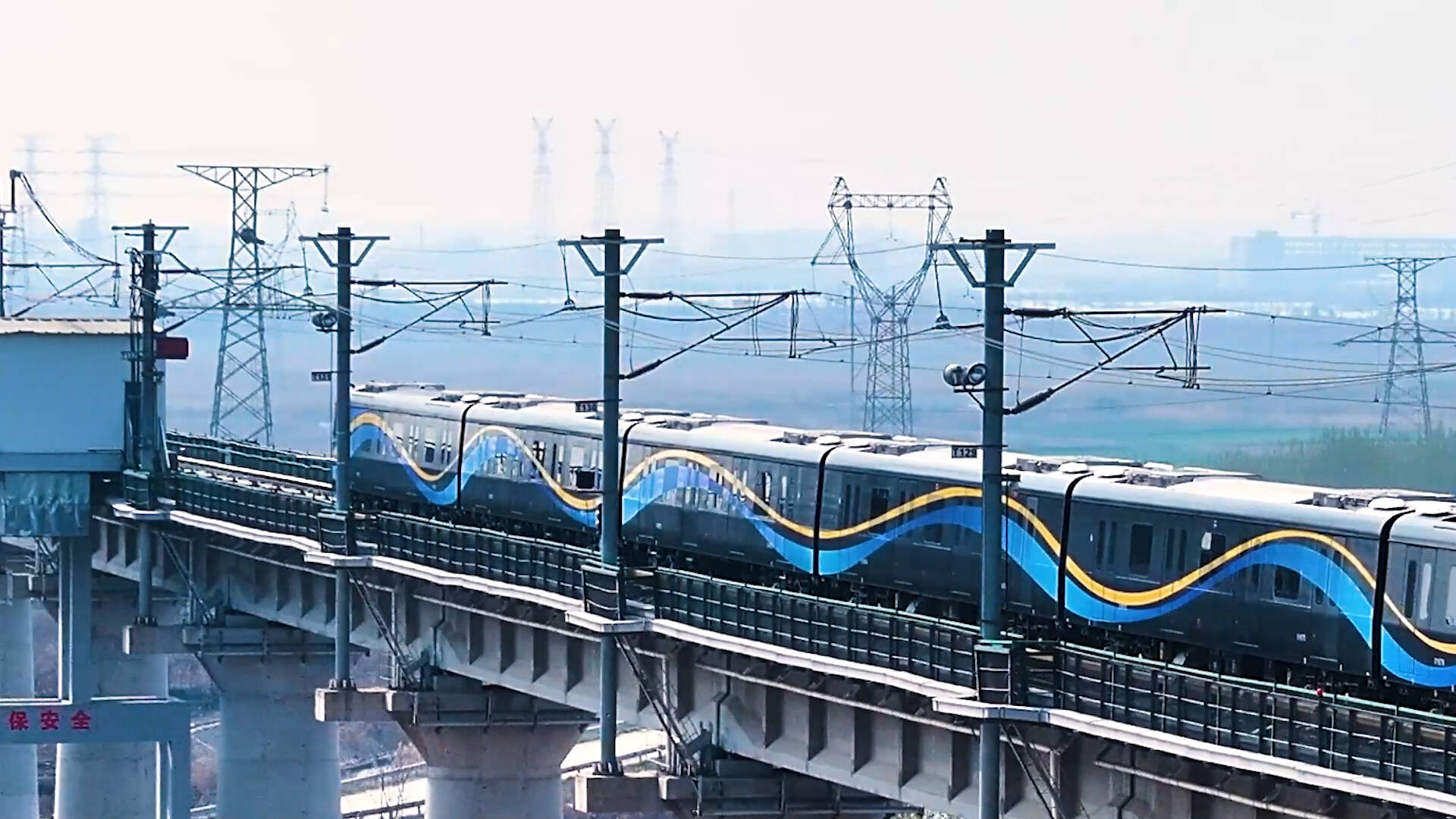
In the field of rail transit equipment manufacturing, the fire safety of materials is equally important as their structural mechanical properties. This flame-retardant carbon fiber prepreg uses modified epoxy resin as the core resin system, combined with halogen-free flame-retardant resin and latent curing agent, covering mainstream forms such as unidirectional carbon fiber prepreg and carbon fiber fabric prepreg. It not only meets the highest fire protection requirements of DIN 5510 and EU EN45545 HL3 for rail transit, but also provides a material solution that combines safety protection and lightweight advantages for the body structure and interior components of subways, high-speed trains, and intercity trains, filling the application gap of traditional carbon fiber prepreg in high flame retardant scenarios.
Core advantage: Balancing fire safety, structural performance, and process adaptability
1. The highest level of fire certification, building a solid defense line for rail transit safety
As a flame-retardant prepreg specially developed for rail transit scenarios, the product meets the industry's top standards in terms of fire resistance performance. The resin system adopts a triple combination of "modified epoxy resin+halogen-free flame retardant resin+latent curing agent", and the halogen-free formula avoids the release of toxic gases and corrosive smoke during combustion from the source, which meets the core requirements for personnel safety in rail transit; Latent curing agents ensure that the prepreg remains stable during storage and processing, only rapidly curing at specific temperatures without affecting the effectiveness of flame retardant components.
According to authoritative testing, the flame-retardant carbon fiber prepreg fully meets two major international mainstream fire protection standards: firstly, the German DIN5510 standard, which achieves S4 (extremely low smoke density), SR2 (extremely low smoke toxicity), and ST2 (slow flame propagation) levels in key indicators such as smoke density, heat release rate, and flame propagation speed; The second requirement is the EU EN45545 HL3 level, which can withstand high temperature flame burning for more than 20 minutes and still maintain a certain structural strength after burning, buying valuable time for emergency evacuation of train fires. Compared to ordinary carbon fiber prepreg, its flame retardant performance has been improved by over 100%, completely solving the pain points of traditional carbon fiber materials' flammability and high combustion smoke. It is suitable for key parts such as rail transit body structure, seat frame, interior partition, etc.
2. Multi form product coverage, adapted to the complex structural requirements of rail transit
Both forms of flame retardant prepreg can be used separately or combined for layering. For example, the vehicle structure can adopt a composite design of "unidirectional prepreg+fabric prepreg", with unidirectional material used longitudinally to enhance strength and locally woven material to enhance impact resistance, balancing structural performance and usage scenario requirements.
3. Excellent mechanical properties, balancing lightweight and structural stability
As a high-performance carbon fiber prepreg, the product does not sacrifice the mechanical advantages of carbon fiber itself in addition to its flame retardant properties. By optimizing the interface bonding process between resin and carbon fiber, the resin can uniformly infiltrate the fiber bundle, reduce interface bubbles and defects, and fully utilize the mechanical properties of the composite material. After testing, the composite material prepared from the flame-retardant carbon fiber prepreg has a 0 ° tensile strength of over 1800MPa, a 0 ° tensile modulus of over 120GPa, and a bending strength of over 1500MPa. Even in complex service environments such as high temperature and humidity in rail transit, the mechanical property retention rate can still reach over 85%. Compared with traditional flame-retardant metal materials (such as flame-retardant aluminum alloy), the product weight can be reduced by 40% -50% under the same structural strength, directly reducing the overall energy consumption and track bearing pressure of trains, which is in line with the development trend of "lightweight and energy-saving" in rail transit.
At the same time, the product density is strictly controlled at no less than 5% to ensure uniform distribution of fibers in the prepreg, avoid weak mechanical properties caused by low local fiber content, ensure the structural stability of the train during long-term operation, and reduce maintenance costs.
4. Flexible process adaptation to meet the large-scale production needs of rail transit
In response to the production characteristics of "multiple specifications and large quantities" of rail transit components, this flame-retardant carbon fiber prepreg has strong process adaptability and can be compatible with the two mainstream processes of hot press molding and compression molding. The curing temperature range is wide, from 100 to 160 ℃. Enterprises can flexibly adjust process parameters according to the needs of existing equipment and components, without the need for additional equipment renovation, reducing production barriers.
In addition, the pre impregnated material has excellent storage stability and can be stored for more than 6 months in a low temperature environment of -18 ℃. After being taken out, it can be put into production without a long time of reheating, reducing production waiting time and improving production efficiency.
5. Differentiated design, building market competitive advantages
Among flame-retardant prepreg products in the same category, this product builds its core competitiveness through "low repeatability+high customization". On the one hand, differentiated design is carried out in terms of resin formula, fiber selection and process parameters - for example, unique anti-aging ingredients are added to the resin system, so that the service life of products in the environment of long-term sunshine, temperature and humidity changes in rail transit can be extended to more than 15 years, far exceeding the average life of similar products for 10 years; On the other hand, customized services can be provided according to customer needs, such as adjusting flame retardant levels (customized as needed from EN45545 HL1 to HL3), optimizing curing temperatures (adapted to different equipment temperature ranges), adjusting fiber surface density (fully covered from 100g/㎡ to 600g/㎡), meeting the personalized needs of different components of rail transit (from structural parts to interior parts), and avoiding market pressure caused by homogeneous competition.