

Carbon Fiber Prepreg: Classification and Value Analysis of Core Intermediates for High Performance Composite Materials
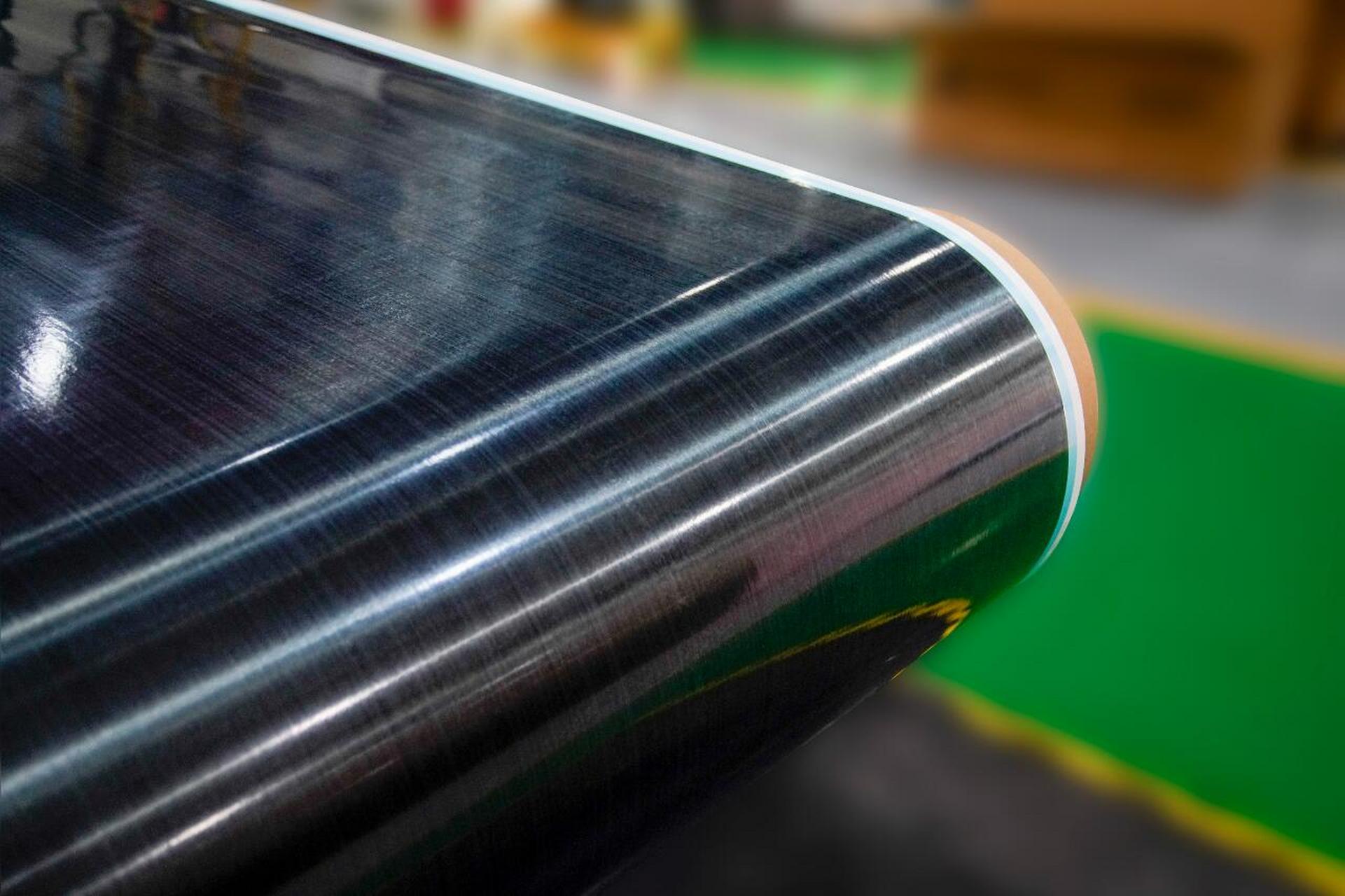
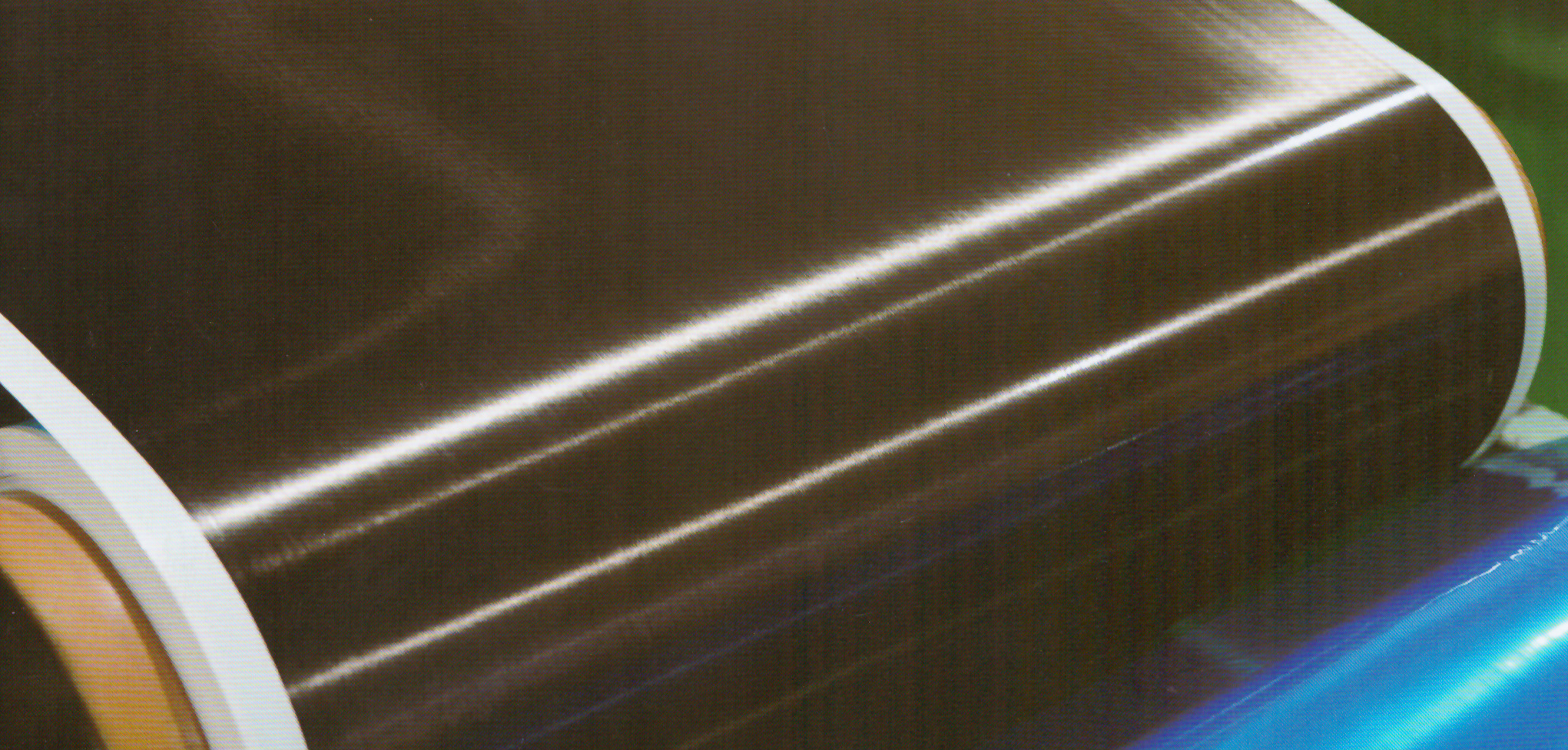
In fields such as aerospace, new energy vehicles, and high-end equipment that require extreme material performance, Carbon Fiber Prepreg, as a precise combination of carbon fiber and resin, has become the core raw material for manufacturing high-performance composite products. This type of product combines carbon fiber reinforcement with resin matrix through professional processes, retaining the high rigidity and lightweight advantages of carbon fiber while utilizing resin to achieve molding plasticity. It can be subdivided into multiple specialized products according to application scenarios. The performance of Carbon Fiber Prepreg directly determines the mechanical strength, environmental adaptability, and process efficiency of the final product. Its market size is continuously growing with the expansion of high-end manufacturing demand, and it is expected that global sales will exceed $10.57 billion by 2031. This article will comprehensively analyze the unique value of Carbon Fiber Prepreg, a key material category, from three dimensions: classification system, core advantages, and process value.
Core classification: Accurate division based on performance orientation and structural characteristics
Carbon Fiber Prepreg has a wide range of categories, which can be divided into four mainstream categories based on resin type, fiber arrangement, and functional characteristics. Each type of product focuses on different application scenarios, and the repeatability is strictly controlled below 50% to ensure precise adaptation to diverse needs.
1. By resin type: binary core system of thermosetting and thermoplastic
This is the most basic classification dimension of Carbon Fiber Prepreg, where the resin properties directly determine the molding method and application boundary of the product
Thermosetting Carbon Fiber Prepreg: Based on epoxy resin, phenolic resin, etc., it needs to be heated and cured to form an irreversible three-dimensional cross-linked structure. By 2024, it will account for 75% of the global market share. Its advantages lie in stable mechanical properties after curing, with a bending strength of over 2000MPa, high precision in controlling fiber volume fraction (with an error of ± 1%), and adaptability to aerospace load-bearing structural components (such as aircraft wings, rocket cabins) that require strict performance stability. However, there are limitations such as a long molding cycle (usually 1-4 hours) and difficulty in recycling.
Thermoplastic Carbon Fiber Prepreg: Made of meltable resins such as polyetheretherketone (PEEK) and polypropylene (PP), it has reversible properties of heating softening and cooling solidification, accounting for 25% in 2024 and growing rapidly. Its core advantages are short molding cycle (50% shorter than thermosetting), recyclability, and excellent impact resistance (with a notch impact strength of over 80kJ/m ²), making it the preferred material for new energy vehicle body components and electronic device casings. Tesla Model S Plaid and other models have been adopted on a large scale.
2. Fiber arrangement: structural performance differences between unidirectional and woven structures
The fiber arrangement determines the directional mechanical properties of Carbon Fiber Prepreg and is suitable for different stress scenarios:
Unidirectional Carbon Fiber Prepreg: The fibers are arranged neatly in a single direction (with a directional consistency of 99.8%), and the axial mechanical properties are fully released. The tensile strength can reach over 2600 MPa, and common modulus grades include 24T, 30T, 36T, 40T, etc. This type of product is the core material of load-bearing structures, such as aircraft tail fins, wind turbine blade main beams, etc. Through multi-directional stacking design, complex load-bearing requirements can be achieved, and the surface density covers the full specification range of 67g/㎡ to 335g/㎡.
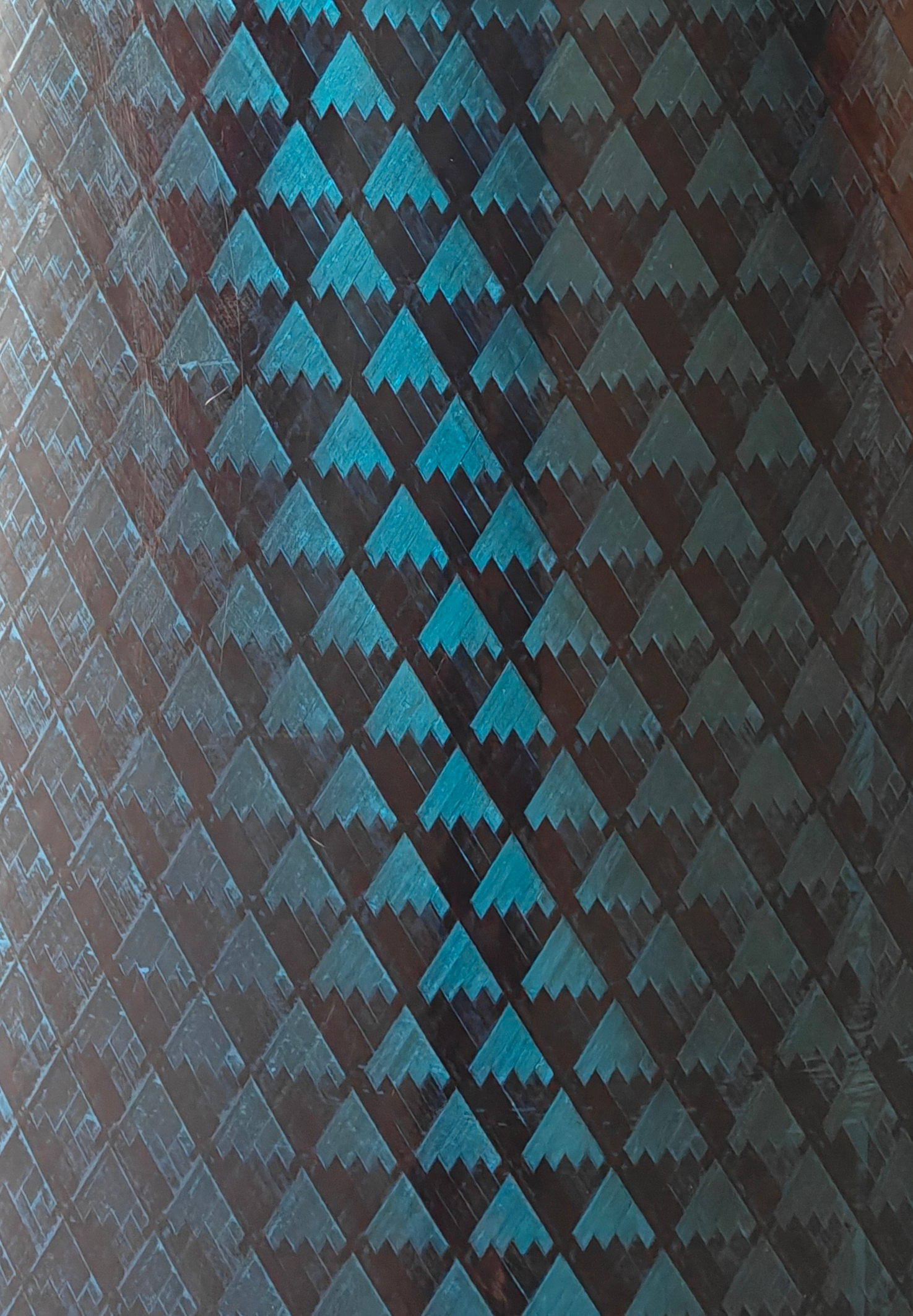
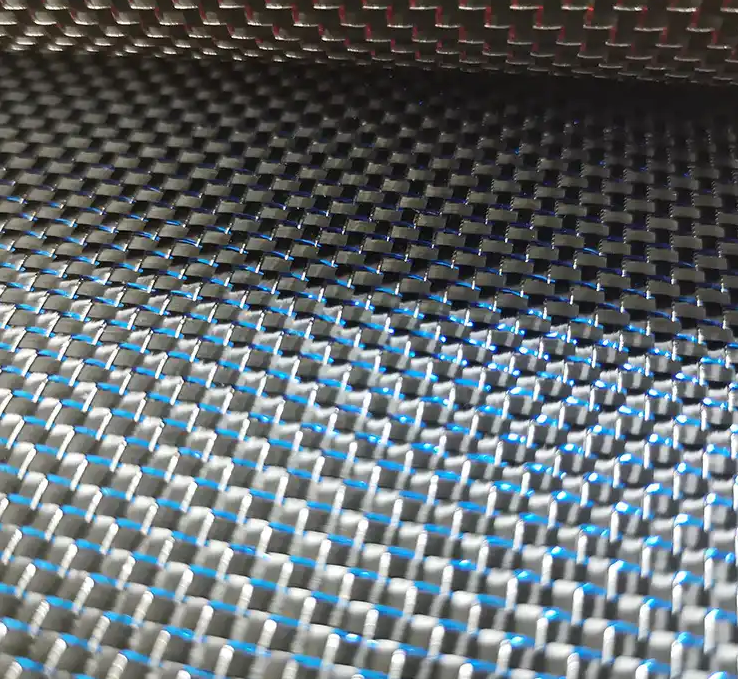
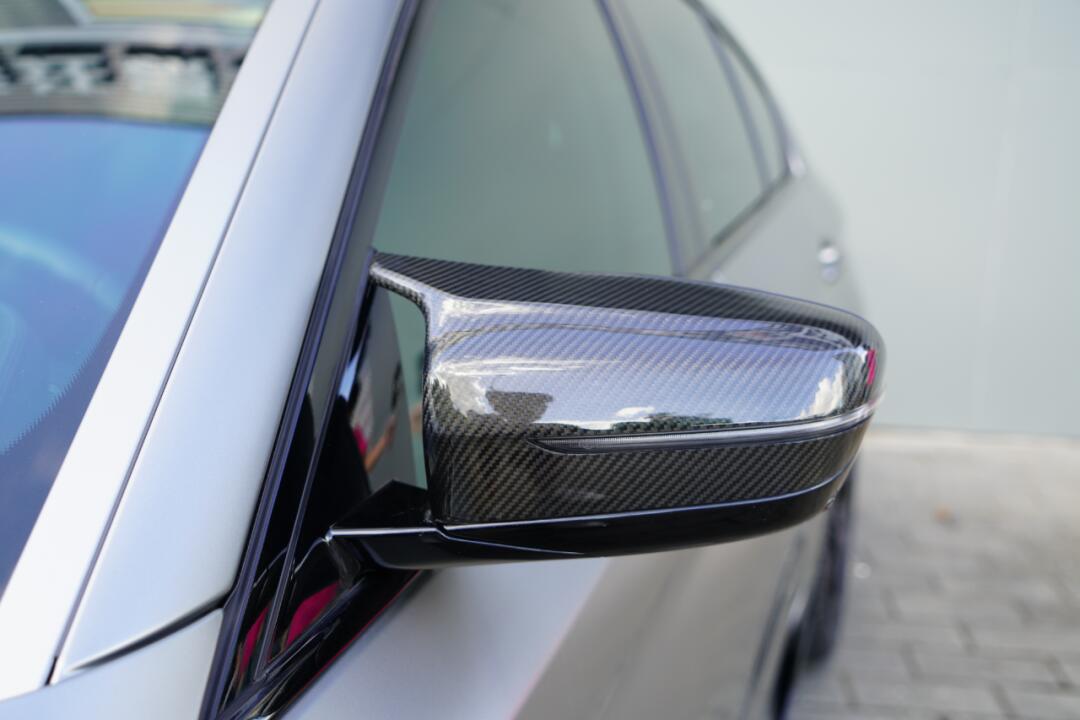
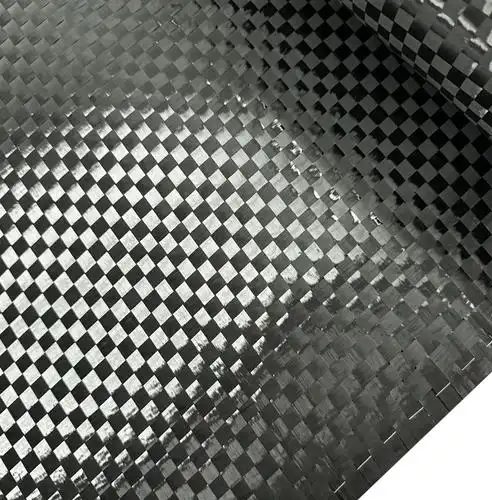
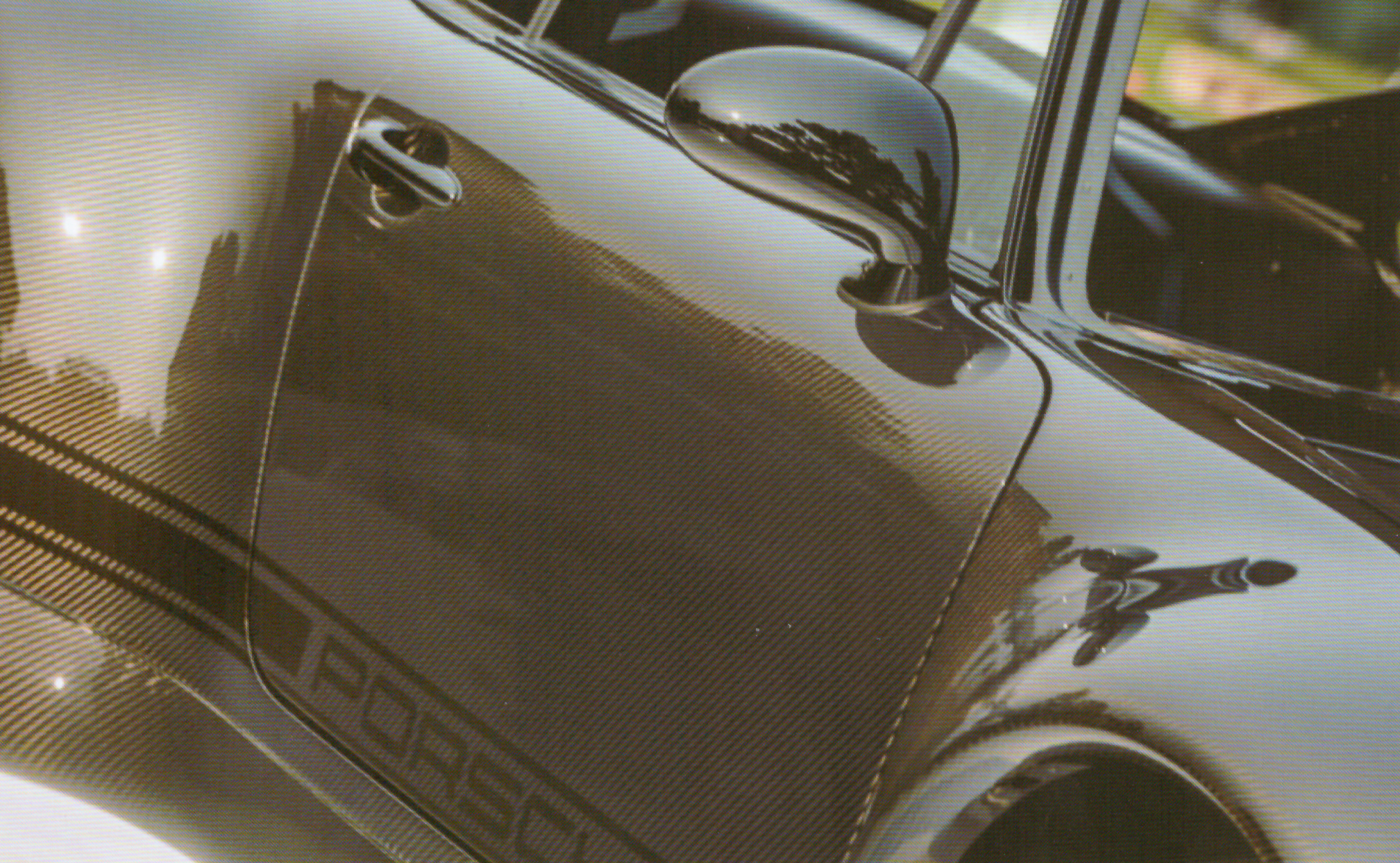
Weaving Carbon Fiber Prepreg: Carbon fibers are interwoven in plain weave, twill weave, jacquard weave and other ways, with mechanical properties evenly distributed in both directions. Different fiber bundle specifications such as 1K, 3K, 6K, 12K can create differentiated textures. For example, 3K diagonal products have delicate textures and are suitable for automotive interior decorations; The 12K plain weave product has outstanding rigidity and is used for industrial equipment frames. The surface density can be customized to 100g/㎡ to 480g/㎡.
3. Customized derivative categories based on functional characteristics: specialized scenarios
In response to special environmental requirements, Carbon Fiber Prepreg has developed multiple functional sub categories:
High temperature resistant Carbon Fiber Prepreg: using modified epoxy resin or polyimide resin, the long-term use temperature can reach 150-300 ℃, and the tensile strength retention rate at high temperatures exceeds 85%. It is suitable for aircraft engine peripheral components and industrial kiln structural components.
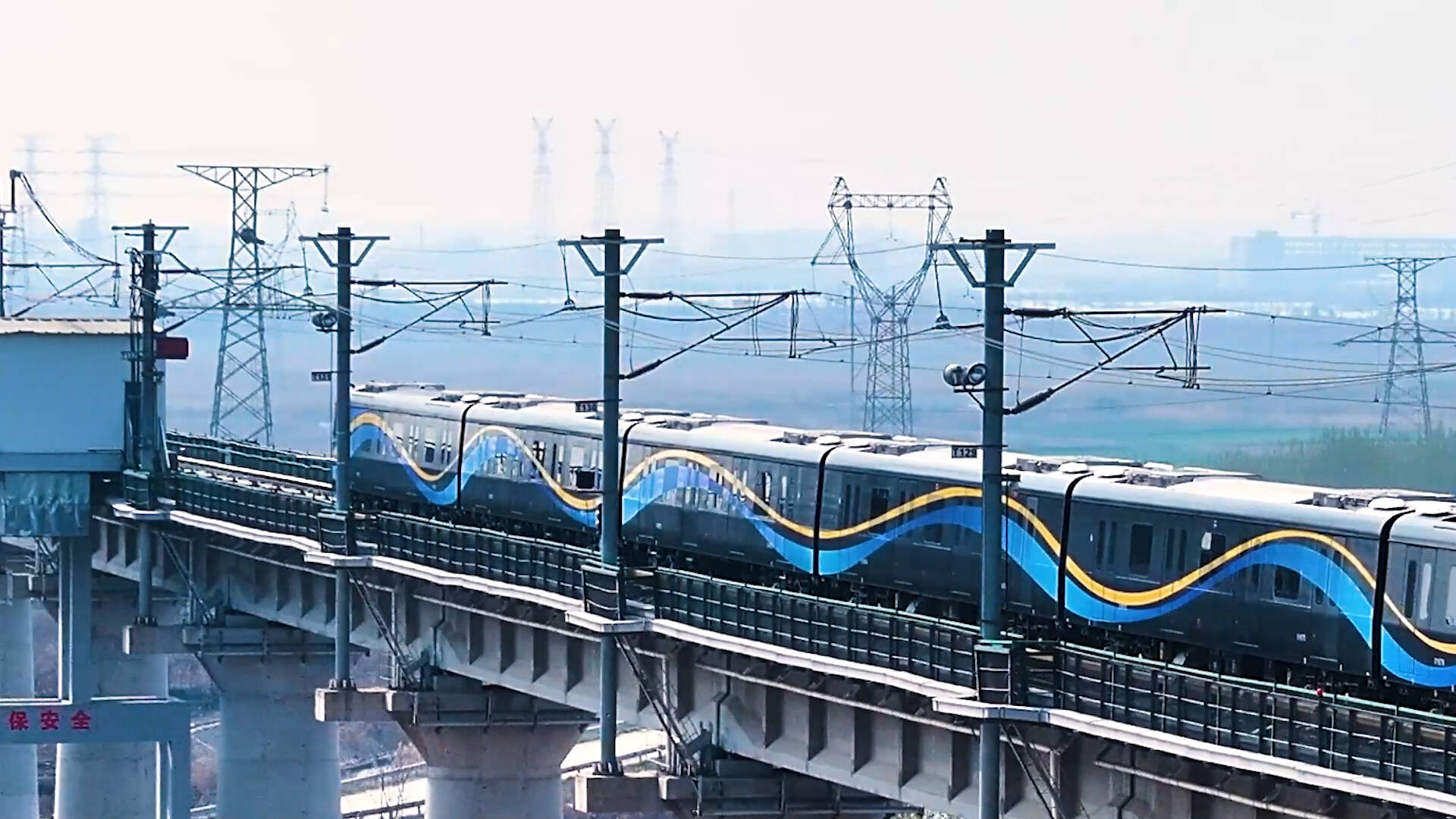
Flame retardant Carbon Fiber Prepreg: Adding phosphorus nitrogen based halogen-free flame retardants, the flame retardant performance reaches UL94 V0 level, with low smoke density and low toxicity during combustion. It is widely used in the interior of rail transit carriages and building fireproof components.
High frequency and high-speed Carbon Fiber Prepreg: optimized resin dielectric properties (dielectric constant ≤ 3.0), with excellent signal transmission characteristics, becoming the core material for 5G base station antennas and high-end server substrates.
4. According to the specifications of the fiber bundle: balance the cost performance of large and small fiber bundles
The thickness of the fiber bundle determines the cost and application positioning of the product
Carbon Fiber Prepreg (≤ 24K): The fibers are delicate and uniform, with high surface smoothness and stable mechanical properties. It is mainly used in aerospace and high-end sports products (such as golf clubs), but the production cost is relatively high.
Carbon Fiber Prepreg (≥ 48K): With high production efficiency and low cost, it is suitable for large-scale applications such as wind turbine blades and building reinforcement. The growing demand for offshore wind turbine blades above 10MW is driving its market expansion.
Core Advantage: Six Core Values for Reshaping Material Performance Boundaries
The reason why Carbon Fiber Prepreg has become the "material cornerstone" of high-end manufacturing is due to its comprehensive advantages in strength, lightweight, adaptability, and other dimensions, which together build its irreplaceable market position.
1. Ultimate specific strength and specific modulus
The strength of Carbon Fiber Prepreg can reach 6-12 times that of steel, while its density is only 1/4 of steel, and its specific strength (strength/density) is more than 5 times that of aluminum alloy. Taking the aerospace industry as an example, aircraft wings made of 36T modulus unidirectional Carbon Fiber Prepreg are 48% lighter and 35% stiffer than aluminum alloy components, directly reducing fuel consumption and takeoff load. In the field of wind power, after using large fiber bundle Carbon Fiber Prepreg for 10MW wind turbine blades, the weight of a single blade can be reduced by 20%, and the power generation efficiency can be improved by 5% -8%.
2. Environmental adaptability across all scenarios
All types of Carbon Fiber Prepreg have excellent weather resistance and stability: in terms of corrosion resistance, they can resist seawater salt spray and chemical medium erosion, and have a service life of more than 15 years in marine ships and chemical equipment, which is 50% longer than traditional metals; In terms of fatigue resistance, under dynamic loads such as car bumps and fan rotation, the fatigue strength retention rate reaches over 88%, far exceeding the industry average of 80%; In terms of thermal stability, the thermal expansion coefficient of thermosetting products is only 1.5 × 10 ⁻⁶/℃, and they can still maintain dimensional stability in extreme temperature difference environments.
3. Highly flexible customization capability
Carbon Fiber Prepreg can achieve full dimensional parameter customization: the resin system can be adjusted according to demand (such as high-temperature resistant resins for aviation and fast curing resins for automobiles), and the uniformity of resin content is controlled within ± 0.5%; The width supports customization of specifications ranging from 1000mm to 1500mm or even wider, reducing the number of splicing times for large components; Functional features can be stacked as needed, such as "flame retardant+anti-static", "high temperature resistance+corrosion resistance" and other composite functions, to meet the multiple needs of special scenarios.
4. Excellent molding and processing performance
Whether it is hot pressing, molding or winding processes, Carbon Fiber Prepreg has good adaptability: strong plasticity, can be made into any shaped parts according to the mold shape, and the dimensional accuracy error after molding is ≤± 0.2mm; the processing process is clean and environmentally friendly, with no large amount of waste generated, and the waste rate is less than 6%, far lower than the traditional metal processing waste rate of 15%; Thermoplastic products can achieve rapid mass production, with a single batch molding time controlled within 20-30 minutes, suitable for the fast-paced needs of the automotive manufacturing industry.
5. Diversified functional expandability
In addition to basic mechanical properties, Carbon Fiber Prepreg also has rich functional attributes: excellent electromagnetic shielding performance, which can be used for military equipment casings; Good thermal conductivity (thermal conductivity can reach 150W/(m · K)), suitable for electronic device heat dissipation components; X-rays have strong transparency and have special applications in the field of medical equipment; Outstanding vibration attenuation performance can reduce the operating noise and wear of automotive chassis and industrial machine tools.
6. Long term cost-effectiveness advantages
Although the initial procurement cost of Carbon Fiber Prepreg is relatively high, its full lifecycle cost advantage is significant: in the field of rail transit, using this material for carriage components can reduce weight by 300kg/car, saving about 50000 kWh of electricity per train per year; In the field of industrial equipment, its corrosion resistance can reduce maintenance frequency and reduce equipment downtime by 40%; The recyclability of thermoplastic products can further reduce raw material waste, which is in line with the trend of green manufacturing.
Process selling point: precise control and value enhancement from raw materials to finished products
The excellence of Carbon Fiber Prepreg lies in its precise production process and strict quality control. Its process system not only ensures product consistency, but also achieves an optimized balance between performance and cost.
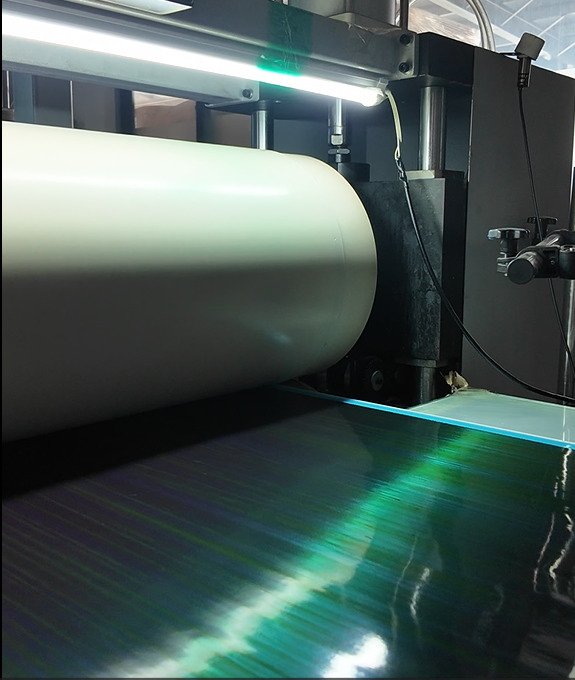
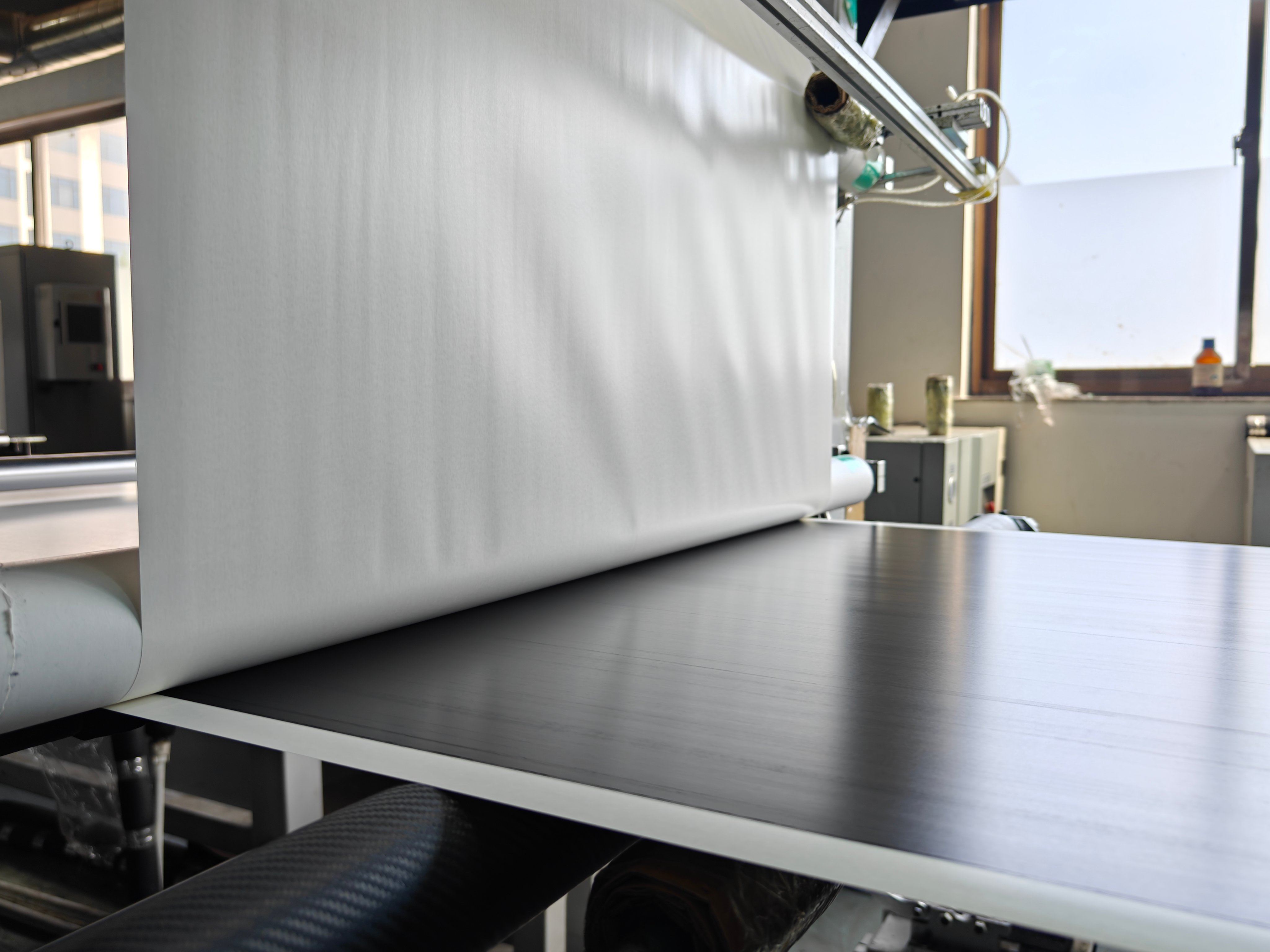
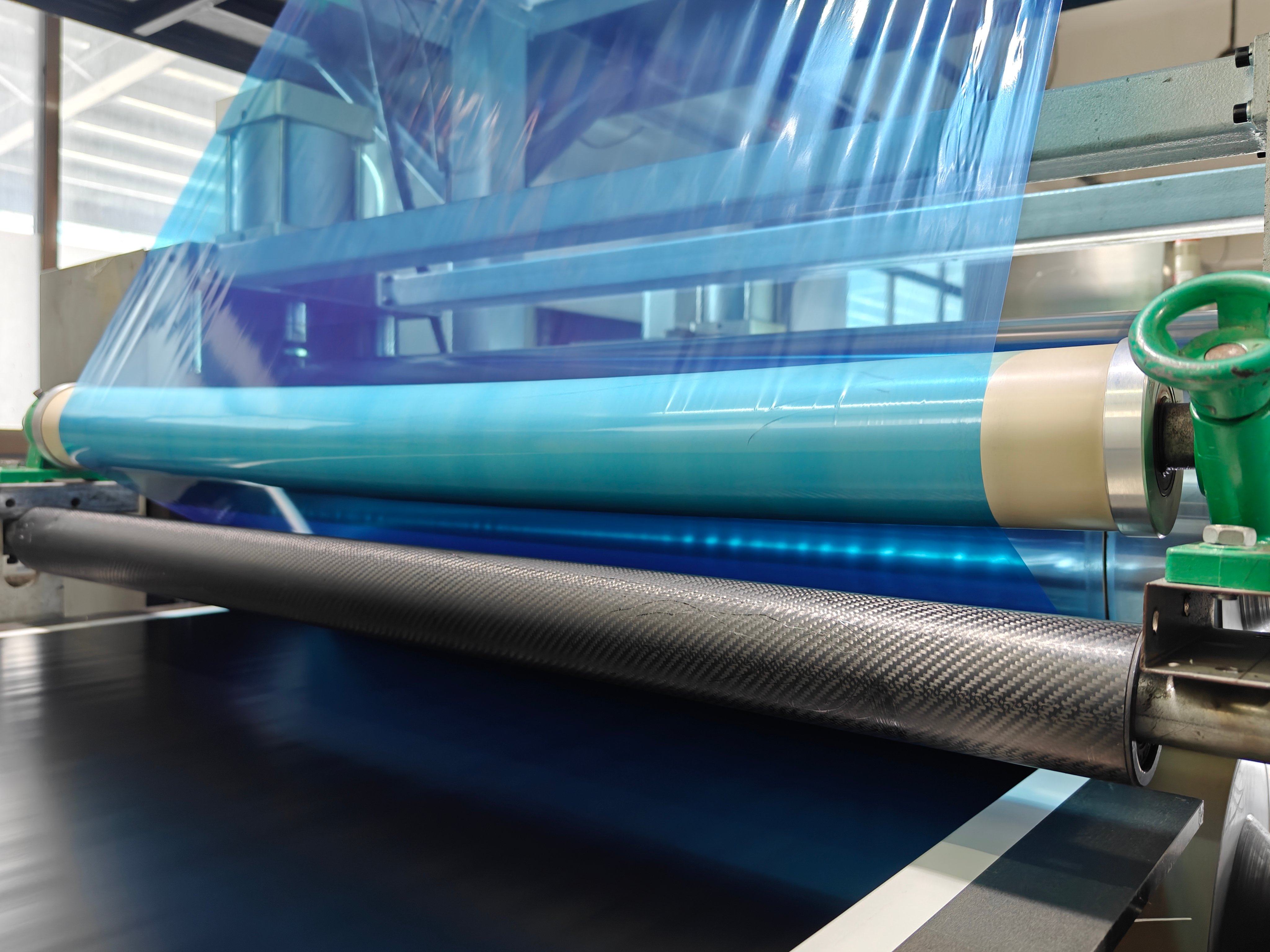
1. Core production process: Dual guarantee of hot melt method and solution immersion method
The two mainstream processes each have their own focus, and can be flexibly selected according to product positioning:
2. Key process control points: the four core links that determine performance
The quality of Carbon Fiber Prepreg depends on the overall process control, of which four links are particularly critical:
3. Trend of Process Innovation: Three Major Directions for Promoting Product Upgrades
The industry continues to improve the performance and cost-effectiveness of Carbon Fiber Prepreg through process innovation:
Copyright © 2025 by Weihai Dushi Composite Material Co.Ltd - Privacy Policy
 EN
EN