EN
EN
A-11 Low temperature curing prepreg
In the manufacturing of large-scale composite structural components in the fields of new energy vehicles, wind power, high-speed rail, etc., the balance between "efficient molding" and "stable performance" has always been an industry challenge
- Overview
- Recommended Products
Low temperature cured carbon fiber prepreg: an efficient molding solution for the fields of new energy and rail transit
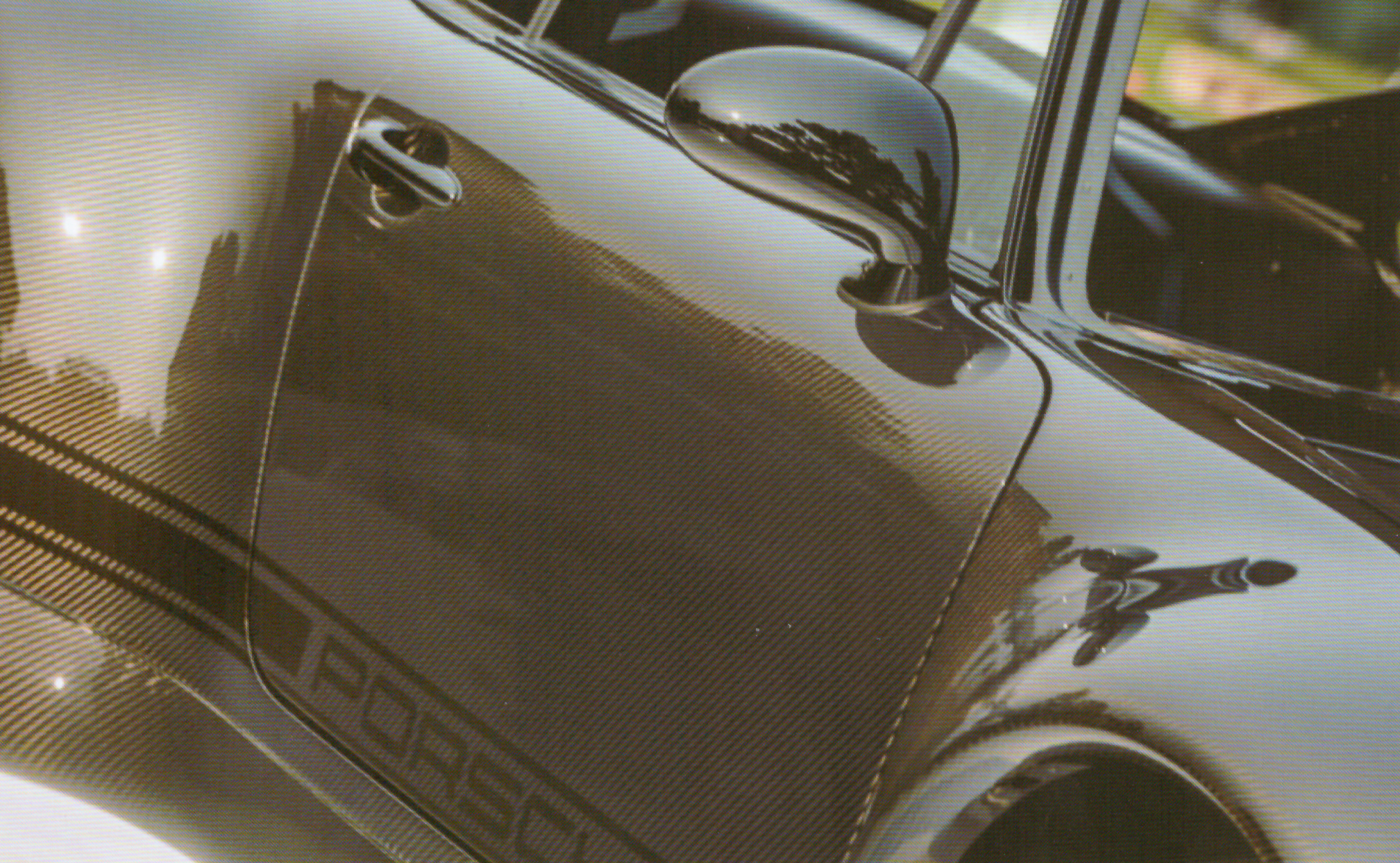
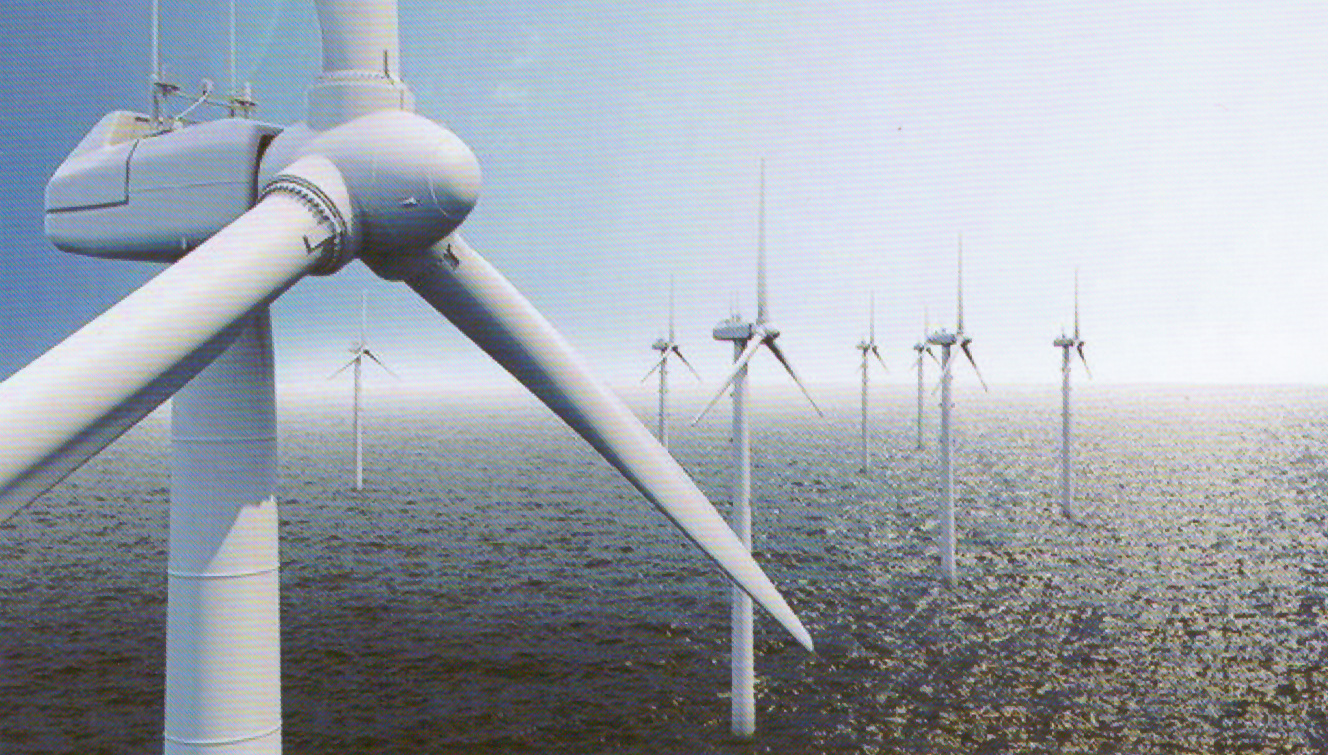
The balance between "efficient molding" and "stable performance" has always been a challenge in the manufacturing of large-scale composite structural components in the fields of new energy vehicles, wind power, high-speed rail, and others. Our low-temperature cured carbon fiber prepreg is based on two curing temperature series, 80 ℃ and 90 ℃, covering two forms of unidirectional carbon fiber prepreg and carbon fiber fabric prepreg. With excellent wettability, excellent flexibility, and high mechanical properties, it is compatible with both hot press and non hot press molding processes. Provide low-energy, high-efficiency, and high-quality material choices for large structural components such as new energy vehicle battery pack covers, wind turbine blades, and high-speed rail body parts, breaking the limitations of traditional high-temperature curing prepreg in terms of molding cost and process adaptability.
Core advantage: Triple breakthrough of low energy consumption molding, high adaptability, and stable performance
1. Low temperature curing at 80 ℃/90 ℃ significantly reduces production energy consumption and costs
Compared to traditional carbon fiber prepreg with curing temperatures above 120 ℃, the two core series of this product (80 ℃ curing series and 90 ℃ curing series) fundamentally reduce energy consumption during the molding process. Taking the production of new energy vehicle battery pack cover plates as an example, when using the 80 ℃ curing series, the energy consumption of single batch molding is reduced by more than 40% compared to traditional high-temperature prepreg; Although the 90 ℃ curing series has slightly higher energy consumption, it is compatible with more resin systems to meet the higher mechanical performance requirements of wind turbine blades and high-speed rail body components.
Low temperature curing not only reduces energy consumption costs, but also reduces equipment wear and production risks. On the one hand, a low-temperature environment can extend the service life of heating equipment (such as hot press cans and molding machines) and reduce the maintenance costs of enterprise equipment; On the other hand, to avoid material thermal deformation caused by high temperatures, it is particularly suitable for large structural components such as wind turbine blades over 10 meters long. Low temperature curing can reduce temperature stress in different areas, reduce the probability of cracking and warping of the formed parts, and at the same time, the low-temperature curing process does not require long preheating time, shortening the production cycle of a single batch by 25%, adapting to the production rhythm of "scale and fast delivery" in industries such as new energy vehicles and wind power.
2. Multi form product coverage, adapted to the performance requirements of different structural components
The product family includes unidirectional carbon fiber prepreg and carbon fiber fabric prepreg, which can be flexibly selected according to the stress characteristics and forming requirements of structural components in different fields, achieving the design advantage of "on-demand matching".
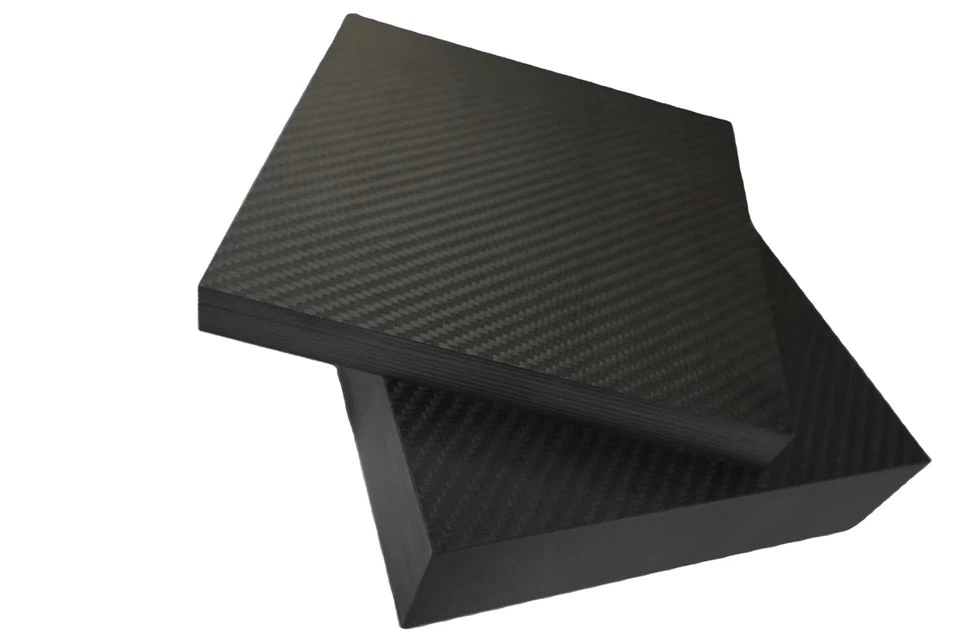
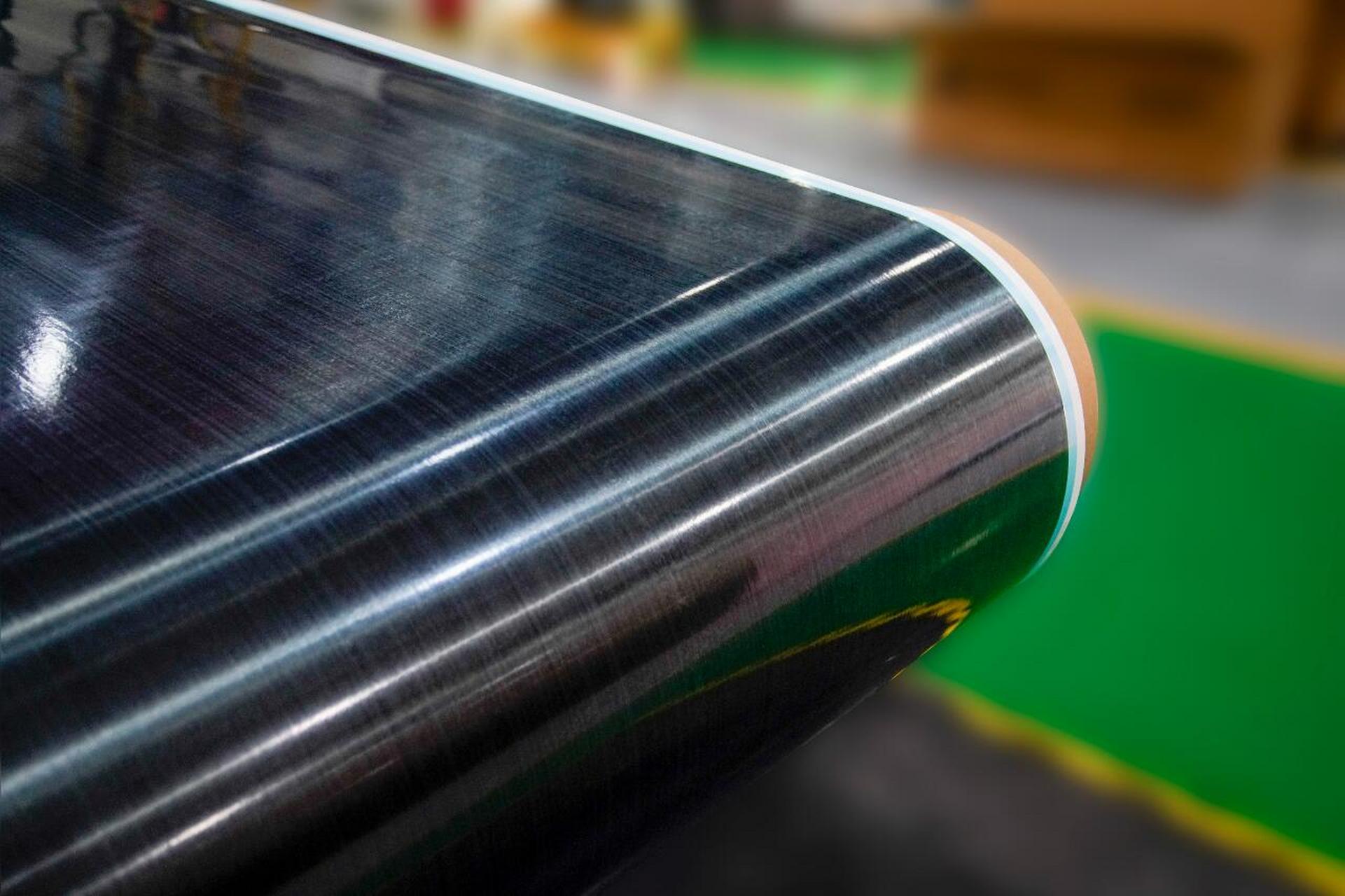
Unidirectional carbon fiber prepreg: It adopts high straightness carbon fiber unidirectional arrangement, with fiber direction consistency of over 99.5%, and outstanding axial mechanical properties. Suitable for structural components that need to withstand unidirectional loads, such as the load-bearing crossbeam of new energy vehicle battery pack cover plates, the main beam of wind turbine blades, and the longitudinal support components of high-speed rail bodies. Its density is strictly controlled at no less than 5% to ensure uniform fiber distribution. The 0 ° tensile strength can reach over 1700MPa, and the 0 ° tensile modulus exceeds 115GPa, which can meet the core requirements of "lightweight+high strength" for large structural components.
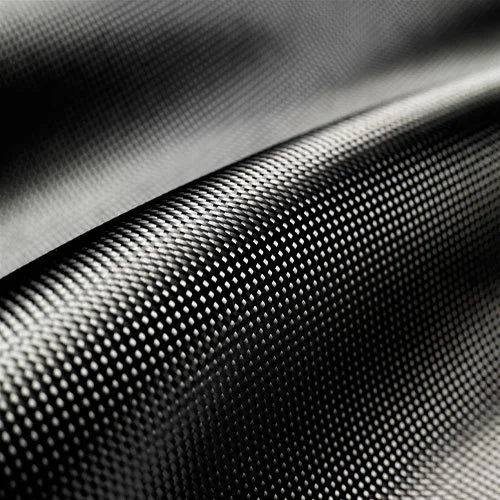
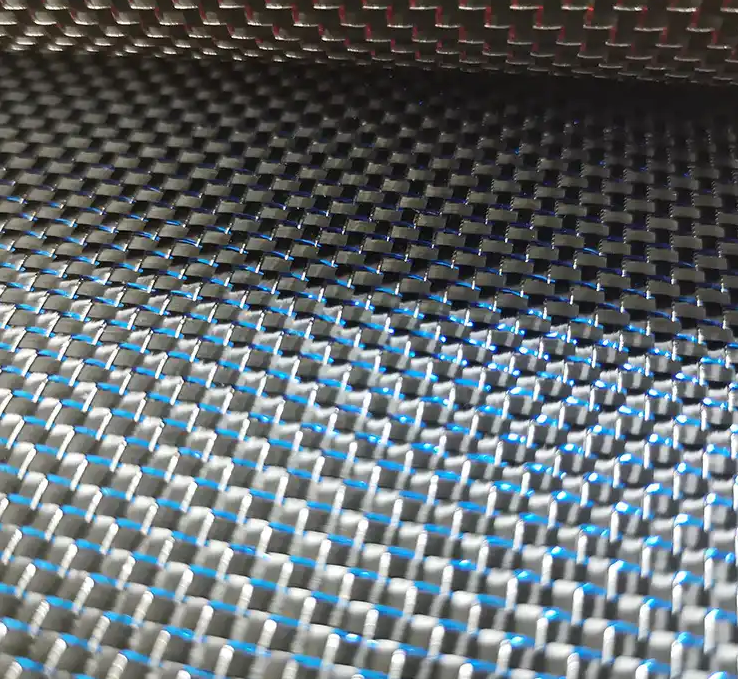
Carbon fiber fabric prepreg: Based on plain and twill fabrics, it has excellent in-plane isotropic properties and stronger impact and shear resistance. Suitable for components with complex shapes and requiring multi-directional force, such as chassis guards for new energy vehicles, blade roots for wind turbines, and interior frames for high-speed trains. The fabric structure enhances the flexibility of the pre impregnated material, allowing it to closely adhere to complex mold surfaces. After molding, the surface smoothness of the parts is high, without the need for additional polishing treatment, further reducing production process costs.
Two forms of prepreg can be used separately or combined for layering. For example, wind turbine blades can adopt a design of "unidirectional prepreg (main beam)+fabric prepreg (blade root)", which balances axial strength and root shear resistance, fully leveraging the advantages of different forms of products.
3. Excellent wettability and conformity ensure the quality of forming large structural components
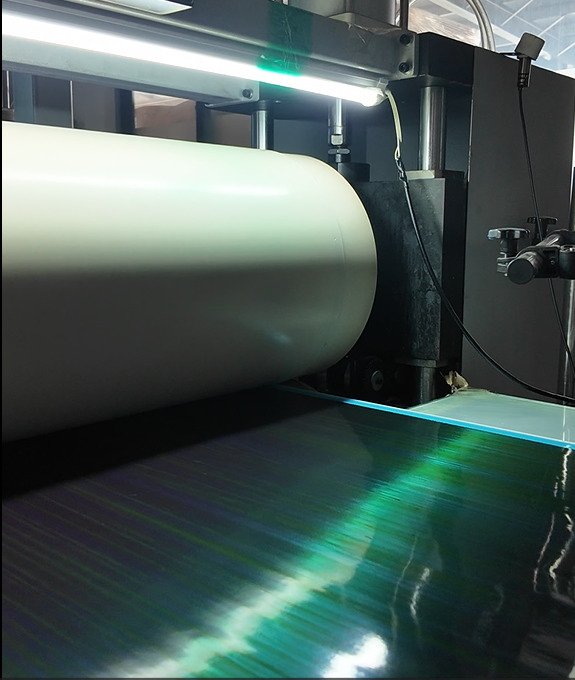
This low-temperature cured carbon fiber prepreg achieves full encapsulation of carbon fibers by optimizing the resin formula and infiltration process. The resin system uses modified epoxy resin, which has good fluidity and high compatibility with carbon fibers. It can penetrate into every carbon fiber bundle, reducing interface bubbles and defects, and achieving an infiltration uniformity of over 99%. Excellent wettability not only improves the mechanical properties of composite materials, but also enhances environmental stability. In the high and low temperature cycles of new energy vehicles (-40 ℃~85 ℃) and outdoor humid and hot environments of wind power, the mechanical performance retention rate of components can still reach over 88%.
Conformity and fit are key indicators for the formation of large structural components, and this product performs outstandingly in this regard. Whether it is a flat new energy vehicle battery pack cover or a complex curved high-speed rail body component, the prepreg can tightly adhere to the mold surface without wrinkles or bubbles. Taking the formation of high-speed rail body side wall panels (with a radius of curvature of more than 2 meters) as an example, when carbon fiber fabric prepreg is used, the adhesion degree reaches 99.2%, and the dimensional error of the formed components is controlled within ± 0.5mm, far below the industry standard of ± 1mm, reducing the adjustment process during subsequent assembly.
4. Compatible with both hot press and non hot press processes, reducing the threshold for production equipment
In response to the differences in equipment configuration among different enterprises, the product is perfectly compatible with both hot press can forming and non hot press can forming processes (such as compression molding and vacuum bag forming), without the need for additional equipment modification by enterprises, greatly reducing production barriers.
Hot press molding: suitable for components that require extremely high precision and performance, such as key structural components of high-speed rail bodies. The uniform pressure (0.5~1.5MPa) and temperature control of the hot press can further improve the wetting effect of the prepreg, reduce internal defects, and ensure that the mechanical performance fluctuation of the molded parts is less than 3%, meeting the strict standards of high-end equipment.
Non hot press molding: such as compression molding, suitable for mass production of new energy vehicle battery pack cover plates and wind turbine blades, with low equipment investment costs and high production efficiency; Vacuum bag molding is suitable for small batch and large-scale components (such as wind turbine blades over 15 meters), which achieve resin flow and exhaust through vacuum negative pressure, reducing molding costs by 30% compared to hot press tank technology.
Under both processes, the product can maintain a stable curing effect - the 80 ℃ curing series only takes 60 minutes to cure in vacuum bag molding; The 90 ℃ curing series can shorten the curing time to 45 minutes in compression molding, balancing efficiency and quality.
5. Differentiated design, building market competition barriers
Among the low-temperature curing prepreg products of the same category, on the one hand, differentiated innovation is carried out in the resin formula, fiber selection and curing system - for example, unique anti-aging ingredients are added to the resin, so that the service life of the product in the outdoor environment of wind power is extended to more than 20 years, far beyond the average life of similar products of 15 years; On the other hand, we provide flexible customized services that can adjust the curing temperature (such as 85 ℃ customized models), fiber surface density (from 100g/㎡ to 800g/㎡ full coverage), and resin content (35%~50% adjustable) according to customer needs, to meet the personalized needs of different segmented scenarios such as new energy vehicles, wind power, and high-speed rail, and avoid price pressure caused by homogeneous competition.