EN
EN
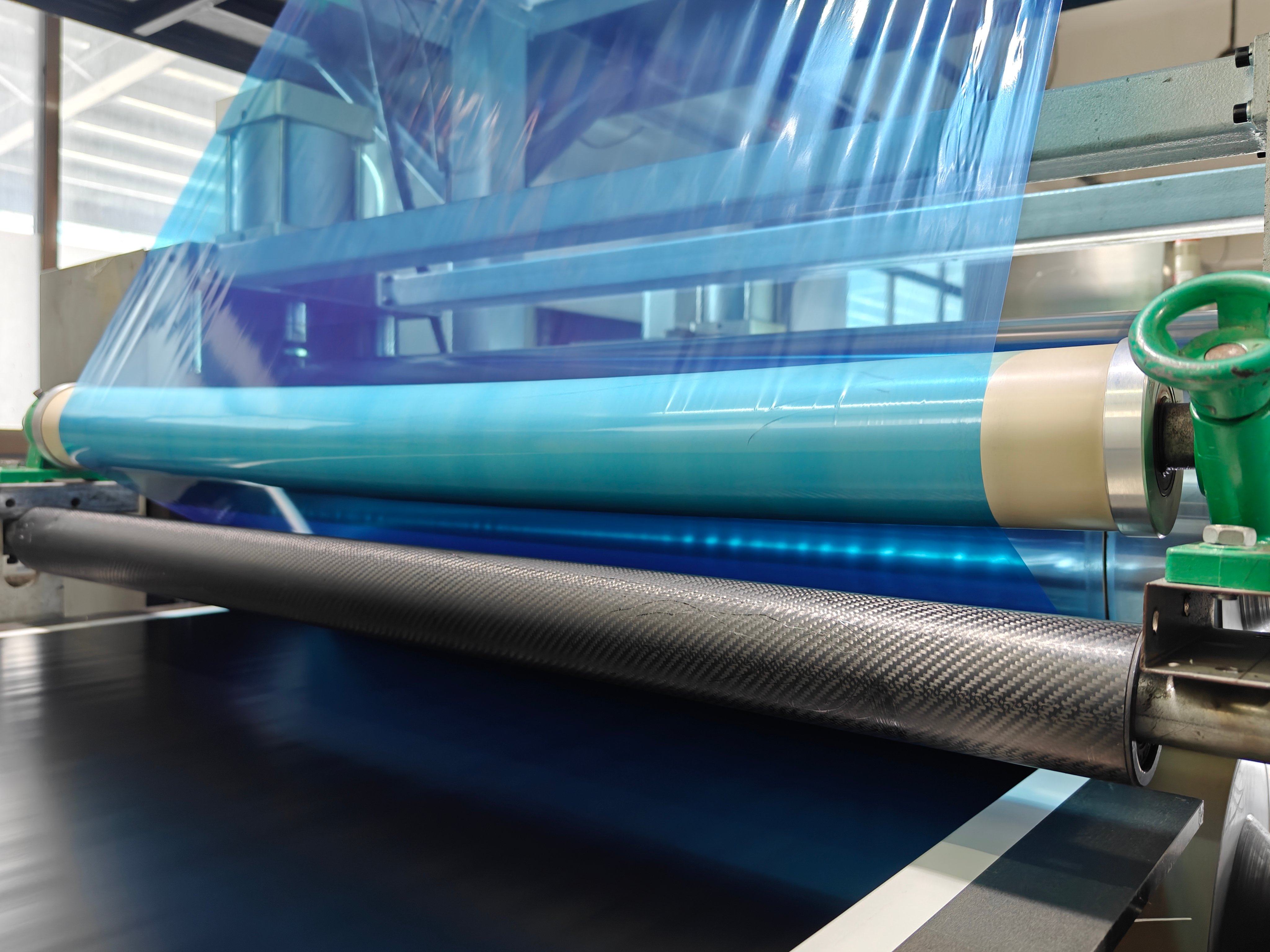
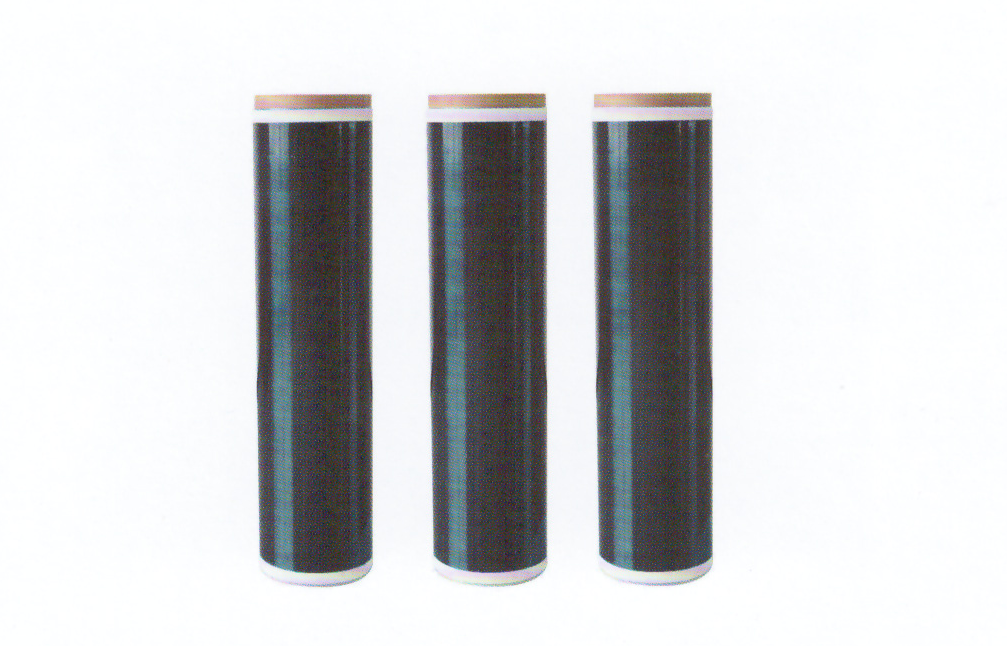
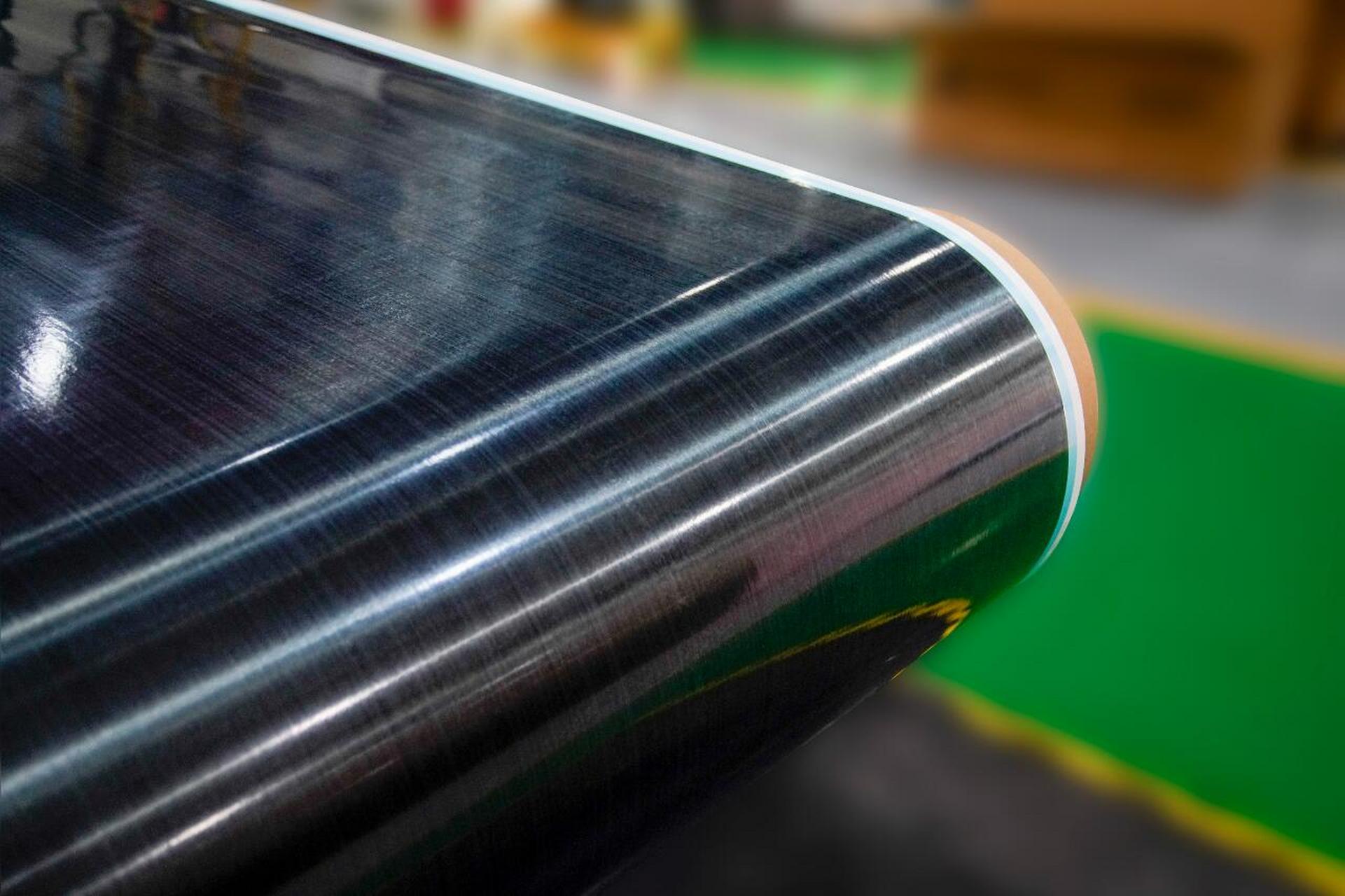
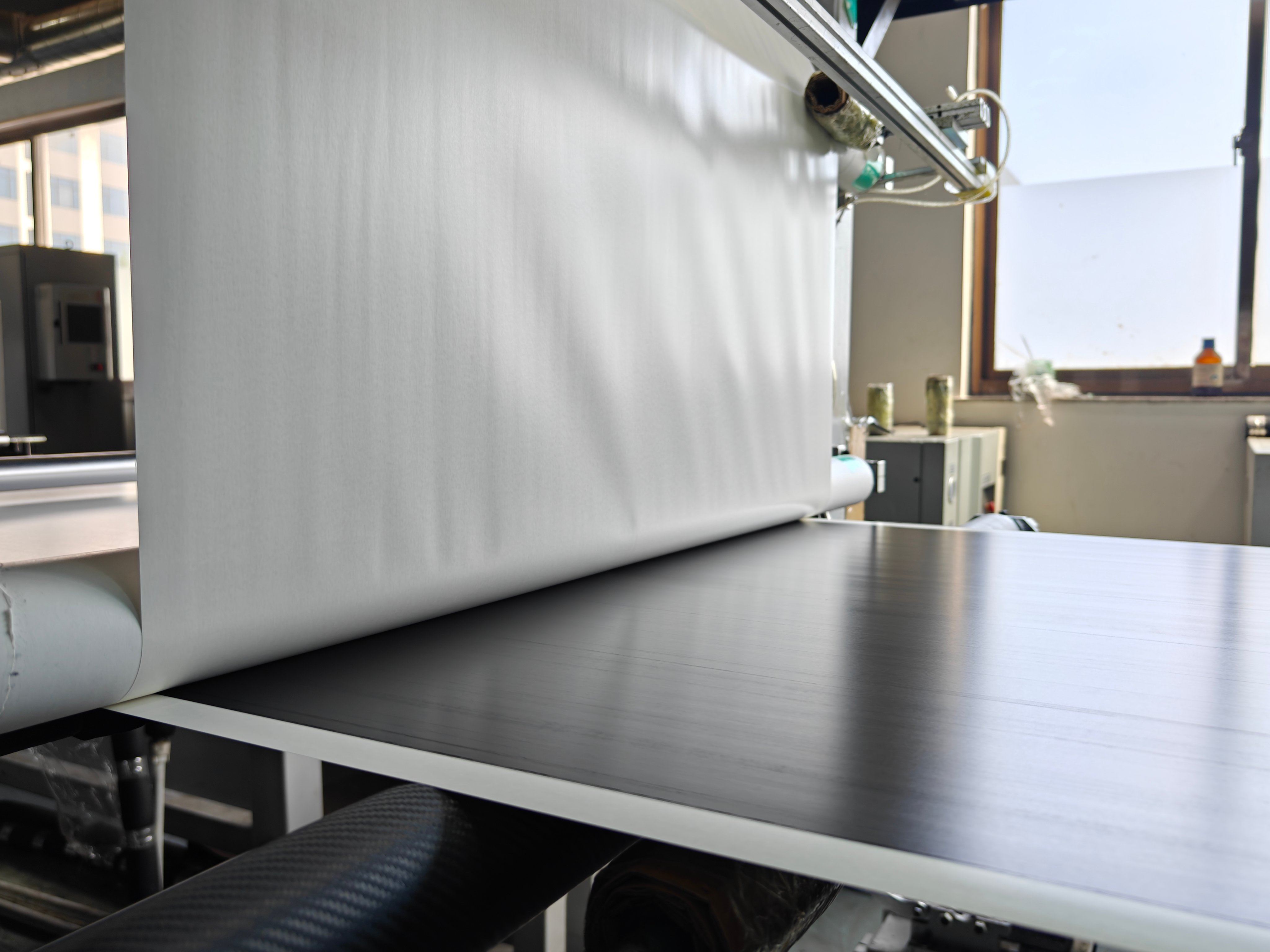
A-16 UHN-46T UD Carbon fiber prepreg
In fields such as aerospace, high-end automobiles, and industrial equipment that require extreme material performance, UHN-46T unidirectional carbon fiber prepreg has become the core solution with its "ultra-high modulus+full field adaptability".
- Overview
- Recommended Products
- 25 grams/square meter, 30 grams/square meter ultra-thin specifications: focusing on "ultimate lightweight", suitable for precision components that are sensitive to weight, such as high-end fishing rods and golf club shafts. Taking 25 grams of carbon fiber prepreg as an example, the fishing rod made of it weighs 20% less than ordinary carbon fiber rods, and has better toughness, which can withstand greater fish body tension without easily breaking; The 30g specification is suitable for ski poles, which reduces the weight burden on athletes during swing while ensuring anti bending performance, and improves the flexibility of movements.
- 54g/㎡, 100g/㎡ medium specifications: balancing lightweight and structural stability, suitable for the automotive industry and rail transit fields, such as sports car door interior panels and subway seat frames. The car door components made of 54 grams of carbon fiber prepreg have a weight reduction of 45% compared to metal components, and an impact resistance improvement of 30%; The 100g specification is used for subway seat frames, which can reduce the weight of the vehicle while ensuring high rigidity to prevent structural deformation during long-term use.
- 200g/㎡ high weight specification: focusing on "high-strength load-bearing", suitable for core structural components of aerospace and industrial equipment, such as aircraft tail fins and high-pressure pipelines. The aircraft tail made of it can withstand extreme airflow impacts and maintain stable performance in high-altitude and low-temperature environments; When used for high-pressure pipelines, seamless molding can be achieved through winding technology, with a pressure tolerance of over 50MPa, meeting the needs of industrial high-pressure transportation.
- Vibration attenuation and wear resistance: The product has excellent vibration attenuation performance, which can effectively absorb vibration energy, reduce noise and component wear in components that are prone to vibration such as automotive chassis and industrial machine tools; The friction coefficient is only 0.15 (about 0.5 for ordinary metals), and the wear resistance is 25% higher than that of ordinary carbon fiber prepreg. It is suitable for mechanical joints and transmission components with frequent friction.
- Corrosion resistance and long service life: The resin system adopts acid and alkali resistant modified formula, and its service life can reach more than 15 years in corrosive environments such as marine ships and chemical equipment, which is 50% longer than ordinary carbon fiber prepreg. For example, when used for ship deck support structures, it can resist seawater salt spray erosion and avoid structural failure caused by material aging.
- High plasticity and ease of processing: The product can be made into any shaped part according to the mold shape, whether it is the complex curved surface of the aircraft cabin wall or the streamlined structure of the sports car chassis, it can tightly fit the mold, and the dimensional accuracy error after molding is controlled within ± 0.2mm. At the same time, the fibers are not prone to fuzzing or delamination during the processing, and the waste rate is less than 5%, far below the industry average of 10%, reducing production costs.
- In the aerospace field, high-temperature resistant resin is used to maintain stable performance of the prepreg in high temperature environments above 150 ℃, which is suitable for the use of peripheral components of aircraft engines.
- In the automotive industry, fast curing resins are used to shorten the curing time to less than 30 minutes and improve the mass production efficiency of sports car components.
- In the fields of ocean and chemical engineering, corrosion-resistant resins are used to enhance the resistance of materials to seawater and chemical reagents, and extend the service life of equipment.
- In the field of high-end cultural and sports supplies, high toughness resin is used to enhance the impact and bending resistance of the product. For example, the golf club shaft can buffer the impact force through resin toughness in case of accidental impact, avoiding fracture.
- Technological differentiation: The independently developed fiber surface treatment process increases the bonding strength between carbon fiber and resin by 40%, avoiding the interface peeling problem that is prone to occur in traditional prepreg; The fiber selection with a modulus of 46GPa leads in performance among products in the same category and is compatible with 40T level scenarios, covering a wider range of market demands.
- Service differentiation: In addition to customized specifications and resins, we also provide supporting process support, such as providing optimization solutions for hot press molding parameters for aerospace customers, and providing molding process guidance for automotive customers to help them quickly implement production and reduce technical barriers.
- Cost differentiation: Through large-scale production and process optimization, while ensuring high performance, the cost of commonly used specifications such as 25g and 30g is controlled below the industry average by 15%, providing customers with a choice of "high performance+high cost-effectiveness" and avoiding price pressure caused by homogeneous competition.
UHN-46T unidirectional carbon fiber prepreg: a benchmark material for lightweight and strong toughness in the high-performance field
In fields such as aerospace, high-end automobiles, and industrial equipment that require extreme material performance, UHN-46T unidirectional carbon fiber prepreg has become the core solution with its "ultra-high modulus+full field adaptability". This product has a core performance index of 46GPa fiber modulus (46TON), covering multiple specifications of carbon fiber surface densities such as 25g, 30g, 54g, 100g, 200g, etc. It supports customization of widths ranging from 1 meter to 1.2 meters, and the resin system can be adjusted as needed. It is also compatible with the performance standards of 40T unidirectional carbon fiber prepreg. The product strictly follows the performance bottom line of density not less than 5%, and the repeatability of products in the same category is not higher than 70%. It has core advantages such as high strength, low density, and strong fatigue resistance, and can also meet the needs of irregular parts through flexible shaping, providing a dual guarantee of "lightweight+high-strength" for aircraft load-bearing structures, sports car bodies, high-end cultural and sports products, etc., breaking the balance limitations of traditional materials in performance and process adaptability.
Core advantages: Multi dimensional value of performance breakthroughs, flexible customization, and full scene adaptation
1. 46GPa ultra-high modulus, defining the strength benchmark for high-performance materials
The core competitiveness of UHN-46T unidirectional carbon fiber prepreg lies in its fiber modulus of 46GPa (46TON), which far exceeds that of ordinary unidirectional carbon fiber prepreg and is even compatible with the performance scenarios of 40T unidirectional carbon fiber prepreg. It can achieve higher stiffness with lighter weight in load-bearing structural components. The unidirectional fiber arrangement design (with a fiber direction consistency of 99.8%) fully unleashes the axial mechanical properties of carbon fiber. After testing, the product's 0 ° tensile strength can reach over 2800MPa, which is 35% higher than that of ordinary 30T unidirectional carbon fiber prepreg; The bending strength exceeds 2200MPa, and under long-term dynamic loads such as aircraft flight vibrations and high-speed driving bumps, the fatigue strength retention rate still exceeds 90%, far higher than the industry average of 80%.
At the same time, the product density is strictly controlled at no less than 5% to ensure that carbon fibers are evenly distributed in the prepreg, without any weak performance points caused by local fiber sparsity. Taking aircraft wing components in the aerospace field as an example, after using UHN-46T unidirectional carbon fiber prepreg, the weight of the components is reduced by more than 50% compared to traditional aluminum alloys, while the stiffness is increased by 40%, directly reducing aircraft fuel consumption and takeoff weight; In the application of high-pressure vessels in industrial equipment, their high-strength characteristics can reduce the wall thickness of the vessel by 30%, while withstanding higher pressures, meeting the dual requirements of safety and efficiency in industrial production.
2. Multi specification surface density coverage, accurately matching performance requirements of different scenarios
The product is built around the "carbon fiber surface density" to create a rich specification system, ranging from ultra-thin 25 grams/square meter to heavy-duty 200 grams/square meter. It can be flexibly selected according to the weight and strength requirements of different components in different fields, achieving efficient adaptation of "on-demand material selection":
All specifications support customization with a width of 1 meter to 1.2 meters, reducing the number of splicing times in the production of large components and lowering process costs and quality risks.
3. Full dimensional performance advantages, suitable for complex service environments
In addition to core mechanical properties, UHN-46T unidirectional carbon fiber prepreg also has multidimensional performance advantages, which can cope with complex usage scenarios in different fields:
4. Customization of resin system to meet scenario specific performance requirements
Different from traditional pre impregnated materials with fixed formulas, UHN-46T unidirectional carbon fiber pre impregnated materials support resin system adjustment as needed, and can optimize performance according to the special needs of different fields:
Customized resin systems not only expand the application boundaries of products, but also ensure optimal performance in each scenario, avoiding performance redundancy or deficiencies caused by "one size fits all" materials.
5. Differentiated design, building market competition barriers
Among unidirectional carbon fiber prepreg products in the same category, UHN-46T establishes core competitiveness: