EN
EN
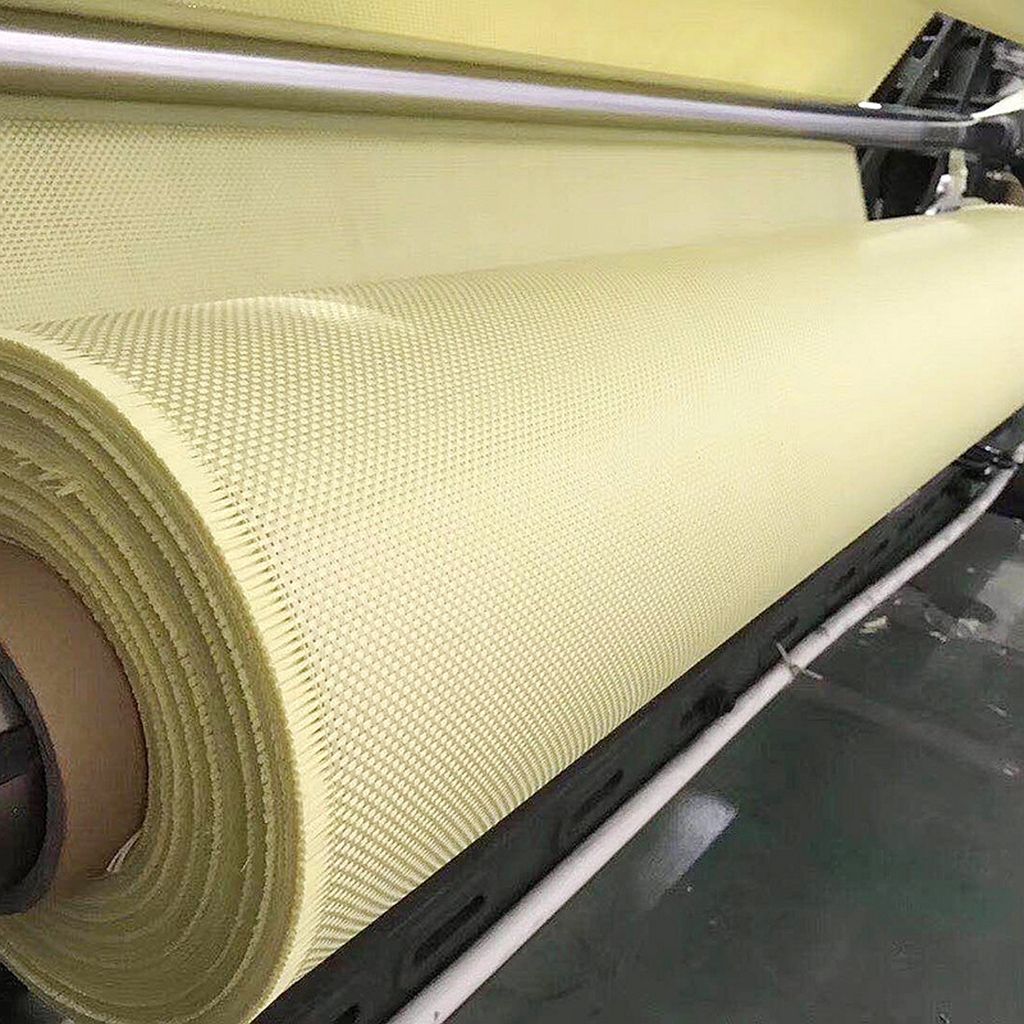
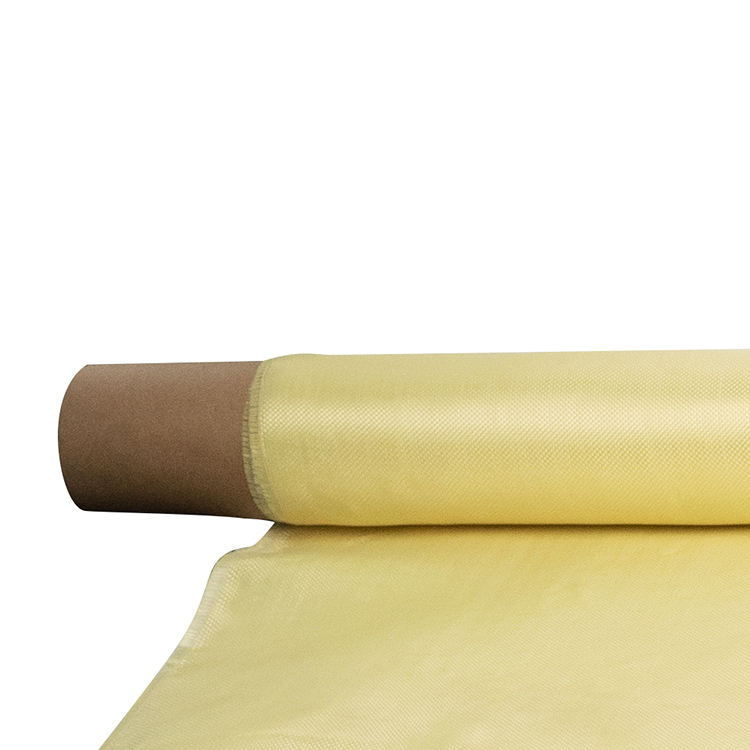
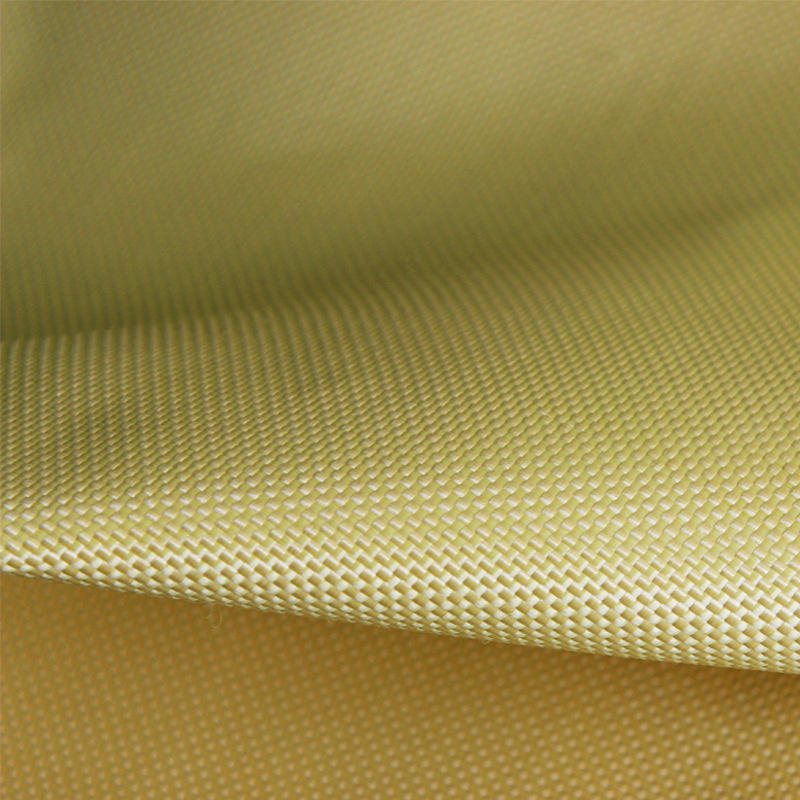
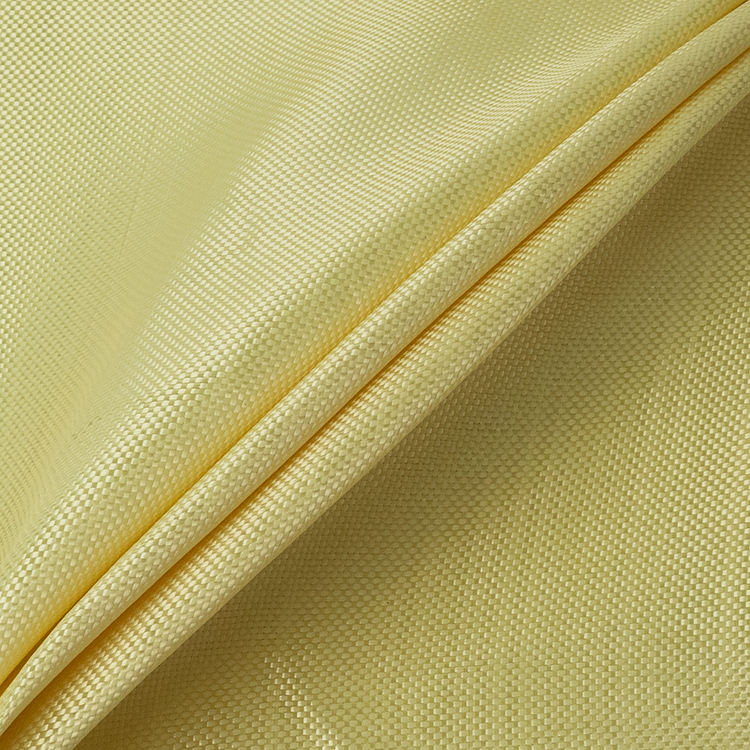
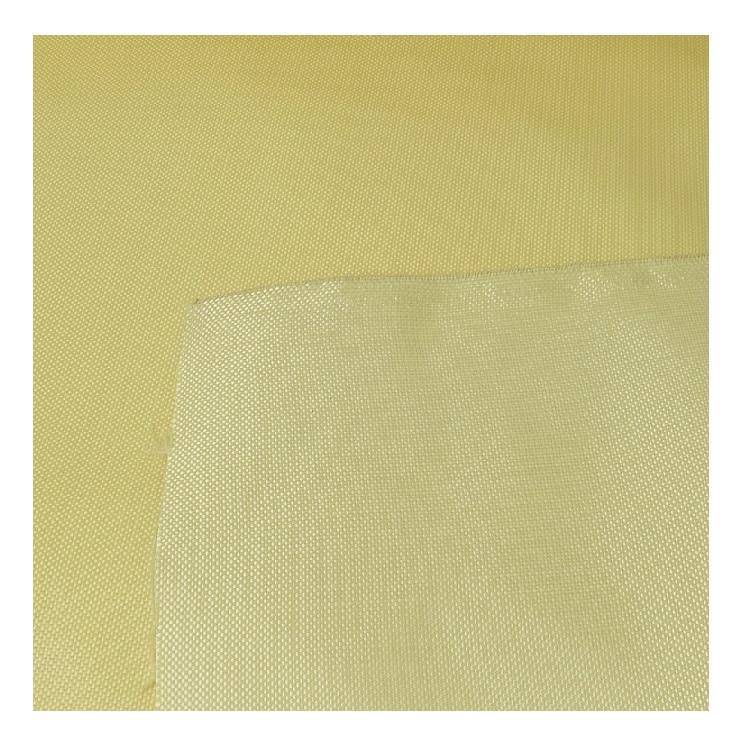
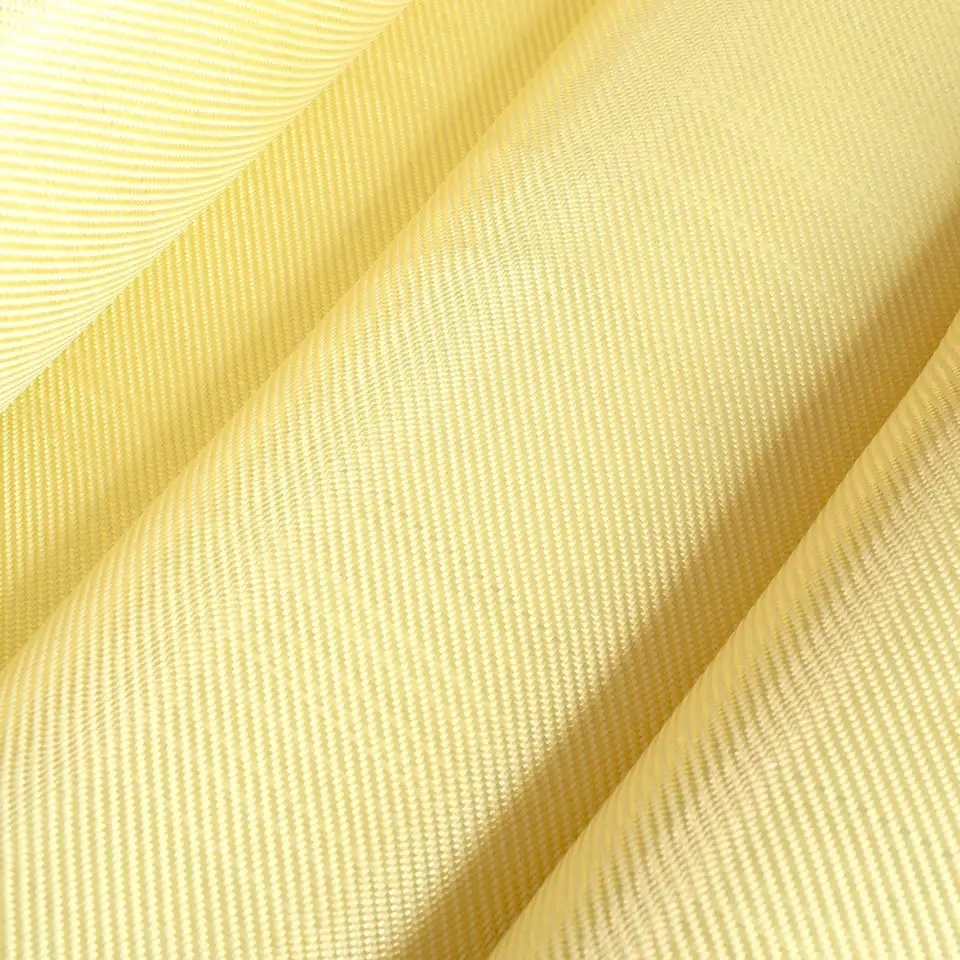
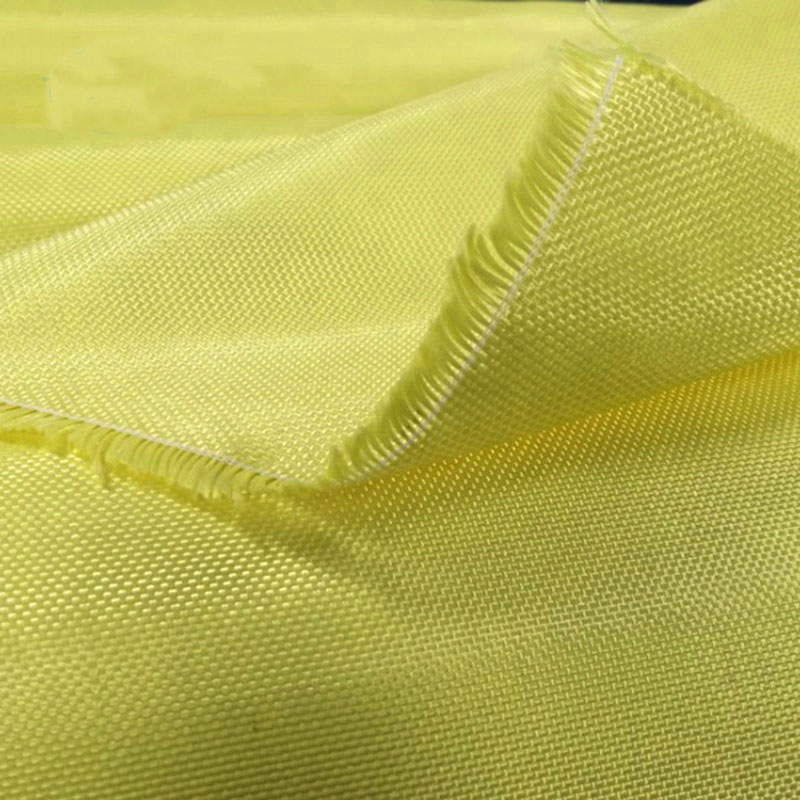
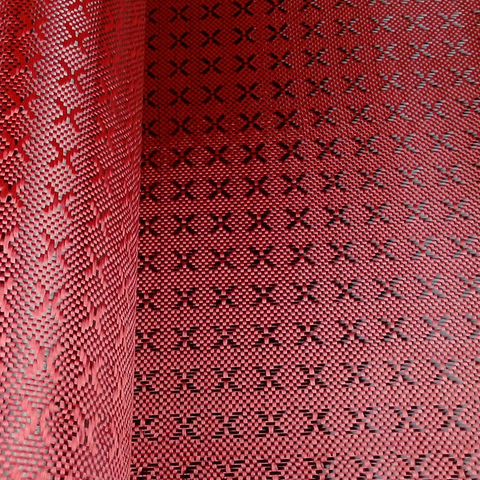
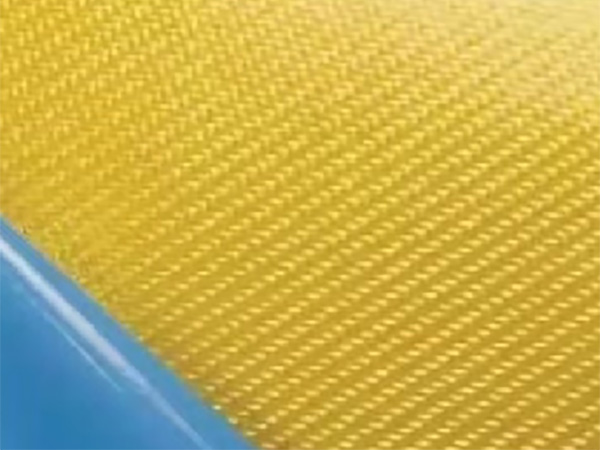
Aramid fiber fabric
In fields such as aerospace, rail transportation, ocean engineering, and high-end equipment manufacturing that have strict requirements for material performance, aramid fiber prepreg has become the preferred solution to replace traditional metal materials and ordinary composite materials due to its excellent comprehensive performance.
- Overview
- Recommended Products
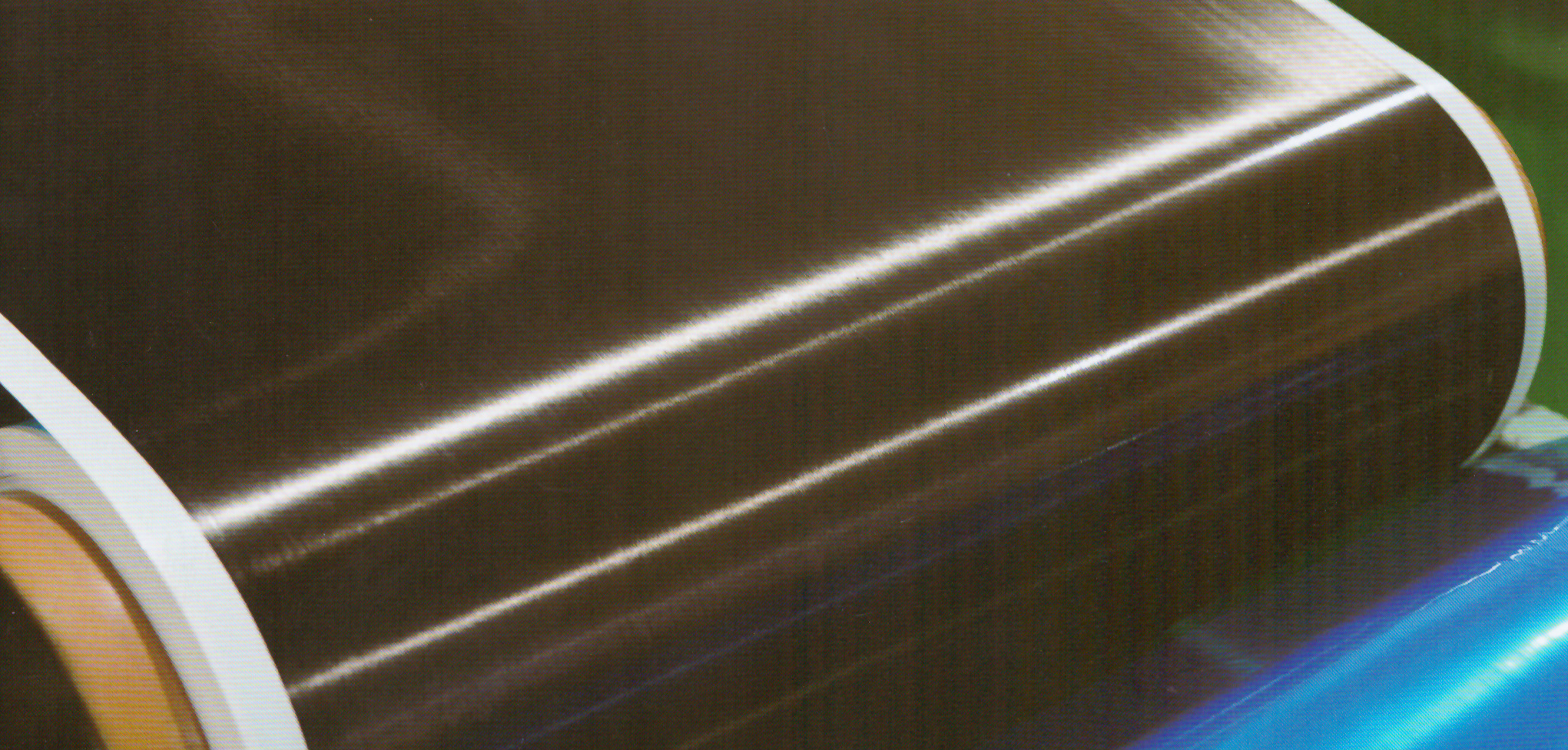
Aramid fiber prepreg: a benchmark for impact resistance and weather resistance in the field of high-performance composite materials
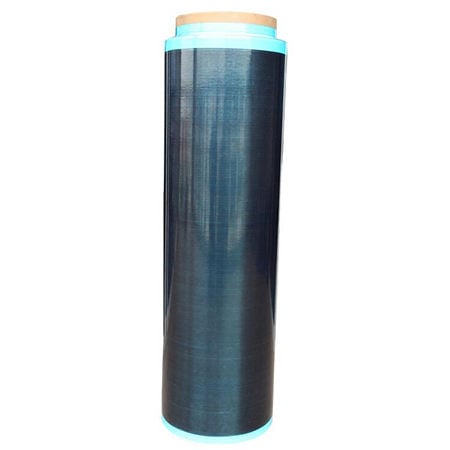
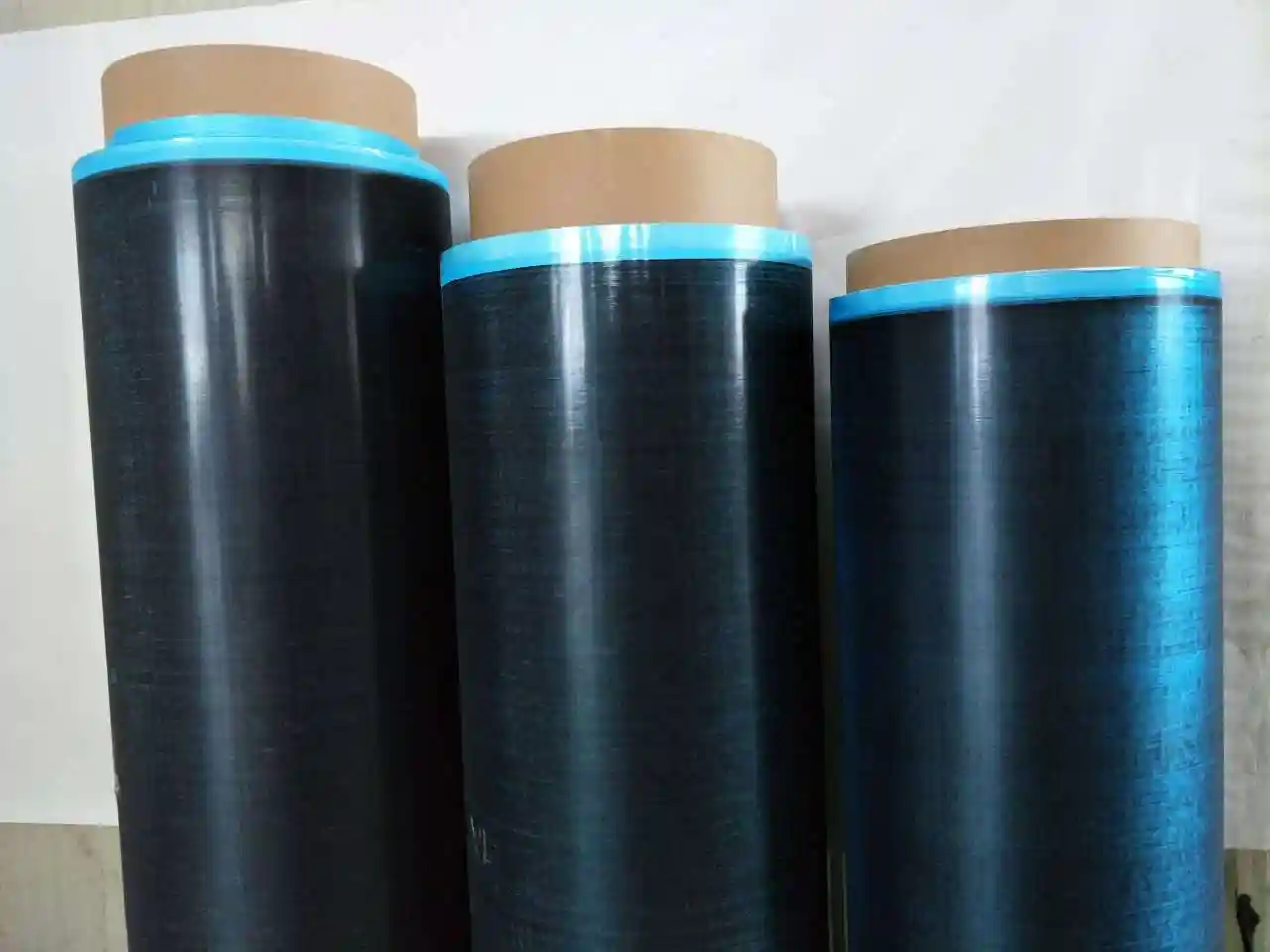
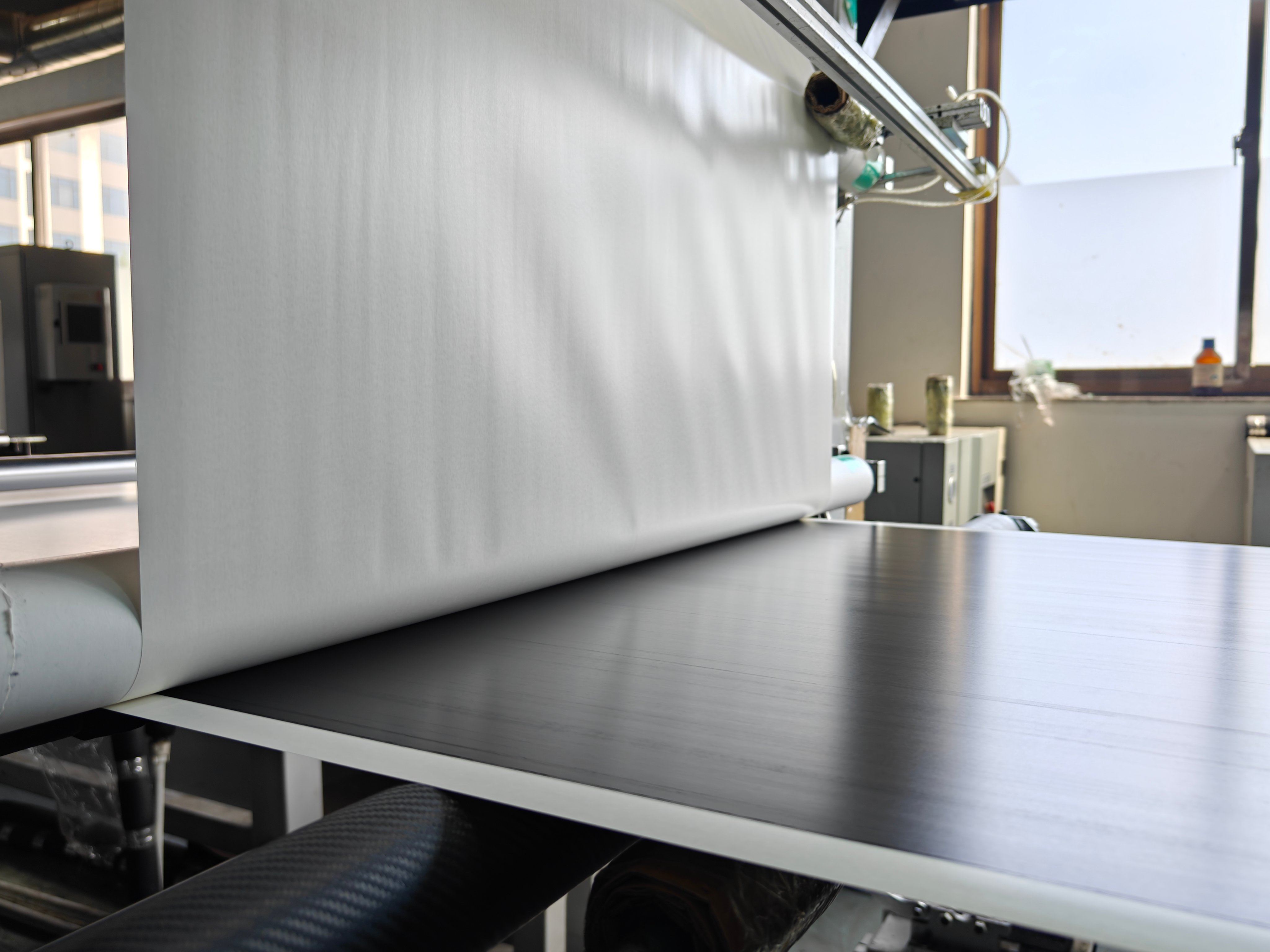
In fields such as aerospace, rail transportation, ocean engineering, and high-end equipment manufacturing that have strict requirements for material performance, aramid fiber prepreg has become the preferred solution to replace traditional metal materials and ordinary composite materials due to its excellent comprehensive performance. As an advanced material composed of Aramid fiber fabric and high-performance resin matrix through a special process, it not only perfectly inherits the high strength and high modulus characteristics of Aramid fiber itself, but also achieves the synergistic improvement of impact resistance, thermal stability, and environmental adaptability through the infiltration and curing of the resin matrix. Among them, Aramid fiber fabric has a density ratio of no less than 5% in the material composition, which ensures the full utilization of the excellent mechanical properties of the fibers and the tight bonding with the resin matrix, laying a solid foundation for the overall performance of the material. Whether facing impact loads under extreme working conditions or corrosion erosion in complex environments, aramid fiber prepreg can demonstrate stable and reliable performance, providing core material support for the safe operation and extended service life of various high-end equipment.
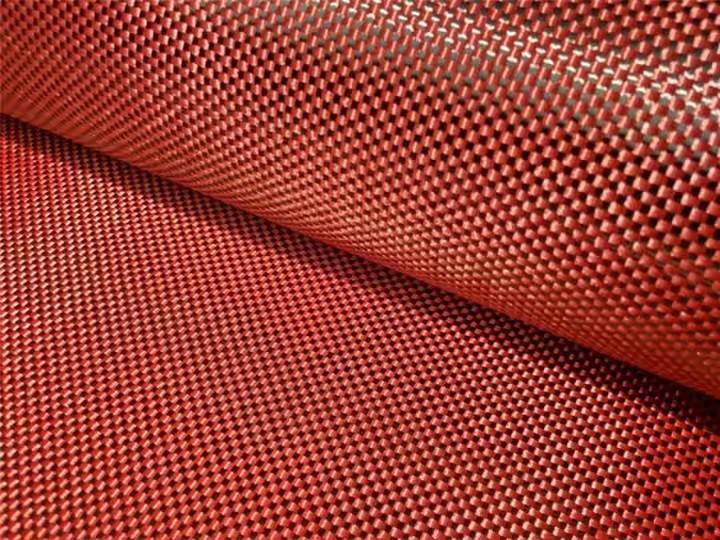
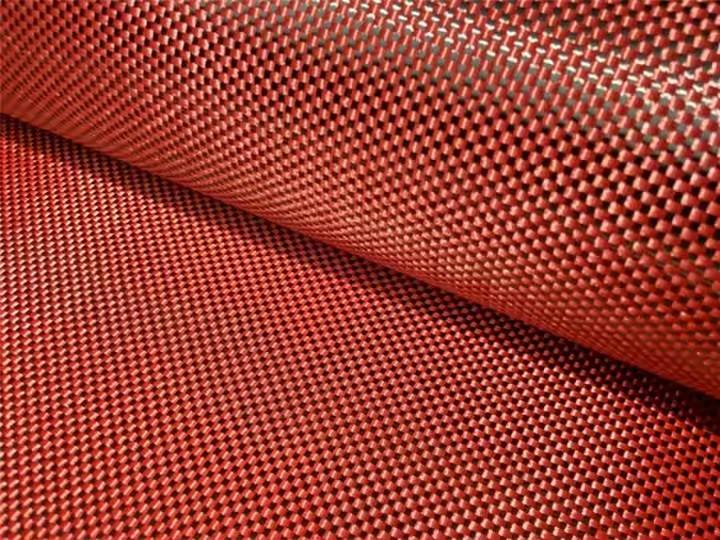
Core advantage: Multi dimensional performance breakthrough, adaptable to harsh scene requirements
1、 Excellent impact resistance, building a solid safety defense line
The impact resistance of aramid fiber prepreg is one of its core advantages compared to other composite materials, which is achieved through the unique microstructure of aramid fibers and scientific material composite processes. The molecular chains of aramid fibers exhibit a highly oriented rigid structure with strong intermolecular forces. When subjected to external impact loads, the fibers can quickly absorb and transfer energy. At the same time, through the interfacial bonding force between the fibers and the resin matrix, the impact energy is dispersed throughout the material system, avoiding material damage caused by local stress concentration. According to authoritative institutions' testing, under the same surface density conditions, the impact strength of aramid fiber prepreg is 2-3 times that of ordinary glass fiber prepreg and 4-5 times that of aluminum alloy materials. In practical applications, this performance makes it play an irreplaceable role in cabin protection in the aerospace field, collision resistant structures for rail transit vehicles, and protective layers for bulletproof equipment. For example, the use of aramid fiber prepreg in key parts of high-speed train bodies can significantly improve the impact resistance of the body in sudden collision accidents while reducing the weight of the body, effectively protecting passenger safety.
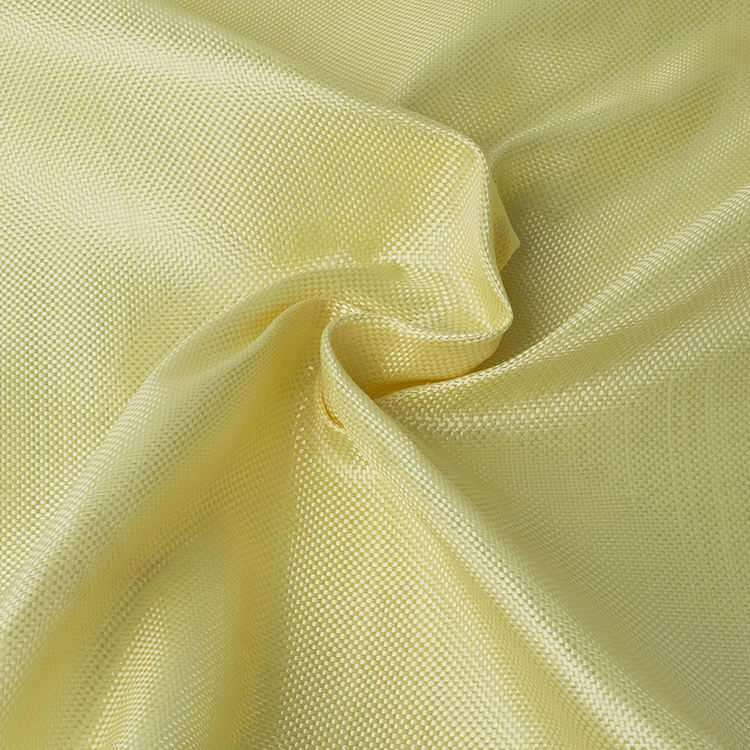
2、 Excellent thermal compression strength, suitable for high-temperature extreme working conditions
Hot compression strength is a key indicator for measuring the ability of materials to withstand compressive loads at high temperatures, and aramid fiber prepreg performs equally well in this indicator. Aramid fiber itself has excellent high temperature resistance, with a decomposition temperature of over 370 ℃, and can maintain stable mechanical properties for a long time in environments below 200 ℃; After being combined with a specially modified high-temperature resistant resin matrix, the overall thermal stability of the prepreg is further improved. Under high temperature conditions of 150-200 ℃, the thermal compression strength can still maintain over 85% of the room temperature strength. This performance enables it to adapt to the manufacturing of structural components in high-temperature environments such as aviation engine compartments, high-temperature pipelines, and industrial kiln linings. Compared with traditional high-temperature resistant metal materials, aramid fiber prepreg not only has excellent thermal compression strength, but also has a lighter weight (density is only 1/3-1/5 of metal materials), which can effectively achieve lightweight design of equipment, reduce energy consumption and operating costs. In addition, under temperature cycling conditions, the thermal expansion coefficient of aramid fiber prepreg is relatively small, making it less prone to thermal stress cracking due to temperature fluctuations, further improving the service life and reliability of structural components.
3、 Comprehensive environmental adaptability and tolerance to complex and harsh erosion
The complex and harsh usage environment is the ultimate test of material performance. Aramid fiber prepreg, with its comprehensive environmental adaptability, exhibits strong vitality in various harsh scenarios, specifically manifested in four core characteristics: resistance to moisture and heat aging, acid and alkali corrosion, salt spray resistance, and mold prevention. In terms of wet heat aging performance, after being placed in an environment with a temperature of 40 ℃ and a relative humidity of 90% for 1000 hours, the mechanical property retention rate of the material still exceeds 90%, which is much higher than the 70% of ordinary composite materials. It can be adapted to humid areas in the south, marine water vapor environments, and other scenarios; In terms of acid and alkali corrosion resistance, this material has good resistance to sulfuric acid, hydrochloric acid with a concentration of less than 30%, and sodium hydroxide solution with a concentration of less than 50%. After soaking for 72 hours, there are no obvious corrosion marks, and it can be used for the manufacture of anti-corrosion coatings for chemical pipelines and acid-base storage tanks; In terms of salt spray resistance, after 5000 hours of neutral salt spray testing, the material surface has no rust or peeling, and the mechanical properties have not significantly decreased, perfectly adapting to marine corrosion environments such as marine engineering equipment and offshore wind power structures; In terms of anti mold performance, the material has passed the GB/T 2423.16-2008 standard test and has a mold growth level of 0 (no mold growth). It can be used in communication equipment enclosures, military equipment components, and other scenarios in tropical rainforest areas.
4、 Lightweight and formability advantages, helping equipment design innovation
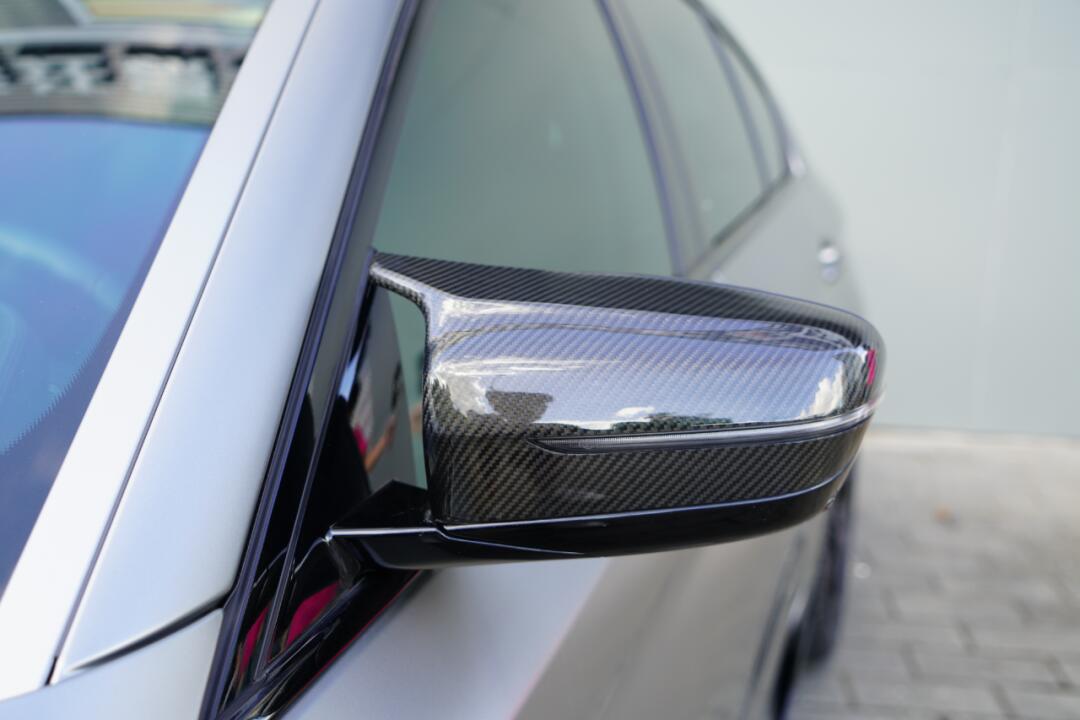
In the field of high-end equipment manufacturing, lightweight and formability are key requirements for improving equipment performance and design flexibility, and aramid fiber prepreg also has significant advantages in this regard. Thanks to the low-density characteristics of aramid fiber itself (density of about 1.44g/cm ³), the overall density of aramid fiber prepreg is only 1.5-1.6g/cm ³, far lower than the 2.7g/cm ³ of aluminum alloy and 7.85g/cm ³ of steel. Taking structural components in the aerospace industry as an example, using aramid fiber prepreg instead of traditional metal materials can reduce the weight of structural components by 30% -50%, thereby reducing fuel or energy consumption of equipment and improving endurance. In terms of formability, aramid fiber prepreg can be processed into complex shaped structural components through various processes such as molding, winding, and layering, which can accurately adapt to the irregular structural design requirements of various equipment. At the same time, the material has good dimensional stability during the molding process, and the dimensional accuracy of the structural components after molding is high, without the need for subsequent large-scale mechanical processing, which can effectively shorten the production cycle and reduce manufacturing costs. In addition, the interwoven structure of Aramid fiber fabric also endows the prepreg with good cutting ability, which can be cut into different sizes and shapes according to actual needs, further enhancing the flexibility of material use.