EN
EN
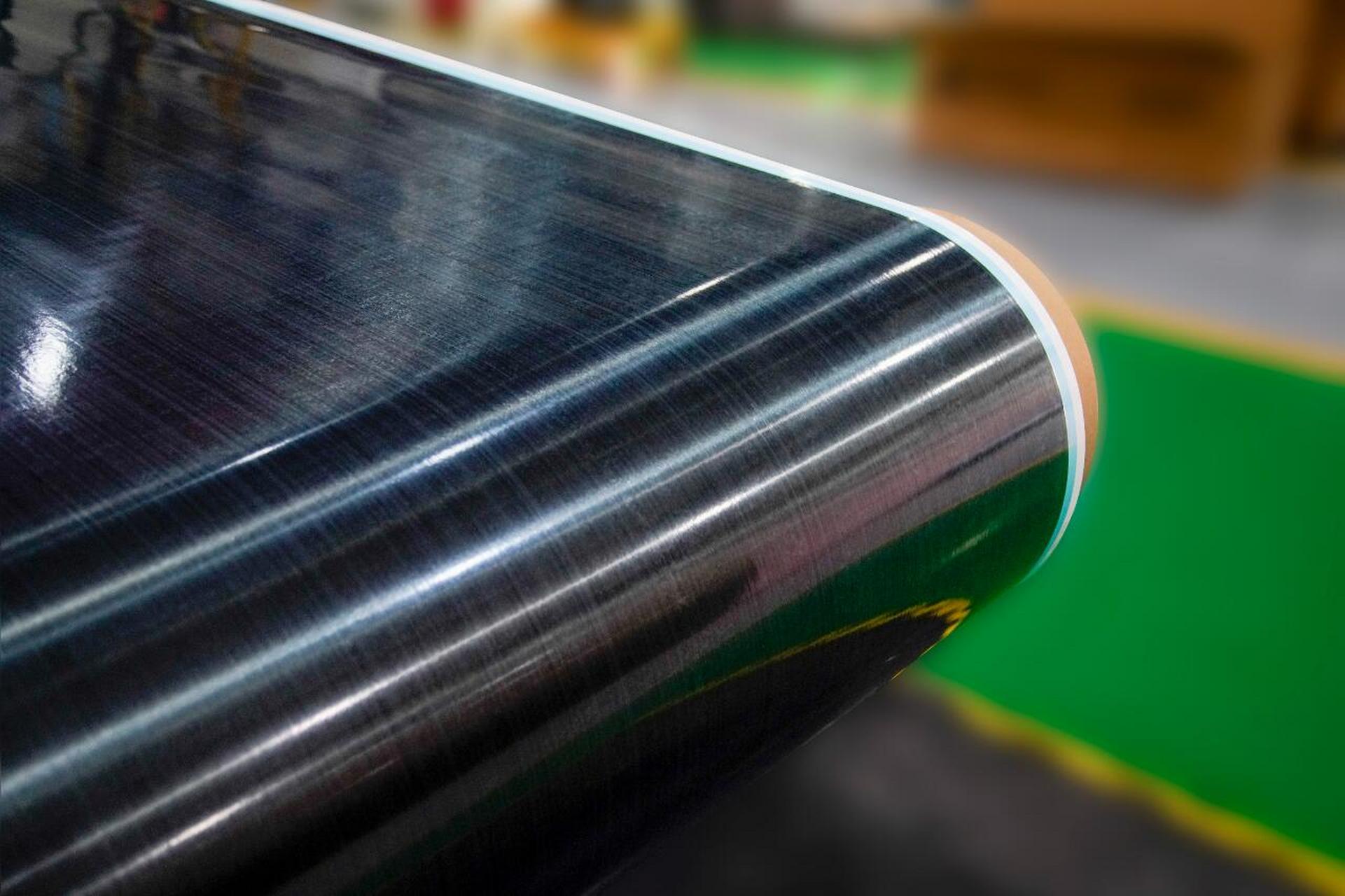
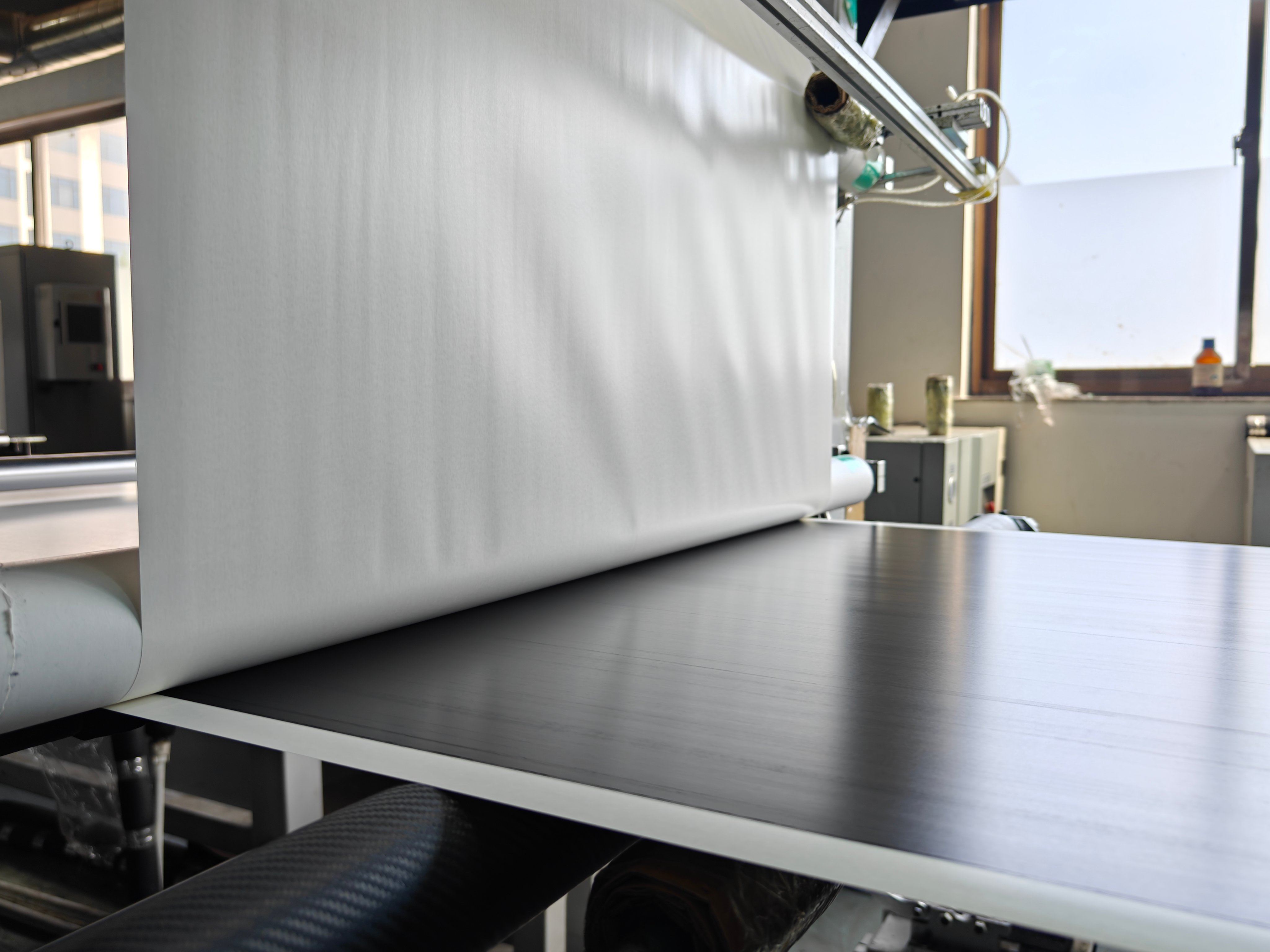
A-13 Toughened Prepreg
In fields such as wind power, new energy vehicles, and high-end equipment that are subject to long-term dynamic loads, the toughness and fatigue resistance of materials directly determine the service life of components.
- Overview
- Recommended Products
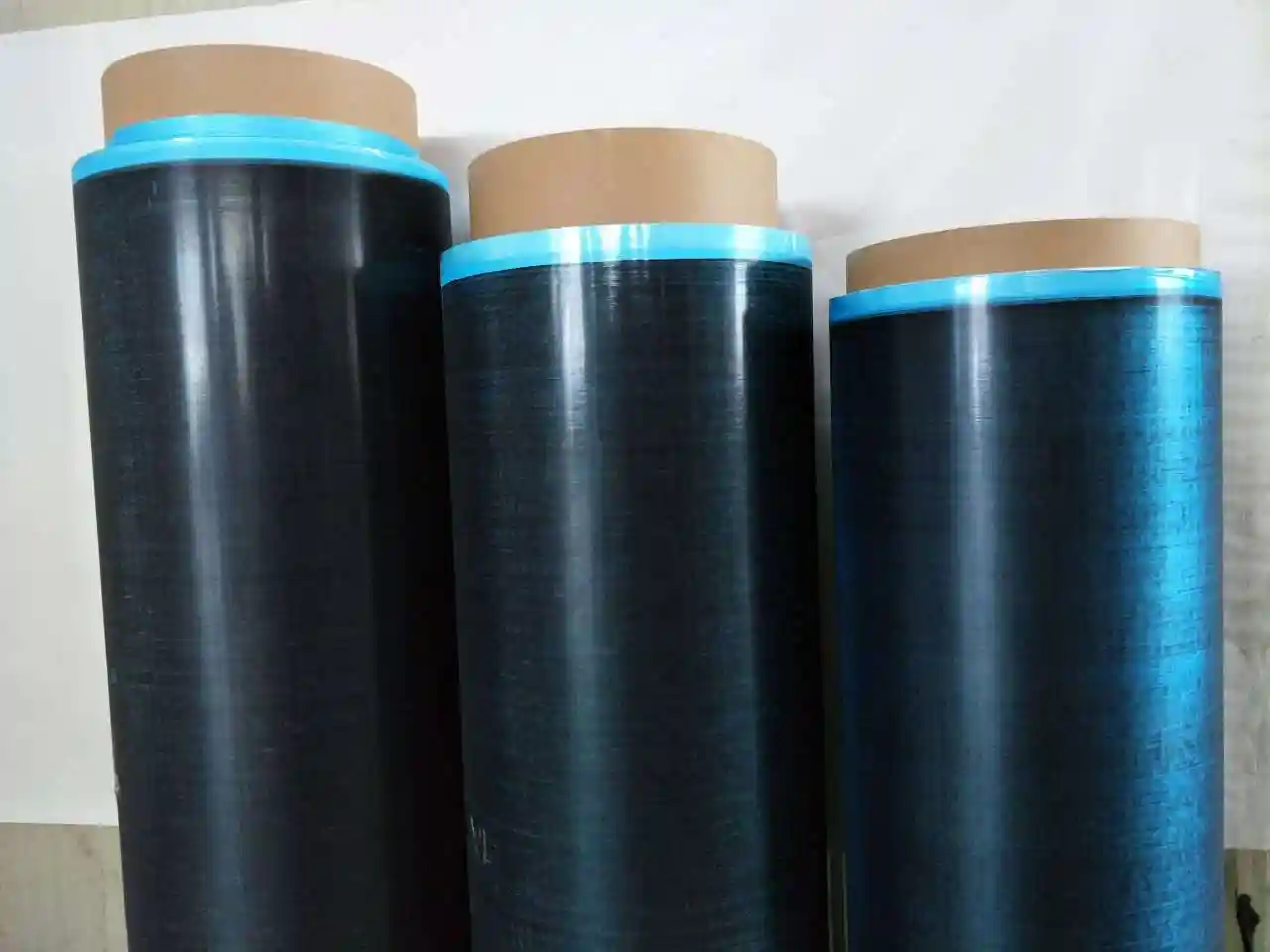
- Unidirectional carbon fiber prepreg: It adopts a high straightness carbon fiber unidirectional arrangement, with fiber direction consistency of over 99.5%, and performs outstandingly in axial dynamic load scenarios. Suitable for components that can withstand long-term tensile and bending vibrations, such as the main beam of wind turbine blades, chassis longitudinal beams of new energy vehicles, and transmission shafts of high-end machine tools. Its axial anti fatigue performance is excellent, and it can serve continuously for 5000 hours without significant performance degradation in a 10Hz high-frequency vibration environment, meeting the structural stability requirements under dynamic loads.
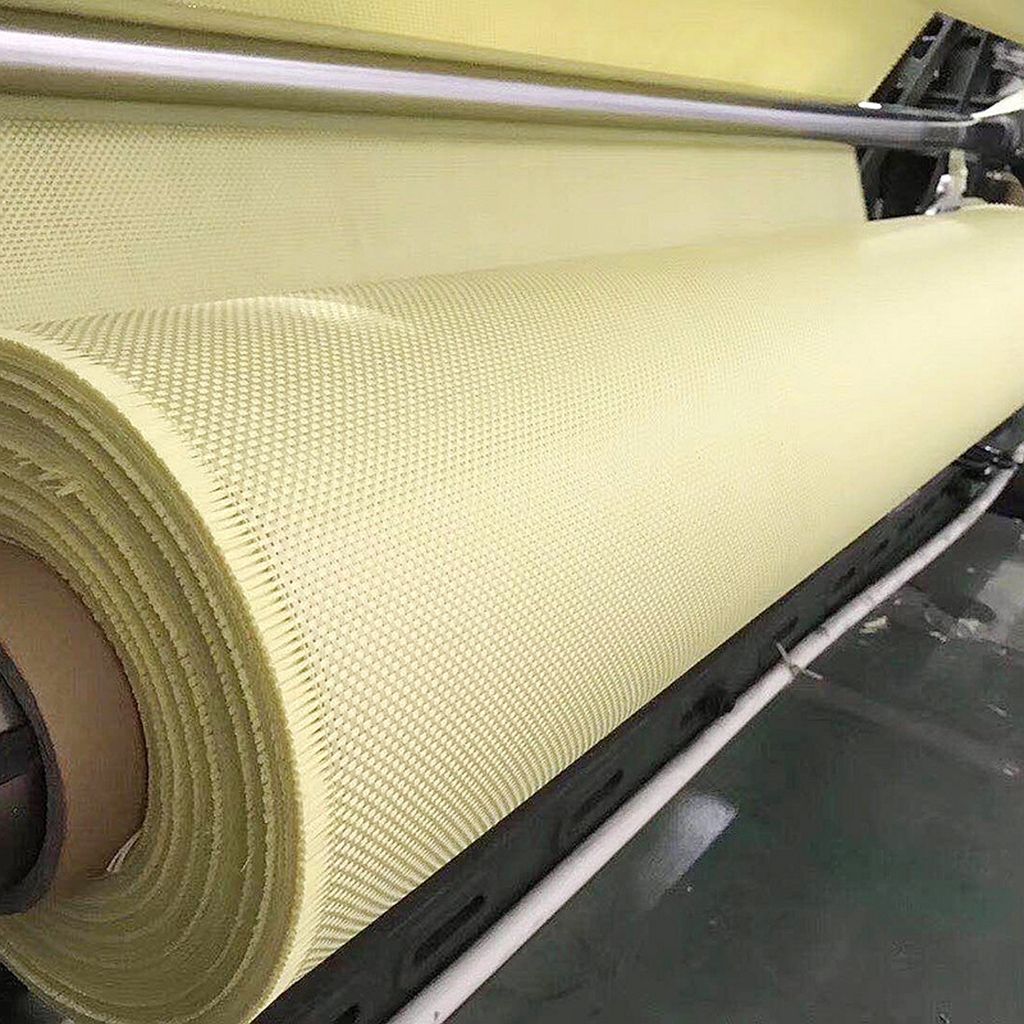
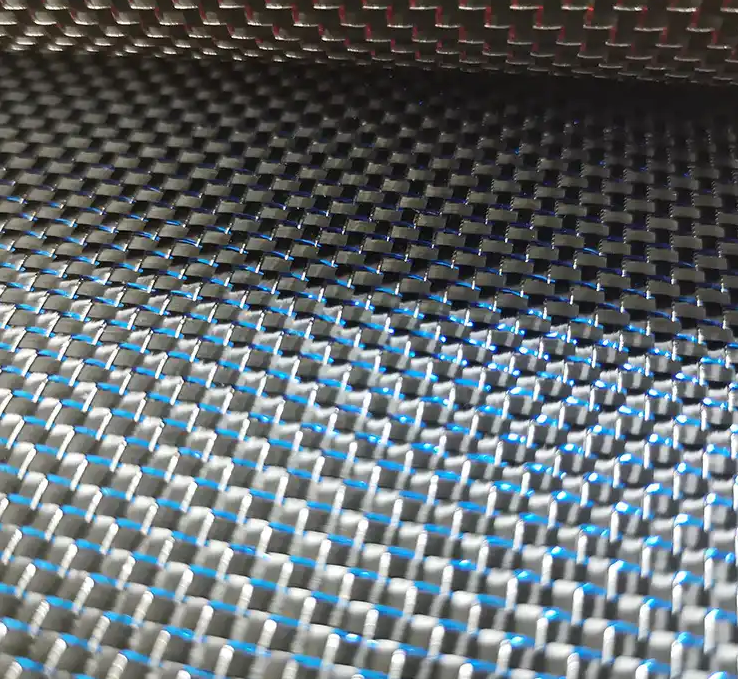
- Carbon fiber fabric prepreg: Based on plain and twill fabrics, it has excellent in-plane isotropic properties and stronger resistance to multi-directional impact and shear vibration. Suitable for components with complex shapes and subjected to non-uniform dynamic loads, such as collision beams for battery packs in new energy vehicles, joint connectors for high-end equipment, and root parts of wind turbine blades. The fabric structure improves the stress dispersion of the prepreg. When subjected to local impact, energy can be quickly transmitted to the entire fabric surface, avoiding local breakage and enhancing the component's resistance to failure.
- Hot press molding: Suitable for high-end components with extremely high precision and performance requirements (such as aerospace parts), controlled by uniform pressure (0.8~1.5MPa) and temperature (120~150 ℃), the toughening resin fully infiltrates the fibers, and the toughness uniformity of the molded components reaches over 98% without local performance differences.
- Compression molding: suitable for large-scale production scenarios such as new energy vehicles and wind power, with high molding efficiency, single batch production time can be controlled within 40-60 minutes, and the compression molding process can accurately control component size, reduce subsequent processing steps, and lower production costs.
- Vacuum bag molding: Suitable for large-scale components (such as wind turbine blades over 15 meters), resin flow and exhaust are achieved through vacuum negative pressure, reducing molding costs by 35% compared to hot press tank technology, while ensuring the full performance of toughened resin.
Toughened carbon fiber prepreg: a solution for high toughness composite materials under dynamic load scenarios
In fields such as wind power, new energy vehicles, and high-end equipment that are subject to long-term dynamic loads, the toughness and fatigue resistance of materials directly determine the service life of components. This toughened carbon fiber prepreg uses a specialized toughened resin as the core bonding system, covering the two mainstream forms of unidirectional carbon fiber prepreg and carbon fiber fabric prepreg. Through efficient infiltration and bonding of resin and fiber, after curing, it not only has excellent mechanical properties, but also outstanding wet heat stability, and can stably serve in dynamic load environments such as long-term vibration and impact. Provide a material selection that balances strength and toughness for wind turbine blades, automotive chassis components, and high-end mechanical structural components, breaking the performance limitations of traditional carbon fiber prepreg with high rigidity and low toughness.
Core advantage: Multi dimensional guarantee of resilience breakthrough, stable performance, and scene adaptation
1. Empowered by specialized toughening resin, significantly enhancing the material's impact resistance and fatigue resistance
Toughened resin is the core technology highlight of this prepreg. Unlike traditional ordinary resins, it adopts a composite formula of "epoxy resin+core-shell structure toughening agent+flexible chain segment modifier", and optimizes resin toughness through molecular level design: core-shell structure toughening agent can form small elastic particles after resin curing. When the material is impacted, the particles can absorb the impact energy and avoid rapid crack propagation; Flexible segment modifiers can enhance the flexibility of resin molecular chains and reduce stress accumulation of materials under long-term dynamic loads.
According to authoritative testing, the toughness index of this toughened carbon fiber prepreg has achieved significant breakthroughs: the composite material made of unidirectional carbon fiber prepreg has an impact toughness increase of more than 60% compared to ordinary carbon fiber prepreg, and an elongation at break increase of 45%; The shear toughness of carbon fiber fabric prepreg has been improved by 55%. After 1 million cycles of dynamic load testing, the mechanical performance retention rate still exceeds 90%, far exceeding the average level of 75% for ordinary prepreg. Taking wind turbine blades as an example, after using this toughened prepreg, the fatigue life of the blades under strong wind vibration environment is extended to more than 20 years, which is 30% higher than traditional materials and significantly reduces the maintenance cost of wind power equipment. At the same time, the product density is strictly controlled at no less than 5% to ensure uniform distribution of fibers and resin, and to avoid weak toughness points caused by insufficient local density.
2. Dual form product coverage, adapted to the stress requirements of different dynamic load scenarios
The product family includes unidirectional carbon fiber prepreg and carbon fiber fabric prepreg, which can be flexibly selected according to the stress characteristics and dynamic load types of different components, achieving the performance advantage of "on-demand matching".
Two forms of prepreg can be used in combination, for example, wind turbine blades can adopt a design of "unidirectional prepreg (main beam, anti axial vibration)+fabric prepreg (blade root, anti shear impact)", which takes into account the dynamic load requirements of different parts and maximizes material performance
3. Excellent wet and hot stability, suitable for complex service environments
Dynamic load scenarios are often accompanied by complex environments such as humid heat and alternating high and low temperatures. Traditional carbon fiber prepreg is prone to interface failure due to resin water absorption, thermal expansion and contraction, which in turn affects toughness and mechanical properties. And this toughened carbon fiber prepreg has excellent wet heat stability through resin formula optimization and infiltration process improvement: the hydrophobic components added to the toughened resin can reduce the water absorption rate. After soaking in a wet and hot environment at 85 ℃ and 85% relative humidity for 1000 hours, the water absorption rate is still less than 1.5%, far below the industry average level of 3% for ordinary prepreg; At the same time, the interface bonding strength between resin and carbon fiber is increased by 25%, which can effectively resist interface delamination caused by temperature changes.
In practical applications, this performance advantage is particularly crucial: when used for chassis components of new energy vehicles, it can withstand extreme temperature cycles of -40 ℃~120 ℃ and maintain stability and toughness even in rainy, snowy, and humid environments; When used for offshore wind turbine blades, it can resist erosion from high salt spray and high humidity environments, avoiding the decrease in blade toughness caused by damp heat aging. After testing, the dynamic fatigue life of the product in humid and hot environments is increased by 40% compared to ordinary prepreg, ensuring the performance reliability of the components throughout their entire life cycle.
4. Mature process adaptability to meet the needs of large-scale production
Despite its significant performance advantages, this toughened carbon fiber prepreg maintains excellent process compatibility and is compatible with mainstream composite material manufacturing processes such as hot press molding, compression molding, and vacuum bag molding. It does not require additional equipment modification by enterprises and reduces production barriers.
In addition, the product has excellent storage stability and can be stored for more than 6 months in a low temperature environment of -18 ℃. After removal, it can be put into production without the need for a long time to warm up, reducing production waiting time and adapting to the pace of industrial batch production.
5. Differentiated design, building market competition barriers
On the one hand, differentiated innovation is carried out in resin formulation, fiber selection, and toughening process - for example, the independently developed core-shell structure toughening agent can achieve a precise balance between toughness and rigidity, avoiding the industry pain point of "toughening must reduce rigidity", so that the product can maintain an axial tensile strength of over 1750MPa while improving toughness;
On the other hand, we provide flexible customized services that can adjust the toughening level (from "moderate toughening" to "high toughening" customized according to customer needs), fiber surface density (100~800g/㎡ full coverage), and resin content (35%~50% adjustable) to meet the personalized needs of different dynamic load scenarios. For example, in response to the demand for anti-collision beams in new energy vehicles, "high impact toughness" unidirectional carbon fiber prepreg can be customized; In response to the demand for wind turbine blades, "high humidity and heat stability toughening" carbon fiber fabric prepreg can be customized to avoid market pressure caused by homogeneous competition.