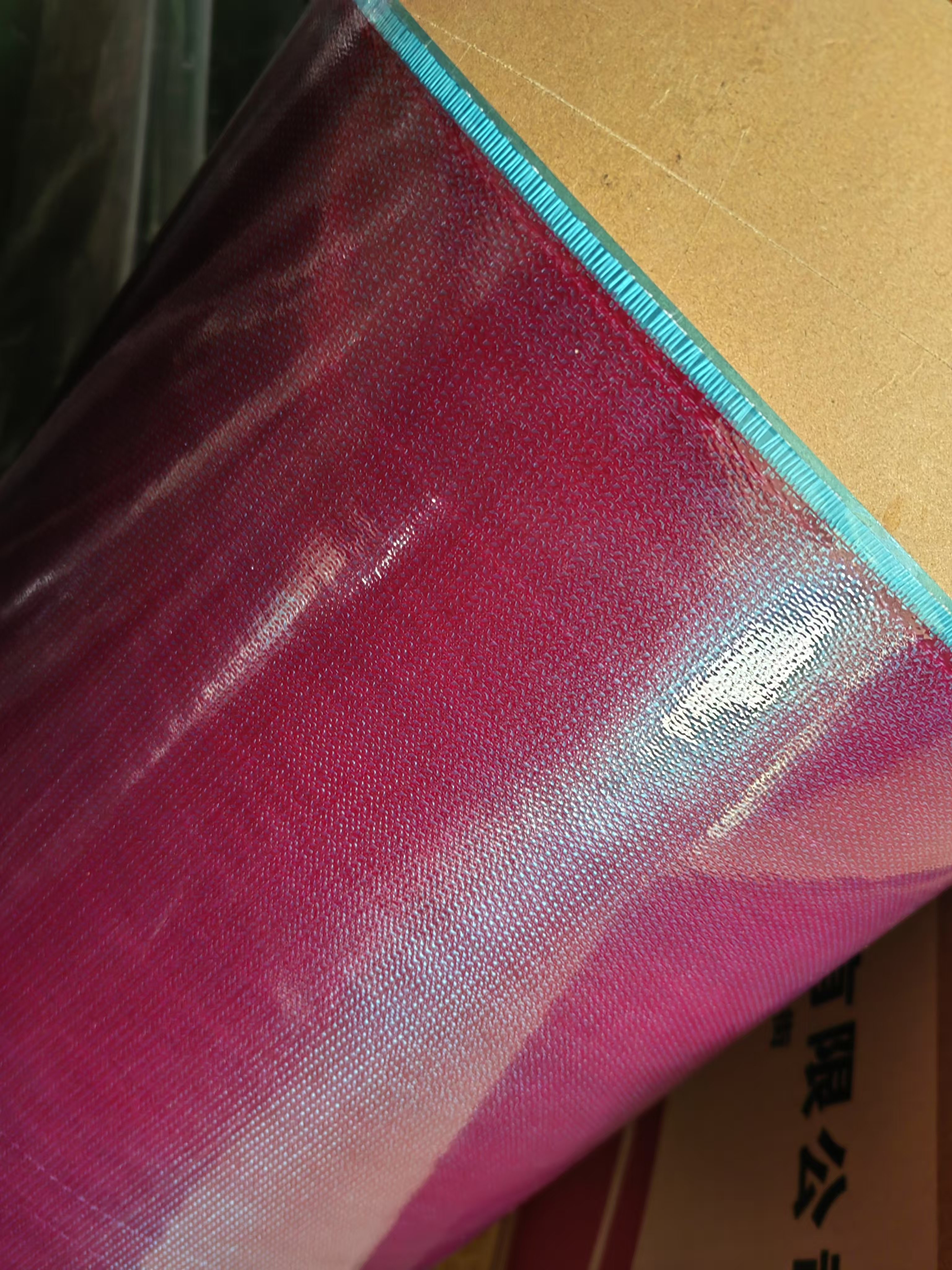
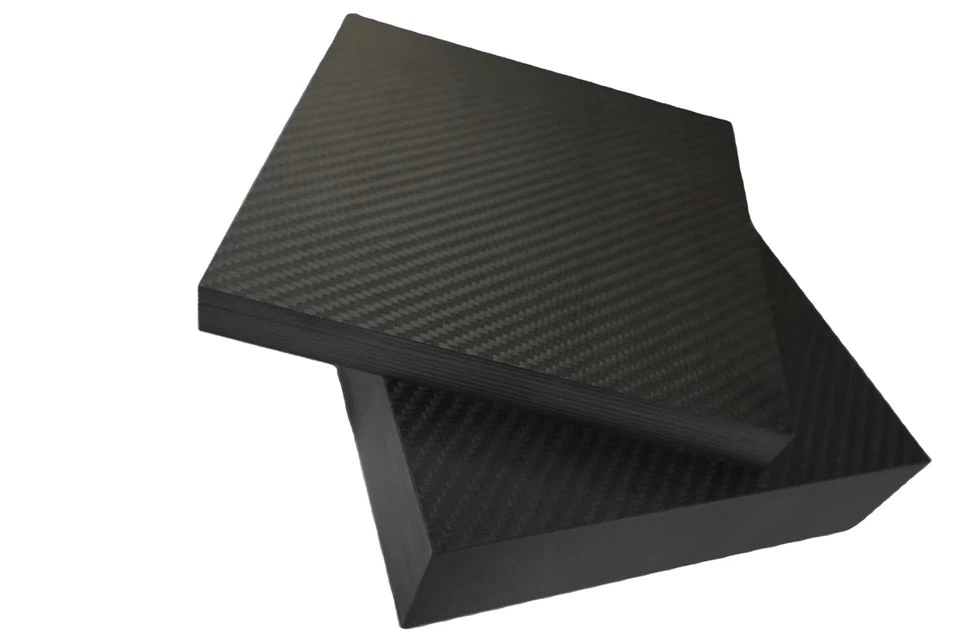
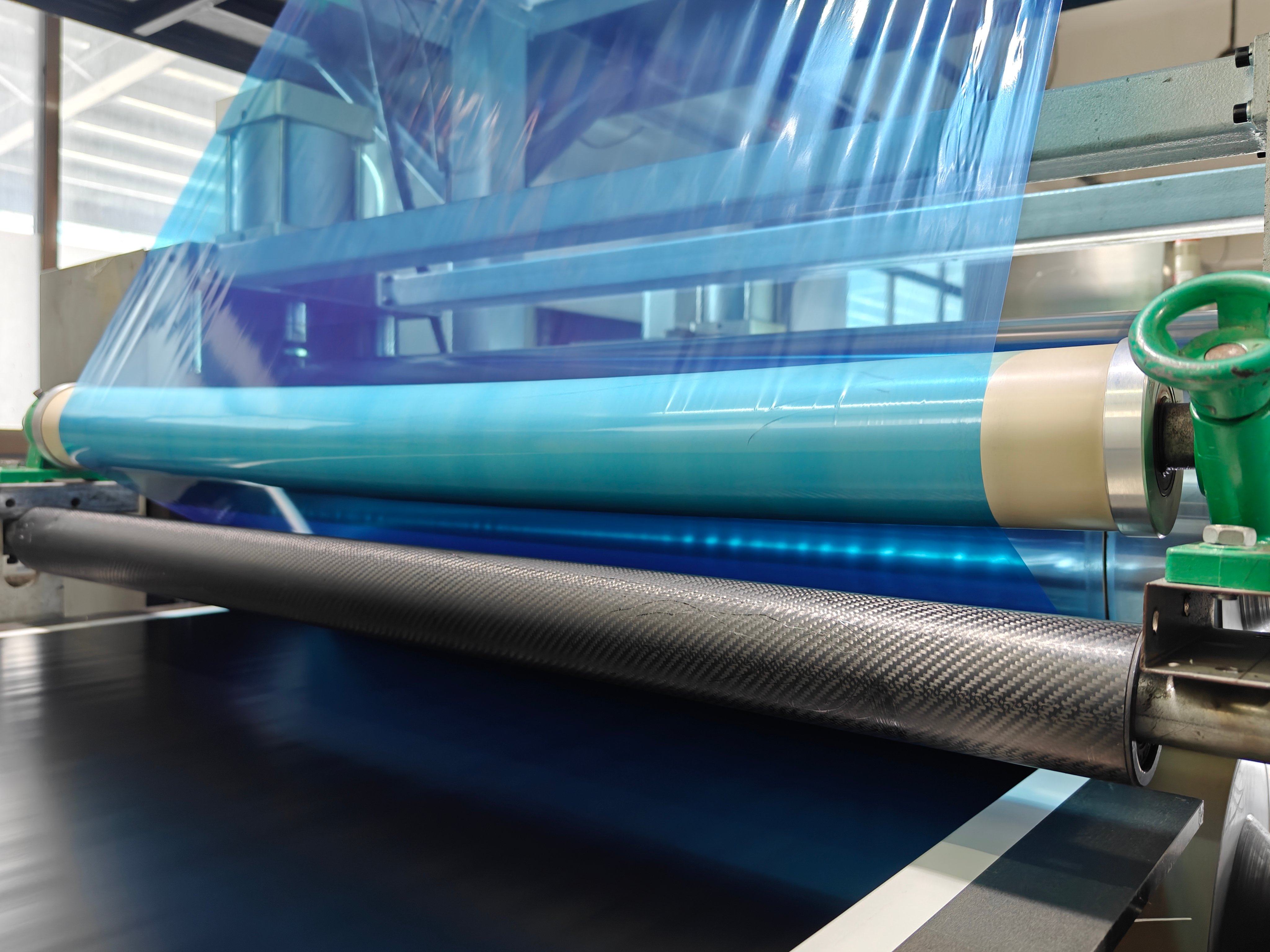
Getting the rolling right matters a lot when working with carbon fiber cloth if we want good adhesion between layers. When people skip this step or do it poorly, tiny air bubbles form along with inconsistent resin spread throughout the material. These issues create weak spots where the structure isn't as strong as it should be. The whole point of rolling is to push that resin all the way through the fabric weave so each individual fiber gets properly coated. This saturation process removes those pesky empty spaces that might eventually cause layers to separate when subjected to pressure or movement over time.
Studies show manual rolling improves adhesion strength by 30% compared to brush application alone (Composite Materials Journal, 2023). The pressure from specialized rollers also expels trapped air bubbles, reduces defect risks by 40%, creates uniform resin thickness across layers, and activates chemical bonding between cloth and matrix.
Skipping this step often causes resin starvation or dry spots—flaws that weaken load-bearing capacity and accelerate fatigue failure. For high-stress components like automotive panels or aerospace structures, consistent rolling isn’t optional—it’s what transforms layered carbon fiber cloth into a monolithic, high-performance composite.
Getting the surface ready is absolutely critical for achieving strong bonds between materials. First things first, make sure all surfaces are spotless free from dust, oil, and other grime that could interfere with adhesion. Most professionals reach for acetone or mineral spirits when dealing with stubborn residues. For really smooth materials such as concrete walls or metal surfaces, it pays off to rough them up a bit. Grab some 60 to 80 grit sandpaper and give those areas a good going over until they're textured enough to grab onto whatever gets applied next. Don't forget to fix any cracks or holes in the substrate either. Use fillers specifically designed for the material type being worked on, letting them cure properly before moving forward. When applying resin, go light but even across the area with a notched trowel. Aim around 70% coverage so there aren't any dry patches showing through. The carbon fiber fabric needs to be placed right away while the resin is still sticky, making sure there's about an inch or two overlap where pieces meet at the edges for proper reinforcement.
A serrated carbon fiber roller works best when positioned at right angles to the fabric weave, applying around 15 to 20 psi of pressure. Keep the roller moving at a steady medium pace, roughly one foot per second, starting from the middle and working outwards to push air bubbles away from the material. Make sure each pass overlaps about half of the previous one with straight forward strokes only. Back and forth movements tend to damage the fibers, so stick to single direction passes whenever possible. When working with multiple layers, give each layer about 30 to 40 minutes to set before adding another. This waiting period allows the resin to reach that semi-gel state where it's ready for the next layer. Always check visually how well the resin has soaked into the fabric. Areas that look clear are good signs of proper saturation, but if there are still white patches visible, those spots need more attention with the roller to ensure complete coverage.
When air gets stuck between layers of carbon fiber cloth, it really weakens the whole structure and makes it less able to handle heavy loads. The trick here is to run rollers over the material at about a 45 degree angle, making sure they overlap slightly so air gets pushed out toward the edges bit by bit. Keeping the resin consistency just right matters a lot during application too. If the workshop humidity creeps above 60%, the resin tends to cure faster than expected, which actually traps those pesky bubbles instead of letting them escape. For parts used in aircraft where quality is absolutely essential, manufacturers often do what's called sequential validation checks. After every roller pass, someone needs to look closely at the work surface from different angles under bright lights before the resin starts to gel. According to recent studies published last year in Composites Manufacturing Analysis, shops that switch from simple back-and-forth motions to these crosshatch patterns see roughly 92 percent fewer bubbles forming overall.
Inconsistent pressure creates resin-deficient zones where fibers detach under stress. Employ calibrated rollers with pressure-sensitive films to verify 15—20 psi across the surface—variations beyond ±2 psi increase delamination risk by 40% (Polymer Engineering Reports, 2024). Critical control points include:
Thermal imaging studies confirm uniform roller pressure reduces dry spot occurrence from 1 per 0.5 m² to less than 1 per 5 m².
Choosing the optimal roller for carbon fiber cloth lamination requires careful consideration of material compatibility and structural integrity. Non-reactive, non-porous rollers prevent contamination and resist resin absorption—both of which preserve performance and consistency. Research indicates improper roller selection contributes to up to 40% of adhesion failures in composite projects.
Maintenance matters a lot when it comes to keeping rollers in good shape. After every single use, give those rollers a quick clean with whatever solvent works best for the job before any resin starts to harden on them. Don't forget to check regularly for signs of wear either - look out for little nicks or deformations that might catch fibers during operation. And storage is important too; always keep them standing upright in somewhere where temperature stays fairly stable so they don't get bent out of shape over time. People who stick with this kind of regular care tend to find their rollers last about twice as long as ones left sitting around unused or improperly stored.
 Hot News
2026-07-07
2025-09-09
2025-09-25
2025-12-25
2025-12-22
2025-12-19
Copyright © 2025 by Weihai Dushi Composite Material Co.Ltd - Privacy Policy
 EN
EN