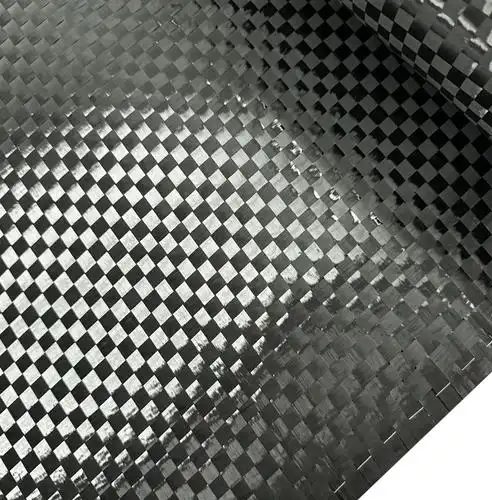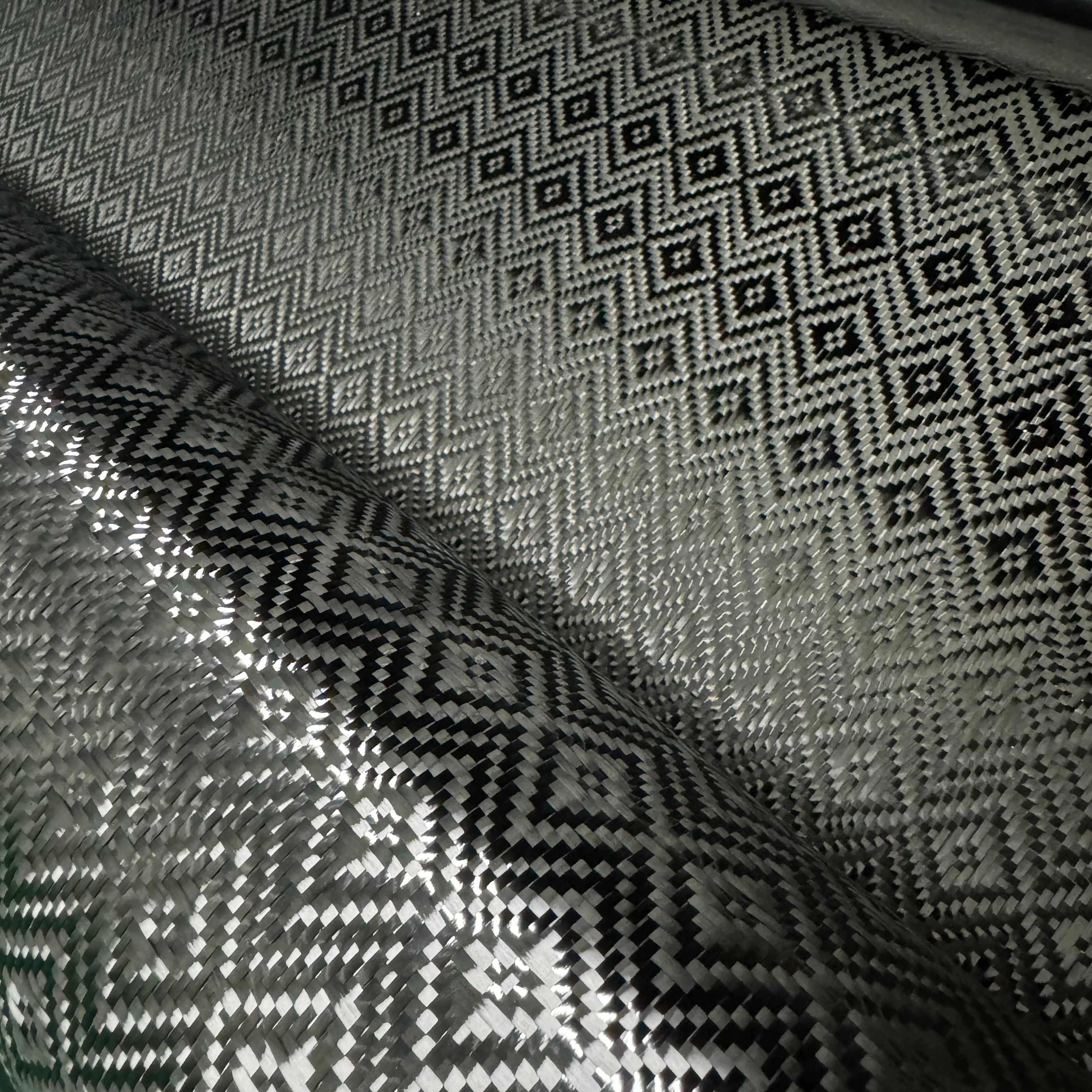
Understand the basics of prepreg carbon fiber curing
Prepreg carbon fiber is a game changing material for high performance projects because it comes pre impregnated with resin ready to bond and harden. But curing it the right way is what unlocks its full strength potential. Curing isn’t just letting it dry it’s a controlled process where heat and pressure work together to turn the semi solid prepreg carbon fiber into a rigid strong composite. The resin in prepreg carbon fiber needs specific temperature and time to cross link properly—this chemical reaction is what gives the material its exceptional strength and durability. If you rush the process or cut corners on conditions the resin won’t cure fully leaving the prepreg carbon fiber weak or brittle. Whether you’re making a drone frame a racing part or aerospace components understanding that curing is a precise science not a guesswork task is the first step to getting maximum strength. It’s all about giving the prepreg carbon fiber the right environment to transform into the tough composite it’s meant to be.
Prepare prepreg carbon fiber and tools before curing
Good preparation before curing is just as important as the curing process itself for getting the most strength from prepreg carbon fiber. First inspect the prepreg carbon fiber carefully—make sure there are no wrinkles bubbles or contaminants on the surface. Wrinkles can trap air and create weak spots so smooth them out gently with a roller before moving on. Next cut the prepreg carbon fiber to the exact size you need using sharp tools to avoid fraying which can ruin the fiber structure. Then gather your curing tools. Depending on your project this might include a vacuum bag autoclave heat gun or curing oven. Make sure all tools are clean and in good working order—dust or debris on tools can transfer to the prepreg carbon fiber and affect the cure. You’ll also need to prepare the mold or substrate the prepreg carbon fiber is laid on. It should be smooth clean and dry with no oil or dust that could interfere with the resin’s bond. Taking the time to prep properly ensures that the prepreg carbon fiber is ready to cure evenly and fully.
Control temperature and time for optimal prepreg carbon fiber curing
Temperature and time are the two most critical factors when curing prepreg carbon fiber for maximum strength. Every type of prepreg carbon fiber has specific curing guidelines from the manufacturer—follow them closely. Most prepreg carbon fiber requires a gradual temperature increase not a sudden blast of heat. For example you might start at 60 degrees Celsius hold it for 30 minutes then ramp up to 120 degrees for two hours. This slow rise lets the resin flow evenly and release any trapped air before hardening. If the temperature is too low the resin won’t cross link fully resulting in a soft weak composite. If it’s too high the resin might cure too fast causing bubbles or cracks. Timing is just as important—curing too short and the resin isn’t fully bonded curing too long can make the prepreg carbon fiber brittle. Use a reliable thermometer to monitor the temperature throughout the process and set a timer to ensure you hit the exact curing duration. Mastering temperature and time control is key to unlocking the prepreg carbon fiber’s full strength.
Apply proper pressure during prepreg carbon fiber curing
Pressure works hand in hand with temperature to ensure prepreg carbon fiber cures to maximum strength. Applying consistent pressure helps the resin spread evenly across the fibers eliminates air bubbles and ensures the prepreg carbon fiber bonds tightly to the mold or substrate. For small projects a vacuum bag is a great option—it sucks out air and applies uniform pressure across the entire surface. For larger or high performance parts an autoclave is ideal as it provides both precise temperature control and high pressure. The amount of pressure needed varies by prepreg carbon fiber type but most require between 20 and 50 psi. Avoid applying uneven pressure as this can cause the resin to pool in some areas leaving others dry and weak. Make sure the pressure is applied as soon as the temperature starts to rise—this prevents air from getting trapped as the resin begins to flow. Proper pressure application might seem like a small detail but it’s what separates a good composite from a great one with maximum strength.
Post cure steps to enhance prepreg carbon fiber strength
The curing process doesn’t end when the timer goes off—post cure steps are essential to boost prepreg carbon fiber’s strength even further. First let the prepreg carbon fiber cool down gradually. Don’t rush the cooling by placing it in cold air or water—sudden temperature changes can cause cracks or warping. Once it’s fully cooled remove it from the mold or vacuum bag and inspect it carefully. Look for any bubbles delamination or resin issues. If you find small flaws you can sand them down gently but major issues might mean reworking the part. Next consider a post cure heat treatment for high performance applications. This involves heating the cured prepreg carbon fiber to a slightly lower temperature than the initial cure and holding it for an hour or two. This extra step helps the resin cross link even more fully increasing strength and durability. Finally clean and finish the surface as needed—sanding painting or applying a protective coating can help preserve the prepreg carbon fiber’s strength over time. These post cure steps ensure that you’re getting the absolute maximum strength from your prepreg carbon fiber project.

 Hot News
 EN
EN