Application Fields of Modern Composite Materials
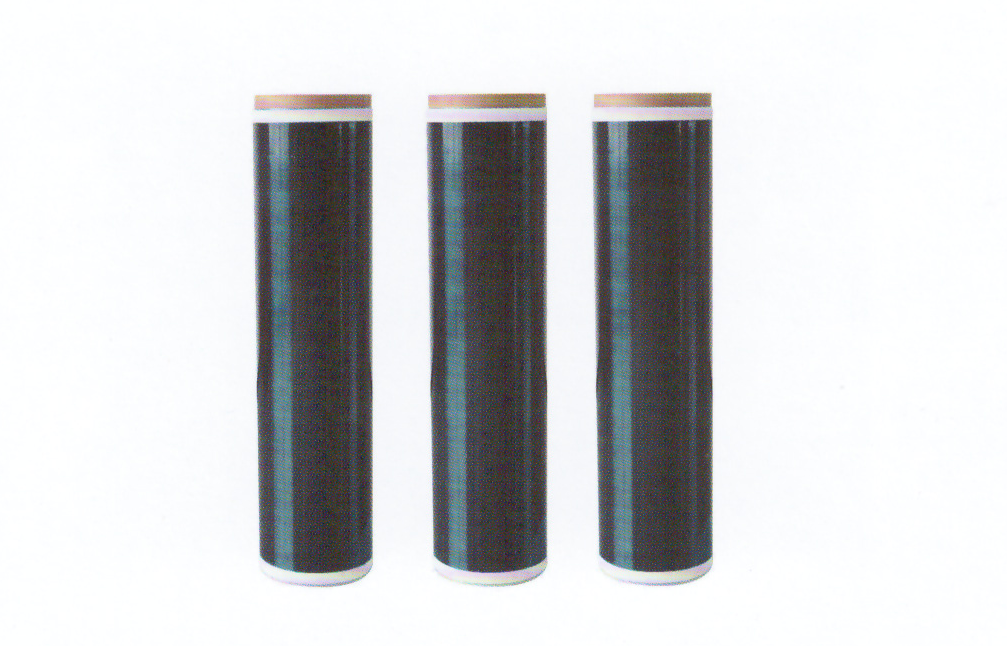
Modern composite materials, with their unique combination of high strength, lightweight properties, corrosion resistance, and customizable performance, have become a core driving force for technological innovation and industrial upgrading across various sectors. Among them, carbon fiber composites, electronic cloth composites, and other advanced varieties have particularly prominent applications, injecting new vitality into emerging industries and traditional fields alike. Below is a detailed analysis of their key application scenarios.
In the low-altitude economy, which has emerged as a new growth engine in recent years, carbon fiber composites have become an irreplaceable material choice, with their application proportion in drones and eVTOL (electric Vertical Take-Off and Landing) aircraft showing a significant upward trend. Drones, whether used for aerial photography, logistics delivery, or industrial inspection, have strict requirements for payload capacity and endurance. The carbon fiber composite materials used in drone fuselages not only reduce the overall weight by 30%-50% compared with traditional metal materials such as aluminum alloys but also maintain excellent structural strength to withstand complex air resistance and external impacts. For rotor components, the high modulus and fatigue resistance of carbon fiber composites ensure stable operation during long-term high-speed rotation, reducing the frequency of maintenance and replacement. For eVTOL aircraft, which are crucial for urban air mobility, structural components such as wings and frames made of carbon fiber composites directly determine flight safety and operational efficiency. Their lightweight characteristics can significantly reduce battery energy consumption, extending the flight range, while their good shock absorption performance also improves the comfort of passengers.
In the field of ship and ocean engineering, carbon fiber composites are playing an increasingly significant role in promoting the green and low-carbon transformation of the industry, with their outstanding advantages in weight reduction, noise reduction, and energy consumption reduction. Traditional ships are mostly made of steel, which is heavy and prone to corrosion, leading to high fuel consumption and frequent maintenance costs. After applying carbon fiber composites to key parts such as ship hulls, superstructures, and propellers, the overall weight of the ship can be reduced by 20%-30%, which directly reduces fuel consumption by 10%-15% and significantly reduces carbon dioxide and other pollutant emissions. At the same time, carbon fiber composites have good sound insulation and vibration damping properties, which can effectively reduce the noise generated by the ship's engine operation and hull friction with seawater, improving the working environment of crew members and reducing the impact on marine ecological environments such as marine organisms. In addition, carbon fiber composites have strong corrosion resistance to seawater, avoiding the problem of steel hull corrosion, greatly reducing maintenance costs, and extending the service life of ships.
In the new energy vehicle industry, which is in a period of rapid development, major enterprises are accelerating the layout of carbon fiber composites in the research and development and cooperation of core components such as body structures and motor rotors, aiming to break through the bottleneck of electric vehicle performance. The body structure is one of the key factors affecting the weight and safety of electric vehicles. Using carbon fiber composite materials to manufacture the body-in-white can reduce the weight by 40%-60% compared with traditional steel bodies, while the tensile strength is more than twice that of steel, effectively improving the safety performance of the vehicle while reducing energy consumption. For motor rotors, the high strength and low density of carbon fiber composites enable the rotor to operate at higher speeds, improving the power density and efficiency of the motor. At present, many well-known new energy vehicle enterprises have established strategic cooperation with carbon fiber material manufacturers to jointly develop integrated carbon fiber body technologies and high-performance motor rotor products. It is expected that the application rate of carbon fiber composites in new energy vehicles will increase significantly in the next 3-5 years.
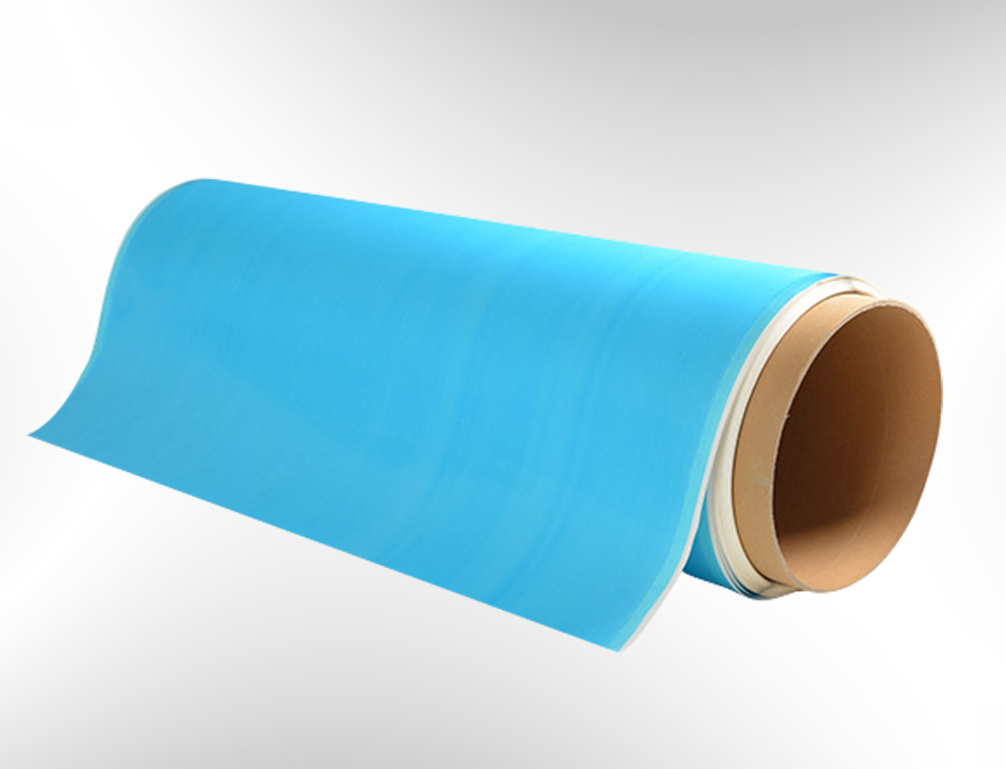
In the fields of clean energy and 5G communication, low dielectric electronic cloth composites have become a key supporting material, adapting to the technical requirements of 5G-A (5G Advanced) and promoting the optimization of lightweight and high-frequency performance of communication equipment. 5G-A technology puts forward higher requirements for the transmission rate and signal stability of communication equipment, which requires communication materials to have low dielectric constant and low dielectric loss to reduce signal attenuation. Low dielectric electronic cloth composites, with their unique fiber structure and material composition, can effectively meet these technical requirements. In communication base station antennas and signal transmission components, the application of low dielectric electronic cloth composites not only reduces the weight of the equipment, making installation and maintenance more convenient but also improves the signal transmission efficiency and anti-interference ability of the equipment. In the field of clean energy, such as wind power generation, carbon fiber composites are also widely used in wind turbine blades. Their high strength and lightweight properties enable the blades to be made longer, improving wind energy capture efficiency, while their corrosion resistance ensures stable operation in harsh environments such as strong winds and heavy rains.
In summary, modern composite materials have shown broad application prospects in various fields, and with the continuous progress of material technology and the expansion of application scenarios, they will continue to play a more important role in promoting industrial upgrading and technological innovation.
 Hot News
2026-07-07
2025-09-09
2025-09-25
2025-12-25
2025-12-22
2025-12-19
Copyright © 2025 by Weihai Dushi Composite Material Co.Ltd - Privacy Policy
 EN
EN