Understand why uniform tension matters for carbon fiber fabric
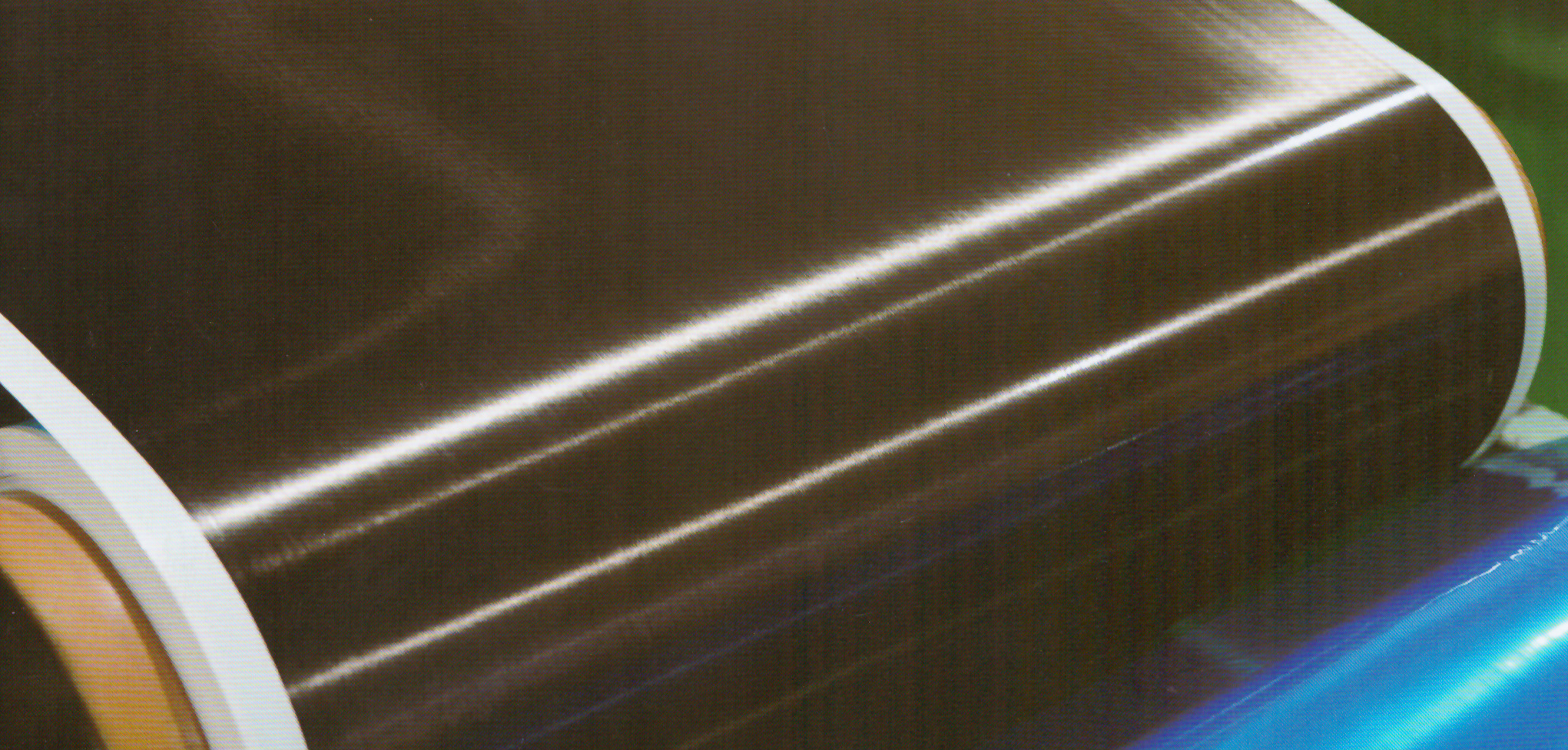
Carbon fiber fabric is a high-performance material that shines in industries like aerospace automotive and sports equipment thanks to its strength and light weight. But to get the most out of it applying uniform tension during installation is non negotiable. Uniform tension ensures that the fibers in the carbon fiber fabric stay aligned and evenly distributed. If tension is uneven some areas will be too loose while others are overstretched. Loose sections can trap air bubbles or create wrinkles and overstretched fibers might break or lose their structural integrity. Both issues ruin the carbon fiber fabric’s ability to distribute stress evenly which is key to its performance. Whether you’re making a racing bike frame or an aerospace component uniform tension is the foundation of a strong reliable finished product. It’s not just a small detail it’s the difference between a composite that meets high standards and one that falls short.
Prepare properly before applying tension to carbon fiber fabric
Good preparation sets the stage for applying uniform tension to carbon fiber fabric. First make sure your workspace is clean flat and free of distractions. A cluttered or uneven surface can throw off tension as you lay the carbon fiber fabric. Next inspect the carbon fiber fabric itself for any defects like frayed edges or wrinkles. If you find any fix them before starting—you can’t get uniform tension on damaged material. Cut the carbon fiber fabric to the exact size you need using sharp tools to avoid fraying which can make tension hard to control. Then prepare the substrate the surface you’re applying the carbon fiber fabric to. It should be smooth clean and dry with no dust or oil that could cause the fabric to slip. You might also want to mark guide lines on the substrate to help you lay the carbon fiber fabric straight. Taking these steps ensures that when you start applying tension there are no obstacles standing in your way.
Master techniques to apply uniform tension to carbon fiber fabric
Applying uniform tension to carbon fiber fabric takes practice but with the right techniques it becomes second nature. Start by securing one edge of the carbon fiber fabric to the substrate using temporary fasteners like tape or clamps. Make sure this edge is straight and tight—this is your anchor point. Then slowly stretch the carbon fiber fabric across the substrate working from one end to the other. Use your hands or a roller to apply even pressure as you go. For larger pieces enlist a helper to hold the opposite edge so you can pull gently and evenly. Avoid pulling too hard in one spot—instead use a consistent steady force. If you notice wrinkles or loose areas stop and adjust the tension before moving on. For curved surfaces take your time stretching the carbon fiber fabric slightly as you follow the curve to maintain uniform tension without creating gaps. Remember the goal is to have the carbon fiber fabric lie flat and tight against the substrate with no uneven spots.
Avoid common mistakes that ruin tension uniformity
Even with good preparation it’s easy to make mistakes that break uniform tension on carbon fiber fabric. One common error is pulling too hard in one area which stretches the carbon fiber fabric unevenly and weakens the fibers. Another mistake is rushing the process—taking shortcuts can lead to wrinkles or loose sections that are hard to fix. Don’t skimp on securing the edges either—if the carbon fiber fabric slips after you’ve applied tension all your work will be wasted. Avoid repositioning the carbon fiber fabric too many times as each move can disrupt the tension. Also be careful not to let the carbon fiber fabric bunch up especially around corners or curves. If you do notice a mistake don’t try to force the carbon fiber fabric into place—instead release the tension adjust the fabric and start again. Being mindful of these common pitfalls helps you maintain uniform tension throughout the application process.
Verify tension uniformity for perfect carbon fiber fabric results
After applying the carbon fiber fabric taking a moment to verify tension uniformity ensures you get the best possible results. Start with a visual inspection—look for wrinkles bubbles or areas that look loose or overstretched. The carbon fiber fabric should lie flat against the substrate with all fibers aligned smoothly. You can also run your hand gently over the surface—any uneven tension will feel like bumps or slack spots. For more precise checks use a tension meter if you have one—this tool measures the tension in different areas to ensure consistency. If you find any issues address them right away. For small wrinkles use a roller to apply gentle pressure and redistribute the tension. For loose areas carefully resecure the edges and pull the carbon fiber fabric taut again. Taking the time to verify and adjust ensures that the carbon fiber fabric performs at its best leading to a strong durable composite that meets your expectations.

 Hot News
 EN
EN