Applications of Carbon Fiber Composites in Low-Altitude Economy and Aerospace
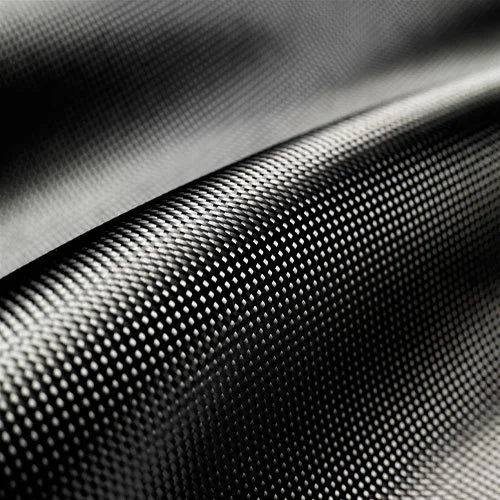
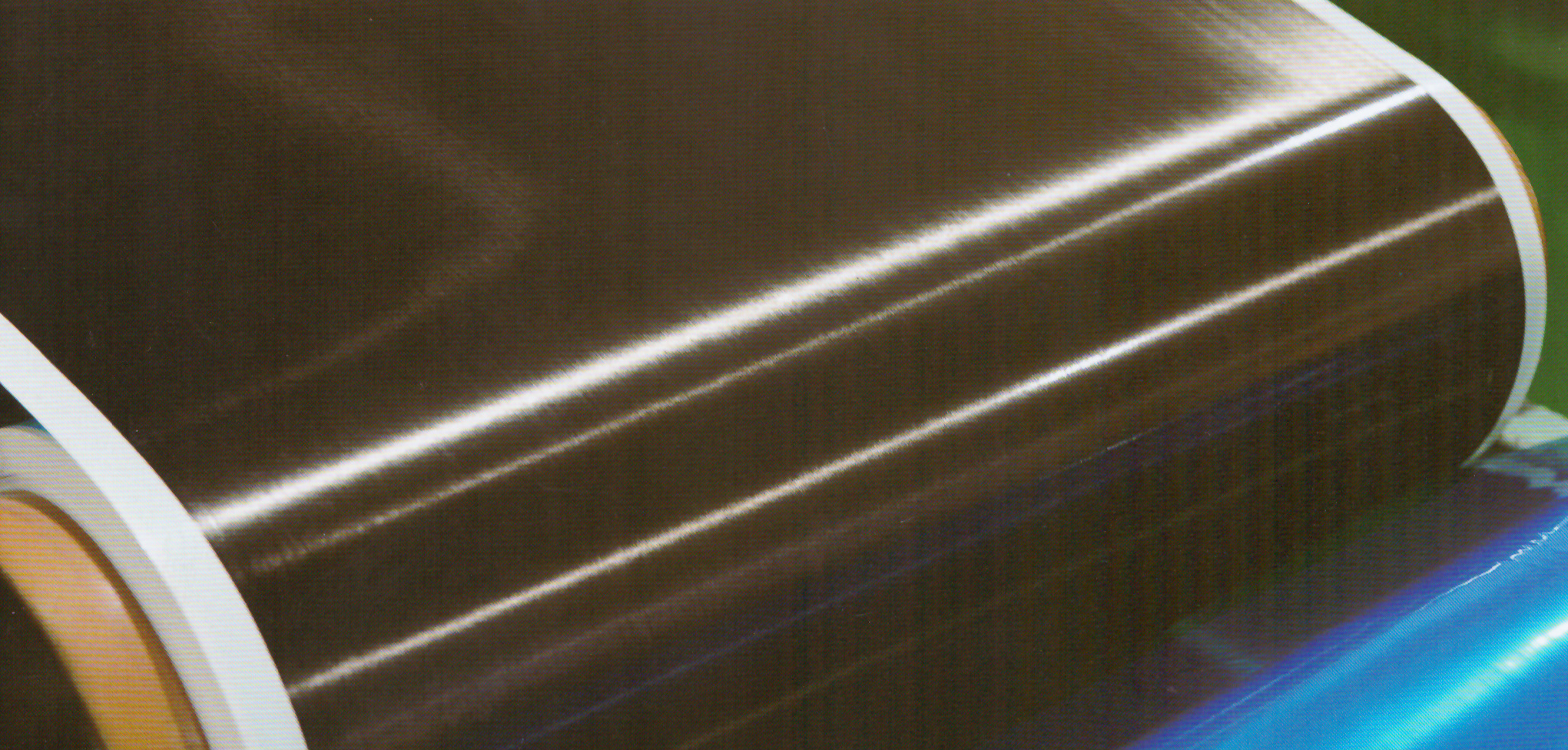
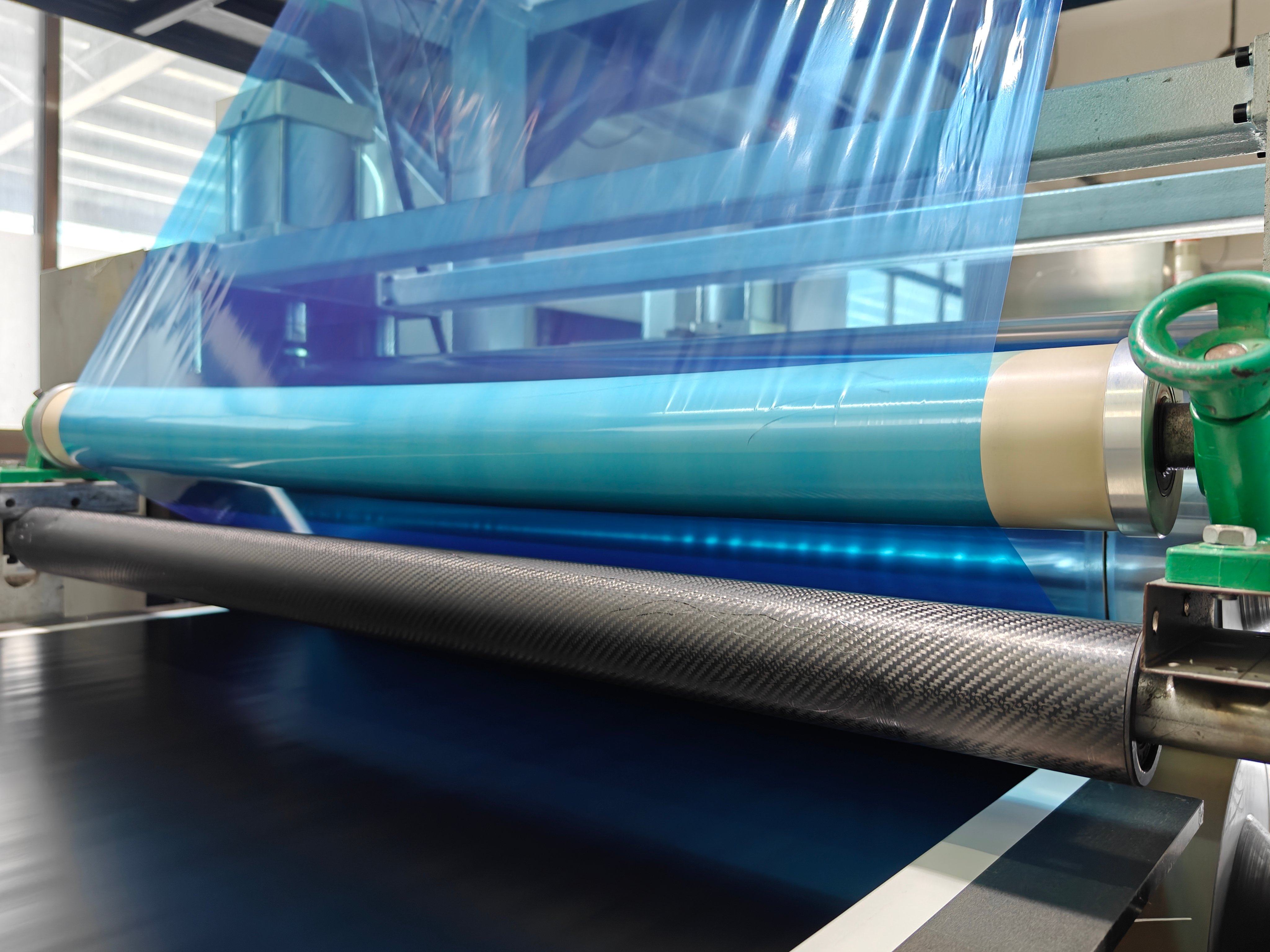
Carbon fiber composite materials, renowned for their exceptional strength-to-weight ratio, corrosion resistance, and structural stability, have become a cornerstone material driving innovation in the low-altitude economy and aerospace sectors. Their unique performance advantages address core pain points such as weight reduction, performance enhancement, and service life extension in key equipment, while also supporting the integration of new technologies and the implementation of major national projects. Below is a detailed elaboration of their applications in these two strategic fields.
1. Low-Altitude Economy: Drones and eVTOL as Core Application Carriers
The booming low-altitude economy, encompassing scenarios such as aerial logistics, urban air mobility, and smart port operations, has witnessed a significant surge in the application proportion of carbon fiber composites—particularly in unmanned aerial vehicles (UAVs) and electric vertical takeoff and landing (eVTOL) aircraft. For UAVs, which are widely used in aerial photography, power inspection, and cargo delivery, the fuselage and rotor components are critical to their operational efficiency. Traditional metal materials like aluminum alloys, while cost-effective, often struggle to balance weight and strength, limiting UAV payload capacity and endurance. Carbon fiber composites, by contrast, reduce the weight of UAV fuselages by 30% to 50% compared to traditional materials while maintaining equivalent or higher structural rigidity. This lightweight advantage directly translates to extended flight ranges—typically increasing by 20% to 30%—and enhanced payload capabilities, enabling UAVs to carry more sensors or delivery goods over longer distances.
Industry players are actively exploring deeper integration of carbon fiber composites with emerging technologies. Guangdong Port and Shipping Group, a leading enterprise in the maritime logistics sector, is pioneering "low-altitude economy" scenarios centered on smart ports and shipping industry belts. The group is promoting the integration of carbon fiber composites and artificial intelligence (AI) technology, applying composite material-based UAVs and eVTOLs to port cargo inspection, ship berthing guidance, and coastal patrol missions. The lightweight and corrosion-resistant properties of carbon fiber composites ensure the durability of these aerial devices in the high-humidity marine environment, while AI algorithms optimize their flight paths and task scheduling—creating a synergistic effect that enhances port operational efficiency by over 15% in pilot projects.
The application value of carbon fiber composites is even more prominent in eVTOL aircraft, which are poised to revolutionize urban air mobility. eVTOLs require high structural strength to withstand complex aerodynamic forces during vertical takeoff and landing, while also demanding lightweight designs to optimize battery energy utilization. Carbon fiber composite structural components—including wings, landing gear brackets, and fuselage frames—not only meet the strict strength requirements but also reduce overall aircraft weight by 40% or more. This weight reduction significantly improves energy efficiency, extending eVTOL flight ranges and reducing charging frequency, which is a key breakthrough for their commercialization.
In the aerospace field, where performance and reliability requirements are extremely stringent, carbon fiber composites have become a preferred material for key components. In commercial and military aircraft manufacturing, carbon fiber composites are widely used in wings, front fuselages, and tail sections. Compared to traditional aluminum alloy structures, carbon fiber composite wings reduce weight by approximately 25%, lowering fuel consumption by 10% to 15%—a critical advantage for reducing airline operating costs and carbon emissions. Additionally, carbon fiber composites exhibit excellent fatigue resistance, withstanding tens of thousands of takeoff and landing cycles without performance degradation, thereby extending aircraft service life by 20% or more.
2. Aerospace: Empowering High-Performance Equipment and Major Projects
Carbon fiber composites also play a vital role in China's major deep-sea and aerospace-related technology projects. In the "Mingyuan Plan" and other deep-sea technology initiatives, which focus on developing high-end marine equipment and offshore energy exploitation technologies, carbon fiber composites are used in the manufacturing of floating wind power mooring chains and deep-sea exploration equipment components. Floating wind power mooring chains, which must withstand strong ocean currents, corrosion, and heavy loads, benefit from the high tensile strength and corrosion resistance of carbon fiber composites—improving the stability and service life of floating wind platforms. This application not only supports China's deep-sea development strategy but also promotes the localization and industrialization of high-performance carbon fiber composites.
The aerospace sector also sees growing demand for carbon fiber composites in satellite manufacturing, particularly for satellite antenna support structures. These structures require ultra-high precision, lightweight properties, and resistance to extreme space environments (such as temperature fluctuations and radiation). Carbon fiber composites not only meet these requirements but also ensure stable signal transmission by minimizing structural deformation. Market data shows that demand for carbon fiber composites in satellite antenna support structures and related aerospace components has increased by more than 50% in recent years, driven by the accelerated deployment of low-Earth orbit satellite constellations.
In conclusion, carbon fiber composites have become an indispensable material in the low-altitude economy and aerospace sectors, driving technological progress and industrial upgrading. As material processing technologies advance and application scenarios expand, their strategic value in these fields will continue to grow.
 Hot News
2026-07-07
2025-09-09
2025-09-25
2025-12-25
2025-12-22
2025-12-19
Copyright © 2025 by Weihai Dushi Composite Material Co.Ltd - Privacy Policy
 EN
EN