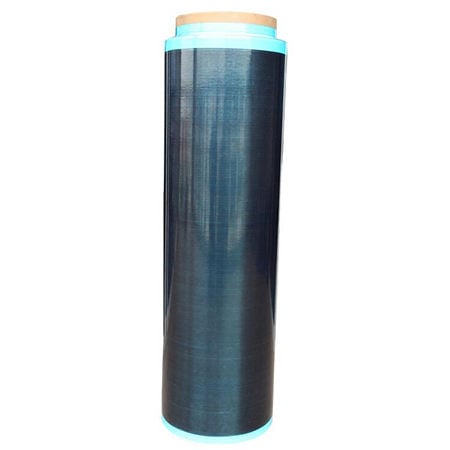
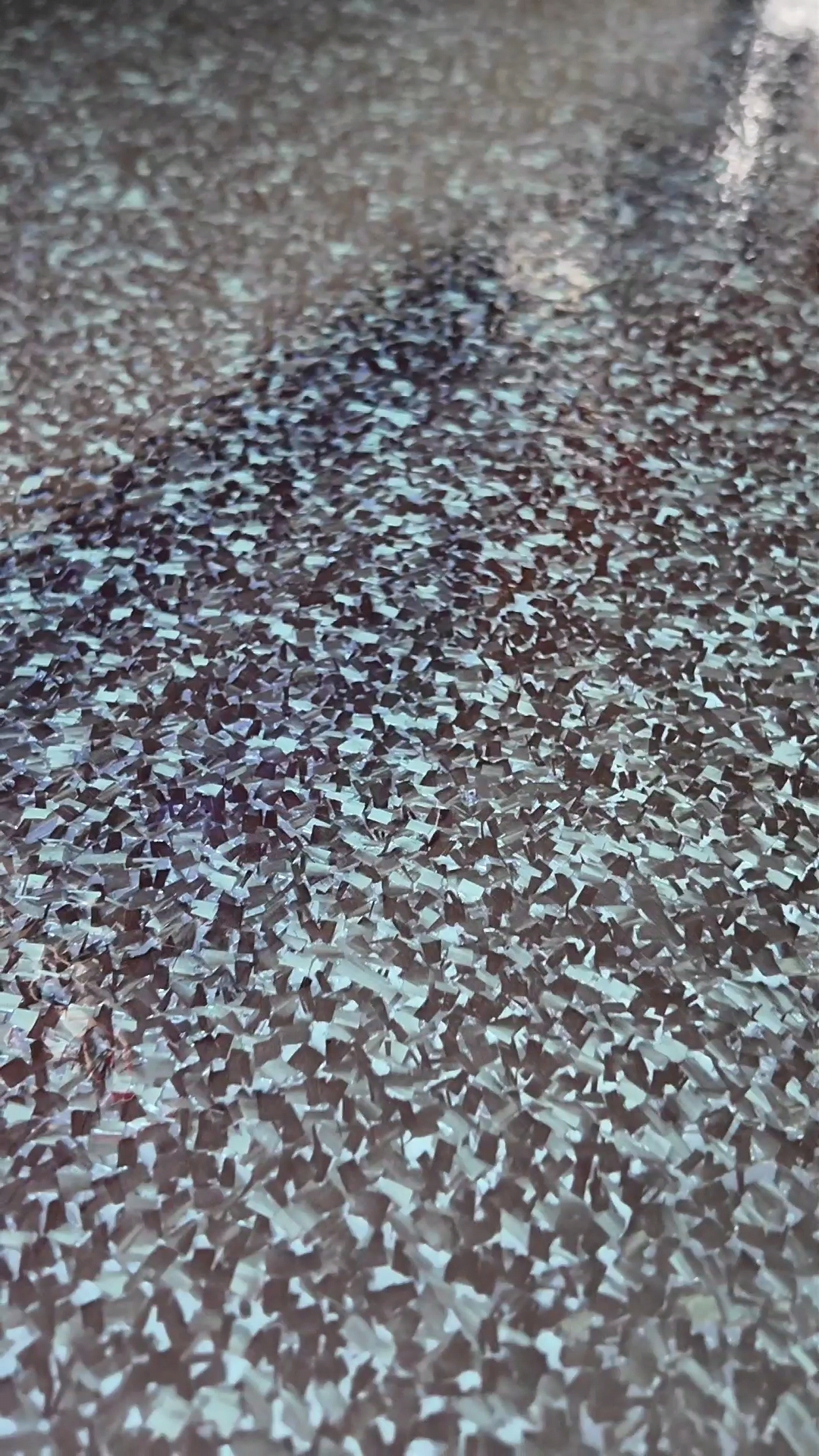
Carbon fiber prepreg is prized for its smooth finish and structural integrity, but wrinkles during application can ruin its performance and appearance. Whether you’re working on aerospace components, automotive parts or sports equipment, avoiding wrinkles is key to getting the most out of carbon fiber prepreg. The good news is that with proper preparation and careful 操作,you can keep wrinkles at bay and ensure a flawless application. Let’s break down the practical steps to avoid wrinkles when working with carbon fiber prepreg.
Prepare the base surface meticulously
A smooth, even base is the foundation for wrinkle free carbon fiber prepreg application. Start by cleaning the surface thoroughly to remove any dust, dirt or debris that could create bumps. Use a lint free cloth and a mild cleaner to wipe the surface, then let it dry completely. If the base has uneven spots or imperfections, sand them down until the surface is flat. For curved surfaces, make sure the mold is smooth and free of any ridges that could cause the carbon fiber prepreg to bunch up. Applying a thin layer of release agent (if needed) can also help the carbon fiber prepreg glide smoothly during placement, reducing the risk of wrinkles. Taking the time to prep the surface ensures the carbon fiber prepreg lays flat from the start.
Handle and cut carbon fiber prepreg correctly
How you handle and cut carbon fiber prepreg plays a big role in preventing wrinkles. Always store carbon fiber prepreg properly to keep it flat and free of creases before use. When cutting, measure the area accurately and mark the carbon fiber prepreg with a removable marker. Use sharp, high quality cutting tools designed for composite materials to get clean edges. Avoid pulling or stretching the carbon fiber prepreg while cutting, as this can distort the fibers and lead to wrinkles later. Cut the material slightly larger than the target area to allow for adjustments during application. Handling the carbon fiber prepreg gently—holding it by the edges instead of the center—prevents unnecessary creases that are hard to smooth out.
Use the right application technique
The way you lay and smooth carbon fiber prepreg is crucial for avoiding wrinkles. Start by positioning the carbon fiber prepreg over the surface without pressing it down immediately. Align it carefully to the target area, leaving a little slack to adjust as needed. Begin pressing the carbon fiber prepreg from the center outward using a smooth roller. Apply even pressure to work out any trapped air and ensure the material adheres flatly. For large or curved surfaces, work in small sections instead of trying to lay the entire piece at once. If you notice a wrinkle starting to form, lift the carbon fiber prepreg slightly and reposition it before pressing down firmly. Using a squeegee for tight spots or curved edges can help smooth the carbon fiber prepreg without creating folds.
Control environmental conditions
Environmental factors can contribute to wrinkles in carbon fiber prepreg, so it’s important to work in the right conditions. Keep the workspace at a moderate temperature—extreme heat or cold can make the carbon fiber prepreg stiff or overly flexible, making it harder to lay flat. Avoid working in humid environments, as moisture can affect the adhesive properties of the carbon fiber prepreg and cause it to stick unevenly. Ensure there’s no strong airflow in the workspace that could blow the carbon fiber prepreg around while you’re applying it. Maintaining stable conditions helps the carbon fiber prepreg behave predictably, making it easier to avoid wrinkles during application.
Address small wrinkles promptly
Even with careful preparation, small wrinkles might still appear. The key is to address them right away before they set. If you spot a minor wrinkle, gently lift the edge of the carbon fiber prepreg near the wrinkle and use a roller to smooth it out from the center outward. For deeper wrinkles that can’t be smoothed by repositioning, use a heat gun on a low setting to warm the area slightly (be careful not to overheat the carbon fiber prepreg). The heat will make the material more flexible, allowing you to flatten the wrinkle with a roller. Never leave a wrinkle unaddressed, as it will harden during curing and compromise the strength and appearance of the carbon fiber prepreg. Taking quick action ensures small issues don’t turn into permanent flaws.

 Hot News
 EN
EN