EN
EN
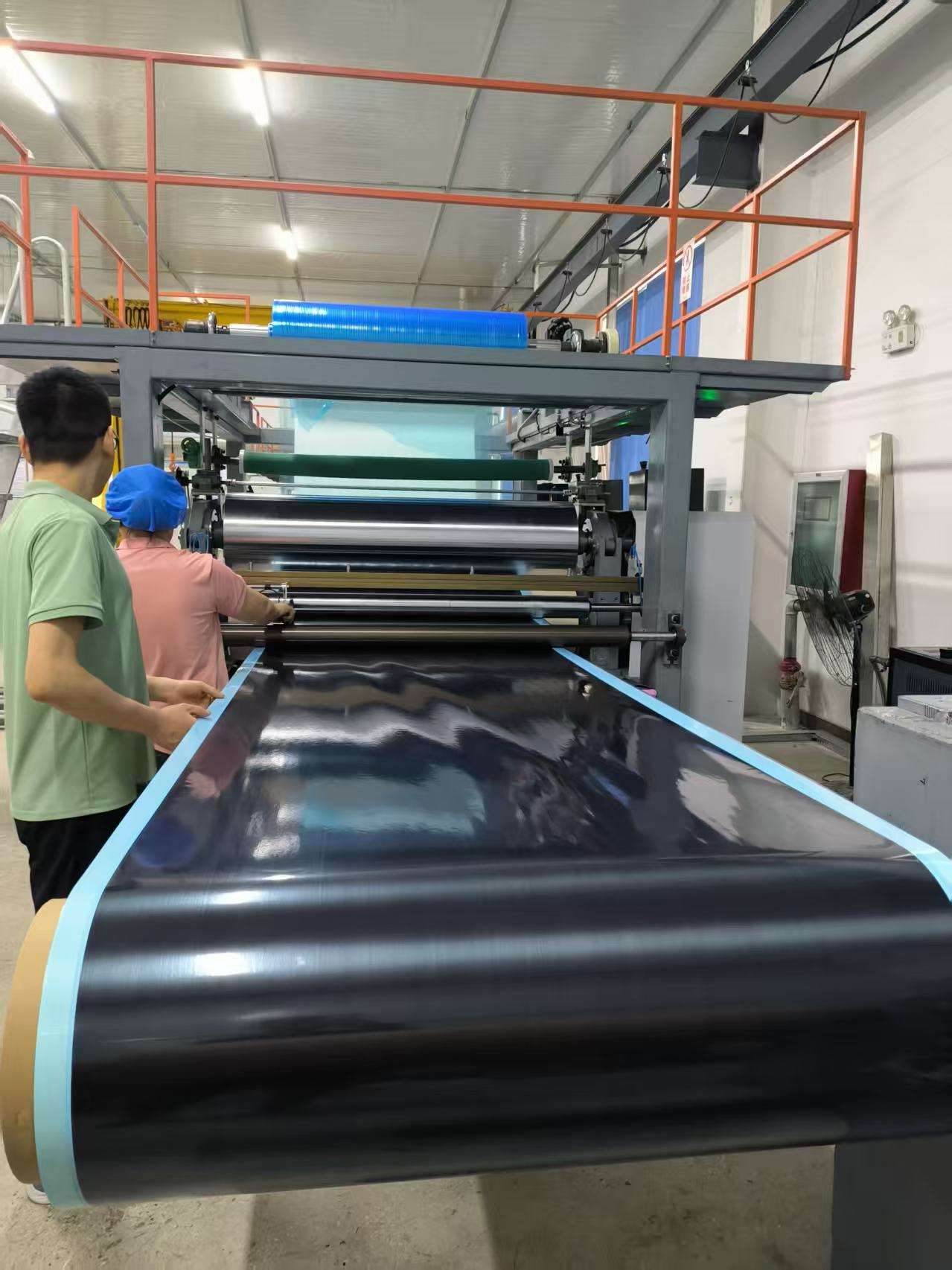
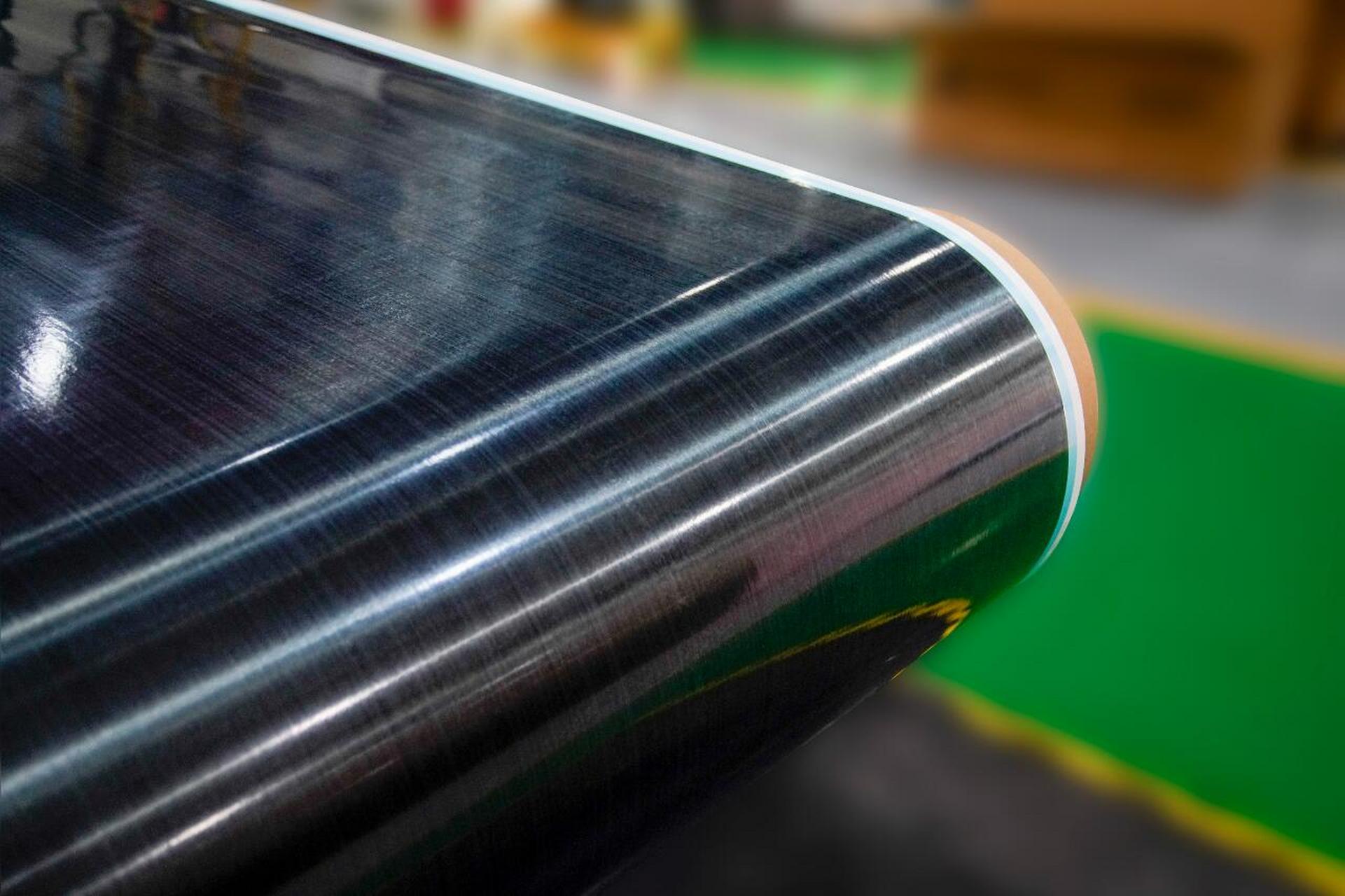
A-1 UD carbon fiber prepreg
Performance Characteristics:
- High strength, low density, lightweight
- Excellent fatigue strength and vibration damping
- Low friction coefficient and superior wear resistance
- Corrosion-resistant, long service life
- Good plasticity, adaptable to any mold shape
- Easy to process
- Overview
- Recommended Products
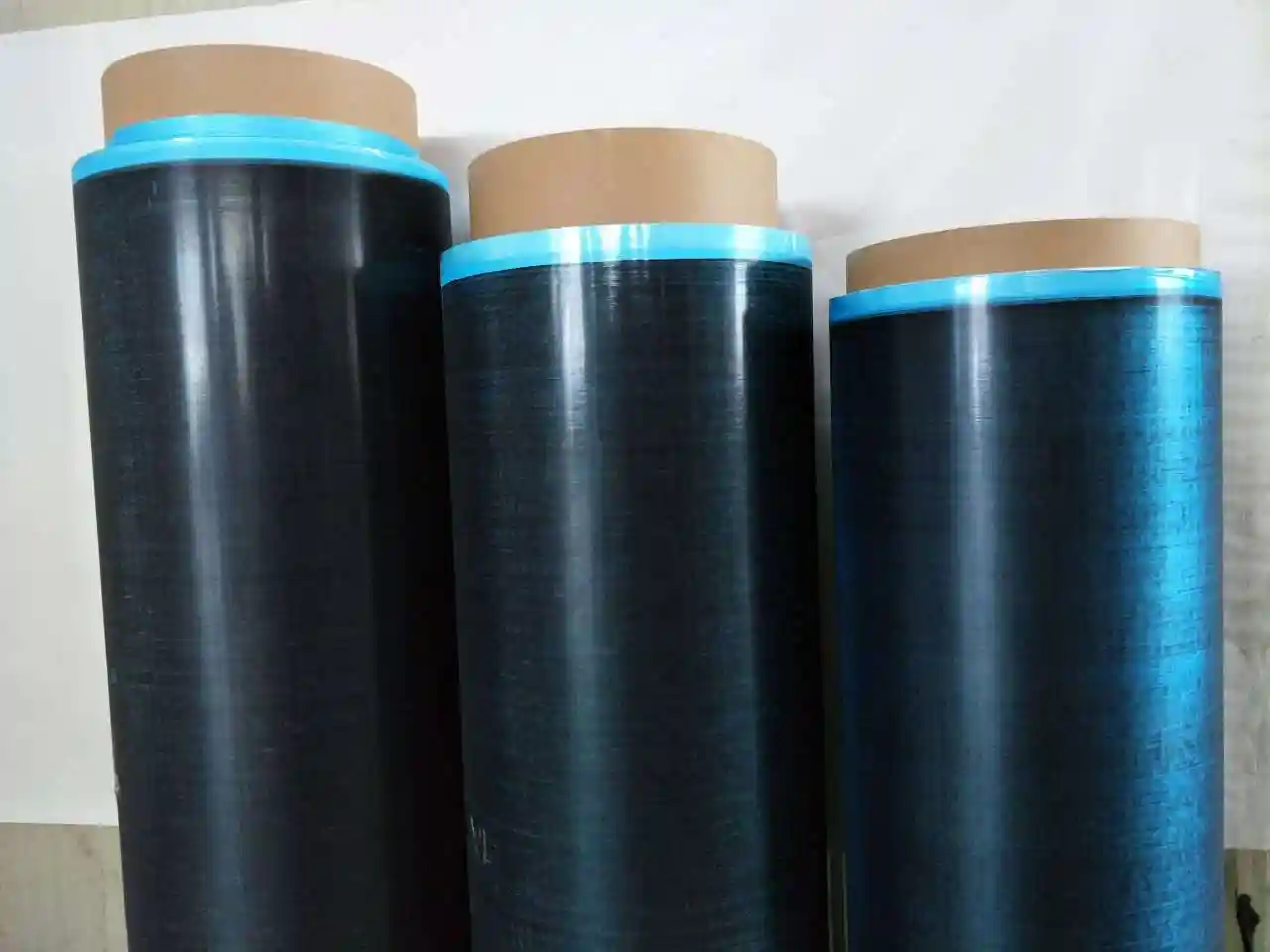
Unidirectional Carbon Fiber Prepreg (UD Carbon Fiber Prepreg)
Product Introduction
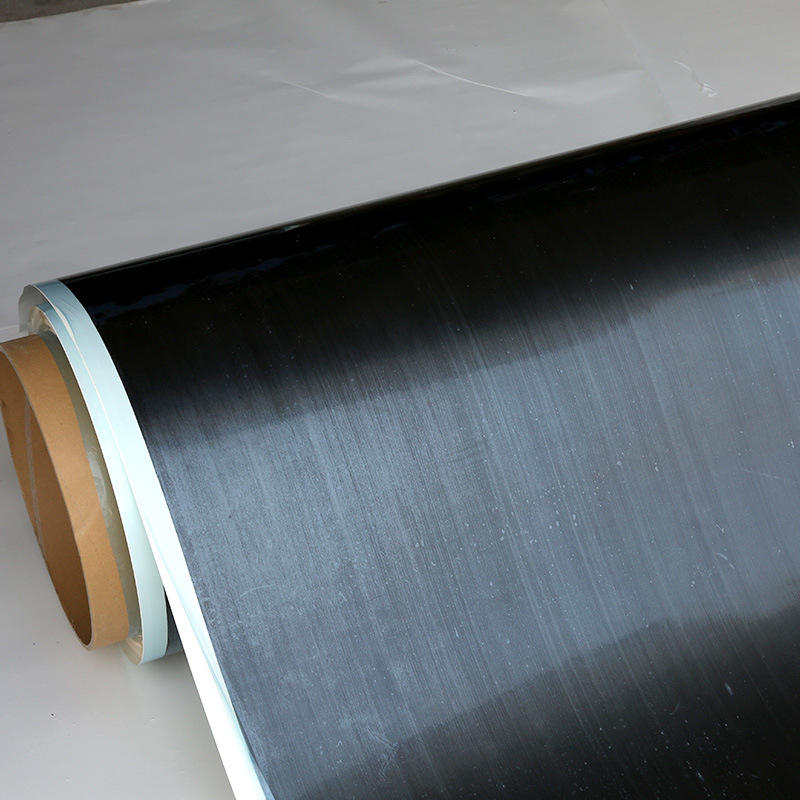
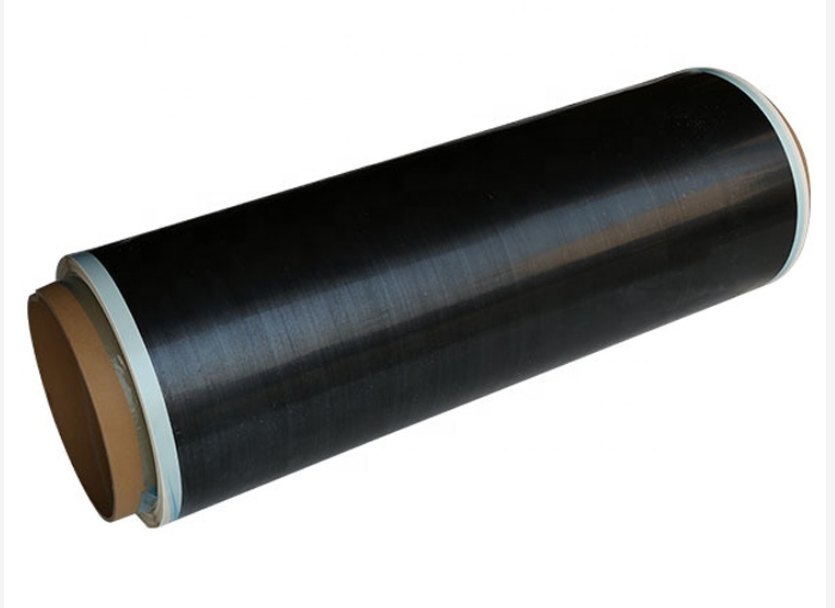
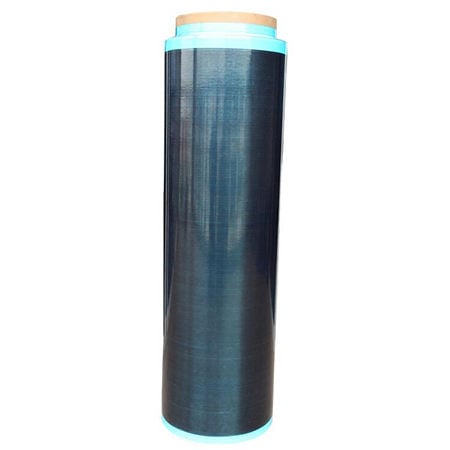
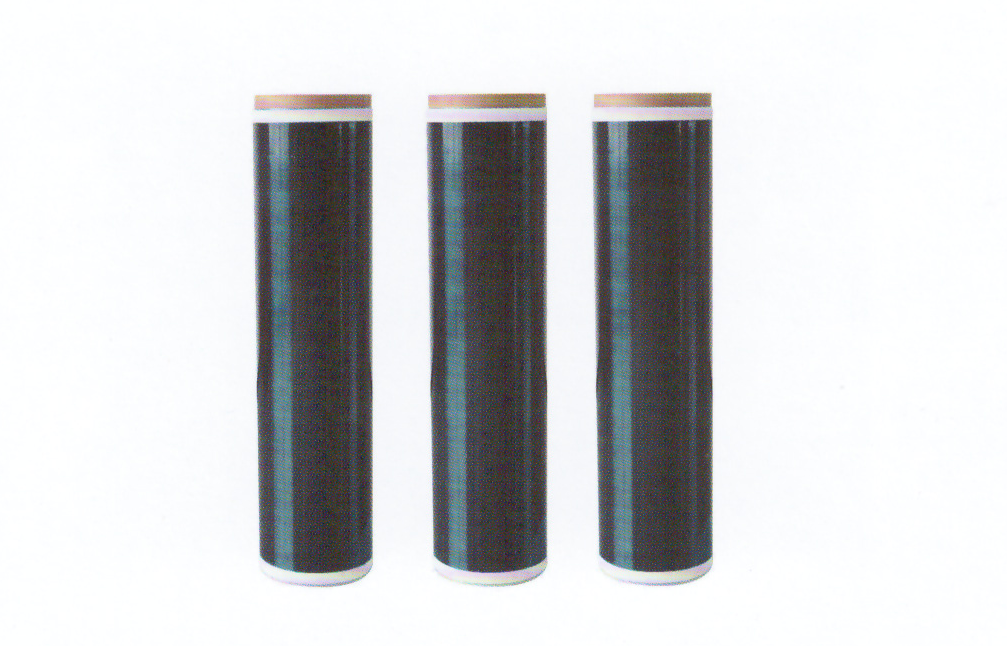
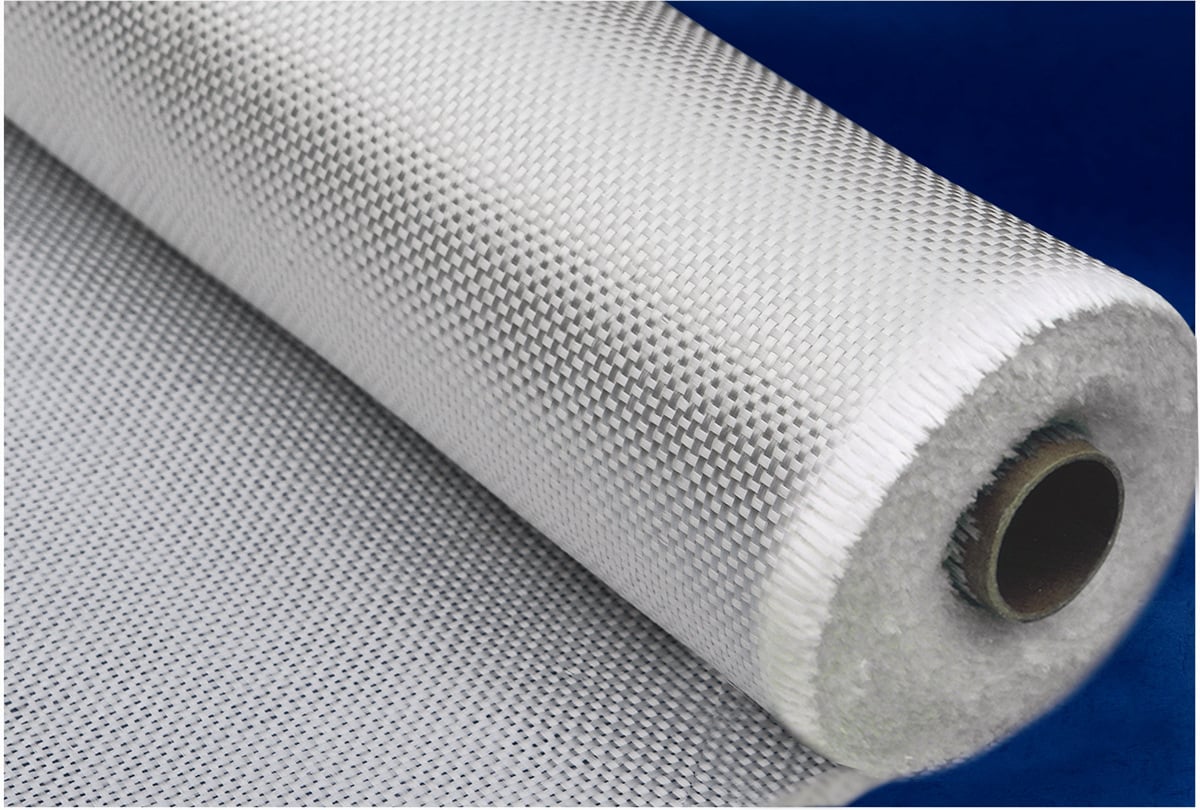
Unidirectional carbon fiber prepreg, commonly referred to as UD carbon fiber prepreg, is a high-performance composite material consisting of carbon fibers aligned in a single direction and pre-impregnated with a resin matrix. This specialized structure is engineered to maximize the material’s mechanical properties along the fiber direction, making it a preferred choice for high-stress applications across industries.
A key advantage of this product lies in its flexible and customizable performance parameters: the fiber modulus is available in three high-performance grades—24 GPa, 30 GPa, and 40 GPa (commonly referred to as TON grades), covering a wide range of strength requirements from general industrial use to aerospace-grade applications. In terms of surface density, it offers an extensive range from 10 g/㎡ to 1000 g/㎡, allowing for precise control of component weight and thickness based on specific design needs.
The prepreg width is standardized between 1 meter and 1.5 meters, catering to both mass-production lines and customized manufacturing scenarios. Most notably, the resin matrix can be fully customized according to customer requirements, including epoxy, polyester, and other specialized resins, to adapt to different processing conditions (such as curing temperature and time) and end-use environment demands (such as high temperature or chemical resistance).
Performance Characteristics
UD carbon fiber prepreg boasts a comprehensive set of superior performance characteristics that set it apart from traditional materials.
● Firstly, it exhibits exceptional high strength paired with low density, a combination that enables the creation of lightweight components without compromising structural integrity—its specific strength is several times higher than that of steel, making it ideal for weight-sensitive applications.
● Secondly, it features excellent fatigue strength and vibration damping capabilities; the unidirectional fiber arrangement and resin matrix work together to absorb and dissipate vibrational energy effectively, ensuring long-term structural stability even under repeated cyclic loads, which is crucial for components like aircraft wings and automotive chassis that endure constant stress.
● Thirdly, it has a low friction coefficient and superior wear resistance; the smooth surface of carbon fibers, combined with the protective resin layer, reduces friction between the material and contact surfaces, minimizing wear and extending the service life of moving parts.
● Fourthly, it demonstrates outstanding corrosion resistance—unlike metals that are prone to rust and chemical erosion, carbon fibers are inherently inert, and the resin matrix further isolates the material from moisture, chemicals, and harsh environmental factors, ensuring a long service life in marine, industrial, and outdoor environments.
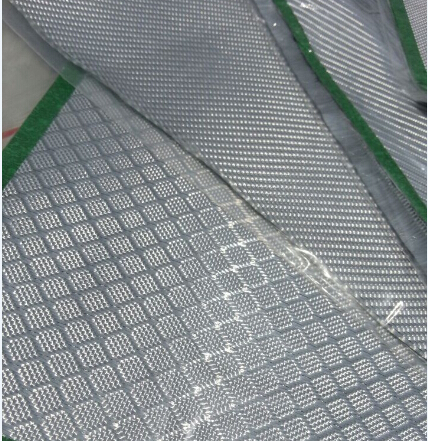
● Additionally, it offers good plasticity, allowing it to adapt to any mold shape; during the curing process, the prepreg can be easily shaped to fit complex molds, enabling the production of integrated components with intricate structures that would be difficult or impossible to achieve with traditional manufacturing methods.
● Finally, it is easy to process—compared to raw carbon fibers that require separate resin impregnation, UD prepreg comes pre-impregnated, simplifying processing steps such as cutting, laying, and curing, reducing production time and improving manufacturing efficiency.
Product Applications
Benefiting from its excellent plasticity and comprehensive mechanical properties, UD carbon fiber prepreg is widely used in the manufacturing of carbon fiber tubes, carbon fiber plates, and various complex-shaped components, with applications spanning multiple high-end industries.
In the aerospace sector, it is a core material for aircraft load-bearing structures such as wings, tails, and cabin walls. By using UD prepreg, manufacturers can significantly reduce the weight of aircraft while maintaining high stiffness—this weight reduction directly translates to lower fuel consumption, extended flight range, and improved overall flight performance, meeting the stringent safety and efficiency requirements of the aerospace industry.
In the automotive industry, it is increasingly used in sports car body parts, including doors, chassis, and body frames. The high strength of UD prepreg enhances the impact resistance of automotive components, improving passenger safety, while its lightweight nature reduces the overall weight of the vehicle, thereby improving fuel efficiency and reducing emissions, aligning with the global trend of automotive lightweighting and environmental protection.
In the field of high-end sports equipment, it is a preferred material for golf clubs, fishing rods, and ski poles. The high strength and flexibility of UD prepreg allow for the design of sports equipment with optimized rigidity and elasticity—for example, golf clubs made with UD prepreg offer better power transmission, while fishing rods have improved tensile strength and flexibility, helping athletes enhance their performance.
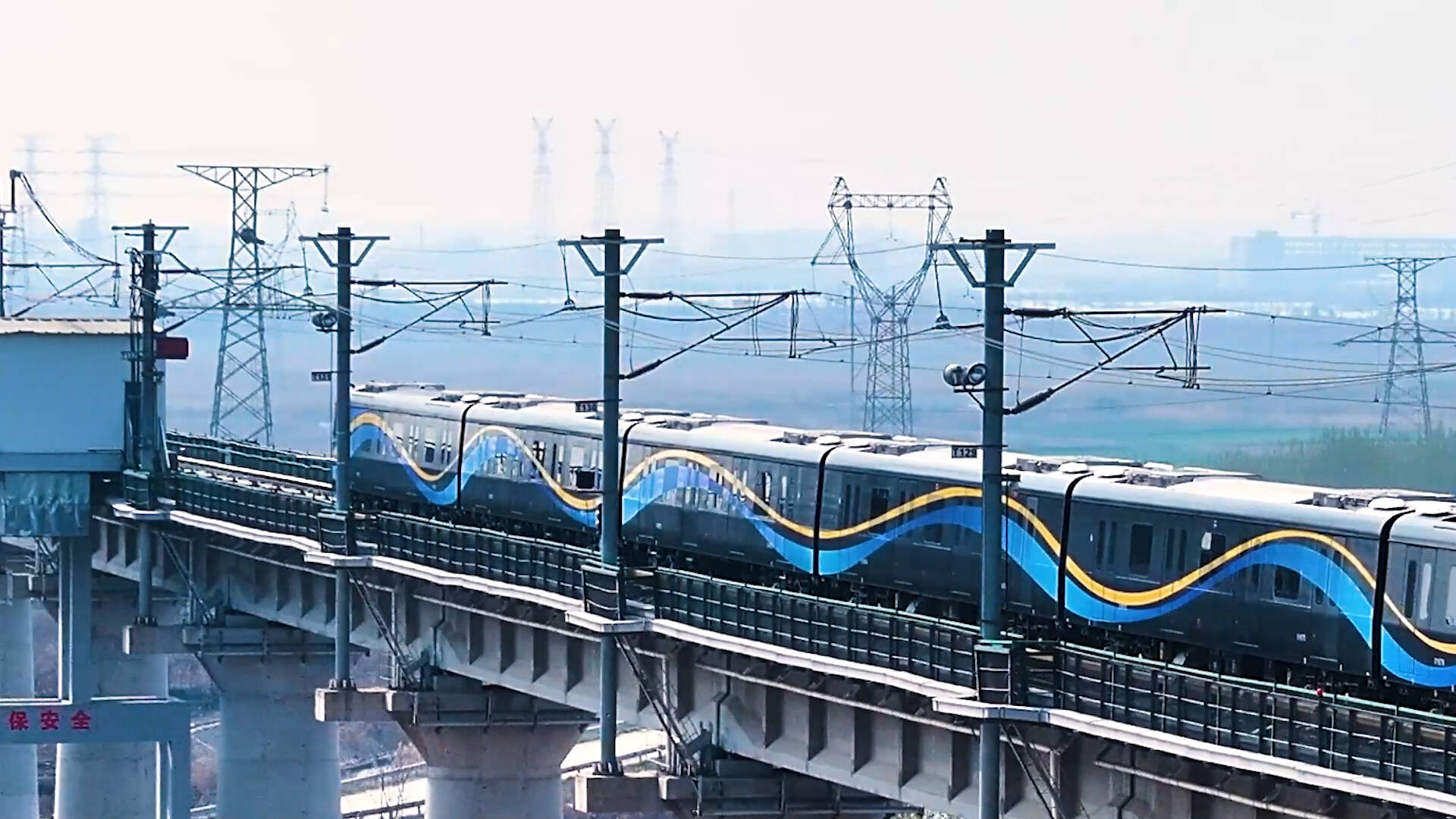
In industrial equipment, it is used in high-pressure structures such as pressure vessels and pipes. Through the winding process, UD prepreg can be laid in a direction that aligns with the principal stress of the structure, achieving a seamless high-strength design that can withstand extreme pressure, making it suitable for industrial applications such as oil and gas transportation and chemical processing. Beyond these key areas, UD carbon fiber prepreg also finds applications in wind energy (for wind turbine blades, where its lightweight and high strength improve energy conversion efficiency), rail transit (for train bodies and bogies, reducing weight and improving operational stability), and other fields that require lightweight, high-strength, and weather-resistant carbon fiber components. As industries continue to pursue higher performance and efficiency, the application scope of UD carbon fiber prepreg is expected to expand further.