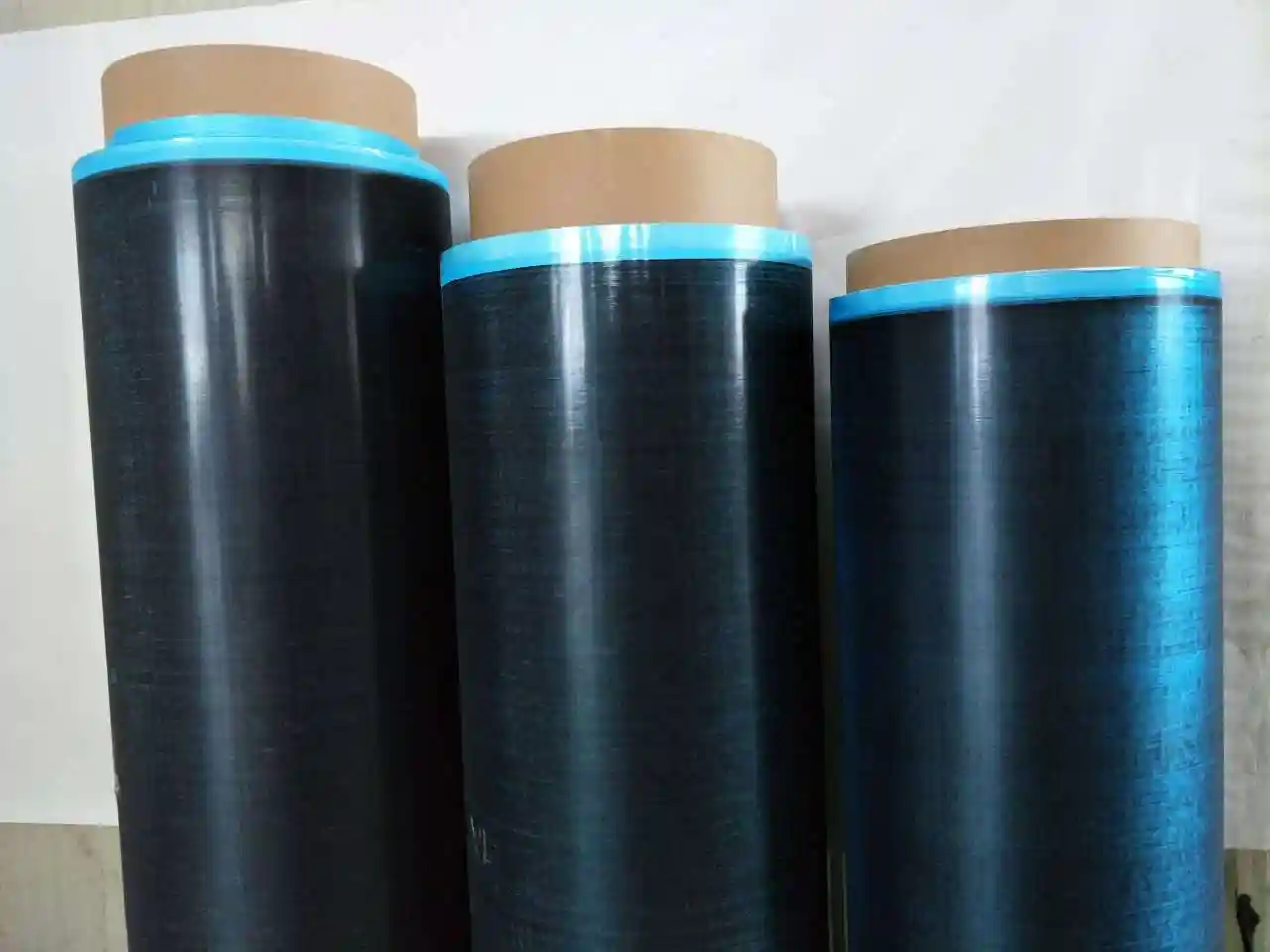
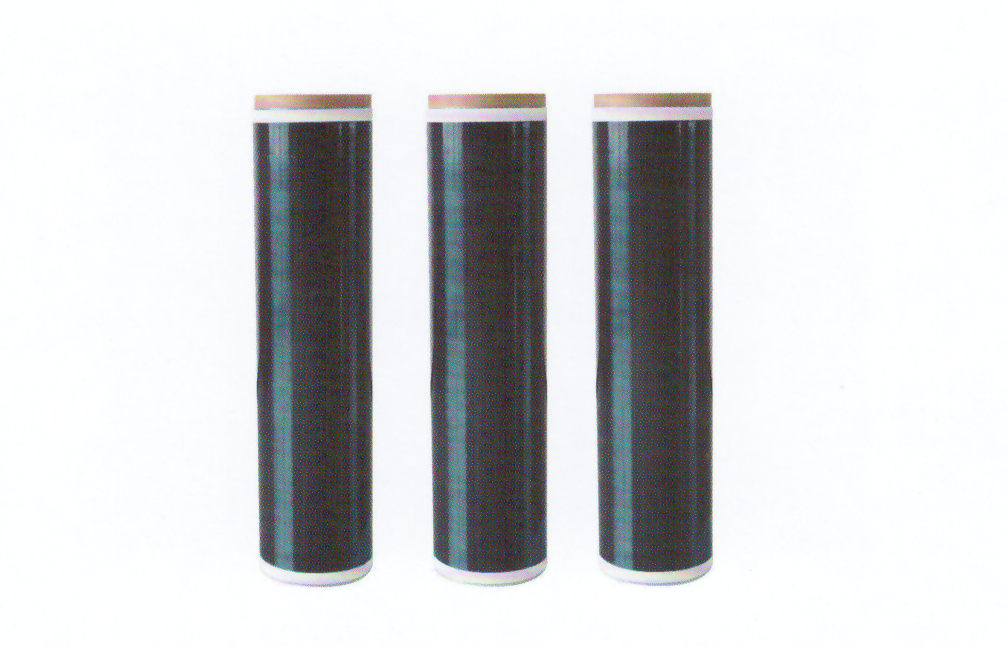
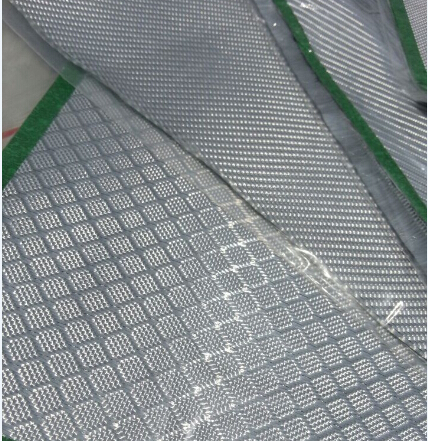
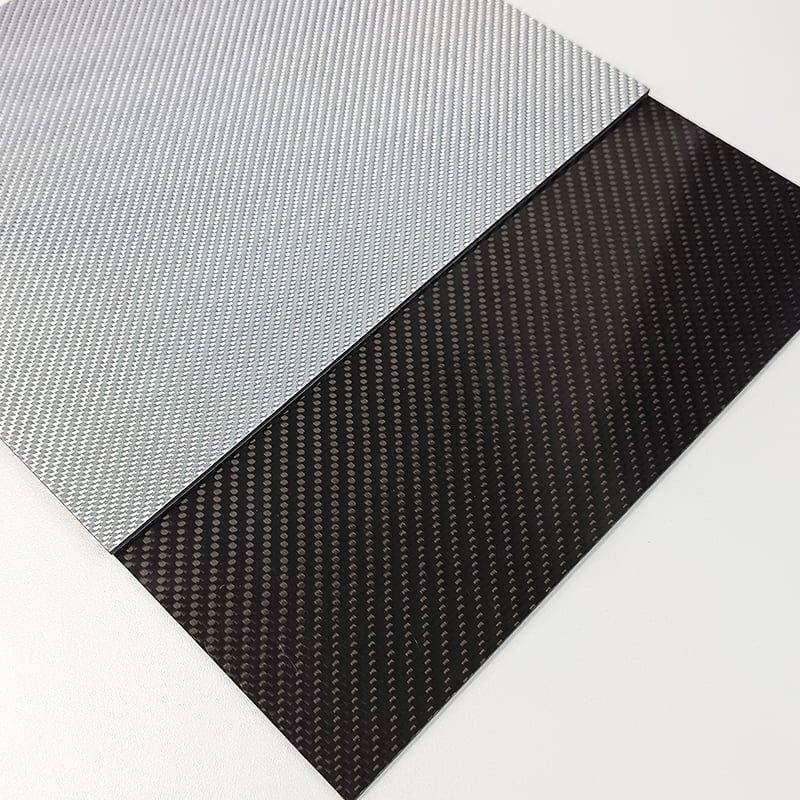
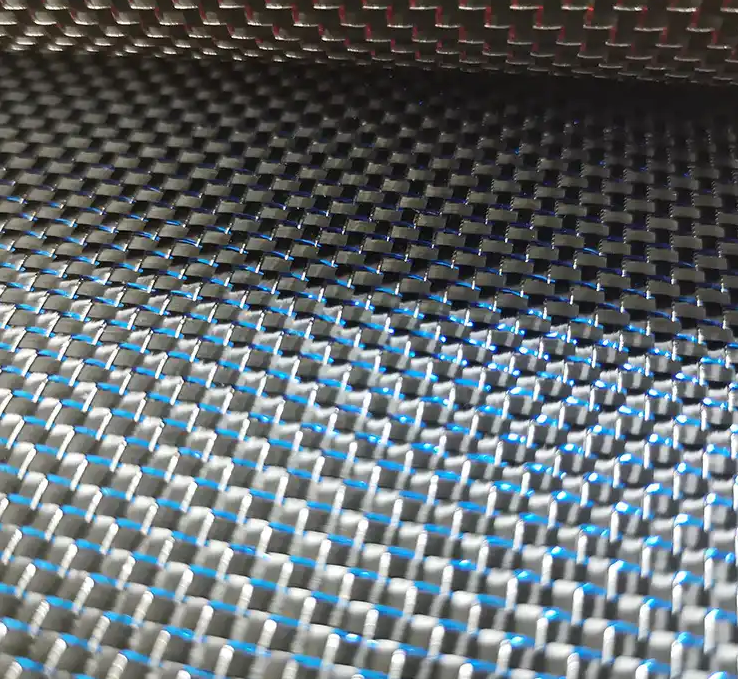
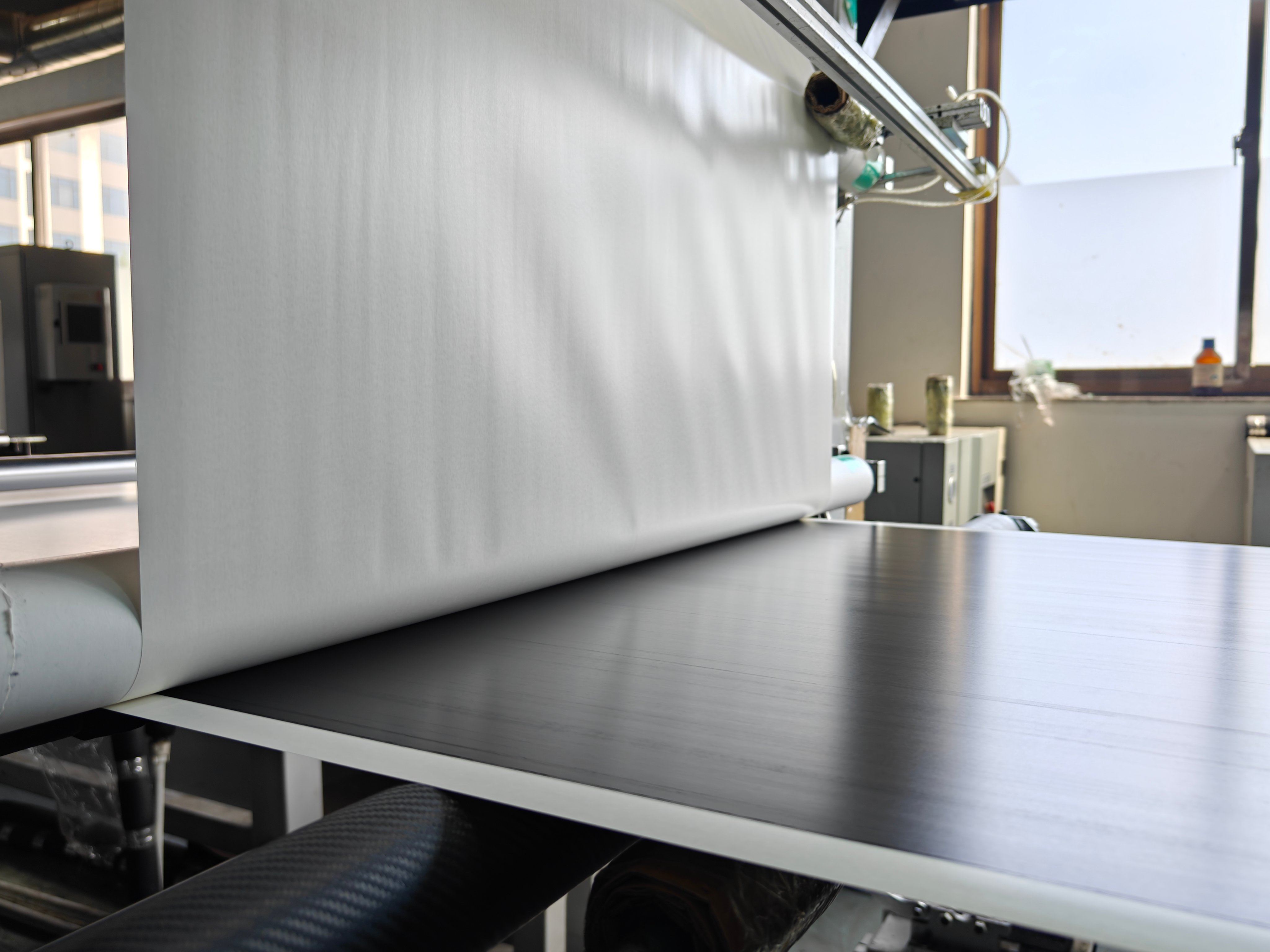
Carbon fiber prepreg is a high performance material that’s widely used in strengthening and modifying structures across industries like aerospace automotive and rail transit. Installing carbon fiber prepreg correctly is essential to unlock its full potential of strength and durability. The process requires attention to detail and following specific steps to ensure a secure and effective installation. Whether you’re working on industrial projects or small scale applications these key steps will guide you through installing carbon fiber prepreg successfully.
Prepare the base surface thoroughly
The first and most critical step in installing carbon fiber prepreg is preparing the base surface. The surface must be clean dry and free of any contaminants that could affect adhesion. Start by removing dust dirt oil and grease using a suitable cleaner such as isopropyl alcohol. For uneven surfaces use sandpaper to smooth them out creating a rough texture that helps the carbon fiber prepreg bond better. If there are cracks or holes in the base fill them with a compatible filler and sand them down once dry. Make sure the surface is completely dry before moving forward as moisture can cause bubbles or delamination in the carbon fiber prepreg later on. Checking the surface for any remaining debris or uneven spots ensures a solid foundation for installation.
Cut and trim the carbon fiber prepreg
Once the surface is ready it’s time to cut the carbon fiber prepreg to the required size and shape. Measure the area carefully and mark the carbon fiber prepreg using a removable marker or grease pencil. Use sharp cutting tools designed for composite materials such as heavy duty scissors or a utility knife with a fresh blade. This prevents fraying or damaging the fibers which would weaken the carbon fiber prepreg’s structural integrity. Cut along the marked lines with steady pressure ensuring clean straight edges. For complex shapes take your time and make small precise cuts to avoid mistakes. After cutting lay the carbon fiber prepreg over the installation area to check the fit and trim any excess material if needed. Proper cutting ensures the carbon fiber prepreg covers the target area perfectly without gaps or overlaps that could compromise performance.
Apply adhesive and position the carbon fiber prepreg
Choosing the right adhesive is crucial for a strong bond between the carbon fiber prepreg and the base surface. Epoxy based adhesives are commonly used as they work well with carbon fiber prepreg and provide excellent adhesion. Mix the adhesive according to the manufacturer’s instructions ensuring a uniform consistency. Apply the adhesive evenly over the prepared surface using a brush roller or spatula. Avoid applying too much adhesive as this can lead to excess resin buildup and uneven bonding. Carefully place the cut carbon fiber prepreg onto the adhesive coated surface aligning it with the target area. Use your hands or a smooth roller to press the carbon fiber prepreg firmly starting from the center and working outward. This removes trapped air bubbles and ensures full contact between the carbon fiber prepreg and the base. For curved or vertical surfaces use clamps or weights to hold the carbon fiber prepreg in place while the adhesive sets.
Cure the carbon fiber prepreg properly
Curing is a vital step that transforms the carbon fiber prepreg into a strong rigid structure. The curing process depends on the type of carbon fiber prepreg and adhesive being used so always follow the manufacturer’s recommended parameters. Most carbon fiber prepreg requires a specific temperature and time to cure fully. Use a curing oven or heat gun to maintain a consistent temperature throughout the installation. Avoid sudden temperature changes as this can cause internal stress or cracks in the carbon fiber prepreg. Allow the carbon fiber prepreg to cure undisturbed for the specified time. Rushing the curing process will result in a weak bond and reduced performance. After curing check the carbon fiber prepreg for any signs of delamination or incomplete bonding. A properly cured carbon fiber prepreg will be firm and tightly bonded to the base surface.
Conduct post installation inspection and finishing
Once the carbon fiber prepreg is fully cured it’s important to inspect the installation thoroughly. Check for any bubbles cracks or areas where the carbon fiber prepreg has lifted from the base. If minor issues are found use sandpaper to smooth the surface and apply a small amount of adhesive to resecure the area. For a neat finish sand the edges of the carbon fiber prepreg to remove any rough spots or excess adhesive. If the installation requires a specific appearance apply a clear coat or paint that’s compatible with carbon fiber prepreg. This not only enhances the look but also provides additional protection against environmental factors like moisture and UV rays. Finally clean the installed carbon fiber prepreg with a lint free cloth to remove any dust or debris from the finishing process. A thorough inspection and proper finishing ensure the carbon fiber prepreg performs well and maintains its integrity over time.

 Hot News
 EN
EN