Carbon fiber prepreg is a versatile high performance material that finds its way into various industries. But here’s the thing—using carbon fiber prepreg isn’t a one size fits all deal. Different projects have unique demands, so the way you handle apply and choose carbon fiber prepreg changes accordingly. Whether it’s aerospace automotive sports equipment or construction strengthening knowing these differences is key to making the most of the material. Let’s dive into how using carbon fiber prepreg varies across different project types.
Aerospace projects: Strict focus on precision and performance
Aerospace projects have the most rigorous requirements for carbon fiber prepreg. Safety and weight reduction are top priorities here. First you need to pick high grade carbon fiber prepreg with consistent resin content and fiber alignment. Even tiny variations can affect the structural strength which is unacceptable for aircraft or spacecraft parts. During application layering must be extremely precise following strict design blueprints to ensure uniform strength distribution. Curing parameters are also non negotiable—temperature and time must be controlled within tight ranges using professional curing ovens. Post processing involves detailed inspections like ultrasonic testing to detect any hidden defects. Every step with carbon fiber prepreg in aerospace is about meeting strict industry standards to guarantee reliability in extreme environments.
Automotive projects: Balance between strength and cost efficiency
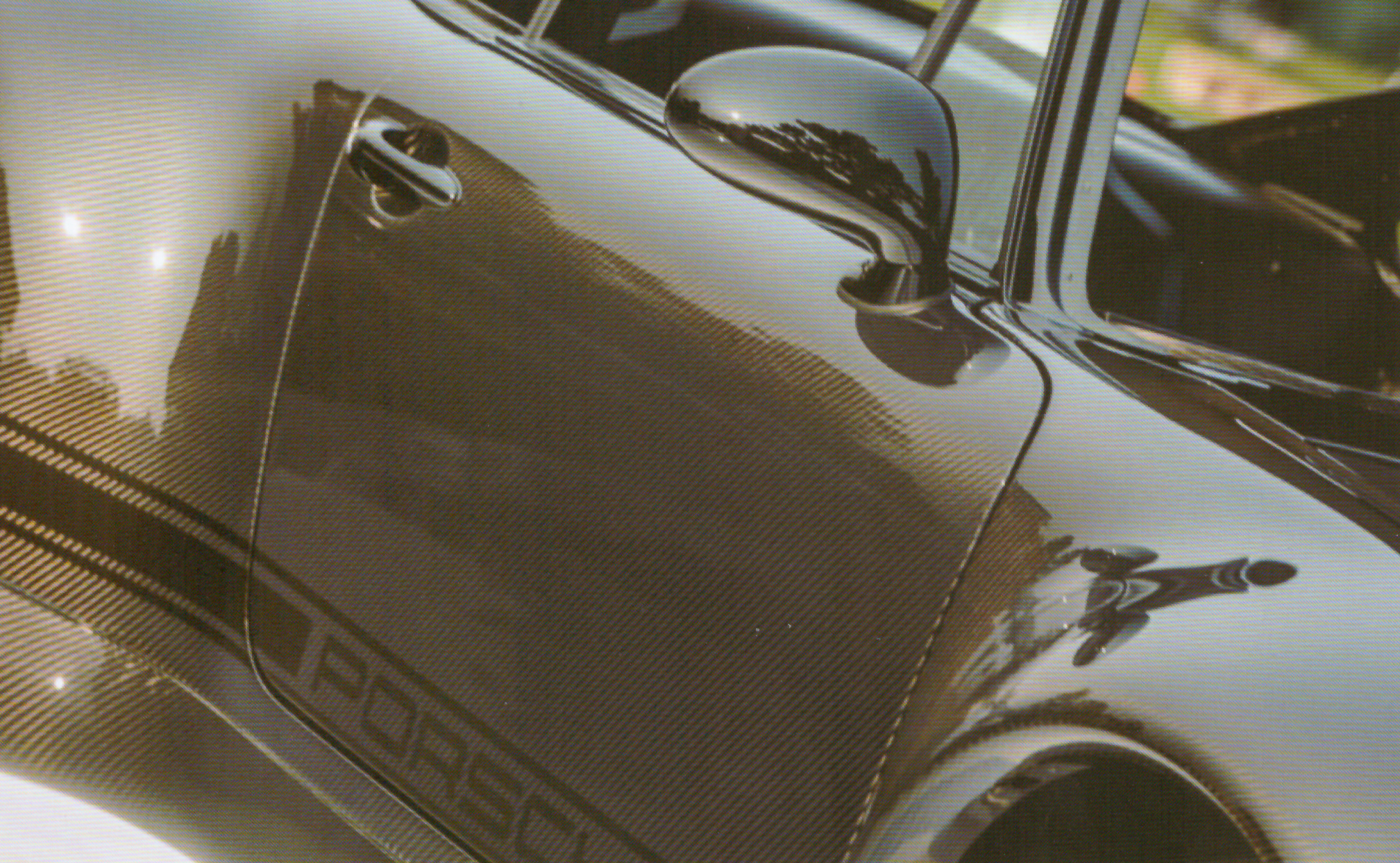
Automotive projects using carbon fiber prepreg aim to strike a balance between performance and cost. Unlike aerospace automotive parts like body panels or chassis components don’t always need the highest grade carbon fiber prepreg. Mid range options with good strength to weight ratio work well. Application methods are more focused on mass production—automated layering machines are often used to speed up the process while ensuring quality. Curing can sometimes use simpler equipment compared to aerospace as long as the core requirements are met. Another key point is surface finish—carbon fiber prepreg parts for cars often need a smooth aesthetic look so post processing like sanding and painting gets extra attention. Cost control is always in mind so choosing the right carbon fiber prepreg grade and optimizing processes are crucial here.
Sports equipment projects: Customization and flexibility
Sports equipment like tennis rackets golf clubs or bicycle frames relies on carbon fiber prepreg’s flexibility and customization. Each piece of sports gear has unique shape and performance needs so carbon fiber prepreg cutting and layering are highly customized. For example a tennis racket needs different strength in the frame and handle so layering directions and thickness of carbon fiber prepreg are adjusted accordingly. Molds for sports equipment are often smaller and more complex requiring careful manual layering to ensure the carbon fiber prepreg fits every curve without wrinkles. Curing can be done with smaller ovens and post processing focuses on shaping the equipment to fit human mechanics. The goal here is to use carbon fiber prepreg to create gear that’s lightweight strong and tailored to athletes’ needs.
Construction strengthening projects: Durability and ease of application
When using carbon fiber prepreg for construction strengthening like reinforcing bridges or building beams durability and ease of on site application are key. The carbon fiber prepreg used here needs good resistance to environmental factors like moisture and temperature changes. On site conditions are often not as controlled as factories so the application process must be simple and manageable. Workers usually cut the carbon fiber prepreg on site and lay it directly on the concrete surface after proper cleaning. Curing often happens at room temperature to avoid the need for heavy equipment. Post processing is minimal—mostly checking the bond between carbon fiber prepreg and the concrete. The main focus is to make the strengthening process efficient while ensuring the carbon fiber prepreg provides long lasting support to the structure.
Small scale DIY or prototype projects: Accessibility and simplicity
For small scale DIY projects or prototypes using carbon fiber prepreg the focus is on accessibility and simplicity. Hobbyists or small workshops don’t have professional equipment so they choose easy to handle carbon fiber prepreg grades that cure at room temperature. Cutting can be done with basic tools like sharp scissors and layering is usually manual. Curing often uses simple methods like clamping and letting it sit at room temperature. Post processing is basic—sanding rough edges to get the desired shape. The goal here isn’t meeting industrial standards but using carbon fiber prepreg to create functional or decorative pieces without complex tools. Even so choosing the right carbon fiber prepreg type still matters to avoid wasting material.

 Hot News
 EN
EN