EN
EN
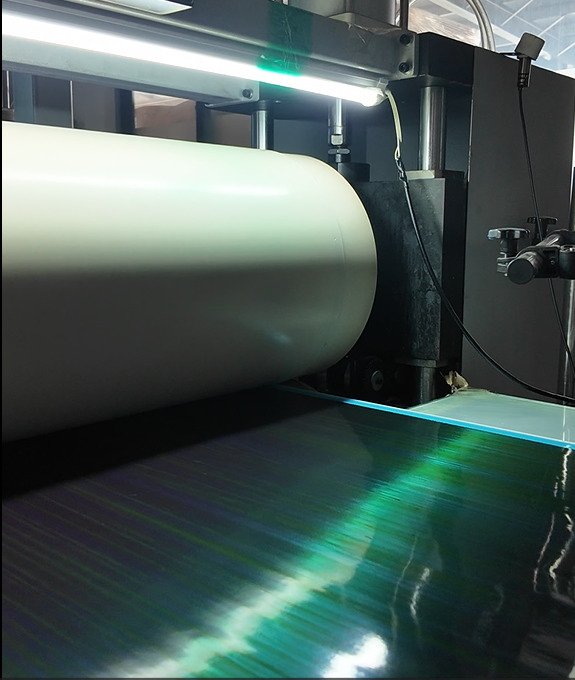
A-18 high temperature resistant unidirectional carbon fiber prepreg
In extreme high-temperature environments such as aerospace engine peripheral components, industrial high-temperature equipment, and new energy fields, the high-temperature stability and mechanical properties of materials are equally critical.
- Overview
- Recommended Products
- Hot press molding: Suitable for aerospace components with extremely high precision and performance requirements (such as engine peripheral shaped parts), controlled by high temperature and high pressure (temperature can match the temperature tolerance of the prepreg, pressure 0.8-1.5MPa), the high-temperature resistant resin is fully immersed in the carbon fiber. After molding, the surface smoothness of the component is high, and the internal defect rate is less than 0.5%, ensuring consistent performance at high temperatures.
- Compression molding: suitable for standardized industrial high-temperature components (such as high-temperature pipeline joints and kiln accessories), with high molding efficiency, single batch production time can be controlled within 40-60 minutes, and component size accuracy can be accurately controlled (error ± 0.2mm), meeting the assembly needs of industrial equipment and reducing subsequent processing steps.
- Winding Forming: Suitable for cylindrical components such as high-temperature pipelines and pressure vessels, the carbon fiber is oriented and arranged through winding technology, enabling the components to have excellent high-temperature bearing capacity in both axial and circumferential directions. For example, when used for high-temperature steam pipelines, the wrapped pipes can withstand a high temperature of 280 ℃ and a pressure of 30MPa, meeting the high-temperature transportation needs in the energy field.
- Customization of high temperature resistance: In addition to the conventional range of 150 ℃ -300 ℃, customized models with higher temperature resistance (such as 350 ℃, 400 ℃) can be developed according to customers' special scenario requirements. For example, pre impregnated materials with 350 ℃ resistance can be customized for the aerospace industry to adapt to the extreme high temperature environment of rocket engines.
- Customization of specifications and width: Supports customization of carbon fiber surface density (50g/㎡ -300g/㎡) and width (0.8m-1.5m), such as customizing 1.5m wide high grammage (300g/㎡) prepreg for large industrial kilns, reducing the number of component splicing times and lowering the performance risk of splicing at high temperatures; Customize 50g/㎡ ultra-thin prepreg for precision electronic high-temperature components, achieving lightweight and miniaturization while ensuring high temperature resistance.
- Resin function customization: Additional flame retardant, corrosion-resistant and other functional components can be added to the high-temperature resistant resin system. For example, a "high-temperature resistant+corrosion-resistant" dual function prepreg can be customized for high-temperature equipment in the chemical industry, which can withstand both high temperatures and chemical media erosion; Customize "high-temperature resistant+low smoke toxic" prepreg for the aerospace industry to meet safety requirements in extreme environments.
- Technological differentiation: The independently developed "high-temperature resistant resin carbon fiber interface modification technology" increases the interface bonding strength between resin and fiber by 40% at high temperatures, solving the problem of high-temperature interface peeling that is prone to occur in traditional high-temperature resistant prepreg; At the same time, through formula optimization, while improving high temperature resistance, the resin viscosity is controlled within an appropriate range to ensure process fluidity and avoid molding defects caused by excessive resin viscosity.
- Cost differentiation: Through large-scale production and supply chain optimization, while ensuring high temperature performance, the cost of conventional products is controlled below the industry average by 15%, especially in cost sensitive scenarios such as industrial high-temperature equipment and new energy, making it more competitive in the market and helping customers reduce material costs for high-temperature components.
- Service differentiation: Provide integrated services of "materials+processes+after-sales", provide targeted high-temperature forming process parameter solutions for customers, and assist in solving technical problems in production; At the same time, establish an after-sales tracking mechanism, regularly follow up on customer usage, optimize product performance based on feedback, and enhance customer stickiness.
High temperature resistant unidirectional carbon fiber prepreg (A-18): Guardian of structural performance in extreme high temperature scenarios
In extreme high-temperature environments such as aerospace engine peripheral components, industrial high-temperature equipment, and new energy fields, the high-temperature stability and mechanical properties of materials are equally critical. High temperature resistant unidirectional carbon fiber prepreg (A-18 high temperature resistant unidirectional carbon fiber prepreg) is based on a dedicated high-temperature resistant epoxy resin system, and can be flexibly selected for high-temperature resistance according to customer production needs. It retains the high strength and lightweight advantages of unidirectional carbon fiber prepreg while maintaining stable performance in high-temperature environments. To provide material solutions for aerospace hot end components, industrial kiln structural components, new energy high-temperature equipment, etc. with "high temperature tolerance+structural reliability", breaking the application bottleneck of traditional carbon fiber prepreg that is prone to high temperature failure.
Core advantages: Multi dimensional guarantee of high temperature stability, flexible customization, and full scene adaptation
1. High temperature resistant epoxy resin system, overcoming the problem of extreme high temperature performance degradation
The core technological highlight of A-18 high-temperature resistant unidirectional carbon fiber prepreg lies in the dedicated high-temperature resistant epoxy resin system, which is different from the defects of ordinary epoxy resin that are prone to softening and decomposition above 120 ℃. This system achieves a leapfrog improvement in high-temperature performance through molecular structure optimization and innovation of high-temperature resistant additives. Firstly, it uses aromatic epoxy resin as the matrix, with stable benzene ring structures in the molecular chains, which can significantly increase the thermal decomposition temperature of the resin; The second is to add nanoscale high-temperature resistant fillers (such as boron nitride and aluminum oxide) to enhance the rigidity and creep resistance of the resin at high temperatures; The third is to use high-temperature curing agents to ensure that the prepreg forms a dense cross-linked structure after high-temperature molding, further enhancing its thermal stability.
The product can be flexibly selected for high temperature resistance according to customer needs. The conventional tolerance range covers 150 ℃ -300 ℃, and the special customized version can exceed 350 ℃. It can be used for a long time (more than 1000 hours) at the corresponding temperature, and the mechanical performance retention rate is still above 85%. According to authoritative testing, the composite material made of A-18 prepreg has a 0 ° tensile strength attenuation rate of only 5% (ordinary prepreg exceeds 30%) and a bending modulus attenuation rate of less than 8% in a high temperature environment of 200 ℃, fully meeting the long-term high-temperature service requirements of aerospace engine compartments, industrial kilns, and other scenarios. At the same time, ensure that carbon fiber and high-temperature resistant resin are evenly distributed to avoid weak points in high-temperature performance caused by insufficient local density, and ensure overall structural stability.
2. Unidirectional fiber structure empowerment, meeting the dual requirements of high temperature and mechanical properties
As a unidirectional carbon fiber prepreg, A-18 adopts a high straightness carbon fiber unidirectional arrangement, with fiber direction consistency of over 99.8%, which can maximize the axial mechanical properties of carbon fibers and maintain excellent load-bearing capacity even in high temperature environments. After testing, at room temperature, the 0 ° tensile strength of A-18 prepreg can reach over 2500MPa, and the 0 ° tensile modulus exceeds 180GPa; At a high temperature of 250 ℃, its tensile strength can still maintain 2100MPa and tensile modulus can maintain 150GPa, far exceeding the performance level of ordinary high-temperature resistant materials.
This characteristic of "high temperature stability+high strength" gives it significant advantages in high-temperature load-bearing structural components: in the aerospace field, when used in aircraft engine nacelles and rocket propulsion system components, it can withstand high-temperature radiation and airflow impact during engine operation, avoiding structural failure caused by material softening; In the field of industrial equipment, the support frame used for high-temperature kilns and the conveying components of heat treatment equipment can maintain rigidity in sustained high-temperature environments, reducing production accidents caused by material deformation. In addition, the unidirectional fiber structure also has excellent fatigue resistance, with a service life of over 10 years under high-temperature cyclic loads (such as the heating cooling cycle of industrial kilns), which is 50% longer than ordinary high-temperature resistant metal materials.
3. Strong process adaptability to meet the diverse production needs of high-temperature components
Despite focusing on high-temperature scenarios, A-18 high-temperature resistant unidirectional carbon fiber prepreg still maintains excellent process compatibility and is compatible with mainstream composite material manufacturing processes such as hot press molding, compression molding, and winding molding. There is no need for enterprises to modify high-temperature production equipment, reducing the application threshold
In addition, the product has excellent storage stability and can be stored for more than 6 months in a low temperature environment of -18 ℃. After removal, it can be put into high-temperature molding process without a long time of reheating, avoiding resin premature curing or performance degradation, and ensuring production continuity.
4. Customized services to expand the application boundaries of high-temperature scenarios
A-18 high-temperature resistant unidirectional carbon fiber prepreg provides comprehensive customized services with "customer needs as the core", further expanding the application boundaries of high-temperature scenarios:
5. Differentiated design, building competitive barriers in the high-temperature material market