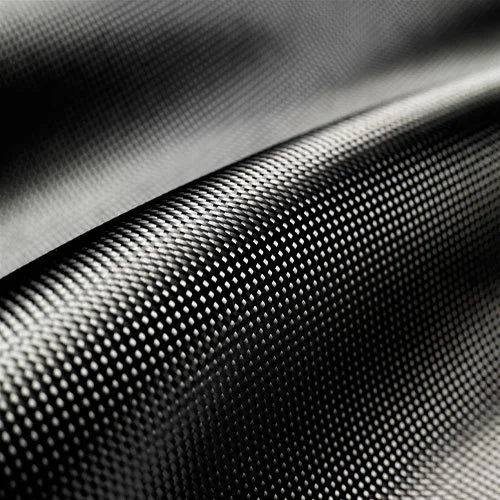
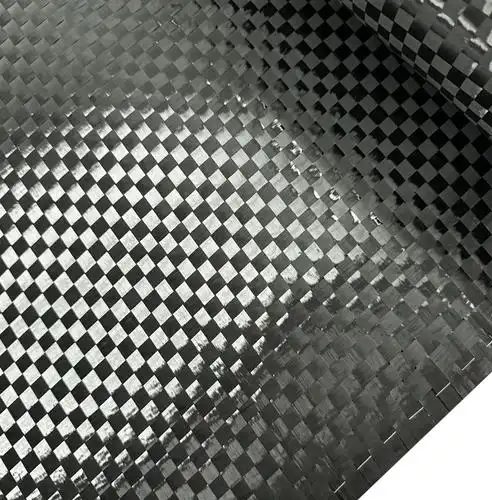
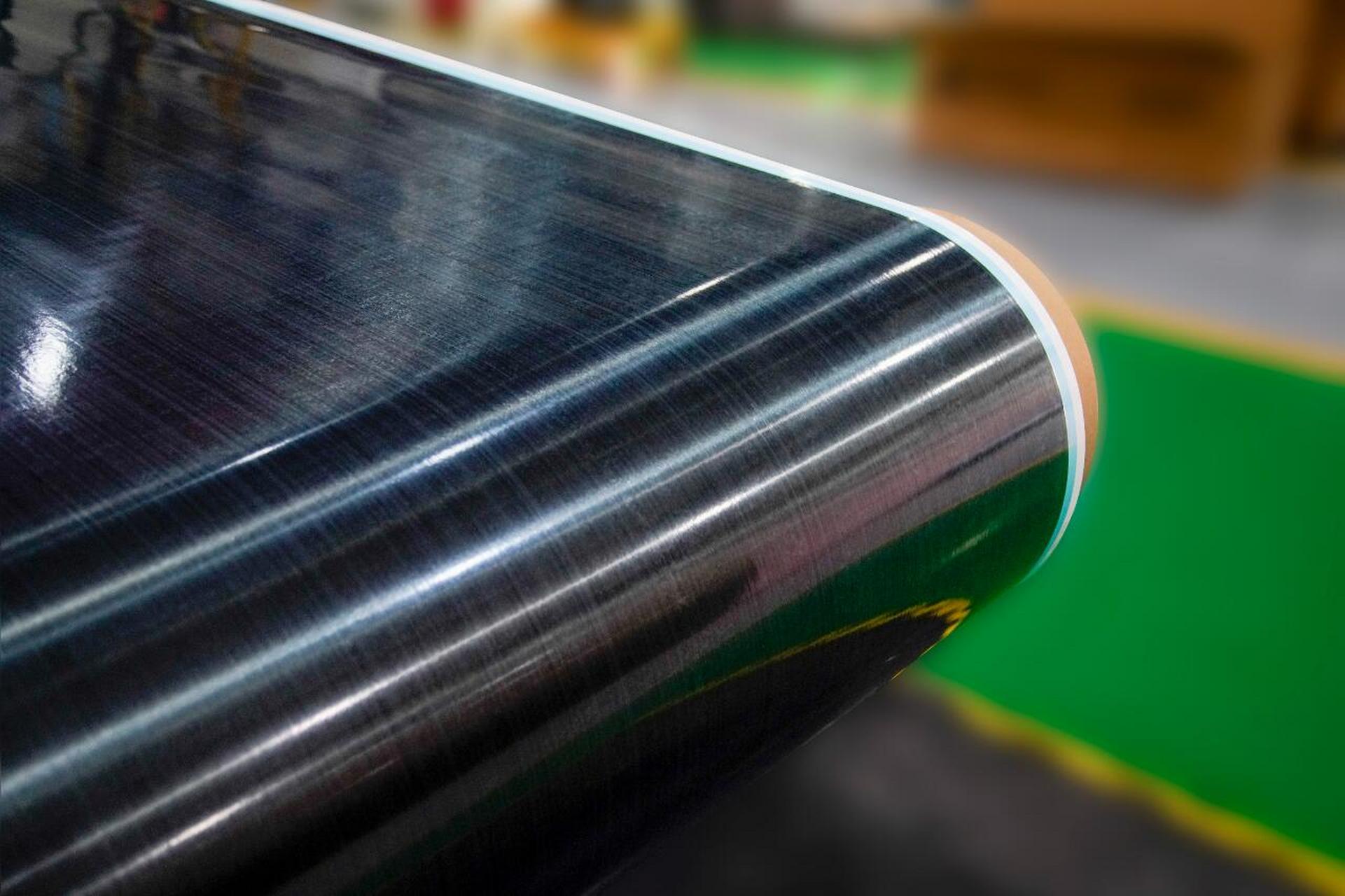
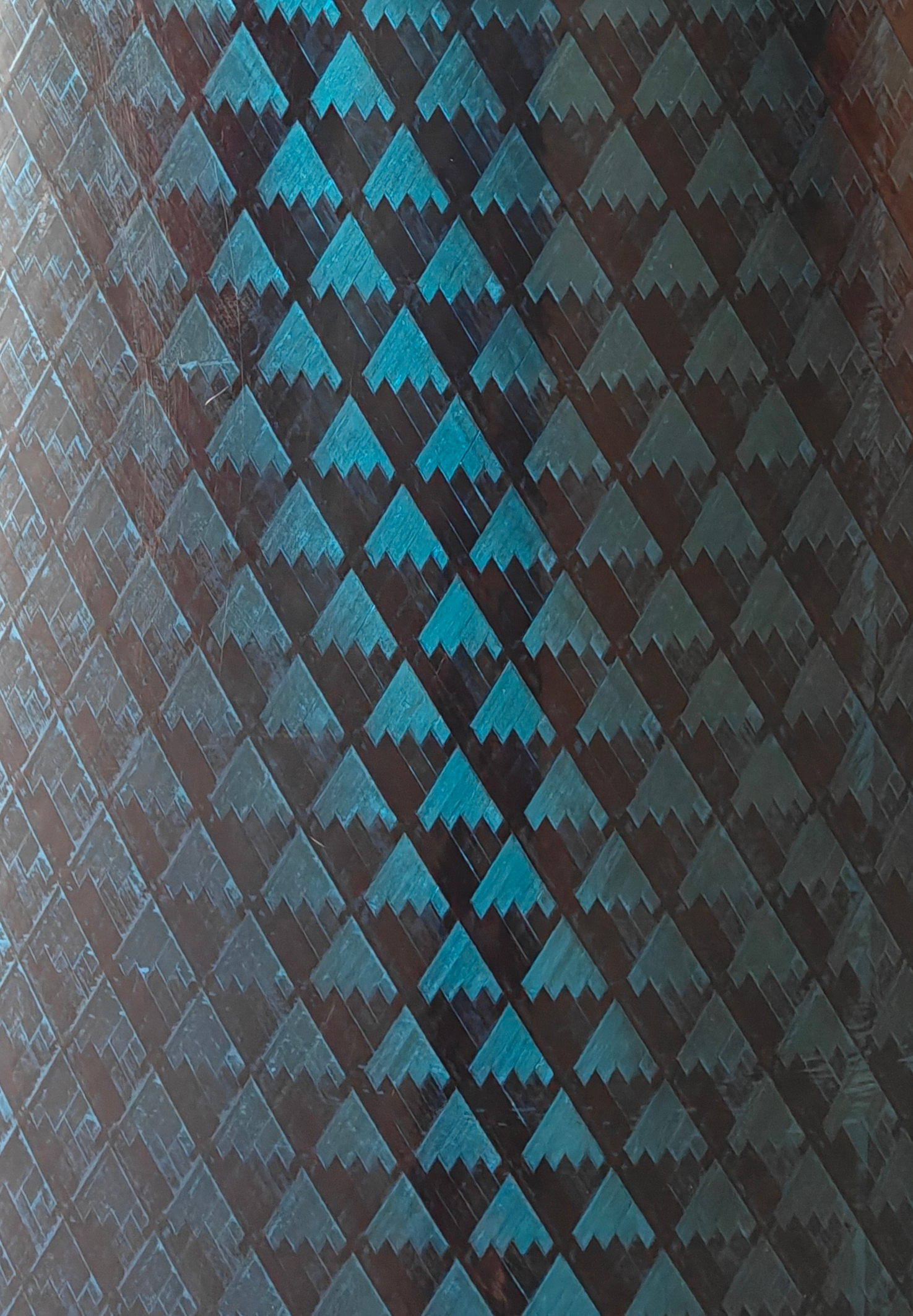
Choosing the correct blade material makes all the difference when working with carbon fiber fabric for clean and safe results. Tungsten carbide blades last longer and keep their sharpness better compared to other options while still being reasonably priced, which means workers can cut for hours before needing to replace them. Diamond coated blades take things even further though. Research shows these create about 60 percent less dust floating around in the air compared to regular steel or carbide blades. This matters because tiny bits of carbon fiber (less than 10 microns) actually cause lung problems according to medical reports. When doing detailed work like trimming edges or making complicated shapes, diamond blades produce smooth cuts without fraying. Carbide stays a good middle ground between how well they perform, how long they last, and what they cost. No matter which blade gets used, attaching some kind of vacuum system helps suck up those harmful particles right where they form during cutting operations.
When working with carbon fiber materials, delamination tends to be the biggest headache during cutting operations, particularly with those resin soaked prepregs we all deal with. The mechanical forces applied during standard cutting methods often end up separating layers or messing up the fiber alignment completely. That's where ultrasonic knives really shine though. These tools vibrate at frequencies between 20 and 40 kHz while maintaining very low amplitude, which allows them to slice through fibers without applying that sideways pressure that causes so many problems. Independent tests have shown these specialized blades cut down on edge defects by around three quarters compared to regular cutting equipment. For handling dry fabrics specifically, multi-tooth round knives work wonders because their staggered teeth distribute tension evenly along the entire cutting line. This prevents those frustrating instances where fibers get pulled out instead of being cleanly cut, keeping the weave structure intact. As for day to day operation, most experienced technicians recommend keeping downward pressure below 5 psi to prevent compressing the material matrix. And don't forget blade maintenance either – replace cutting tools after approximately 150 meters of work to ensure consistent results over time.
Getting those perfect straight cuts takes attention to detail at each step along the way. Start with some guided scoring first. Clamp down an aluminum ruler or steel straightedge and run a tungsten carbide blade across it. Do about two or three light passes where they overlap slightly to score the material before making the actual cut in one smooth movement. HDPE backing boards work wonders here too. Their smooth, non porous surface keeps things from splintering and stops grit from getting stuck in the blade. Managing tension matters a lot for good results. Tape down the fabric edges with something like low tack masking tape and keep pressure light but steady when cutting. The Composites Manufacturing Institute did some testing on this stuff and found that when people pay attention to tension, they end up with around 70 percent fewer edge problems compared to just winging it without support.
Rotary cutters with sharp, round blades excel at tight-radius curves while maintaining fiber continuity. To ensure accuracy and minimize fraying:
When it comes to cutting carbon fiber, laser technology provides excellent consistency but choosing the right system makes all the difference for safety, quality, and part integrity. CO2 lasers operating at around 10.6 microns work well with organic resins, giving smooth edges and not heating up the epoxy or vinyl ester matrix too much. Fiber lasers in the 1.06 to 1.08 micron range can cut up to three times faster though. The problem? Their shorter wavelength gets absorbed and sometimes reflected back by those conductive carbon fibers. We've seen this reflection create serious electrical issues and unpredictable beam deflections, particularly when working close to edges or seams. Another big concern is heat affected zones. Research indicates these zones get 0.4 to 0.8 mm deeper with fiber lasers, which tends to char the resin, cause tiny layers to separate, and weaken the bond between layers in structural parts. Sure, fiber lasers do offer about 25% better efficiency for thin materials under half a millimeter thick, but most shops still go with CO2 systems for critical aerospace parts or anything that needs to bear weight. No matter what kind of laser operation is being performed, proper ventilation is essential. Industrial fume extractors equipped with HEPA filters are necessary to capture those harmful gases released when materials break down thermally.
Working with carbon fiber requires strict safety measures for both workers and the environment. When it comes to breathing in those tiny carbon fibers (less than 10 microns), there's real danger involved. People who work with this stuff regularly often end up with chronic bronchitis or other lung issues. That's why wearing NIOSH approved N95 masks is mandatory when doing any cutting, sanding, or deburring work. Some folks need P100 respirators if they're exposed for extended periods. The skin gets irritated too from contact with these materials, so nitrile gloves and good quality long sleeves are absolute musts around the shop floor. For proper ventilation, most shops install local exhaust systems right next to where the actual cutting happens, usually within about 15 centimeters. These systems should capture over 90% of airborne particles. Many facilities also run HEPA air purifiers throughout the space to keep dust levels under control, ideally below 0.1 mg per cubic meter according to OSHA standards and EU regulations. Uncured resin mixtures and leftover carbon scraps count as hazardous waste materials. They need special disposal in properly sealed containers marked clearly as such following EPA guidelines found in 40 CFR Part 261. Every workshop should have spill response kits ready with things like vermiculite that won't react chemically. Conductive flooring installed throughout the area helps prevent dangerous static buildup from handling dry fabrics, which reduces fire risks especially when working near solvents or catalysts.
 Hot News
2026-07-07
2025-09-09
2025-09-25
2025-12-25
2025-12-22
2025-12-19
Copyright © 2025 by Weihai Dushi Composite Material Co.Ltd - Privacy Policy
 EN
EN