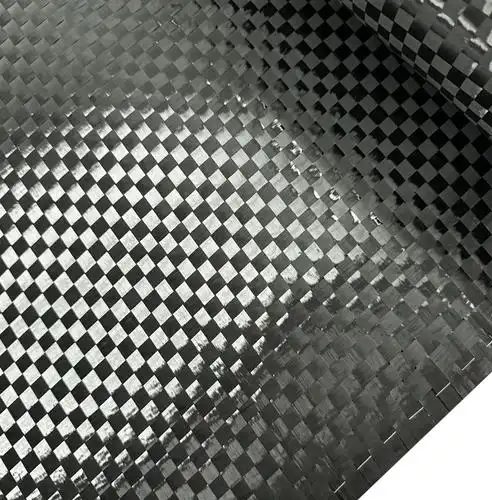
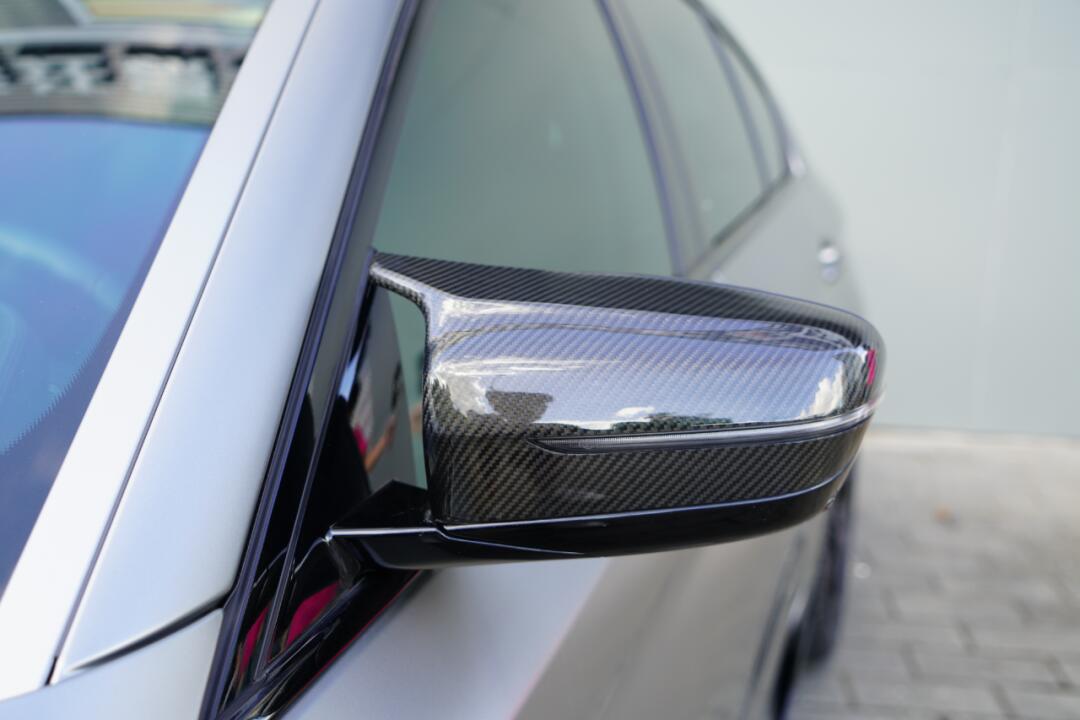
Carbon fiber prepreg is a game changing material in manufacturing thanks to its excellent strength and lightweight nature. But to make the most of it you need to bond it properly to various substrates. Whether you’re working with metal plastic wood or other materials the bonding process directly affects the final product’s performance and durability. Getting the bond right ensures that carbon fiber prepreg integrates seamlessly with the substrate creating a strong reliable structure. Let’s explore the key steps and tips for bonding carbon fiber prepreg to different substrates correctly.
Understand the substrate and prepare the surface
First you need to know the type of substrate you’re working with because different materials require different bonding approaches. Common substrates include metal plastic wood and composite materials each with unique properties. For any substrate surface preparation is crucial. Start by cleaning the surface thoroughly to remove dust oil grease and any other contaminants. Use a suitable cleaner like isopropyl alcohol for metal or plastic and let it dry completely. Next roughen the surface slightly with sandpaper. This creates a better texture for the carbon fiber prepreg to adhere to. For metal substrates you might also need to apply a primer to prevent corrosion and improve bonding. Make sure the surface is dry and free of any residue before moving on to the next step with carbon fiber prepreg.
Choose the right adhesive for compatibility
Selecting a compatible adhesive is vital for a strong bond between carbon fiber prepreg and the substrate. The adhesive must work well with both the carbon fiber prepreg and the specific substrate. For example epoxy adhesives are a popular choice because they bond well with most materials and complement the resin in carbon fiber prepreg. For high temperature applications choose a heat resistant adhesive that can withstand the curing temperature of the carbon fiber prepreg. For plastic substrates look for adhesives that won’t damage or melt the plastic. It’s always a good idea to test the adhesive on a small area first to ensure it doesn’t cause any issues and provides a strong bond. Following the manufacturer’s instructions for the adhesive and carbon fiber prepreg is key to success.
Apply adhesive and position carbon fiber prepreg correctly
Once the surface is prepared and the adhesive is selected it’s time to apply the adhesive and position the carbon fiber prepreg. Apply the adhesive evenly on the substrate surface using a brush roller or spatula. Avoid applying too much adhesive as this can lead to excess resin and weak spots. For large projects use a notched trowel to ensure consistent adhesive thickness. Carefully place the carbon fiber prepreg onto the adhesive coated substrate making sure it’s aligned correctly. Use your hands or a roller to press the carbon fiber prepreg firmly ensuring full contact with the substrate and removing any trapped air bubbles. Start from the center and work your way out to ensure even pressure. For complex shapes or curved substrates use clamps or weights to hold the carbon fiber prepreg in place while the adhesive sets.
Control the curing process for optimal bonding
Curing is a critical step that determines the strength of the bond between carbon fiber prepreg and the substrate. The curing parameters depend on the type of adhesive and carbon fiber prepreg being used. Follow the recommended temperature and time guidelines closely. Most epoxy based systems require a specific curing temperature ranging from room temperature to elevated heat. Use a curing oven or heat gun to maintain a consistent temperature throughout the process. Avoid sudden temperature changes as this can cause stress in the bond. Allow the bond to cure fully before handling the product. Rushing the curing process can result in a weak bond that may fail over time. After curing check the bond to ensure it’s strong and there are no gaps between the carbon fiber prepreg and the substrate.
Post bonding inspection and finishing touches
After the bond has fully cured it’s important to inspect the area to ensure everything is in order. Check for any signs of delamination gaps or adhesive failure. If you find any issues you may need to reapply adhesive and reposition the carbon fiber prepreg. Once the bond is confirmed strong you can proceed with finishing touches. Sand the edges of the carbon fiber prepreg to smooth them out and remove any excess adhesive. For a polished look apply a clear coat or paint that’s compatible with carbon fiber prepreg. This not only improves the appearance but also provides additional protection against environmental factors. Regular maintenance of the bonded area will help extend the life of the product and keep the bond strong between carbon fiber prepreg and the substrate.

 Hot News
 EN
EN