EN
EN
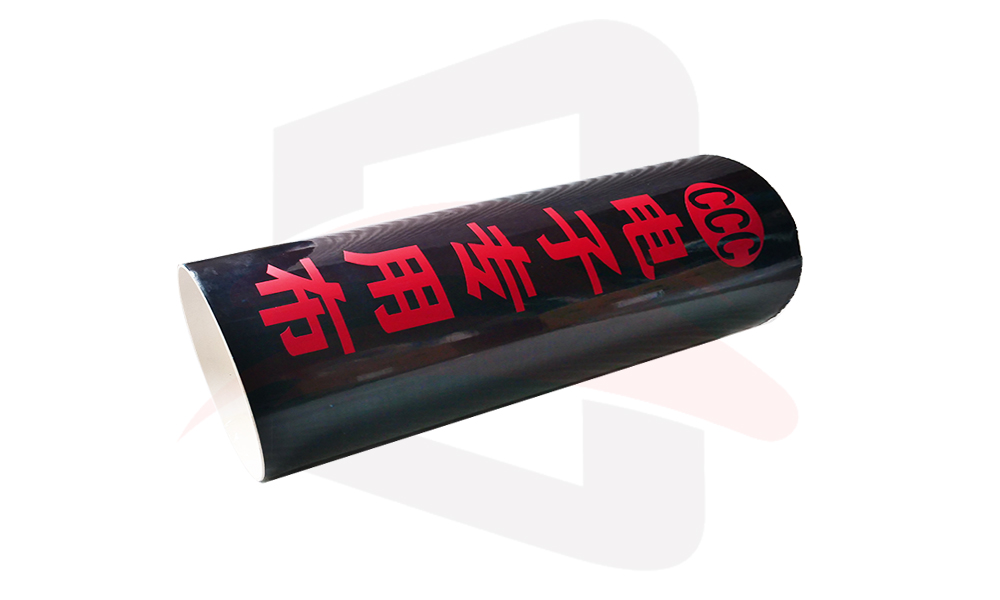
A-8 3C electronic special prepreg
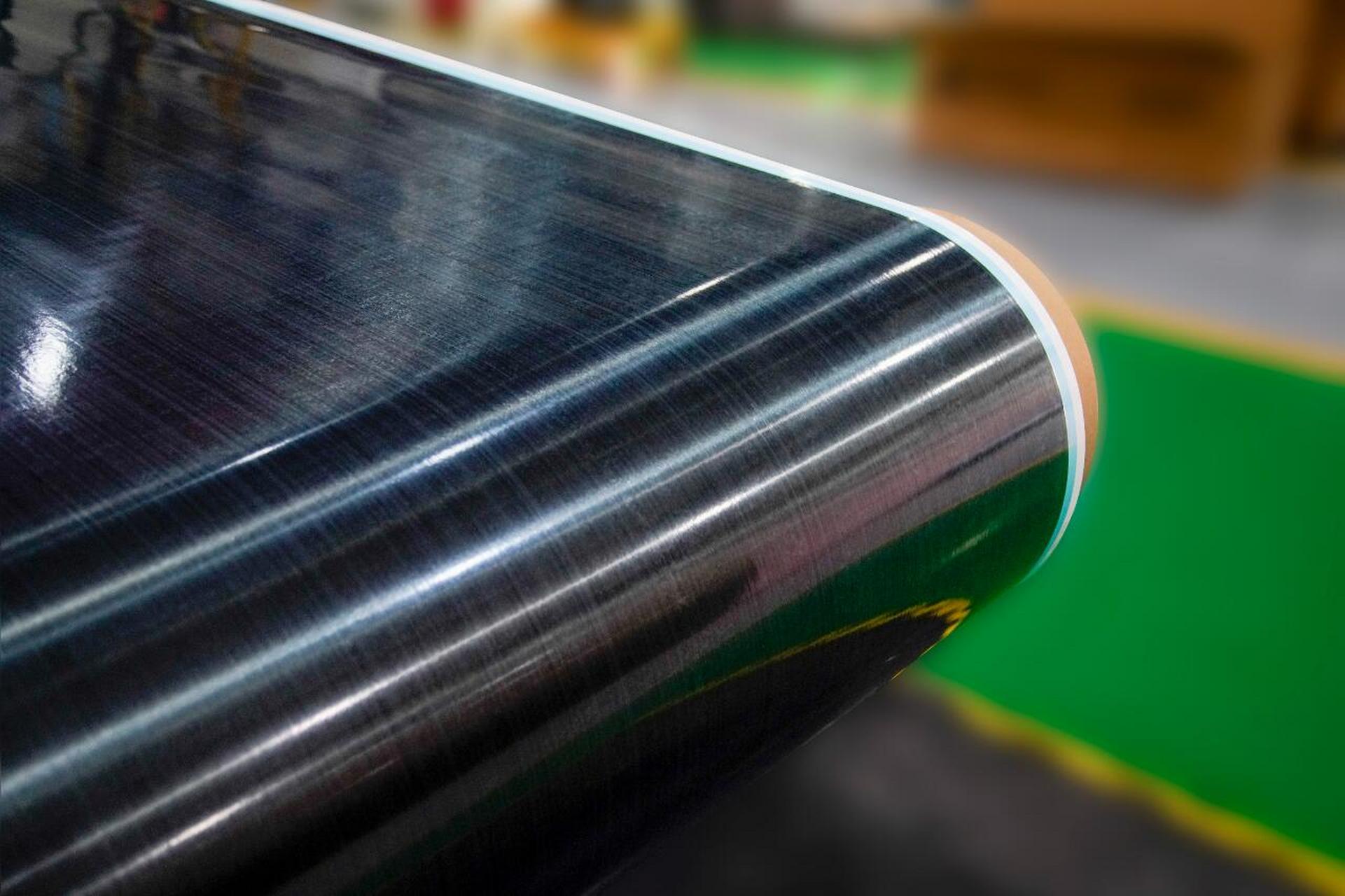
In the wave of iteration towards "lighter, thinner, and smarter" in the 3C electronics industry, material upgrading has become the core driving force for product innovation. 3C electronic carbon fiber prepreg, with its ultimate lightweight characteristics and excellent comprehensive performance, has become a key material for high-end electronic equipment manufacturing. In the wave of iteration towards "lighter, thinner, and smarter" in the 3C electronics industry, material upgrading has become the core driving force for product innovation. 3C electronic carbon fiber prepreg, with its ultimate lightweight characteristics and excellent comprehensive performance, has become a key material for high-end electronic equipment manufacturing.
- Overview
- Recommended Products
3C electronic special flame retardant prepreg: perfect fusion of lightweight and high performance
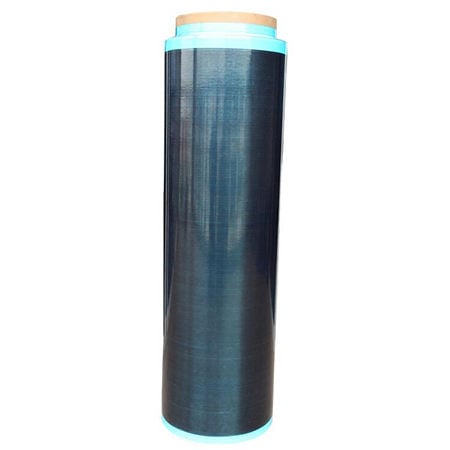
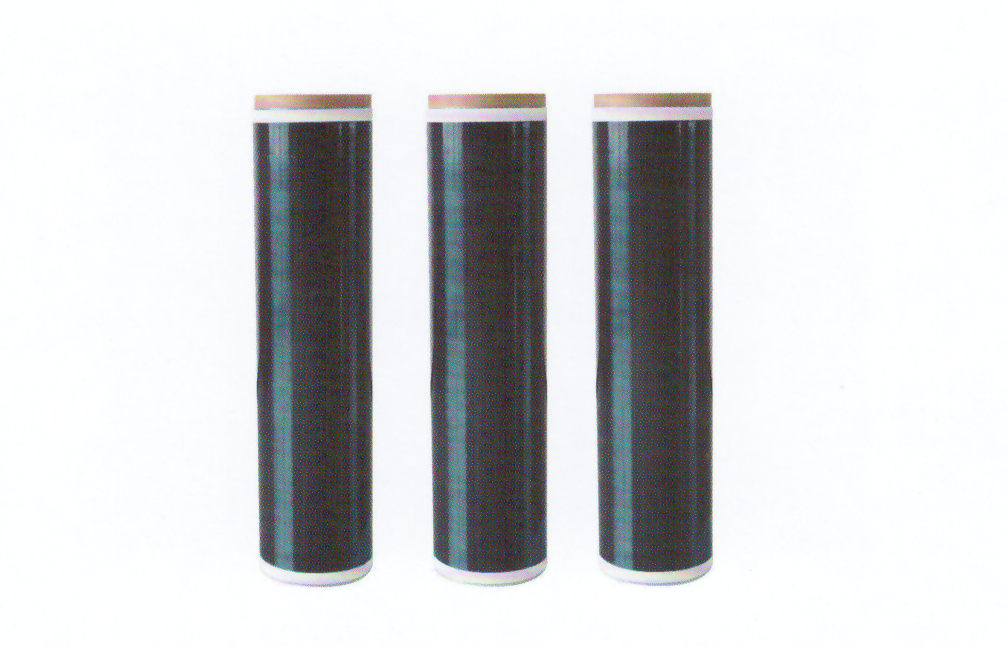
In the wave of iteration towards "lighter, thinner, and smarter" in the 3C electronics industry, material upgrading has become the core driving force for product innovation. 3C electronic carbon fiber prepreg, with its ultimate lightweight characteristics and excellent comprehensive performance, has become a key material for high-end electronic equipment manufacturing. As a carbon fiber prepreg specially customized for the electronics industry, it is reinforced with high-purity carbon fiber, combined with a resin matrix of toughened epoxy resin and rapid curing system, and made through precision infiltration technology. The CCC electronic density is not less than 5%. This scientific ratio ensures the full release of carbon fiber mechanical properties and the tight bond between resin and fiber. Of particular note is that, in response to the industry's ultimate demand for lightweight, this series of unidirectional carbon fiber prepreg has achieved a breakthrough in reducing fiber weight. Among them, the 20 gram carbon fiber prepreg of T700 and M40 models, and the 25 gram carbon fiber prepreg of T800 model, have become one of the lowest weight products in the same energy level on the market. From the body frame of smartphones to the shell skeleton of laptops, from the structural components of smart wearable devices to the packaging materials of electronic components, 3C electronic carbon fiber prepreg provides solid support for the structural innovation and performance upgrading of 3C products with its advantages of lightweight, high toughness, and rapid prototyping, redefining the performance standards of high-end electronic materials.
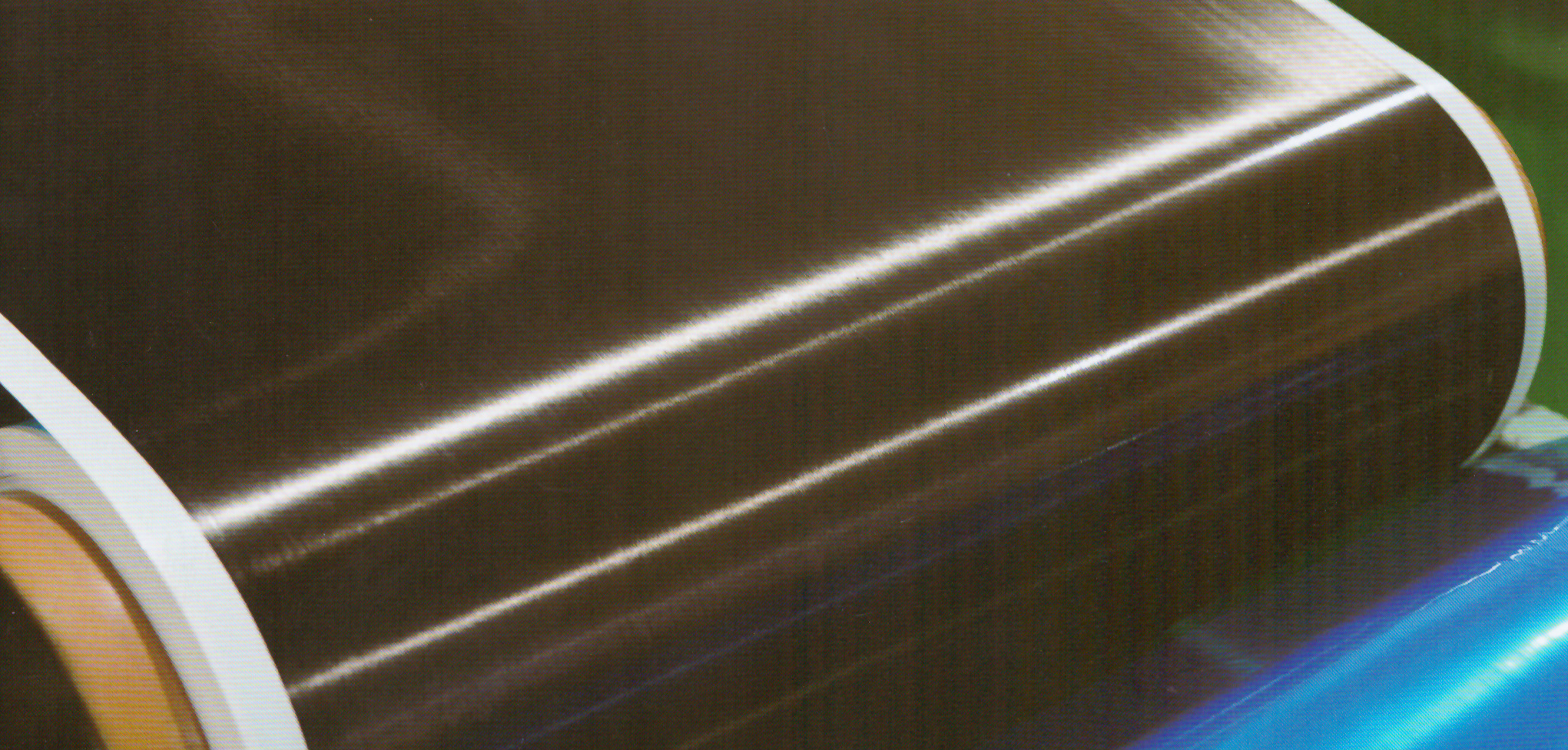
Core advantage: Accurately matching the demanding demands of the 3C electronics industry
1、 Breakthrough in ultimate lightweighting, empowering 3C products to innovate in slimness and thinness
Lightweight is one of the core competitive points of 3C electronic products. 3C electronic carbon fiber prepreg achieves the ultimate reduction of fiber weight through carbon fiber material selection and process optimization, providing a core possibility for product lightweight innovation. This series of products provides diversified lightweight options for different performance requirements: the T700 and M40 models of 20g carbon fiber prepreg have a fiber weight of only 20g/㎡, which is 1/3-1/4 of the weight of traditional glass fiber prepreg; The T800 model's 25g carbon fiber prepreg maintains higher strength while still weighing much less than other carbon fiber prepreg of the same grade. This ultimate lightweighting stems from two innovations: firstly, the use of high-quality carbon fibers with high modulus and orientation, which can significantly reduce fiber usage under the same mechanical performance requirements; The second is to use precise fiber spreading and resin infiltration processes to ensure uniform distribution of resin between fibers and avoid material weight gain caused by excessive resin. Through practical application verification, the smart phone frame made of 20g carbon fiber prepreg is more than 35% lighter than traditional aluminum alloy frames and 20% lighter than ordinary carbon fiber prepreg frames; When used as a laptop case, it can reduce the overall weight by 25% -30%, while reducing the body thickness by 0.8-1.2mm. This lightweight advantage not only enhances the portability of 3C products, but also meets the increasing demand for battery life of new energy smart devices - the reduction in body weight can effectively reduce battery energy consumption and extend device usage time.
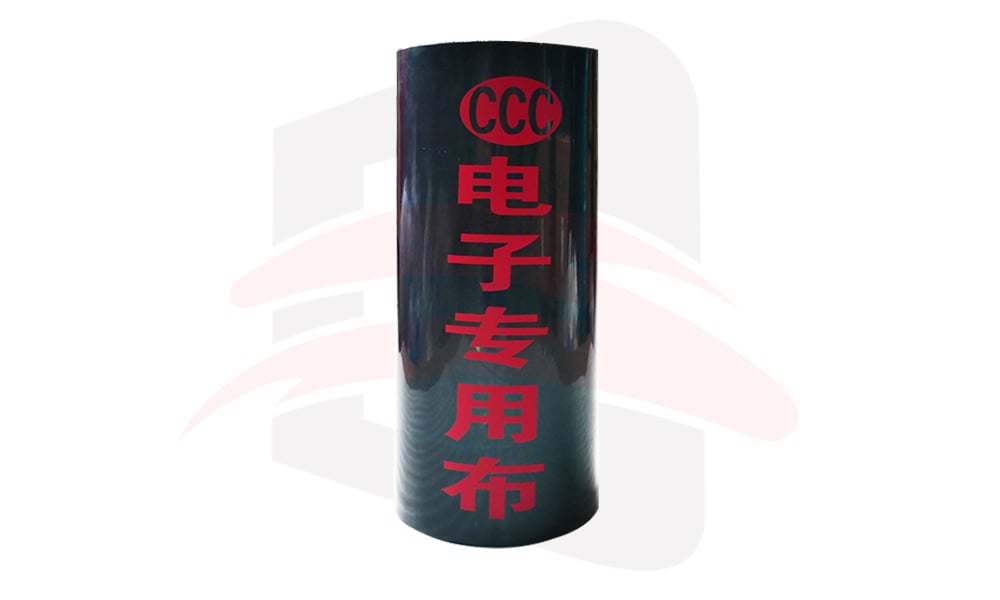
2、 Composite of toughening resin system, balancing toughness and impact resistance
3C electronic products inevitably face unexpected scenarios such as falls and collisions in daily use, which puts strict requirements on the toughness and impact resistance of materials. The 3C electronic carbon fiber prepreg adopts a resin matrix composed of toughened epoxy resin and rapid curing system, and achieves a dual breakthrough in toughness and impact resistance through scientific composition ratio and process optimization. Nano scale elastic toughening agents are added to the toughened epoxy resin matrix, forming uniformly dispersed elastic particles during the resin curing process. When the material is impacted, these elastic particles can absorb the impact energy, suppress crack propagation, and greatly improve the toughness of the material; Meanwhile, the introduction of the rapid curing system not only did not affect the wetting performance of the resin, but also enhanced the interfacial bonding force between the resin and the fibers in the unidirectional carbon fiber prepreg by adjusting the molecular structure of the resin, forming a more stable whole between the fibers and the resin, further improving the impact resistance of the material. According to authoritative institutions' testing, the fracture toughness of this series of prepreg reaches over 4.5MPa · m ^ (1/2), which is more than 60% higher than that of ordinary epoxy resin prepreg; In the 1.5-meter drop test, the phone frame made with this prepreg showed no cracks or deformations, while the frame made with ordinary prepreg showed obvious cracks. In addition, the excellent resin wettability ensures that each carbon fiber in the unidirectional carbon fiber prepreg can be fully encapsulated by the resin, avoiding performance shortcomings caused by uneven infiltration and making the mechanical properties of the material more stable. The performance fluctuation error between batches is controlled within ± 3%.
3、 Fast curing and high thermal stability, suitable for the efficiency requirements of electronic manufacturing
The 3C electronics industry has the characteristics of large production batches and short delivery cycles, which place extremely high demands on the molding efficiency and thermal stability of materials. The rapid curing system and high thermal stability of 3C electronic carbon fiber prepreg perfectly meet the efficiency requirements and usage scenarios of electronic manufacturing. In terms of curing performance, this series of prepreg has achieved a breakthrough in "low-temperature rapid curing". Under the temperature condition of 130 ℃, it only takes 10 minutes to reach 95% curing degree, which is more than three times higher than the traditional prepreg curing process of "150 ℃/30 minutes". This rapid curing characteristic greatly shortens the production cycle of the product. Taking the mass production of mobile phone frames as an example, after using this prepreg, the daily production of a single production line has increased from 5000 pieces to 15000 pieces, significantly reducing production costs. At the same time, the rapid curing system does not sacrifice the thermal stability of the material. Its glass transition temperature (Tg) reaches over 180 ℃, and after long-term use in a high-temperature environment of 120 ℃, the mechanical property retention rate still exceeds 90%. It is fully suitable for the heating scenarios of 3C electronic products during charging and running large programs, avoiding material deformation or performance degradation caused by high temperature. In addition, this series of prepreg also has an extremely low resin loss rate. During the curing process, the resin loss rate is controlled within 2%, far below the industry average of 5%. This not only reduces material waste, but also ensures the dimensional accuracy of the molded products, keeping the product tolerance within ± 0.05mm and meeting the requirements of precision assembly of 3C electronic products.
4、 Flame retardant properties and process adaptation, building a strong electronic security defense line
The safety of 3C electronic products is the core concern of the industry, and flame retardant performance, as a key safety indicator of materials, is directly related to the safety of terminal product use. 3C electronic carbon fiber prepreg has added environmentally friendly halogen-free flame retardants to the resin system, achieving excellent flame retardant performance through a dual action mechanism of "gas-phase flame retardant+condensed phase flame retardant". It has been tested to meet the UL94 V-0 flame retardant standard and can quickly form a carbon layer to isolate oxygen and prevent flame spread in fire scenarios. There is no release of toxic and harmful gases during combustion, which complies with environmental regulations such as EU RoHS. This flame retardant property provides important guarantees for the safe operation of electronic devices. For example, using this prepreg as a protective layer around the battery compartment of a smartphone can effectively reduce the safety risks caused by battery short circuits and fires; The internal structural components used for laptops can prevent flames from spreading inside the device, providing users with escape and firefighting time. At the same time, this series of prepreg also has good process adaptability. The unidirectional fiber arrangement of unidirectional carbon fiber prepreg gives it higher strength in specific directions, which can adapt to the stress requirements of electronic device structural components; Products with different weights such as 20g and 25g can meet the manufacturing needs of products with different thicknesses, from ultra-thin smart wearable devices to laptop casings. In addition, the material can be perfectly adapted to mainstream processing techniques in the 3C electronic industry such as laser cutting and CNC molding, with high processing accuracy and no burrs on the edges, greatly improving subsequent processing efficiency and further consolidating its competitive advantage in the field of 3C electronic materials.