EN
EN
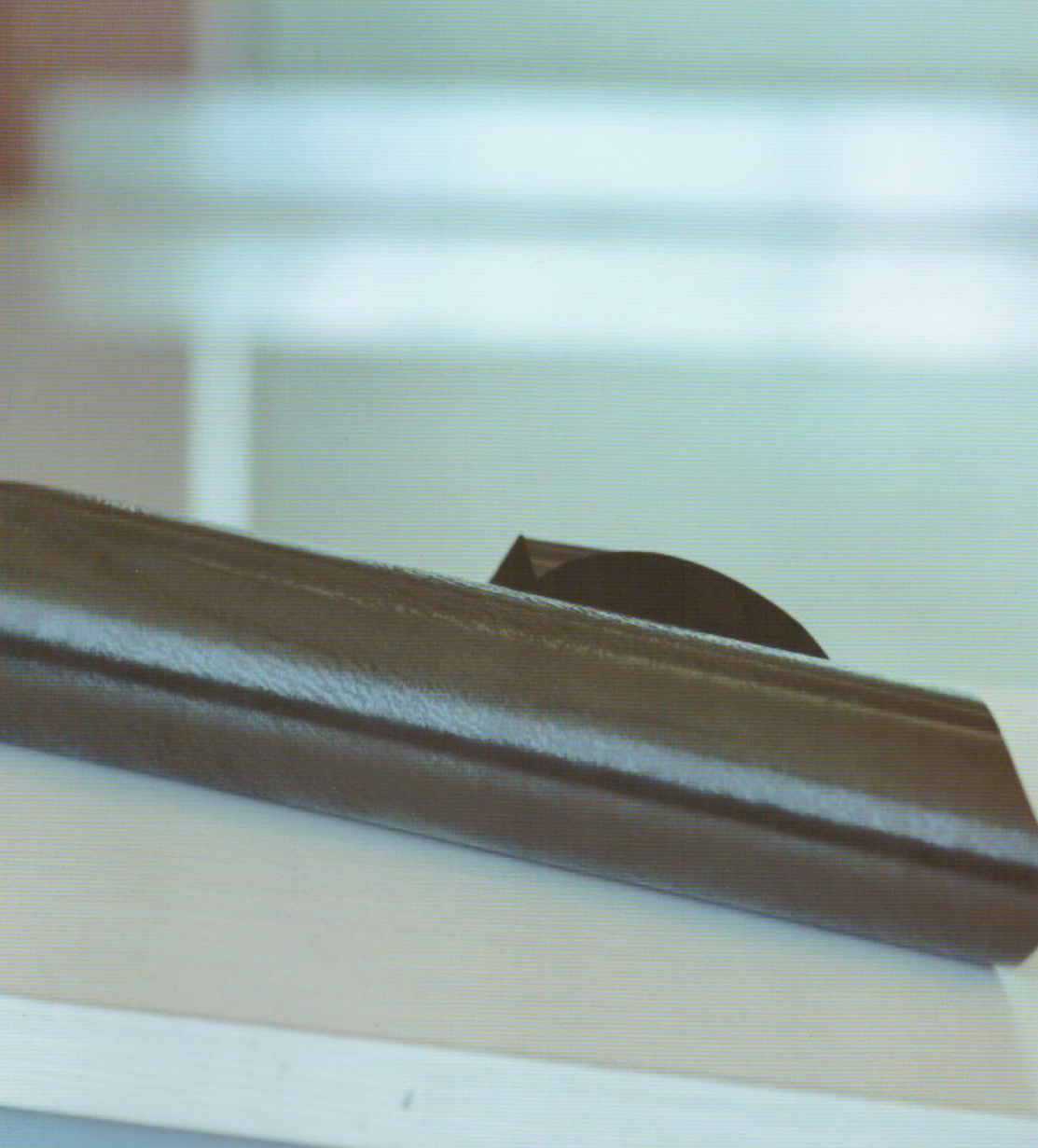
A-9 ultra-thin carbon fiber prepreg
In fields such as aerospace, high-end equipment, and new energy vehicles that require strict material performance, lightweight and high strength have always been the core pursuits.
- Overview
- Recommended Products
Ultra thin carbon fiber prepreg: an innovative solution in the field of lightweight composite materials
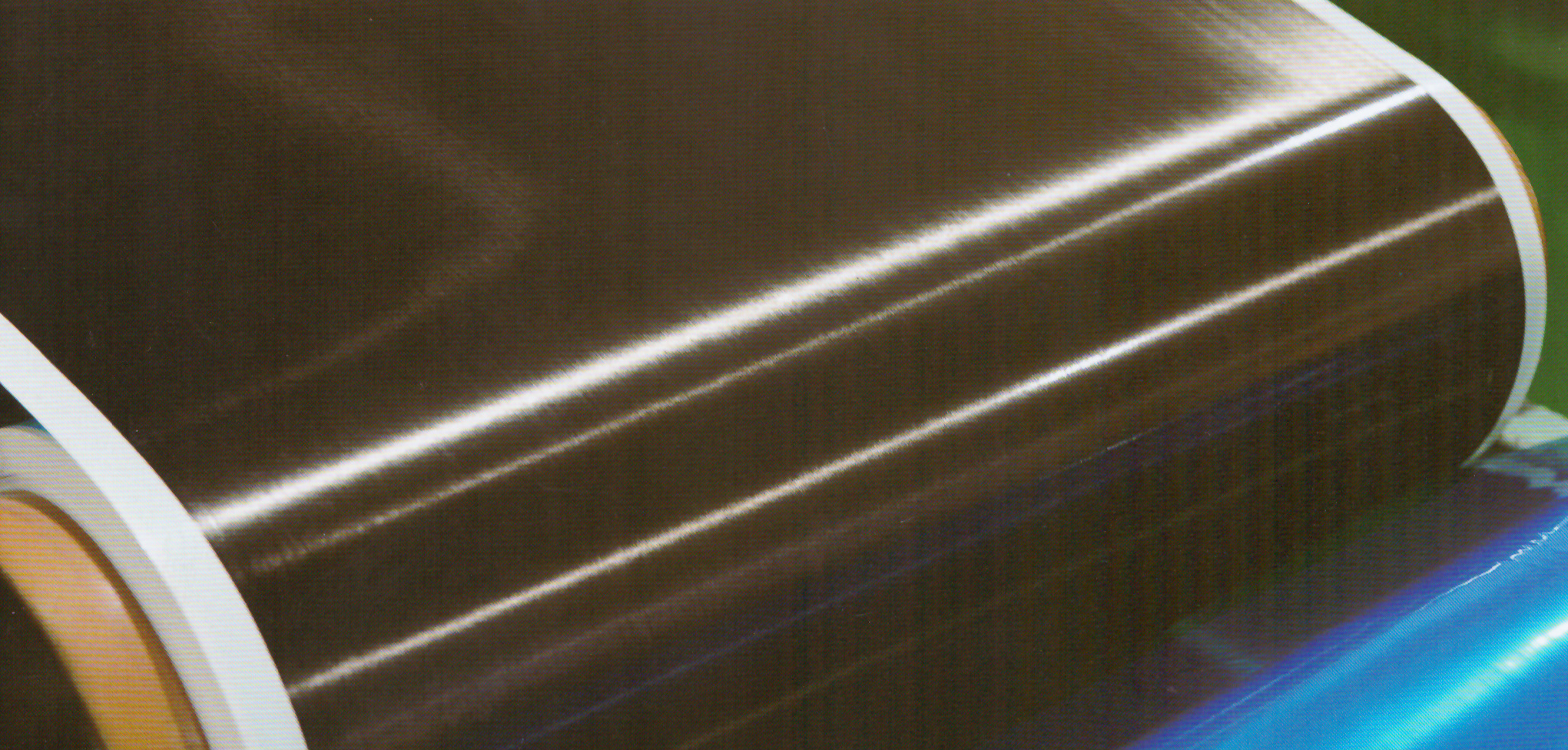
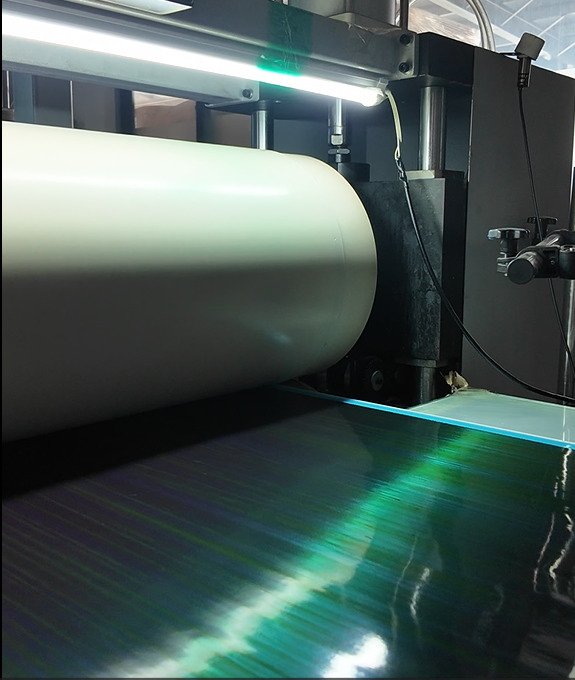
In fields such as aerospace, high-end equipment, and new energy vehicles that require strict material performance, lightweight and high strength have always been the core pursuits. As an innovative product in the field of composite materials, ultra-thin carbon fiber prepreg has the core advantage of "extreme lightness and thinness", breaking the balance limitations of traditional prepreg in weight, thickness, and performance, and providing new possibilities for high-precision structural component manufacturing. Among them, products represented by 10 grams of carbon fiber prepreg and 15 grams of carbon fiber prepreg, combined with the structural characteristics of unidirectional carbon fiber prepreg and the high-strength advantage of 24T unidirectional carbon fiber prepreg, have become the focus of the current lightweight materials market
Core advantage: redefining the performance boundary of carbon fiber prepreg
1. Ultimate lightweight and ultra-thin characteristics, breaking through the limitations of traditional materials
The ultra-thin carbon fiber prepreg features a "low fiber weight per unit area" as its core highlight. Currently, it can achieve a minimum fiber weight per unit area of 10 grams per square meter. With a resin content of 50%, the total weight of the prepreg is only 20 grams per square meter, far lower than the weight level of ordinary carbon fiber prepreg. In terms of thickness, thanks to the low fiber surface density and optimized resin infiltration process, the product thickness is reduced by more than 30% compared to ordinary prepreg, making it easy to adapt to scenarios with strict space size requirements such as thin-walled structural components and precision electronic component casings.
Taking 10 grams of carbon fiber prepreg and 15 grams of carbon fiber prepreg as examples, both continue their ultra-thin characteristics: the 10 gram model focuses on "ultimate lightweight" and is suitable for weight sensitive aerospace interior parts, drone bodies, etc; The 15g model balances structural stability with lightweight design and can be used for new energy vehicle battery pack covers, high-end sports equipment frames, etc., meeting the needs of "light but not weak" usage in different scenarios. At the same time, the product strictly follows the standard of ultra-thin carbon fiber prepreg density not less than 5%, ensuring uniform distribution of fibers and resin while being lightweight, avoiding performance fluctuations caused by insufficient density.
2. Unidirectional structure empowerment, achieving performance leap with 24T level strength
As the core product of the unidirectional carbon fiber prepreg family, this ultra-thin prepreg adopts a unidirectional fiber arrangement design, with fiber direction consistency of over 99%, which can maximize the axial mechanical properties of carbon fibers. Among them, 24T unidirectional carbon fiber prepreg fully maximizes its strength advantage -24T represents the tensile strength grade of carbon fiber. This model demonstrates excellent performance in basic mechanical testing by optimizing fiber weaving technology and resin formula: compared with ordinary unidirectional carbon fiber prepreg, its 0 ° tensile strength is increased by 50% and 0 ° tensile modulus is increased by 16%.
This performance breakthrough means that components manufactured using 24T unidirectional carbon fiber prepreg under the same structural design can withstand greater axial tension and load while reducing material usage; And low-density models such as 10 grams and 15 grams can achieve breakthroughs in the dual requirements of "high strength+lightweight". For example, in the aerospace field, satellite stands made with them can reduce their own weight by 15% -20%, while ensuring structural stability during orbital operation and reducing launch costs.
3. Significant crack resistance and extended service life of composite materials
Thinning is another core characteristic of this ultra-thin carbon fiber prepreg, which directly leads to a leap in the crack resistance of composite materials. Traditional ordinary prepreg, due to its large thickness, is prone to internal microcracks caused by resin shrinkage and stress concentration during the molding process. Once cracks occur, they are easily propagated rapidly in the thick layer material, ultimately affecting the service life of the component; The ultra-thin prepreg is designed with a thin layer to control the material thickness at the micrometer level, resulting in a tighter interface between fibers and resin and a more uniform stress distribution.
Actual tests have shown that the composite material prepared using this ultra-thin prepreg has an improvement of over 40% in crack initiation resistance compared to ordinary prepreg composite materials, and has a more significant performance advantage in crack propagation suppression. When the material is subjected to external impact and produces small cracks, the ultra-thin layer structure can effectively block the crack from developing deeper. At the same time, the synergistic effect of resin and fibers can absorb some of the impact energy, avoiding further crack expansion. This advantage makes it highly valuable in components such as wind turbine blades and high-pressure gas storage tanks that can withstand dynamic loads for a long time, greatly extending product maintenance cycles and service lives.
4. High design flexibility and low repeatability to meet customized needs
Compared to the limitations of standardized production and limited adaptation scenarios of ordinary prepreg, this ultra-thin carbon fiber prepreg has stronger design capabilities. On the one hand, the product covers different fiber weight specifications per unit area such as 10 grams and 15 grams, and is matched with unidirectional carbon fibers of different strength levels such as 24T. The resin content (50% benchmark value can be customized within ± 5% range) and fiber direction (supporting unidirectional, bidirectional and other arrangements) can be adjusted according to customer needs, adapting to diverse manufacturing needs from precision electronic components to large structural components; On the other hand, the product strictly follows the standard of "the similarity of products under the same category should not exceed 70%". Through differentiated process parameters and formula design, it avoids homogeneous competition with similar products and provides customers with more unique material solutions.
For example, in the field of high-end medical equipment, customers need to customize lightweight, high-strength, and biocompatible structural components for surgical robot arms. This ultra-thin carbon fiber prepreg can provide a unidirectional model with a surface density of 15 grams/square meter and 24T strength, paired with medical grade resin, to meet the customization needs of "light weight, sufficient rigidity, and no harmful substance release"; In the field of new energy vehicles, in response to the demand for lightweight battery packs, ultra-thin models weighing 10 grams per square meter can be combined with metal substrates to reduce the weight of battery packs while improving their impact resistance through crack resistance, ensuring driving safety.
5. Strong process adaptability and compatibility with mainstream composite material forming technologies
Despite its significant performance advantages, this ultra-thin carbon fiber prepreg maintains excellent process adaptability and is compatible with mainstream composite material manufacturing processes such as hot press molding, compression molding, and automatic wire laying molding, without the need for customers to modify production equipment. During the hot press molding process, the ultra-thin layer structure can accelerate resin flow and exhaust, reduce residual bubbles, and improve the molding quality of composite materials; In the automatic silk laying process, the low surface density makes it easier for the prepreg to adhere to complex curved surfaces, reducing the risk of layer wrinkles, especially suitable for the automated production of complex structural components in the aerospace industry.
At the same time, the storage and usability of the product have also been optimized - using vacuum sealed packaging, it can be stored for more than 6 months in an environment of -18 ℃, and can be used without a long time of reheating after removal, reducing production waiting time; Compared to ordinary prepreg, its fibers are less prone to fuzzing and delamination during the cutting process, which can reduce waste rates and further control production costs.