Choose the right tools for cutting carbon fiber prepreg
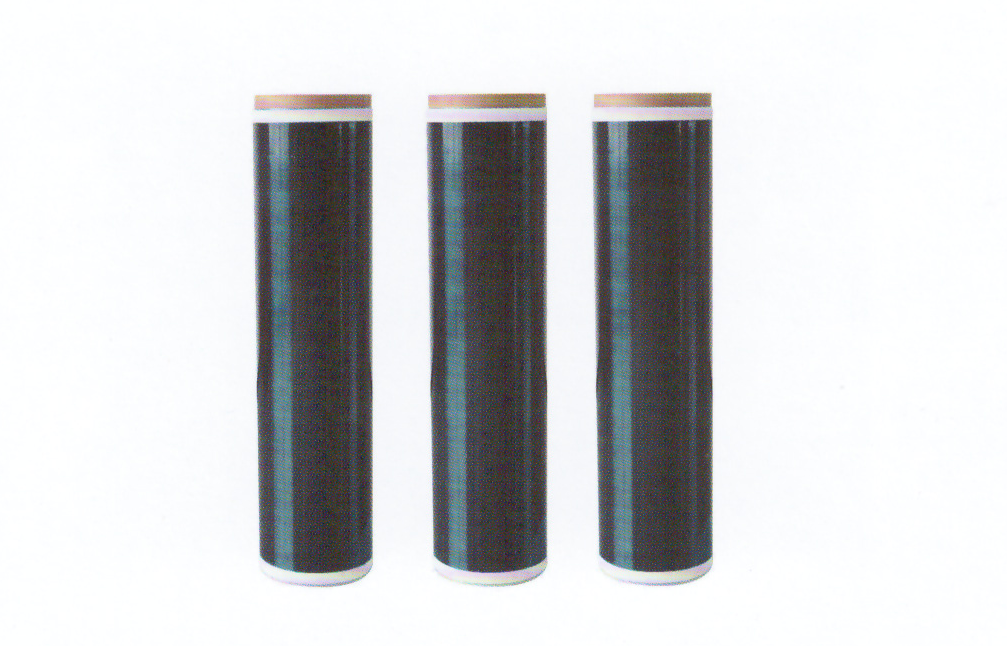
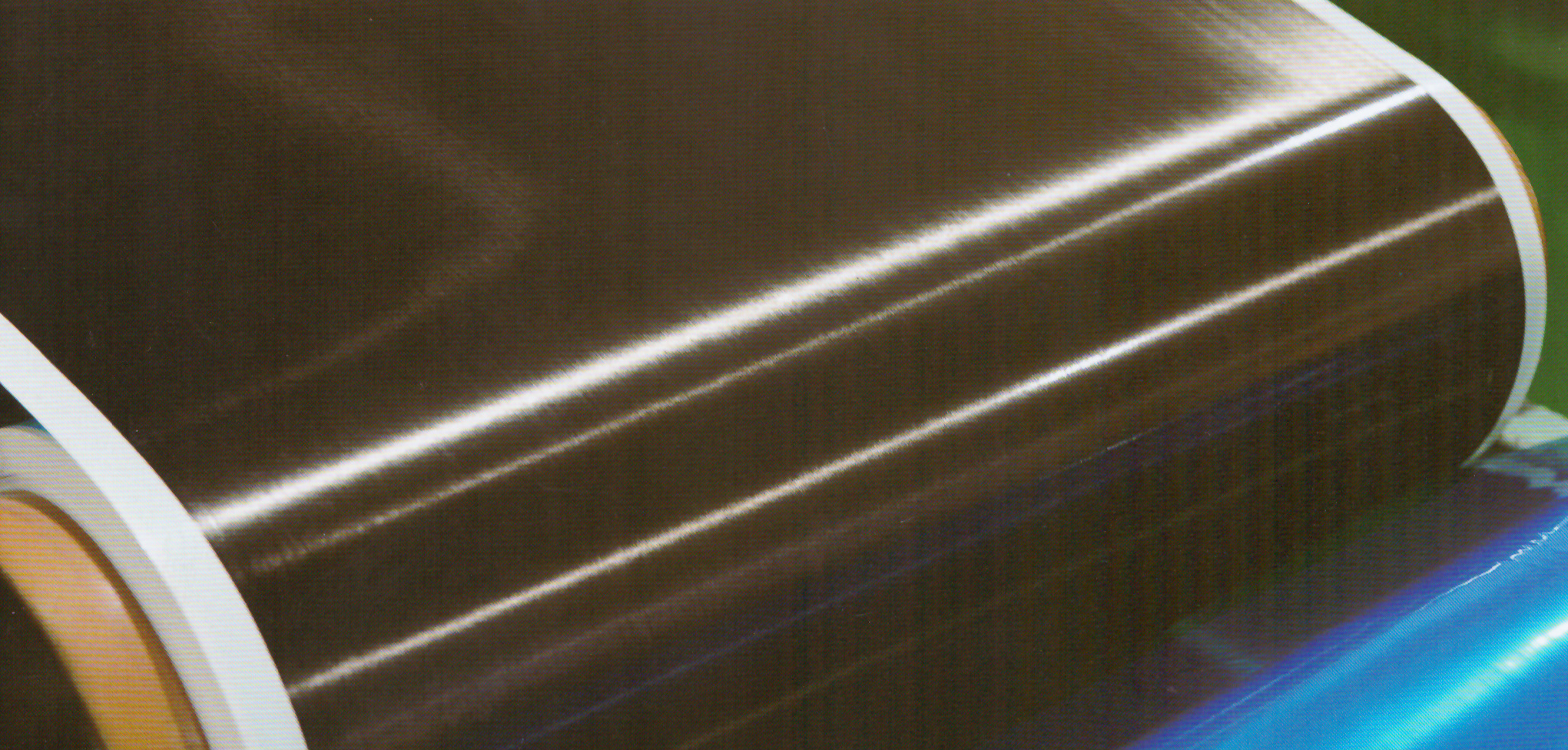
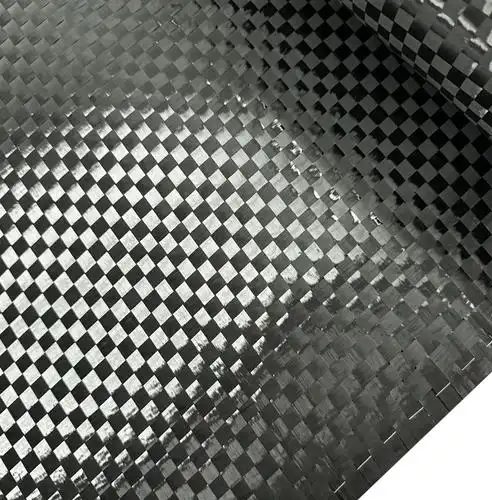
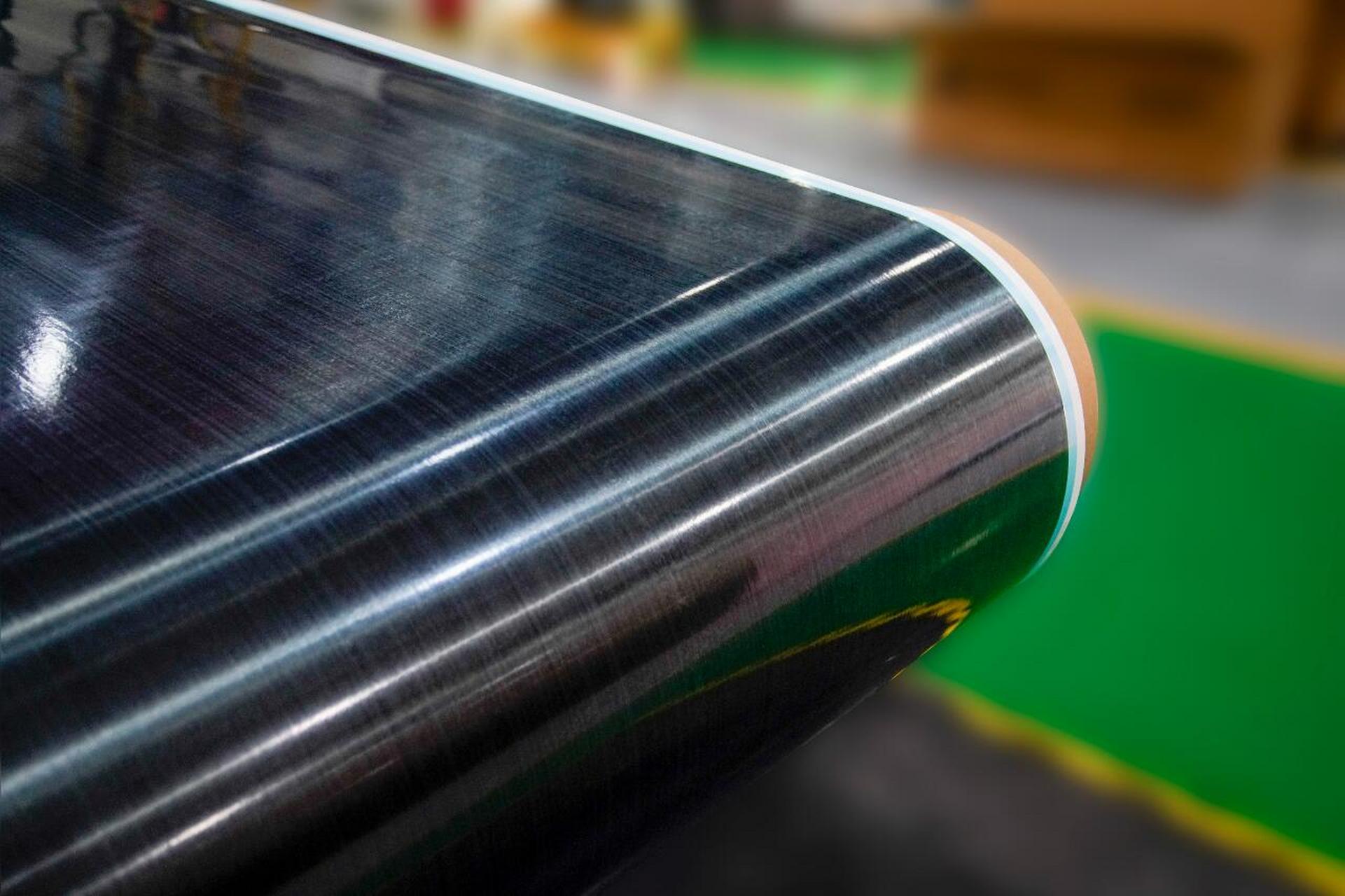
Cutting carbon fiber prepreg requires tools that can handle its strong yet sensitive structure without damaging the material. Using the wrong tools can fray the carbon fibers or disrupt the resin distribution which ruins the performance of carbon fiber prepreg. For clean precise cuts opt for sharp tools specifically designed for composite materials. Carbide tipped scissors or shears work well for small scale cuts while rotary cutters with sharp blades are great for straight lines on larger sheets. For more complex shapes or high volume cutting computer numerical control cutting machines are a reliable choice as they ensure consistent cuts without applying excessive pressure. Avoid using dull blades or regular household scissors as they will crush the fibers instead of cutting them cleanly. Investing in the right tools is the first step to successful carbon fiber prepreg cutting and ensures the material retains its structural integrity.
Prepare the work area and carbon fiber prepreg properly
Before cutting carbon fiber prepreg it’s important to set up a suitable work area and prepare the material correctly. The work surface should be flat clean and free of debris that could scratch or contaminate the carbon fiber prepreg. Lay down a non slip mat or a piece of foam to keep the material in place during cutting and prevent it from shifting. Make sure the work area is well ventilated to disperse any dust particles produced during cutting. Next inspect the carbon fiber prepreg for any wrinkles creases or defects. If there are wrinkles gently smooth them out with your hands or a roller do not pull or stretch the material as this can misalign the fibers. It’s also a good idea to mark the cutting lines clearly using a non permanent marker that won’t bleed into the resin or damage the material. Proper preparation ensures that the cutting process goes smoothly and reduces the risk of mistakes that waste carbon fiber prepreg.
Master correct cutting techniques for carbon fiber prepreg
Using the right techniques is just as important as having the right tools when cutting carbon fiber prepreg. Always cut along the marked lines and apply steady even pressure to avoid jagged edges or fiber fraying. For straight cuts use a straightedge as a guide to keep the blade on track. When using scissors or shears cut in one continuous motion instead of sawing back and forth which can damage the fibers. For curved cuts make small incremental cuts to maintain control and avoid overcutting. It’s also important to cut with the grain of the fibers when working with unidirectional carbon fiber prepreg as cutting against the grain can weaken the material. Avoid applying excessive force as this can compress the carbon fiber prepreg and disrupt the resin to fiber ratio. By mastering these techniques you can achieve clean accurate cuts that preserve the quality and performance of carbon fiber prepreg.
Take safety precautions when cutting carbon fiber prepreg
Safety should never be overlooked when cutting carbon fiber prepreg as the process can produce fine dust particles that pose health risks. Always wear personal protective equipment including gloves a dust mask and safety glasses. Gloves protect your hands from sharp tools and resin while a dust mask prevents you from inhaling carbon fiber dust which can irritate the respiratory system. Safety glasses shield your eyes from flying debris. It’s also important to keep the work area clean and free of loose fibers. After cutting use a vacuum with a HEPA filter to clean up the dust do not sweep or blow it away as this can spread the particles. Avoid eating drinking or smoking in the work area to prevent ingesting carbon fiber dust. By following these safety precautions you can protect yourself and others while working with carbon fiber prepreg.
Handle and store cut carbon fiber prepreg properly
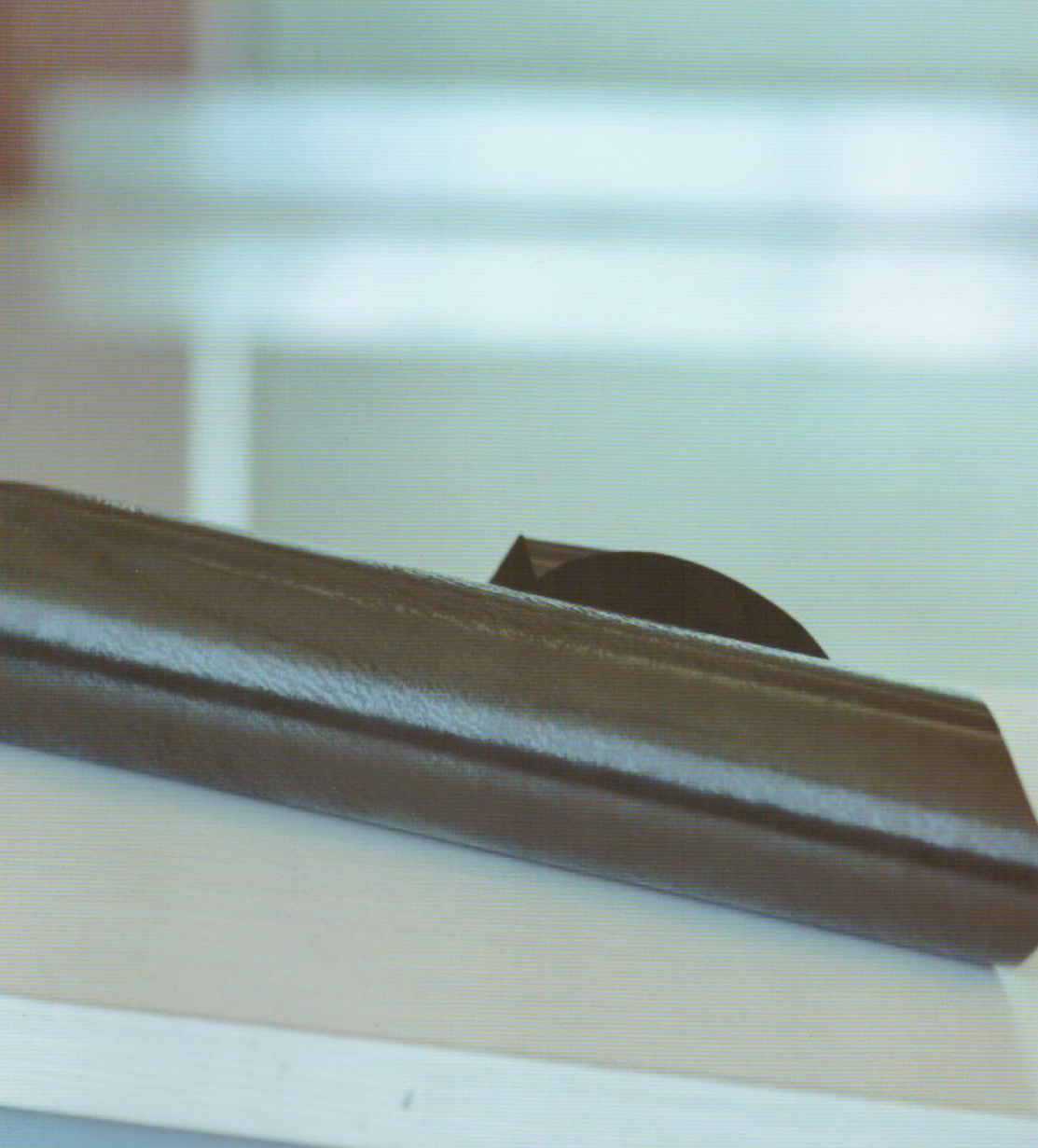
After cutting carbon fiber prepreg proper handling and storage are essential to maintain its quality. Avoid touching the cut edges with bare hands as oils and moisture from your skin can contaminate the material. If you need to handle the cut pieces use clean gloves and hold them by the edges to minimize contact with the surface. Immediately seal any unused carbon fiber prepreg in an airtight container or vacuum sealed bag to prevent moisture absorption and resin degradation. Store the cut pieces in a cool dry area at the recommended temperature typically between 0 and 10 degrees Celsius to extend their shelf life. Label the containers with the cutting date and project name to keep track of the material. Proper post cutting handling and storage ensure that the carbon fiber prepreg remains in good condition until it’s ready to be used preventing waste and ensuring optimal performance in your project.

 Hot News
 EN
EN