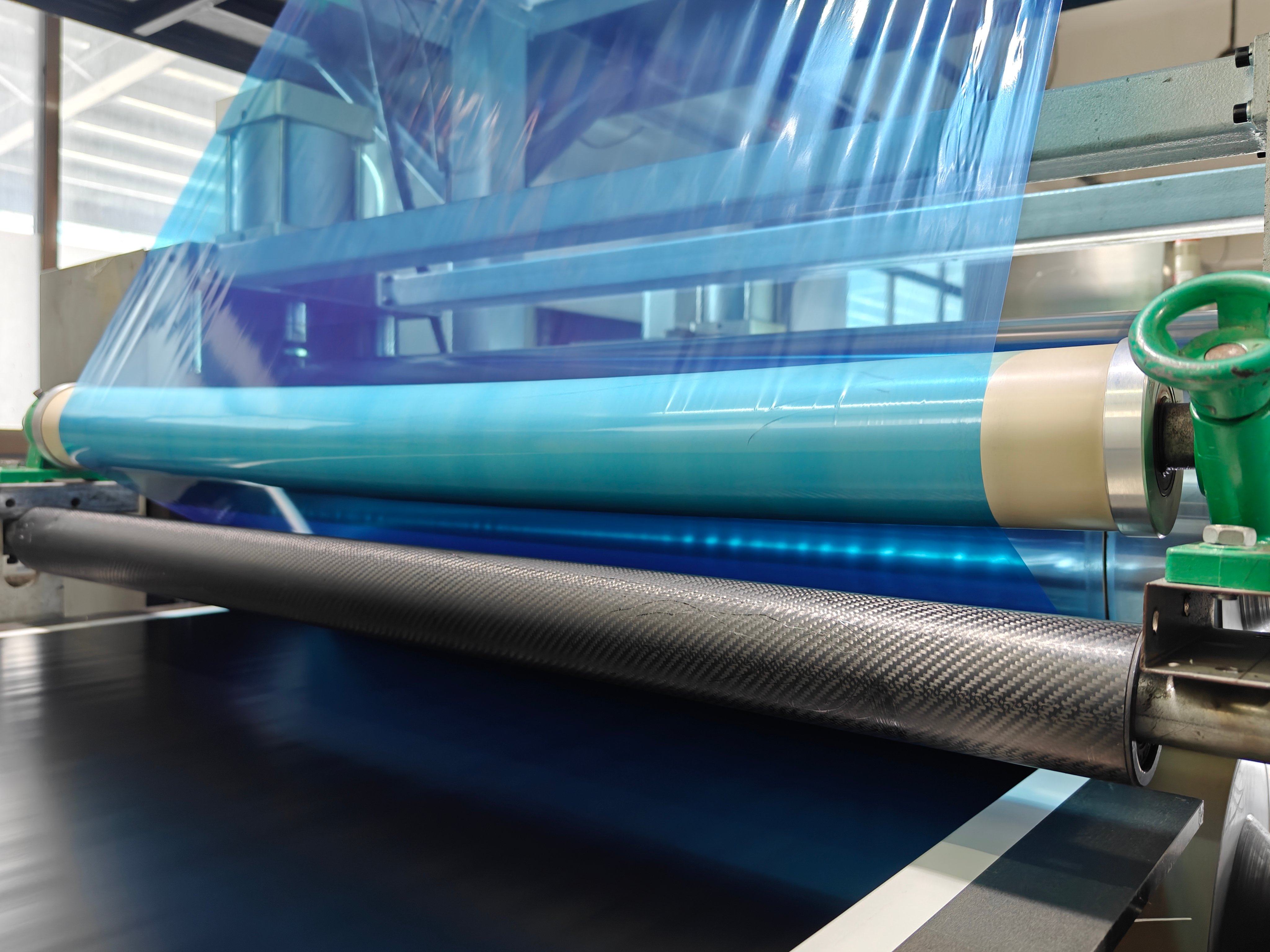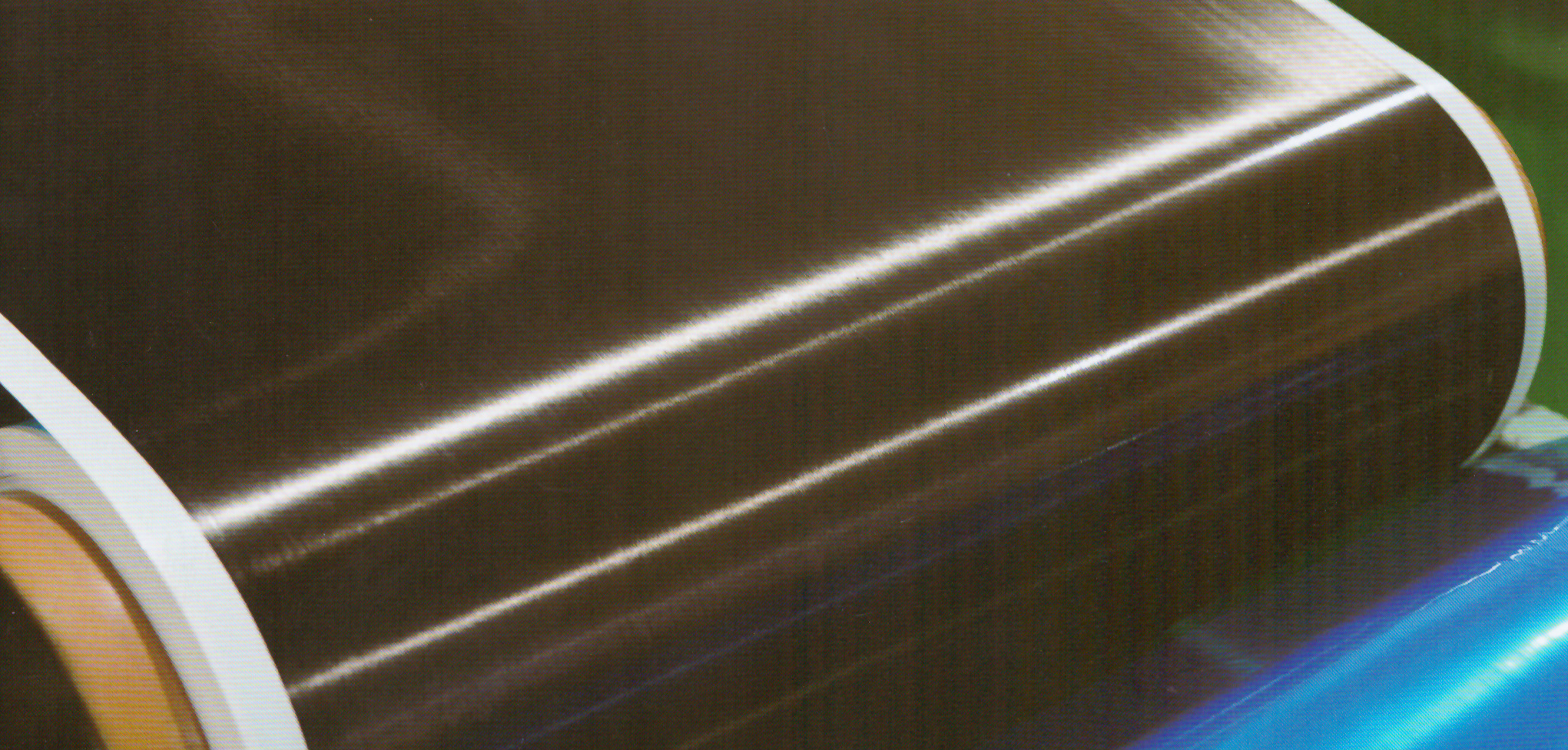
Step 1: Prepare materials and workspace for carbon fiber prepreg application
Before you start applying carbon fiber prepreg, getting everything ready is key to avoiding mistakes. First, check that your carbon fiber prepreg is in good condition—no wrinkles, moisture, or resin damage. Store it at the recommended cool temperature until right before use to keep the resin from curing too early. Next, gather all tools: sharp cutting tools for trimming carbon fiber prepreg, a roller to remove air bubbles, cleaning supplies for the substrate, and protective gear like gloves and a mask. Your workspace needs to be clean, dry, and well-ventilated. Wipe the substrate (the surface you’re applying carbon fiber prepreg to) thoroughly to remove dust, oil, or debris—any dirt can weaken the bond. Make sure the workspace temperature and humidity are within the material’s requirements too; extreme conditions can mess up how the carbon fiber prepreg adheres and cures. Taking time to prep means your application starts on the right foot.
Step 2: Cut and trim carbon fiber prepreg to the right size
Cutting carbon fiber prepreg accurately is crucial for a smooth application. First, measure the substrate carefully and mark the cutting lines on the carbon fiber prepreg with a non-permanent, resin-safe marker—don’t use anything that will bleed or damage the material. Use sharp, composite-specific tools like carbide scissors or a rotary cutter to make clean cuts. For straight lines, use a straightedge as a guide, and cut in one steady motion instead of sawing back and forth—this prevents fraying the carbon fibers. If you’re working with unidirectional carbon fiber prepreg, make sure to align the fiber direction with the strength needs of your project. Trim any excess material neatly, and avoid touching the cut edges with bare hands—oils from your skin can contaminate the carbon fiber prepreg. Taking care with cutting ensures the pieces fit perfectly, no gaps or overlaps that could ruin the final result.
Step 3: Apply carbon fiber prepreg to the substrate evenly
Now it’s time to lay the carbon fiber prepreg onto the substrate—and even application is everything. Start by peeling off the backing sheet of the carbon fiber prepreg slowly, making sure not to stretch or wrinkle the material. Align the cut piece with your marks on the substrate and lay it down gently. Use a soft roller (like a silicone or rubber roller) to press the carbon fiber prepreg firmly from the center outwards. This helps remove air bubbles and ensures full contact with the substrate—bubbles left behind can cause weak spots or uneven curing. If you need multiple layers of carbon fiber prepreg, repeat the process, making sure each layer is aligned correctly and free of bubbles before adding the next. Don’t rush this step; taking the time to press evenly means the carbon fiber prepreg bonds well and performs as it should.
Step 4: Cure carbon fiber prepreg under proper conditions
Curing is where the carbon fiber prepreg hardens and forms a strong bond, so getting the conditions right is non-negotiable. First, check the manufacturer’s guidelines for temperature, pressure, and curing time—different carbon fiber prepreg products have specific requirements. Most often, you’ll need to use a vacuum bag or autoclave to apply consistent pressure, which helps the resin flow evenly and removes any remaining air. Maintain the recommended temperature throughout the cure—too hot and the resin might cure too fast, too cold and it won’t set properly. Avoid opening the curing equipment mid-process; this can disrupt temperature and pressure, ruining the carbon fiber prepreg. Let the material cure fully before handling—don’t rush to take it out early, even if it feels firm. Proper curing ensures the carbon fiber prepreg reaches its maximum strength and durability.
Step 5: Post cure inspection and finishing of carbon fiber prepreg
Once curing is done, the final steps are inspection and finishing to ensure your carbon fiber prepreg application is top-notch. First, inspect the finished part carefully. Look for any air bubbles, delamination (layers coming apart), or resin issues. If you find small bubbles, you might be able to repair them with extra resin, but major issues might mean starting over—better to catch them now than later. Next, finish the surface: trim any excess material, sand down rough edges, and clean off any leftover resin. If needed, apply a protective coating to enhance the carbon fiber prepreg’s durability and appearance. Finally, test the part if it’s for a high-performance use—check its strength and structural integrity to make sure it meets your project’s needs. This post-cure step ensures your carbon fiber prepreg application is not just effective, but also reliable and long-lasting.

 Hot News
 EN
EN