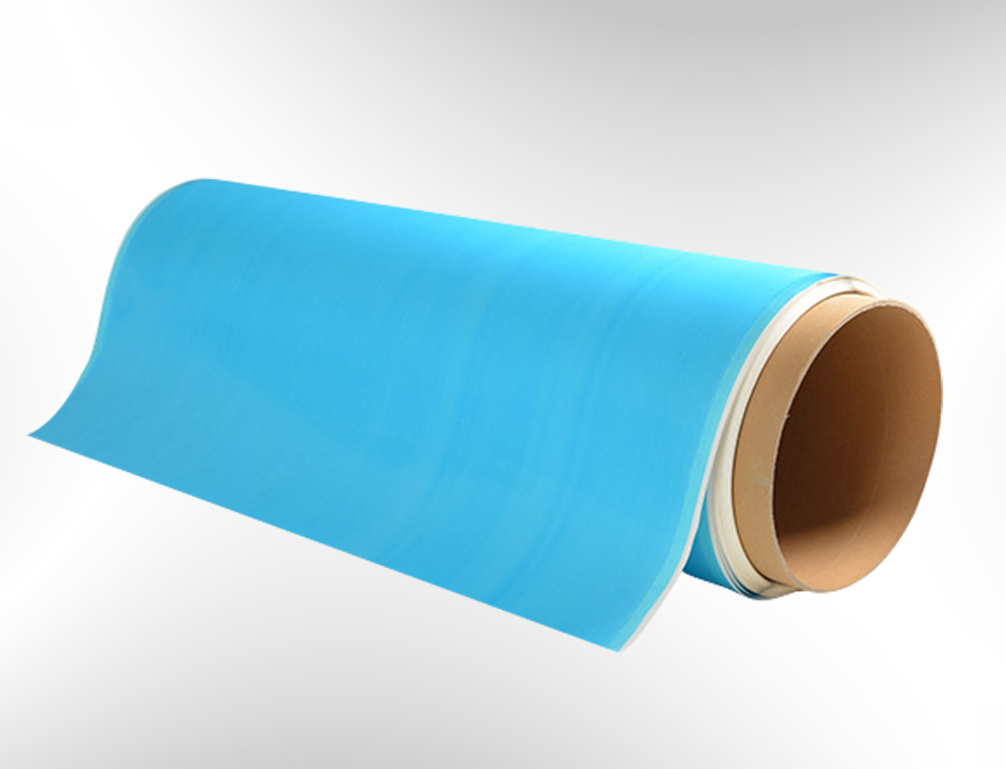
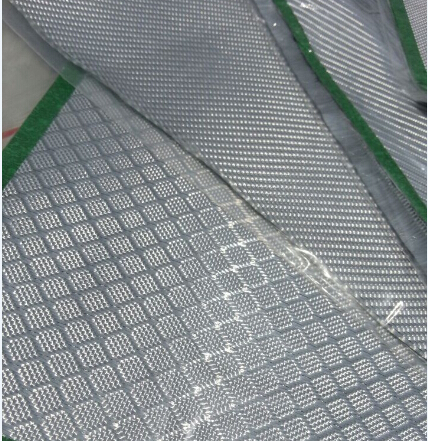
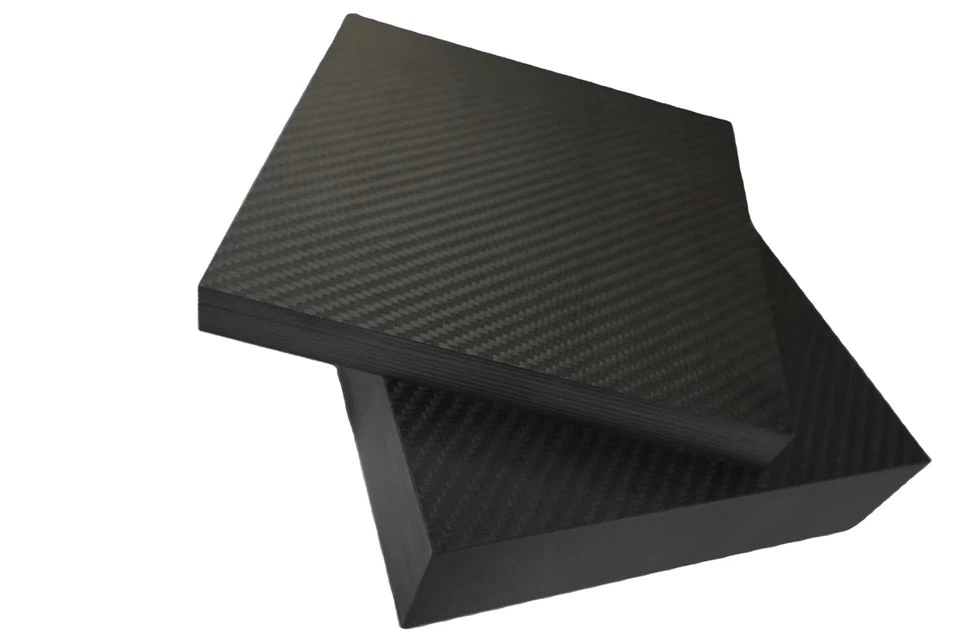
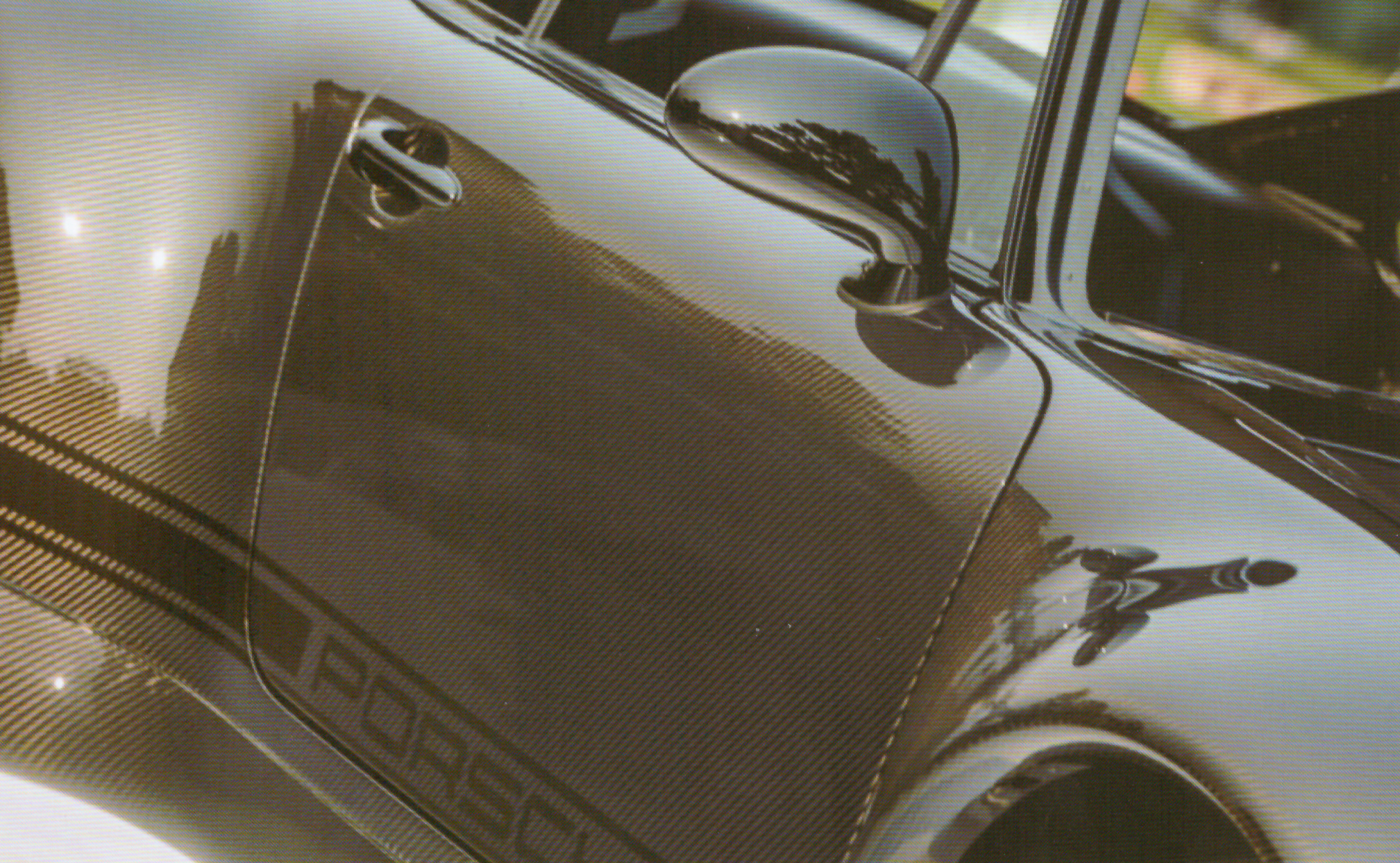
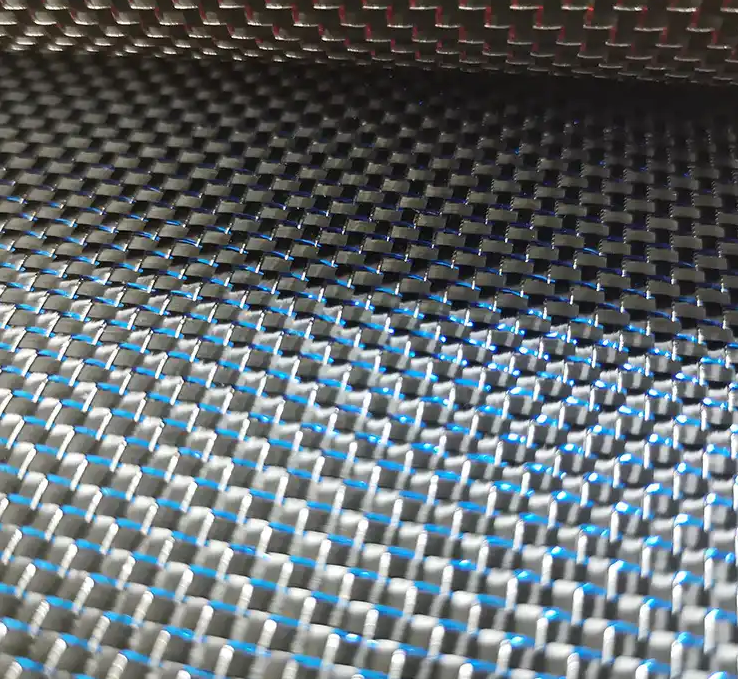
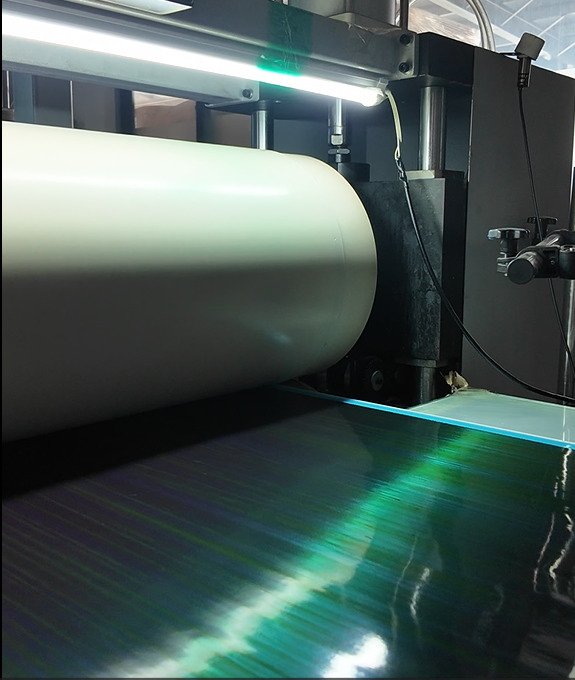
Carbon fiber prepreg is a high-performance composite material that’s widely used in aerospace, automotive, sports equipment and many other fields. Its excellent strength-to-weight ratio, corrosion resistance and structural stability make it a top choice for high-demand projects. But to get the most out of carbon fiber prepreg, following the right application steps is crucial. Whether you’re working on an industrial project or a custom creation, mastering these steps ensures optimal performance and durability.
Preparation before application
First, you need to get all materials and tools ready. Besides the required carbon fiber prepreg, you’ll need a clean work surface, cutting tools, a roller, release film, vacuum bagging materials and a curing oven. Make sure the carbon fiber prepreg is stored properly before use—keep it in a cool, dry place to avoid moisture absorption which can affect its performance. Next, clean the mold thoroughly. Any dust, oil or debris on the mold surface will ruin the bonding effect, so wipe it with a clean cloth and ensure it’s completely dry. Then, cut the carbon fiber prepreg according to the size and shape of your project. Use sharp tools for precise cutting, and avoid fraying the edges as this can weaken the final product.
Laying up the carbon fiber prepreg
Start by applying a thin layer of release agent to the mold if needed, which helps with demolding later. Then, carefully place the first layer of carbon fiber prepreg onto the mold, making sure it fits perfectly without wrinkles or bubbles. Use a roller to gently press the prepreg, smoothing out any air pockets and ensuring full contact with the mold. For projects that require multiple layers, repeat the process, aligning each layer correctly according to the design requirements. Pay attention to the direction of the fibers—different fiber orientations provide different strength properties, so follow the project specifications closely. As you lay each layer, keep checking for wrinkles or gaps, and fix them immediately to maintain the quality of the carbon fiber prepreg structure.
Vacuum bagging and sealing
After laying all the carbon fiber prepreg layers, it’s time to vacuum bag the assembly. Cover the prepreg with a release film to prevent it from sticking to the vacuum bag. Then, place the vacuum bag over the entire structure and seal the edges tightly with sealant tape. Make sure there are no leaks—even small gaps can lead to air trapped inside, which affects curing. Connect the vacuum pump to the bag and start extracting air. The goal is to remove all air between the layers of carbon fiber prepreg and ensure uniform pressure during curing. Let the vacuum run for a while to confirm there are no pressure drops, which indicates a good seal.
Curing process
Once the vacuum bagging is done, move the mold and carbon fiber prepreg assembly into a curing oven. The curing parameters depend on the type of carbon fiber prepreg you’re using—check the manufacturer’s instructions for the correct temperature and time. Generally, the curing process involves heating the prepreg to a specific temperature, holding it for a set period, and then letting it cool down gradually. Avoid rushing the heating or cooling process, as sudden temperature changes can cause internal stress and damage the material. During curing, monitor the temperature regularly to ensure it stays within the recommended range. Proper curing is key to activating the resin in the carbon fiber prepreg and forming a strong, durable composite structure.
Demolding and post-processing
After the curing cycle is complete and the assembly has cooled down completely, it’s time to demold. Carefully remove the vacuum bag, release film and any other auxiliary materials. Take your time during demolding to avoid damaging the carbon fiber prepreg product. Once demolded, inspect the product for any defects like bubbles, cracks or uneven surfaces. If there are minor imperfections, you can sand them down with fine-grit sandpaper. For a smoother finish, apply a layer of clear coat or paint if needed. Finally, clean the product to remove any dust or debris from the post-processing steps. Now your carbon fiber prepreg product is ready for use, delivering the high performance and reliability that this exceptional material is known for.

 Hot News
 EN
EN