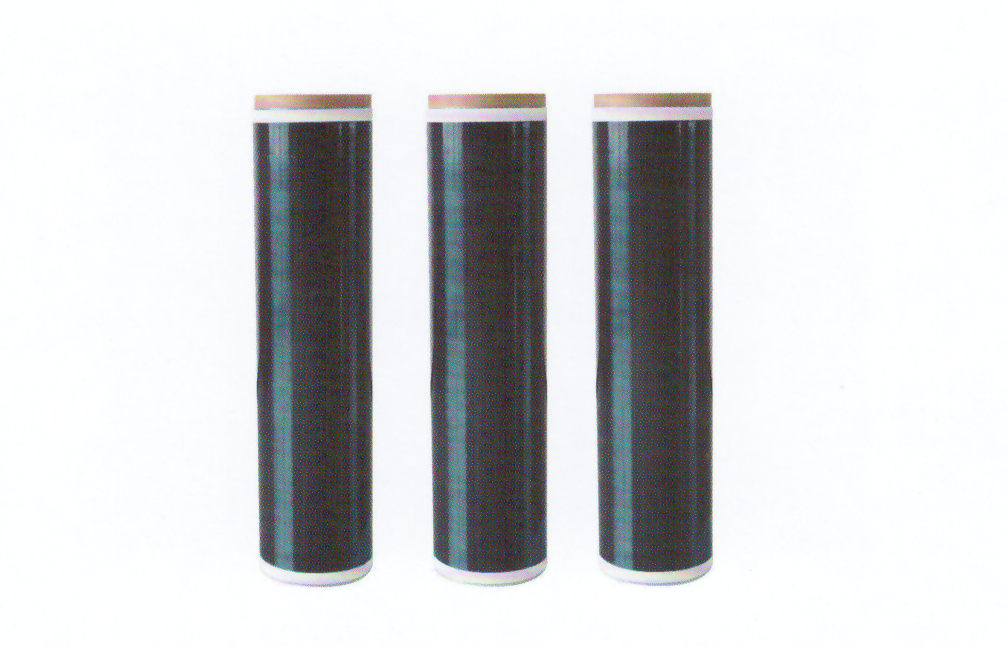
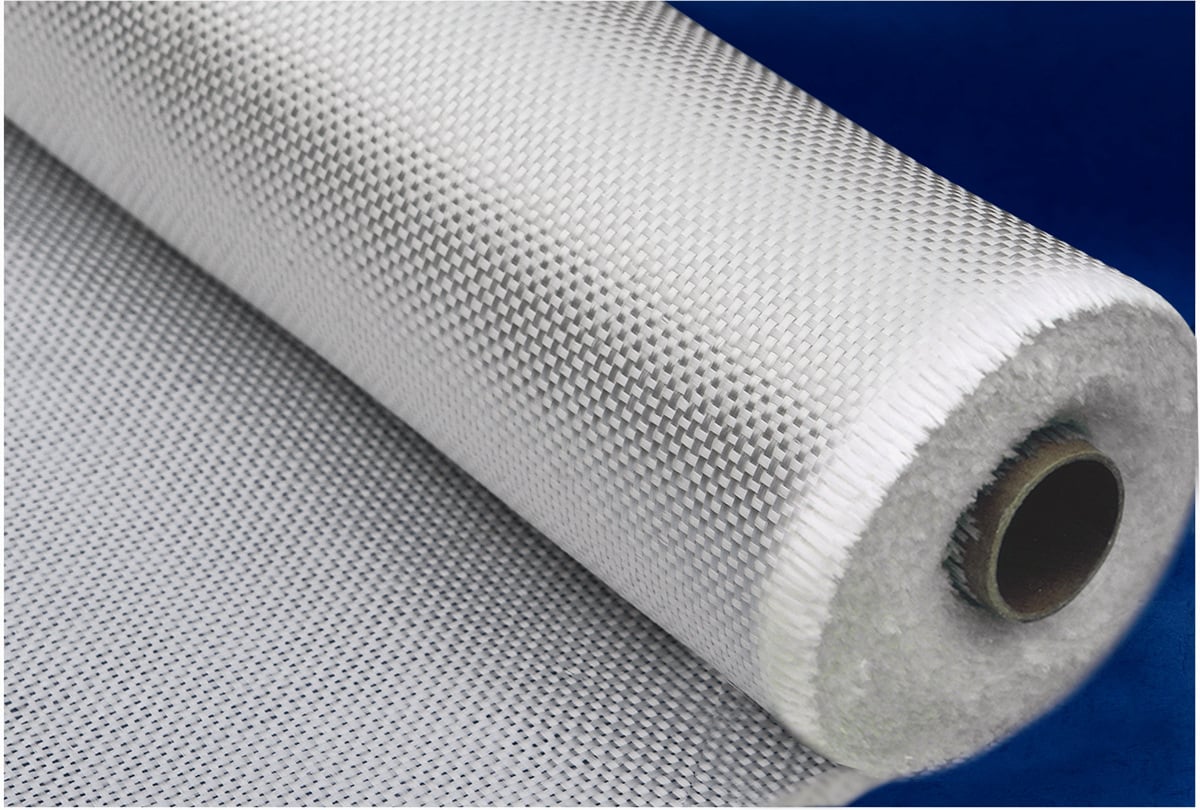
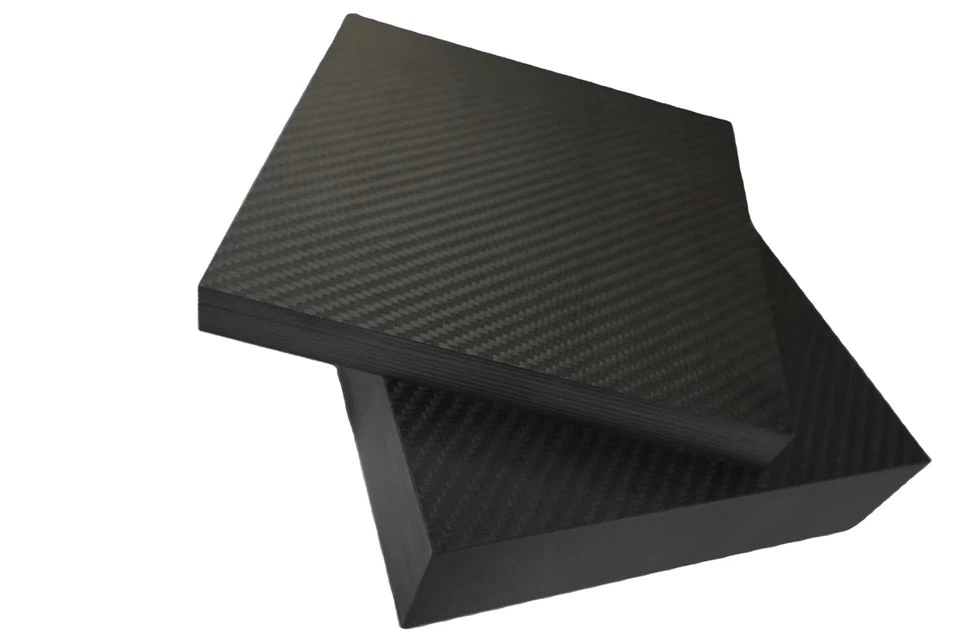
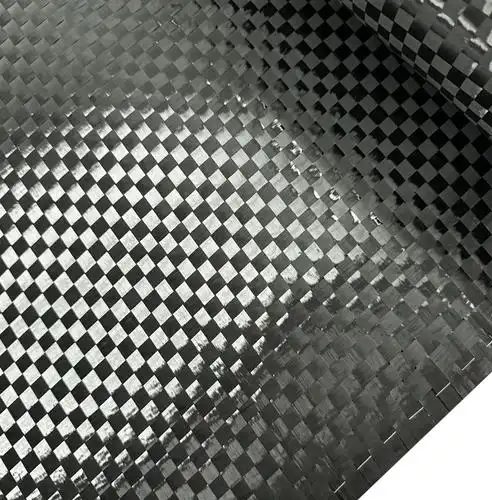
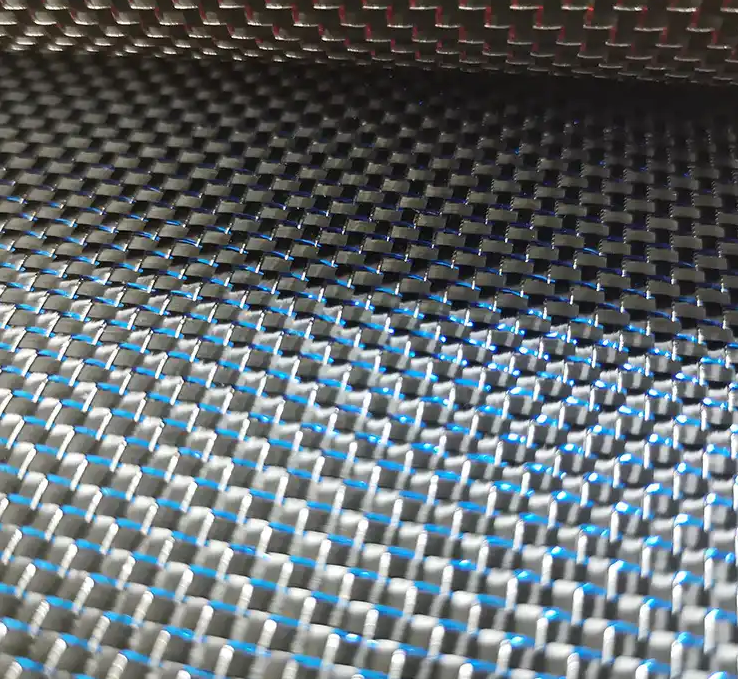
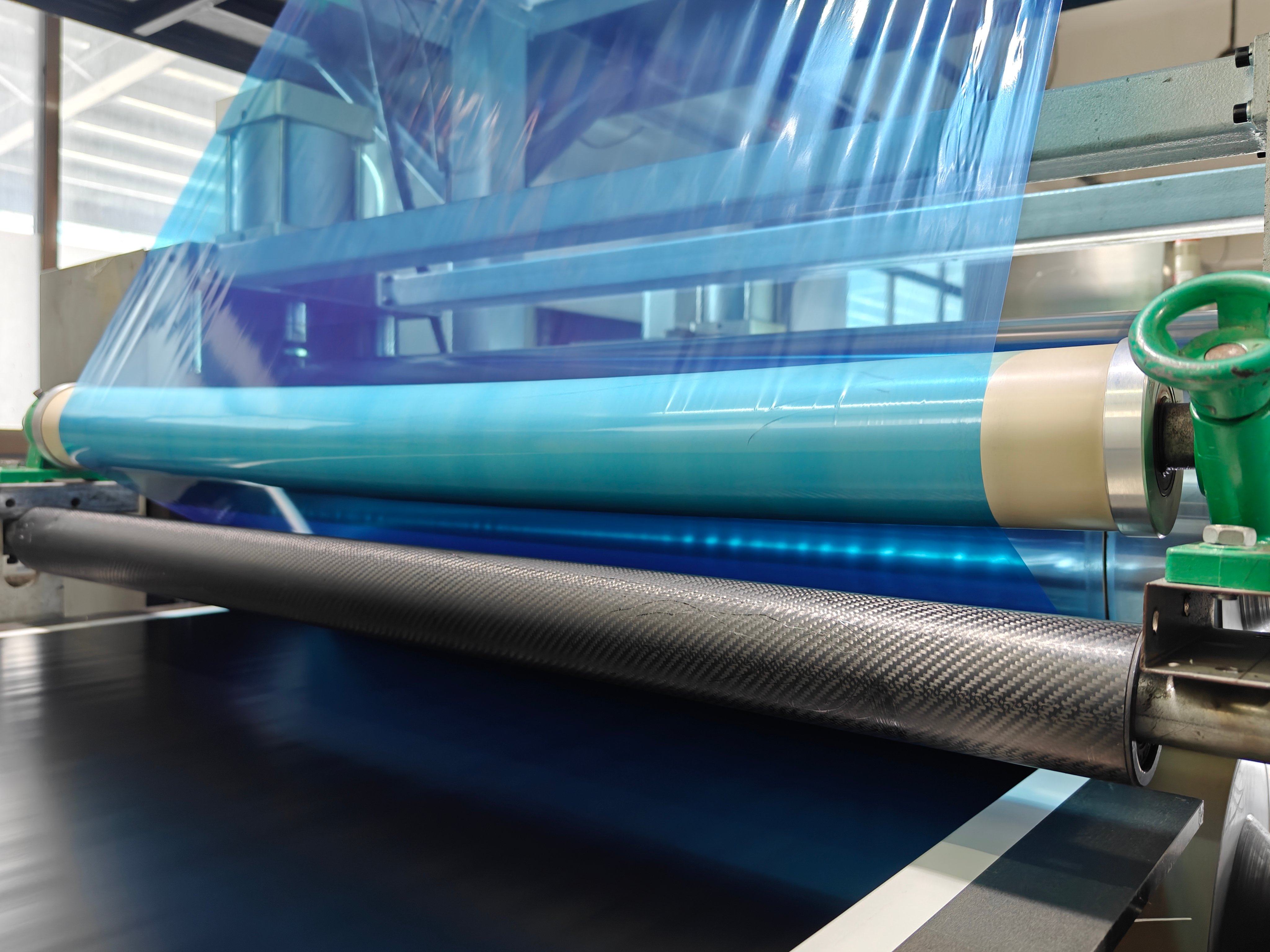
Carbon fiber prepreg is a star material in high-performance composites, favored in aerospace, automotive, sports equipment and many other industries for its excellent strength-to-weight ratio and durability. But many users find that the actual performance of carbon fiber prepreg doesn’t meet expectations. The key lies in whether you use the right methods. To let this high-quality material play its best, you need to pay attention to every detail from storage to application.
Proper storage before use
The performance of carbon fiber prepreg starts with proper storage. This material is sensitive to temperature and humidity, so it should be kept in a cool dry environment. Avoid placing it in direct sunlight or damp areas, as moisture can damage the resin and reduce the bonding strength. The ideal storage temperature is usually between 0 and 10 degrees Celsius, which helps maintain the stability of the carbon fiber prepreg. Also, don’t stack heavy objects on the material to prevent fiber deformation. Before use, let the carbon fiber prepreg return to room temperature naturally. Sudden temperature changes can cause condensation, which affects subsequent processing.
Correct cutting and laying
Cutting and laying are crucial steps to maximize carbon fiber prepreg performance. First, measure the size accurately according to the project requirements. Use sharp professional tools to cut, ensuring neat edges without fraying. Frayed fibers will weaken the overall structural strength of the carbon fiber prepreg. When laying, make sure the mold surface is clean and smooth, free of dust oil or debris. Lay the carbon fiber prepreg flat on the mold, avoiding wrinkles or bubbles. Use a roller to press gently, making the material fully fit the mold. For multi-layer laying, pay attention to the fiber direction. Following the design requirements to align the fibers can give full play to the strength advantages of carbon fiber prepreg.
Strict control of curing parameters
Curing is the key link to determine the final performance of carbon fiber prepreg. Different types of carbon fiber prepreg have specific curing requirements, so you must refer to the manufacturer's instructions. The temperature and time during curing must be strictly controlled. Too low a temperature or too short a time will result in incomplete curing, making the product soft and low in strength. Too high a temperature or too long a time may cause resin degradation and affect the performance of carbon fiber prepreg. During the curing process, maintain uniform temperature distribution in the oven and avoid local overheating. It’s also important to control the cooling rate after curing. Gradual cooling can reduce internal stress and prevent cracks in the carbon fiber prepreg product.
Standard operation in post-processing
Post-processing operations also have a great impact on the performance of carbon fiber prepreg. After curing and demolding, first inspect the product for defects such as bubbles cracks or uneven surfaces. For minor flaws, use fine sandpaper to polish gently, but avoid excessive sanding that may damage the fiber structure. If surface treatment such as painting or coating is needed, choose materials compatible with carbon fiber prepreg to ensure good adhesion. During the entire post-processing process, avoid violent collisions or scratches on the product. Proper handling can protect the integrity of the carbon fiber prepreg structure and maintain its excellent performance.
Attention to daily use and maintenance
To keep the performance of carbon fiber prepreg products stable during use, daily maintenance is essential. Avoid exposing the product to extreme environments such as high temperature high humidity or strong corrosion for a long time. When cleaning, use a soft cloth and mild cleaning agents, and do not use harsh chemicals that may damage the surface. For products under heavy load, regular inspections are necessary to check for signs of wear or damage. If problems are found, take timely measures to repair or replace them. Proper use and maintenance can extend the service life of carbon fiber prepreg products and keep their performance at a high level.

 Hot News
 EN
EN