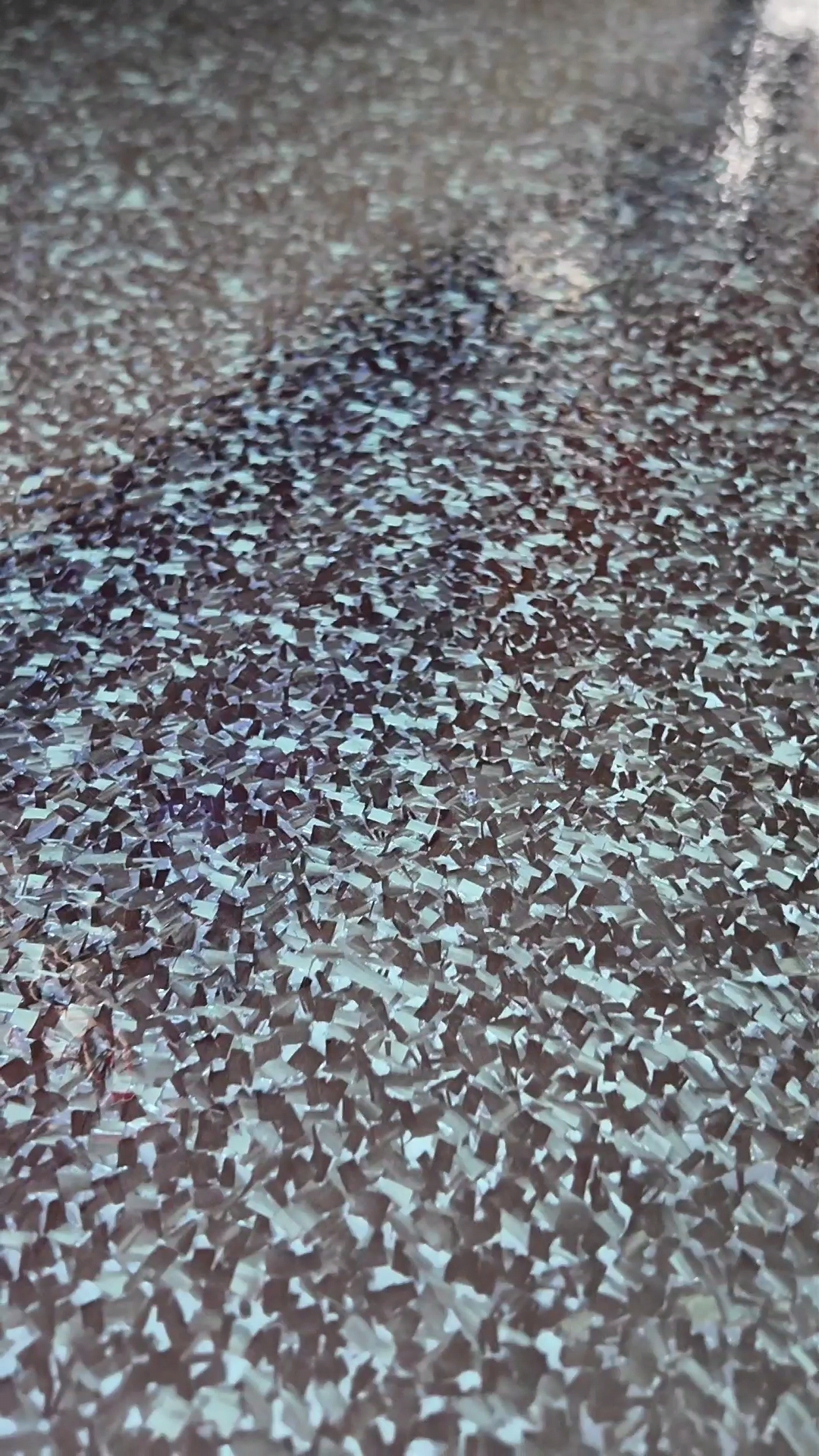
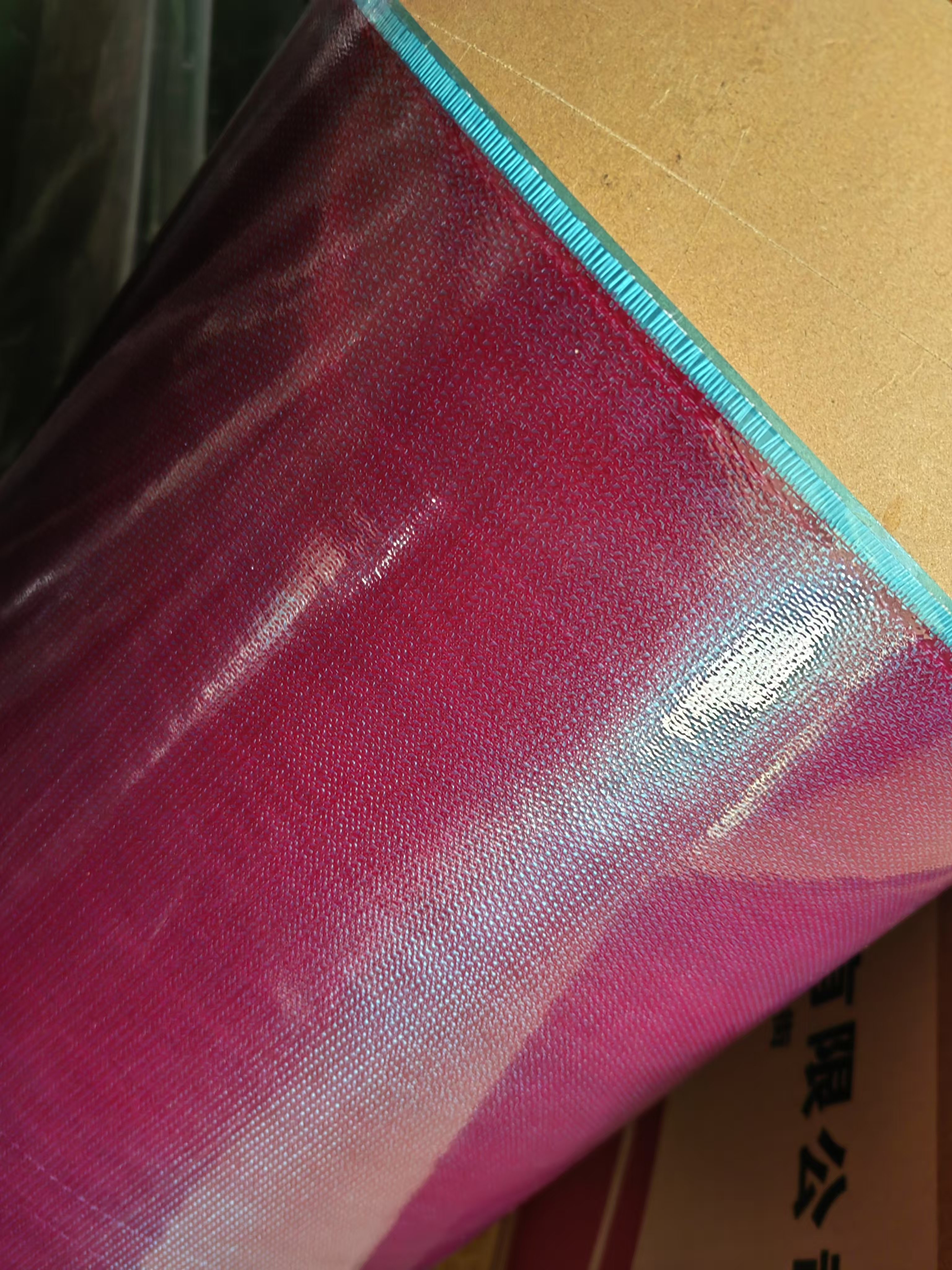
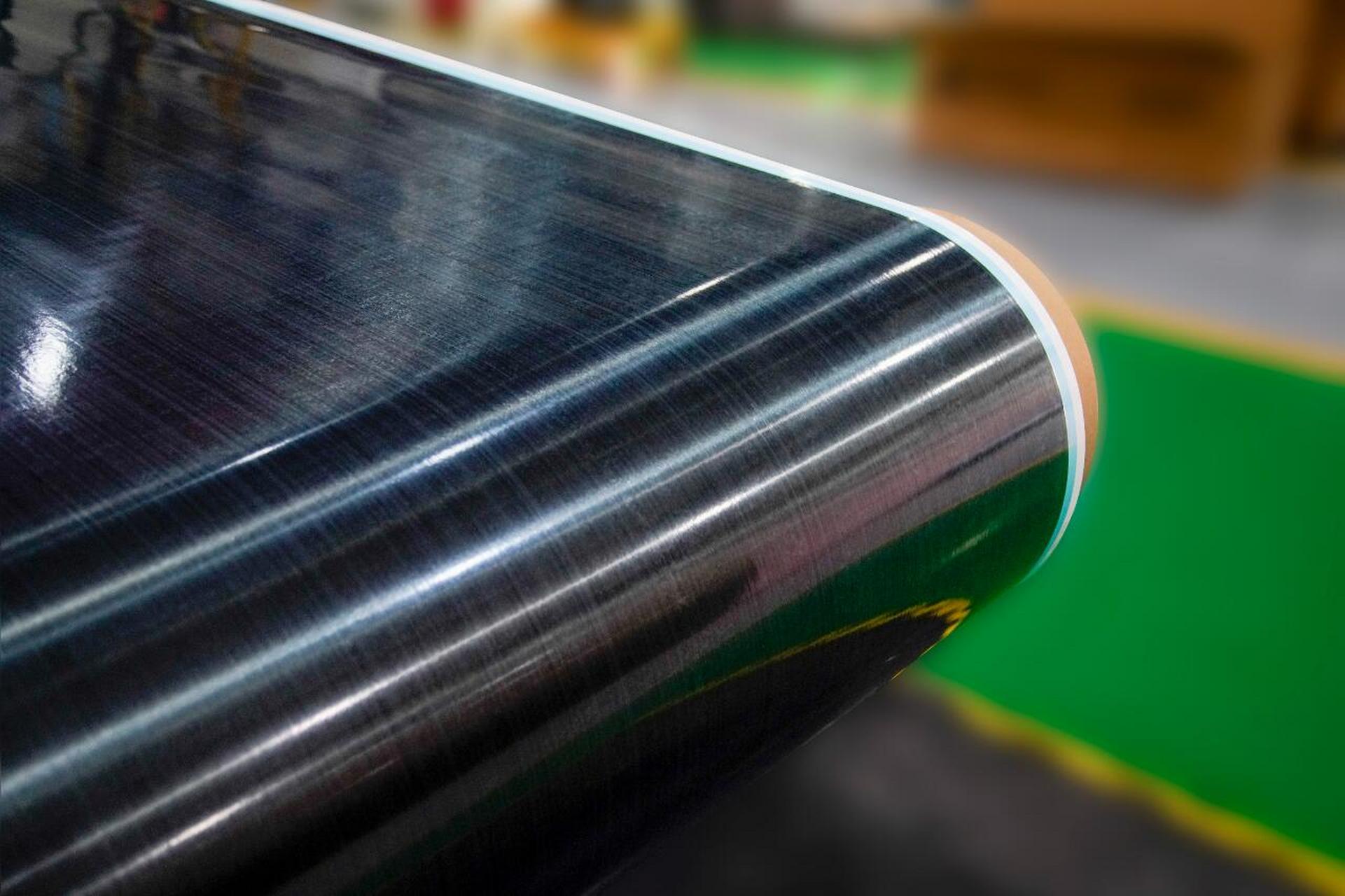
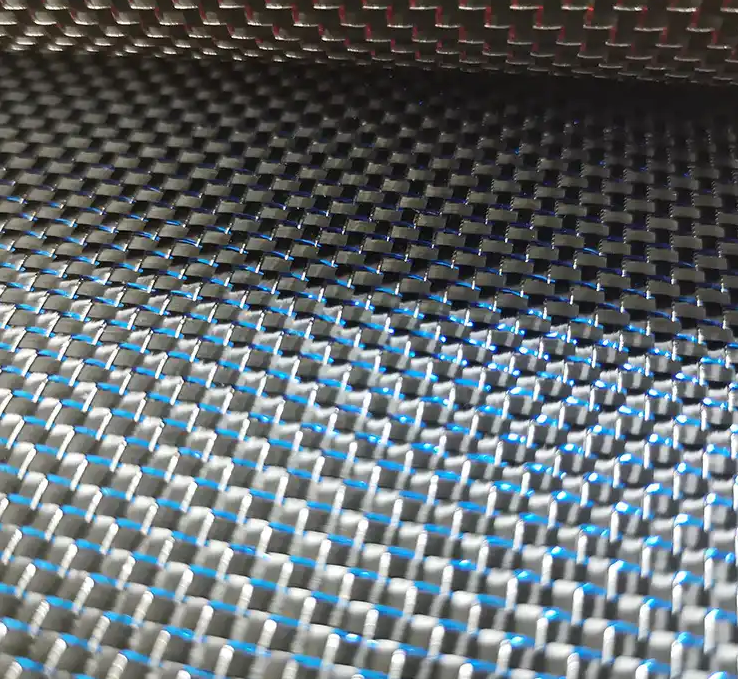
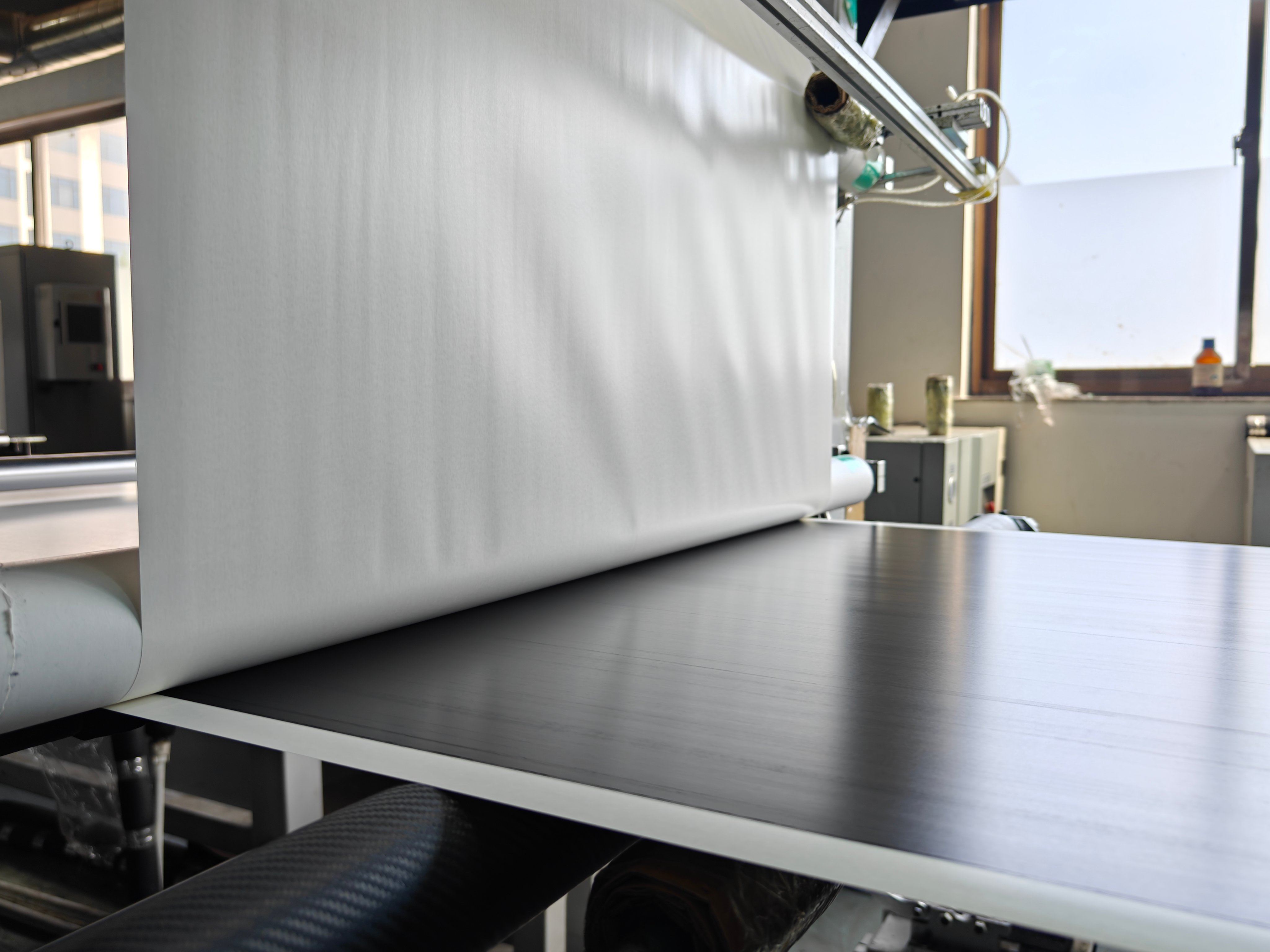
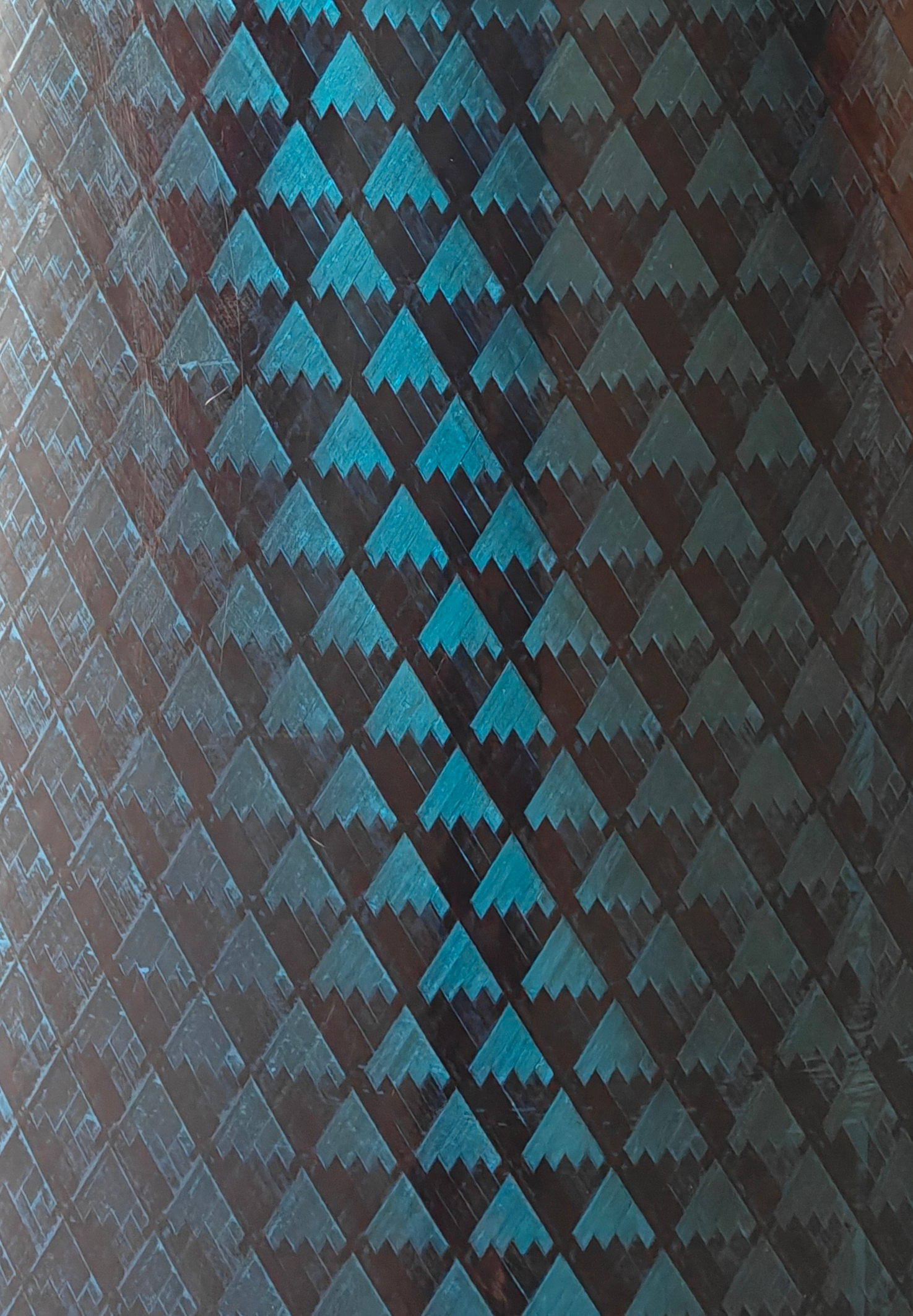
Carbon fiber prepreg is a key material in modern manufacturing, prized for its lightweight yet strong properties that make it ideal for aerospace automotive sports equipment and other industries. But to work with carbon fiber prepreg effectively and ensure high quality end products you need the right set of tools. From cutting and laying to curing and finishing each step requires specific tools that match the material’s unique characteristics. Let’s break down the essential tools for using carbon fiber prepreg in manufacturing.
Cutting tools for precise shaping
Getting clean accurate cuts is the first step in working with carbon fiber prepreg. You’ll need sharp professional cutting tools to avoid fraying the fibers which can weaken the final product. Heavy duty shears or scissors designed for composite materials work well for straight cuts while a utility knife with replaceable blades is perfect for more detailed shapes. For larger projects a rotary cutter paired with a self healing mat ensures smooth even cuts without damaging the work surface. It’s important to keep cutting tools sharp because dull blades can crush or split the fibers in carbon fiber prepreg ruining its structural integrity. Having a ruler tape measure and marking tools like a grease pencil or removable marker is also essential to mark cut lines accurately before trimming the carbon fiber prepreg.
Laying and smoothing tools
Properly laying carbon fiber prepreg requires tools that help achieve a flat bubble free surface. A hard rubber roller is a must have for pressing the material onto the mold and removing trapped air. Choose a roller with a smooth surface to avoid leaving indentations in the carbon fiber prepreg. For curved or complex molds a smaller handheld roller or a squeegee can reach tight spots and ensure full contact between the prepreg and the mold surface. Tweezers or small clamps are useful for holding the carbon fiber prepreg in place during laying especially when working with multiple layers. You’ll also need lint free cloths to wipe down the mold and the prepreg removing any dust or debris that could affect adhesion. Having a spray bottle with isopropyl alcohol helps clean the mold surface without leaving residue that might interfere with the carbon fiber prepreg’s bonding.
Curing equipment
Curing is a critical stage for carbon fiber prepreg as it activates the resin and forms a strong durable composite. The main tool here is a curing oven or autoclave that can maintain precise temperature and pressure. For most manufacturing settings a programmable curing oven is essential because it allows you to set and control the temperature ramp up hold time and cool down cycle which are vital for proper curing of carbon fiber prepreg. Vacuum bagging equipment is another key component including vacuum bags sealant tape and a vacuum pump. These tools create a vacuum environment that removes air from between layers of carbon fiber prepreg and ensures uniform pressure during curing preventing bubbles and ensuring consistent resin distribution. A pressure gauge is helpful to monitor the vacuum level and make sure it stays within the recommended range for the carbon fiber prepreg being used.
Inspection and quality control tools
To ensure the carbon fiber prepreg is processed correctly and the final product meets quality standards you need inspection tools. A digital caliper helps measure the thickness of the carbon fiber prepreg layers ensuring they match the design specifications. A portable hardness tester can check the curing quality by measuring the material’s hardness after the curing process. For detecting hidden defects like delamination or air pockets an ultrasonic tester or a visual inspection lamp with high intensity lighting works well. Magnifying glasses or small microscopes help examine the fiber alignment and surface finish of the carbon fiber prepreg ensuring there are no fiber breaks or irregularities. Keeping a logbook or digital recording tool to document measurements and inspection results is also important for quality control when working with carbon fiber prepreg.
Finishing and post processing tools
After curing the carbon fiber prepreg requires finishing tools to achieve the desired surface quality. Sanding tools are essential including sandpaper of various grits from coarse to fine. Coarse grit sandpaper removes excess material or uneven surfaces while fine grit sandpaper creates a smooth finish. A random orbital sander is ideal for larger surfaces as it reduces the risk of creating scratches or uneven areas on the carbon fiber prepreg. For edge finishing a deburring tool or file helps smooth sharp edges preventing fiber fraying. If painting or coating the product you’ll need application tools like brushes rollers or spray guns that are compatible with composite materials. Clean rags and solvents designed for carbon fiber prepreg are necessary for cleaning tools and the product surface during finishing. Finally a polishing compound and buffer can be used to give the carbon fiber prepreg product a glossy professional look.

 Hot News
 EN
EN