
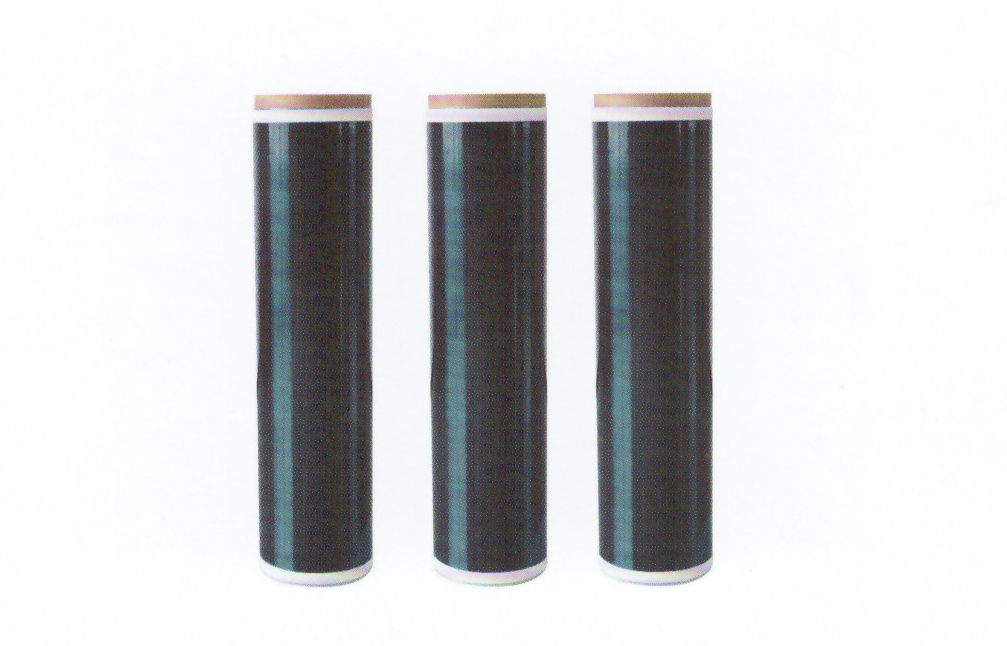
Why Sharp Tools Are Essential for Cutting Carbon Fiber Material Cutting carbon fiber demands exceptional edge sharpness because its brittle, laminated structure responds poorly to compressive or dragging forces. A truly sharp tool shears carbon fib...
VIEW MORE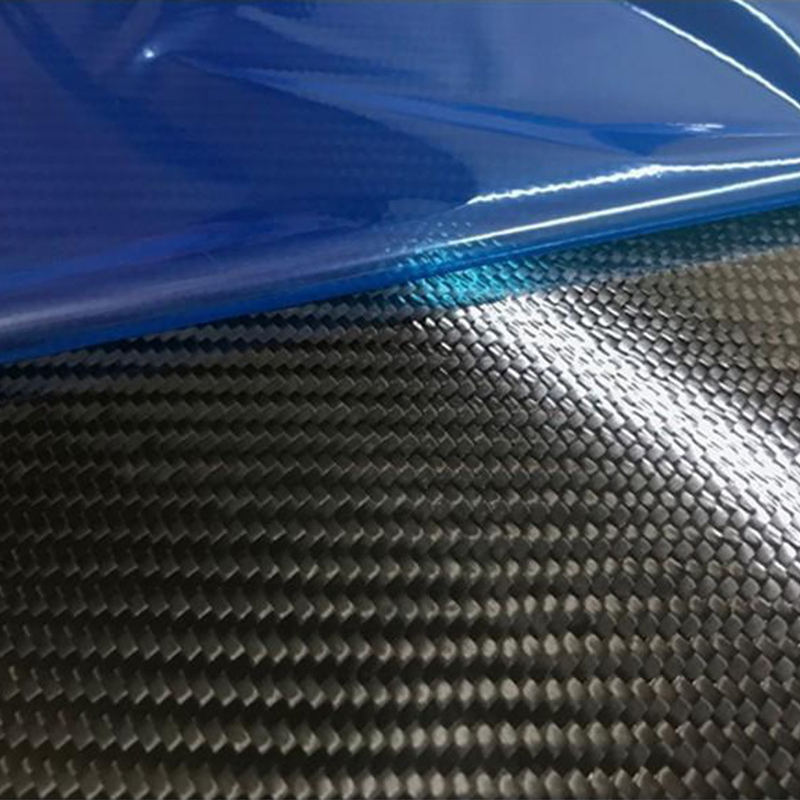
The Failure Mechanism – Why Standard Tools Degrade Rapidly on Bidirectional Carbon Fiber Bidirectional carbon fiber presents unique machining challenges that quickly degrade conventional cutting tools. Its high elastic modulus and dual-fiber ...
VIEW MORE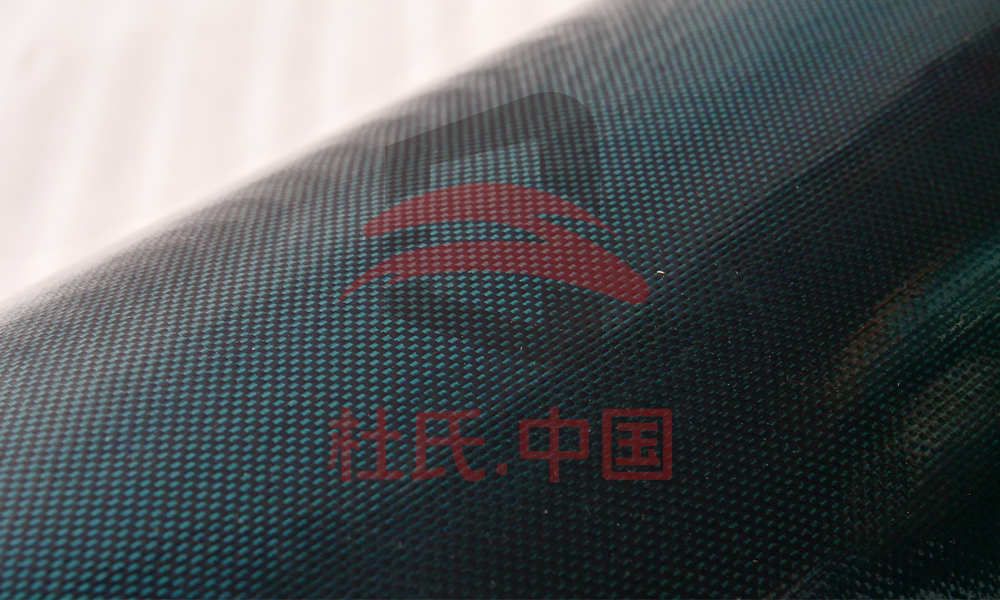
Surface Preparation for Reliable Adhesion on Bidirectional Carbon Fiber Proper surface preparation forms the foundation of durable bonds in bidirectional carbon fiber composites. Even minor surface contamination can reduce joint strength by over 30...
VIEW MORE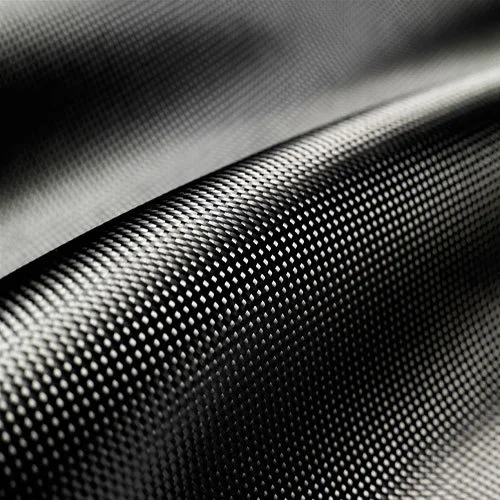
Thermal Behavior of Carbon Fiber Material: Expansion and Conductivity Challenges Carbon fiber exhibits a slightly negative coefficient of thermal expansion along the fiber direction, ranging from negative 0.5 to negative 1.0 times 10 to the sixth p...
VIEW MORE
The Anisotropy Imperative – Why Fiber Direction Defines Structural Performance Unidirectional carbon fiber prepreg separates itself from woven fabrics by concentrating all reinforcing fibers in a single direction, creating extreme anisotropy....
VIEW MORE
The $28,000 Roll – When Horizontal Storage Ruined a Batch of Prepreg A composites manufacturer in the Pacific Northwest stored a pallet of carbon fiber prepreg rolls horizontally—stacked three high—for six weeks while awaiting pro...
VIEW MORE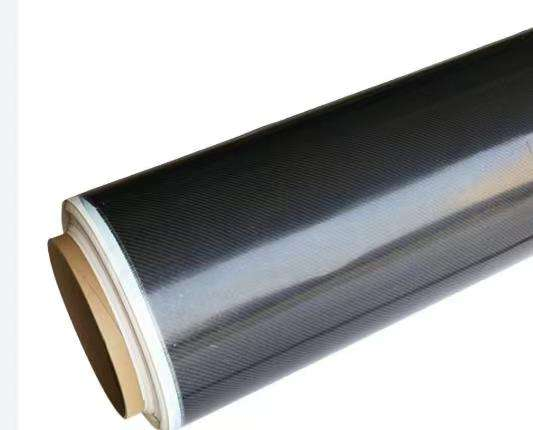
The $250,000 Delamination – A Lesson in Carbon Fiber Handling A composites shop in the Pacific Northwest was manufacturing a structural component for an aerospace customer using bidirectional carbon fiber pre-preg. The layup technicians were ...
VIEW MORE
Carbon Fiber Roll Storage Guide: Temperature, Humidity, and Handling Best Practices Introduction: Why Storage Conditions Matter for Carbon Fiber Rolls Carbon fiber rolls are high-value materials that demand precise storage conditions to preser...
VIEW MORE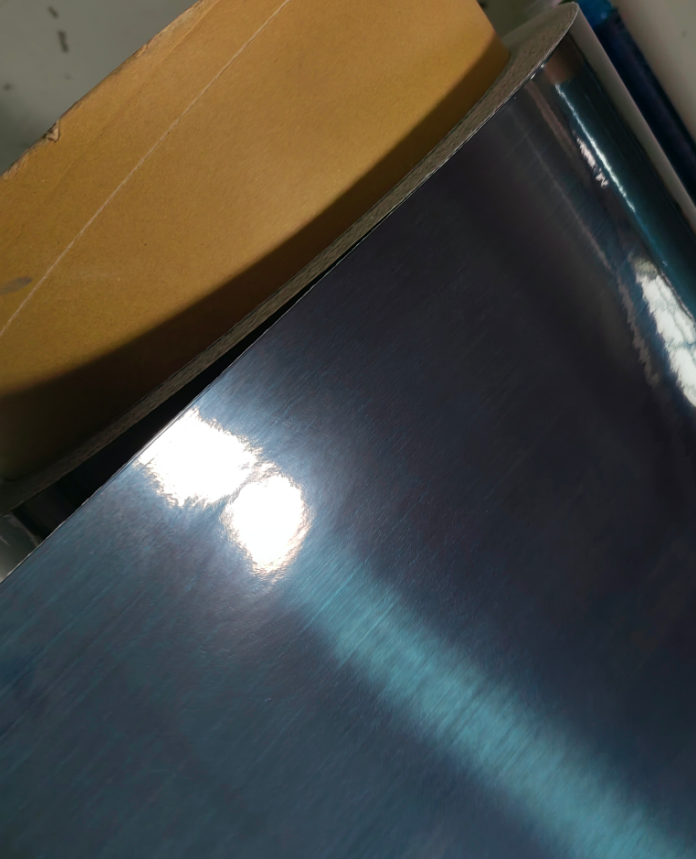
Carbon Fiber Material Selection Guide: Types, Formats, and Engineering Applications Introduction: Why Carbon Fiber Material Selection Matters Carbon fiber materials have transformed engineering across aerospace, automotive, wind energy, and sp...
VIEW MORE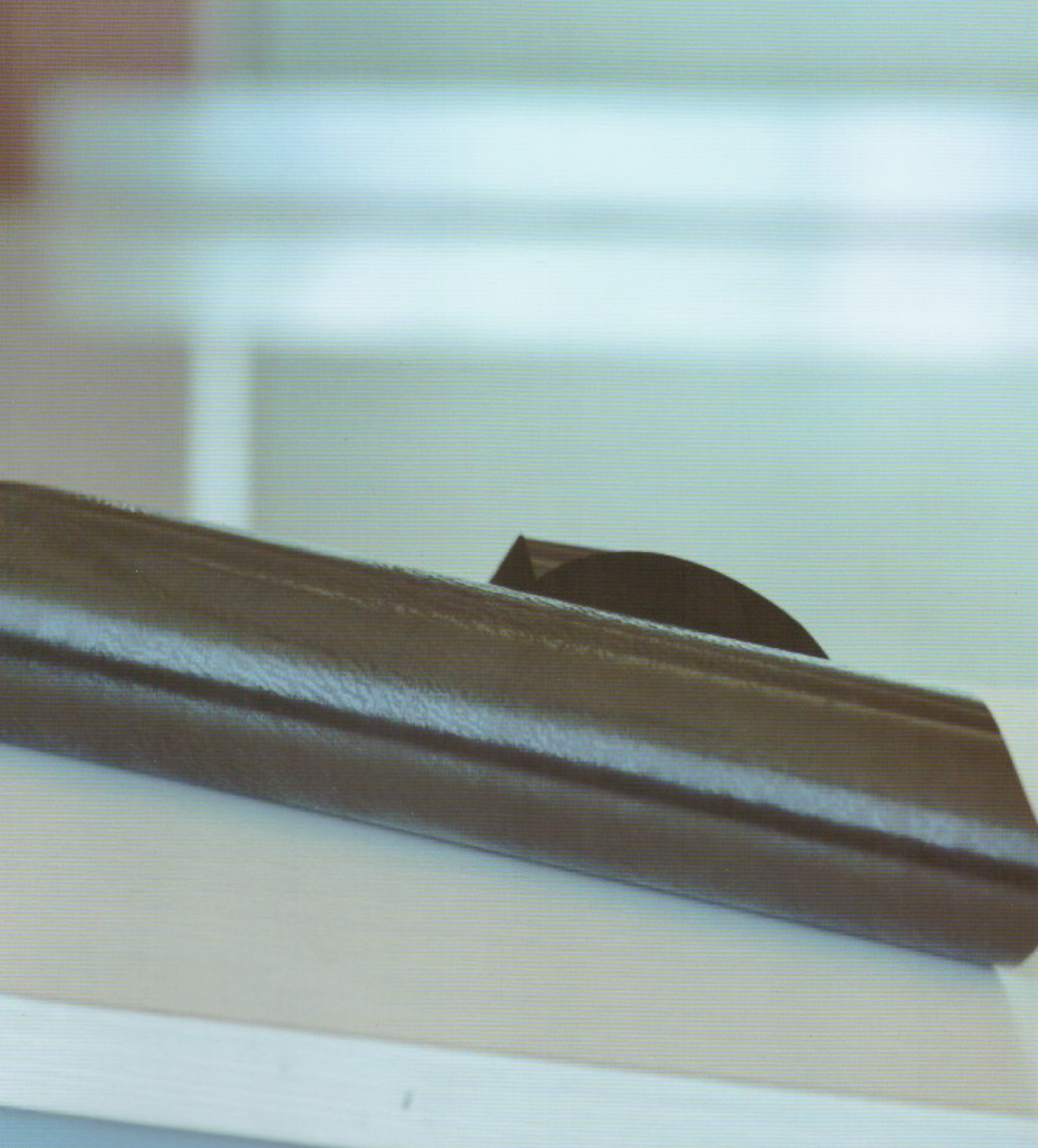
What is the Proper Way to Store Unidirectional Carbon Fiber Prepreg? Unidirectional carbon fiber prepreg is among the most valuable materials in modern manufacturing. It delivers exceptional strength-to-weight ratios, directional stiffness, and fat...
VIEW MORE
UD Carbon Fiber Prepreg Guide: Properties, Applications, and Manufacturing Advantages Introduction: The Material Behind Modern Lightweight Engineering In the world of advanced composites, unidirectional (UD) carbon fiber prepreg stands as...
VIEW MORE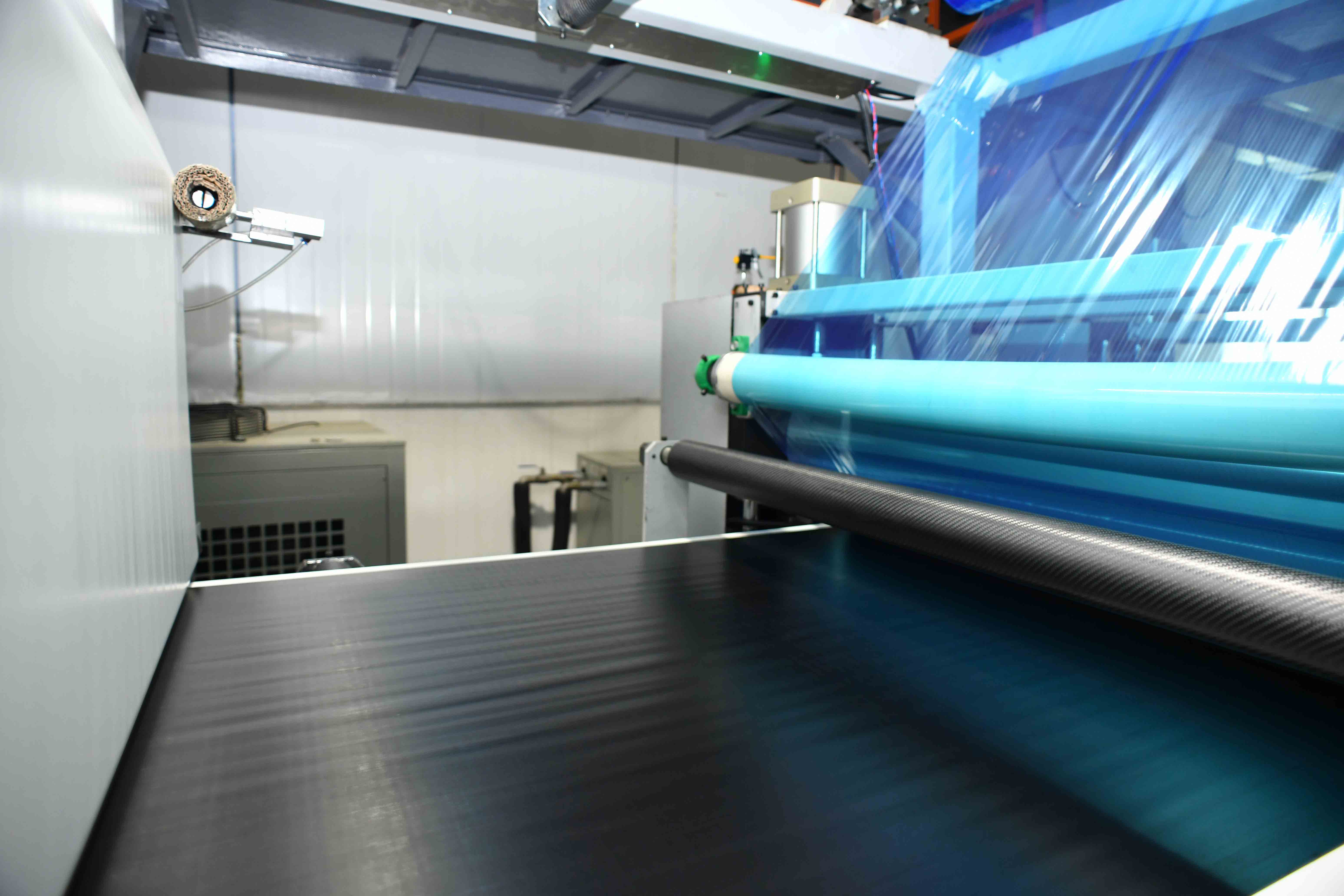
T700 Carbon Fiber and Epoxy Resin: Why This Pair Defines High-Performance Composites Introduction: The Gold Standard in Composite Materials In the world of advanced composites, T700 carbon fiber and epoxy resin represent one of ...
VIEW MORE
Copyright © 2025 by Weihai Dushi Composite Material Co.Ltd - Privacy Policy
 EN
EN