
 EN
EN
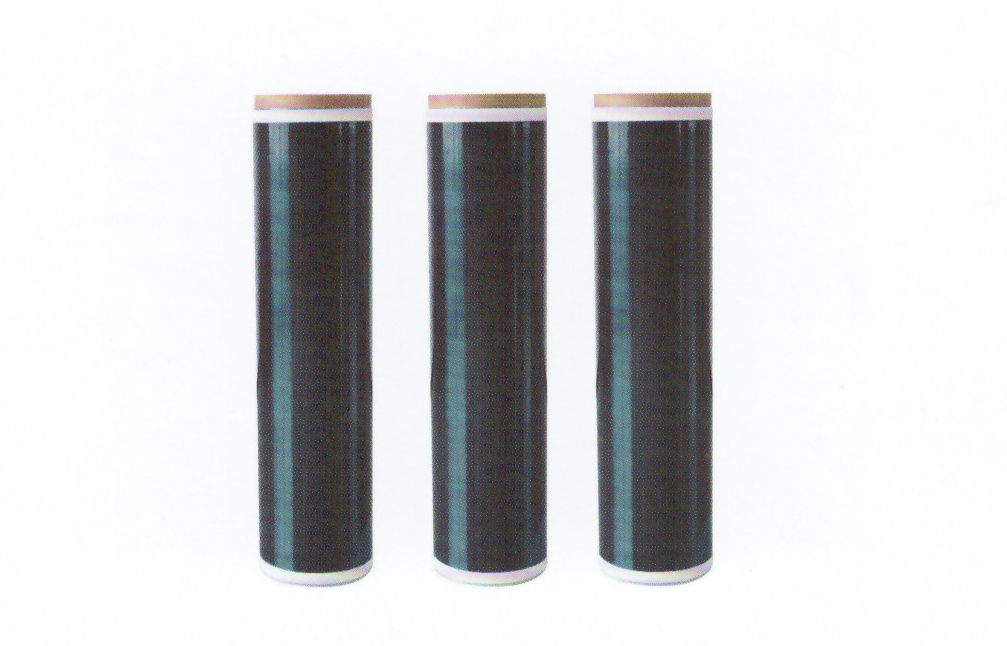
Why Sharp Tools Are Essential for Cutting Carbon Fiber Material
Cutting carbon fiber demands exceptional edge sharpness because its brittle, laminated structure responds poorly to compressive or dragging forces. A truly sharp tool shears carbon fibers cleanly and severs the epoxy matrix with minimal disruption, preserving vital fiber alignment and interlaminar integrity. Dull tools, by contrast, crush and tear fibers, initiating micro-cracks and delamination that propagate under load and undermine structural reliability. Industry testing shows a sharp carbide blade limits edge delamination to under 0.1 millimeters, whereas a worn edge can cause damage exceeding 0.5 millimeters—representing a fivefold degradation in edge quality.
Carbon fiber’s extreme abrasiveness accelerates tool wear, making it critical to start with maximum sharpness to extend tool life and sustain dimensional accuracy across cuts. Sharp cutting edges also minimize cutting force and localized heat buildup, preventing resin softening, fiber pull-out, and thermal damage, which is especially vital for thin sheets where stress risers must be avoided. Ultimately, edge sharpness remains the single most decisive factor governing kerf quality, tolerance adherence, and the long-term performance of bonded or loaded structural joints.
Best Cutting Tools for Carbon Fiber Material by Application
Choosing the right tool depends entirely on material thickness, part geometry, and precision requirements. Thin, flexible sheets measuring under 0.5 millimeters demand fine control and low-force engagement, while thicker structural laminates require high-speed abrasion paired with rigorous thermal management.
For thin sheets and prepreg materials, a razor-sharp utility knife equipped with a fresh, hardened steel blade remains the most accessible and effective option, ideal for straight cuts and trimming when guided by a metal straightedge and executed in light, multiple passes. Scissors or shears work well for carbon fiber cloth only if they feature finely honed, non-serrated blades, as serrated edges crush the weave and introduce stress concentrations. For intricate contours, a jeweler’s saw or fine-toothed hacksaw offers superior control. Operators should always clamp the material firmly and support the cut line with a sacrificial backing board to prevent fiber breakout and ensure clean blade engagement without deflection.
Thicker structural laminates of 0.5 millimeters and above require power tools engineered for abrasive, high-velocity cutting alongside wear-resistant edges. An angle grinder fitted with a thin, high-quality abrasive wheel delivers rapid, straight-line cuts but demands strict attention to speed and feed rate to avoid resin burn. A jigsaw featuring a carbide-grit or diamond-coated blade excels at curves and tight corners, especially when paired with a sacrificial backer board to suppress chip-out. Rotary tools equipped with diamond-coated wheels or tungsten carbide discs are optimal for precise cutouts, notches, and small-diameter holes. Maintaining a steady, moderate feed rate is essential across all power tool applications to balance cutting efficiency and thermal control.
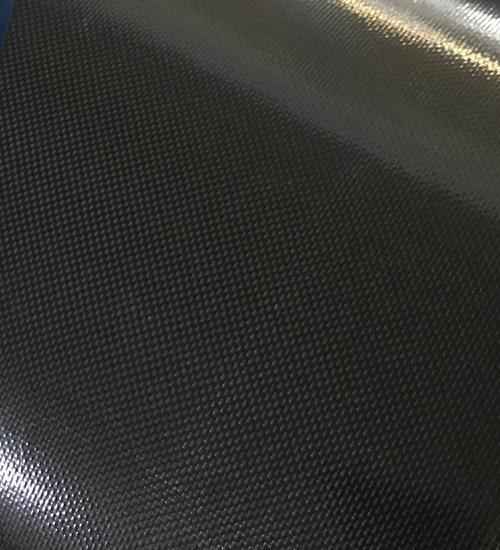
Technique Fundamentals and Long-Term Sharpness Management
Even the finest cutting tool will fail without disciplined technique. Clean, splinter-free edges depend on synergistic process control, combining tool sharpness with proper mechanical execution. A slow, consistent feed rate prevents the tool from grabbing or deflecting, which is critical given carbon fiber's low fracture toughness. Excessive speed generates localized heat that softens the epoxy matrix, triggering delamination even with a brand-new blade. Utilizing sacrificial backing boards beneath the workpiece absorbs breakout forces and prevents bottom-layer fraying, while firm, vibration-dampening clamping eliminates micro-movement that leads to chipping and inconsistent kerf widths.
Because carbon fiber's extreme abrasiveness rapidly degrades cutting edges, proactive sharpness management is essential for aerospace-grade repeatability and high-volume production efficiency. Unchecked wear leads directly to delamination, fiber pull-out, heat-affected zones, and dimensional drift. A structured maintenance protocol based on empirical wear tracking ensures consistent edge quality. For instance, standard carbide blades typically last 50 to 100 linear meters on carbon fiber before measurable degradation begins. In contrast, polycrystalline diamond or diamond-embedded tools routinely exceed 1,000 meters while retaining consistent geometry. This tenfold difference stems from diamond's superior hardness, which resists abrasive wear far more effectively. Regular inspection under 10-times magnification combined with linear meter logging enables predictive replacement, preserving both precision and throughput.
Frequently Asked Questions
-
Why is sharpness critical for cutting carbon fiber materials? Sharpness ensures clean cuts by shearing the fibers and epoxy matrix without causing structural damage like delamination or micro-cracks, which can undermine mechanical reliability.
-
What are the best hand tools for cutting thin carbon fiber sheets? A razor-sharp utility knife with a fresh blade is optimal for thin sheets, alongside finely honed, non-serrated scissors or jeweler's saws for precise contours.
-
Which power tools are ideal for thicker carbon fiber laminates? Tools such as angle grinders with abrasive wheels, jigsaws with carbide-grit blades, and rotary tools with diamond-coated wheels are excellent for cutting thicker laminates efficiently.
-
How can I extend the life of cutting tools for carbon fiber? Operators can extend tool life by following disciplined techniques like using slow, consistent feed rates, proper backing support, rigid clamping, and implementing a structured blade inspection protocol.
-
What is the difference between carbide and diamond-embedded tools? Diamond-embedded tools last up to 10 times longer than carbide blades due to superior hardness, making them highly cost-effective for high-volume manufacturing despite a higher initial investment.