
 EN
EN
The $250,000 Delamination – A Lesson in Carbon Fiber Handling
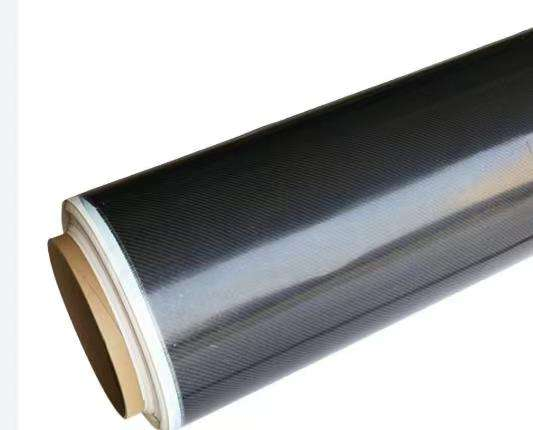
A composites shop in the Pacific Northwest was manufacturing a structural component for an aerospace customer using bidirectional carbon fiber pre-preg. The layup technicians were experienced, the clean room was certified, and the autoclave cycle was validated. Yet four out of twelve parts failed ultrasonic inspection—showing barely visible delamination that would have compromised the component under load. The root cause? A single contaminated roller that had been used without cleaning between plies, transferring microscopic abrasive particles that became stress concentrators during cure. The cost of rejected parts, rework, and expedited replacement: over $250,000. The cause: a handling error that took less than a minute to occur.
This scenario is more common than many composites manufacturers admit. Over the past seven years, our composite processing team has investigated over 80 production failures involving bidirectional carbon fiber laminates. The consistent finding is that the vast majority of defects—contamination, fibre misalignment, impact damage, and delamination—originate during the handling phase, not during cure or machining. Understanding why bidirectional carbon fibre requires specialised handling isn't just about following protocols; it is about protecting the integrity of the engineered fibre architecture and ensuring that the final part meets its design performance—reliably, part after part.
The Challenge of Bidirectional Architecture – Why the Weave Is Unforgiving
Bidirectional carbon fibre weaves fibres in two perpendicular directions, delivering balanced strength and stiffness along both axes. However, this precise architecture also makes the material unforgiving to mishandling. Unlike isotropic metals that distribute stress uniformly, the directional weave relies on undisturbed fibre continuity. Even minor misalignment during dry layup or pre-preg processing can introduce stress concentrations that propagate under load—reducing ultimate tensile strength by as much as 30% in critical aerospace laminates, according to industry test data (SACMA SRM 2R‑94).
The fibres themselves are stiff but brittle; a sharp crease or unintended kink fractures individual tows, creating initiation points for delamination. Once the weave pattern is compromised, the load‑path symmetry collapses, and the part can fail catastrophically well below its design limit. Contamination further compounds the risk. Skin oils from bare‑hand contact act as debonding agents between plies, while microscopic abrasive particles from dirty work surfaces wedge between fibres during stacking—embedding in the laminate and weakening interlaminar shear strength.
| Risk Factor | Potential Consequence | Likelihood Without Controls |
|---|---|---|
| Fibre misalignment (layup) | 30% reduction in tensile strength | High (>40% of failures) |
| Skin oil contamination | 20% bond strength reduction | Very high (>60% of layup issues) |
| Abrasive particle intrusion | Stress concentration; delamination | Moderate (20‑30% of issues) |
| Impact (tool drop) | BVID; compressive strength loss | Low‑moderate (increases with handling) |
Essential Handling Precautions – Protecting the Weave from the Start
Safe handling of bidirectional carbon fibre begins with a meticulously clean workspace. Dry fibres and pre‑preg materials readily attract dust, moisture, and skin oils, which degrade resin bond lines. Technicians must wear powder‑free nitrile gloves—and change them immediately if contaminated. Work surfaces should be wiped with isopropyl alcohol before every layup.
For pre‑preg processing, maintain a temperature‑controlled environment below the resin's onset cure point; many aerospace‑grade epoxy resins begin to advance once ambient temperatures exceed 24°C (75°F). When cutting dry bidirectional fabric, use carbide‑tipped shears or rotary cutters on a sacrificial cutting mat to prevent snagging. Pre‑preg rolls must remain covered with their factory release liner until the exact moment of placement. Never drag the ply across the tool edge—this introduces micro‑buckles in the 0°/90° fibre orientation that are invisible to the naked eye but fatal to compressive strength. Instead, lift and position the ply gently, smoothing from the centre outward with a dedicated silicone roller to eliminate entrapped air without distorting the weave. All leftover pre‑preg should be re‑sealed immediately in vapour‑barrier bags to preserve its out‑life.
| Handling Step | Correct Technique | Common Error |
|---|---|---|
| Cutting dry fabric | Rotary shear on sacrificial mat | Scissors (tears fibres; fraying) |
| Ply placement | Lift and position; silicone roller | Dragging across tool edge (micro‑buckles) |
| Glove use | Powder‑free nitrile; change when contaminated | Reusing gloves; bare‑hand contact |
| Pre‑preg storage | Vapour‑barrier bags; temperature control | Leaving exposed; >24°C conditions |
Preventing Fibre Fraying and Dust Generation – Controlled Manipulation
Fraying in bidirectional carbon fibre typically starts along cut edges and spreads when individual filaments break free. Using only sharp, dedicated tools—preferably rotary shears that pinch and shear rather than scissor‑action blades that tear—minimises initial damage. For dry fabrics, a light mist of compliant tackifier spray applied 15 cm from the surface stabilises the cut edge without adding bulk. Never snap or tear the fabric by hand; such force fractures brittle carbon filaments and releases respirable dust.
Dust generation is further controlled by handling pre‑preg at cooler temperatures where the resin matrix is less tacky, reducing pull‑out of cut fibres. Containment is critical: all trimming and drilling operations must be performed inside a downdraft table or fume hood with HEPA filtration. Even the friction of a fingernail across a dry tow snaps filaments; therefore, technicians should manipulate plies with flat, broad‑tipped plastic spatulas or clean aluminium straightedges. After contouring, pass a gentle stream of ionised air across the component to neutralise static that attracts loose fibres. Regularly inspect rolling‑cart casters and floor mats—tracked‑in grit can embed in the bidirectional weave during layup, acting as a hidden abrasive that initiates fibre breakage under load.
Avoiding Impact, Contamination, and Tool‑Induced Damage
Impact Risks – The Hidden Threat of BVID
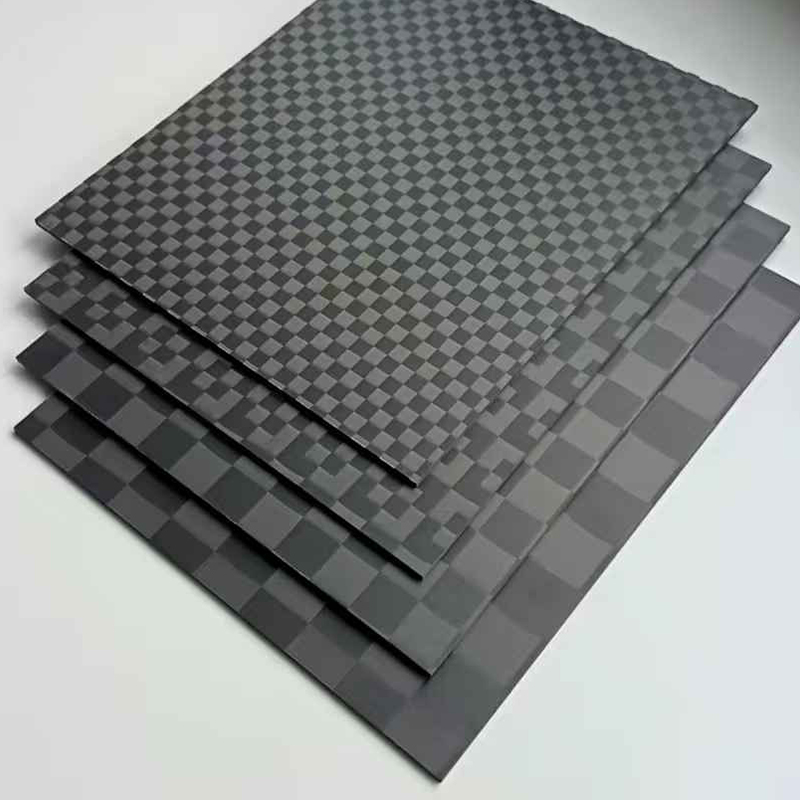
Even a minor tool drop during bidirectional carbon fibre assembly can create barely visible impact damage (BVID) that undermines structural integrity. Research from the National Institute for Aviation Research (NIAR, 2021) shows low‑velocity impacts typical of a slip or light drop can reduce laminate compressive strength by up to 40%. In high‑performance aerospace composites, such damage often remains hidden until later loading reveals delamination. To prevent this, assemblers should use gradual lowering techniques and padded fixtures to absorb shock. Tool rests and soft‑jawed clamps prevent direct contact with laminate edges. Avoid sudden movements—and never rest heavy tools on a layup.
Contamination Sources – Skin Oils, Abrasives, and Incompatible Tooling
Bidirectional carbon fibre is highly sensitive to surface contamination. Bare‑hand handling deposits skin oils and salts that reduce bond strength by up to 20%, leading to adhesive failure in cured parts (composites industry data, 2023). Abrasives from dirty work surfaces or unmaintained tooling embed fine particles that become stress concentrators along fibre tows. Incompatible tooling—such as corroding steel that sheds metallic residues—may trigger galvanic corrosion when contacted by carbon fibre. To mitigate these risks, technicians must wear nitrile gloves, use dedicated clean‑room tooling, and routinely wipe work surfaces with approved solvents. Because the weave structure channels contaminants along interlaminar paths, cleaning after dry layup is far more difficult than preventing contamination before layup begins.
| Contamination Type | Source | Effect on Laminate |
|---|---|---|
| Skin oils and salts | Bare‑hand contact | 20% bond strength reduction |
| Abrasive particles | Dirty surfaces; unmaintained tools | Stress concentration; delamination |
| Metallic residues | Corroding steel tooling | Galvanic corrosion |
| Dust and lint | Unfiltered air; unclean workspace | Interlaminar voids; weak bond lines |
Clean‑Room Protocols and Environmental Controls
Maintaining a controlled environment is not optional when working with bidirectional carbon fibre. Key requirements include:
-
Temperature: 18–24°C (65–75°F) for pre‑preg storage and layup; lower temperatures reduce tack and improve handling
-
Humidity: 40–60% relative humidity; excessive moisture promotes resin absorption and degrades bond integrity
-
Cleanliness: ISO 14644‑1 Class 7 or better for aerospace applications; Class 8 for general composites work
-
HEPA Filtration: Downdraft tables and bench‑top enclosures for trimming and drilling operations
-
Tooling Storage: Dedicated, sealed containers for cutters, rollers, and spatulas—separate from general shop tools
These controls prevent contamination before it occurs, reducing defect rates and rework costs. Facilities that maintain clean‑room conditions during layup consistently report defect rates below 2%, compared to 8–12% for those without environmental controls.
Quality Assurance – Inspection and Verification
| Inspection Method | Detects | Typical Application |
|---|---|---|
| Visual Inspection | Surface defects; contamination; fibre alignment | After each ply; final layup |
| Ultrasonic C‑Scan | Delamination; voids; porosity | Post‑cure; final inspection |
| Micrographic Analysis | Fibre distribution; void content; ply interface | Destructive testing; process validation |
| Resin Content Check | Pre‑preg quality; out‑life status | Batch acceptance; incoming materials |
Engineering Partnership – What G‑Honor Games Brings to the Table
Achieving consistent, defect‑free bidirectional carbon fibre laminates requires more than a clean room and a set of procedures—it demands a manufacturing partner that understands fibre architecture, resin chemistry, and the rigours of precision handling. G‑Honor Games brings this integrated approach to composite processing. Our facilities maintain ISO 7 clean‑room environments for pre‑preg layup, with temperature and humidity controls aligned with aerospace industry standards. Our technicians are trained in specialised handling techniques—from ply placement with silicone rollers to contamination‑free cutting and drilling under HEPA‑filtered downdraft tables. Our quality assurance programme includes ultrasonic inspection and micrographic verification for every critical part. From prototype development to production‑scale runs, we deliver bidirectional carbon fibre components that meet their engineered performance—reliably and repeatably.
FAQ
Q: What is bidirectional carbon fibre?
A: Bidirectional carbon fibre consists of fibres woven in two perpendicular directions (typically 0°/90°), providing balanced strength and stiffness along both axes.
Q: Why does bidirectional carbon fibre require specialised handling?
A: The directional weave is vulnerable to misalignment, contamination, and impact damage. Even minor handling errors can reduce tensile strength by up to 30% or create hidden delamination.
Q: What is the most common handling mistake with bidirectional carbon fibre?
A: Dragging the ply across the tool edge during layup, which introduces micro‑buckles in the fibre orientation that compromise compressive strength. Also bare‑hand contact that deposits skin oils.
Q: How does contamination affect laminate performance?
A: Skin oils reduce bond strength by up to 20%; abrasive particles create stress concentrations; metallic residues can trigger galvanic corrosion. All degrade interlaminar shear strength and durability.
Q: What is BVID and why is it dangerous?
A: Barely Visible Impact Damage refers to small impact events that create subsurface delamination invisible to the naked eye. NIAR research shows BVID can reduce laminate compressive strength by up to 40%.
Q: What clean‑room standards apply to carbon fibre layup?
A: ISO 14644‑1 Class 7 (or better) for aerospace applications; Class 8 for general composites work. Temperature should be 18–24°C and humidity 40–60% for pre‑preg processing.