
 EN
EN
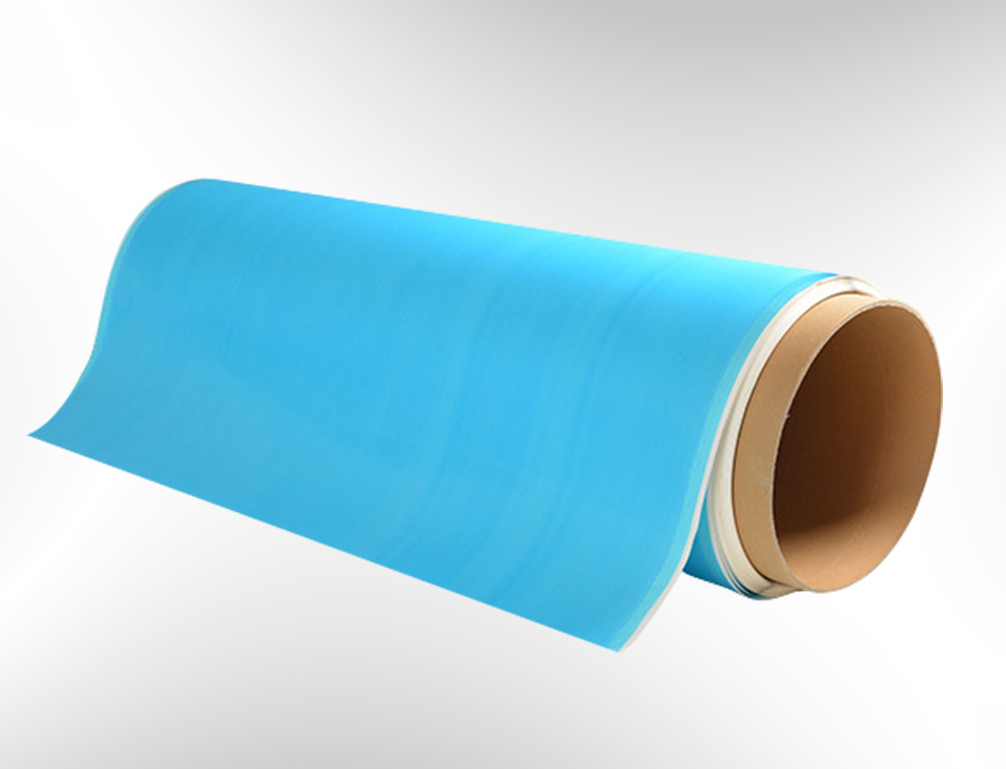
Reason "Demands Exceptional Cutting Precision" on UD Prepreg
Importance of Dimensional Precision and Edge Quality
At the micron level, cutting UD prepreg requires sophisticated and structural engineering know-how. Cuts up to 0.1 millimeters create issues. In aerospace composite applications, load-bearing capacity diminishes by 30%. This is due to stress points that falls just shy of that by tiny misalignments. For unidirectional carbon fiber, it's about the fibers being aligned and captured, and straight. An edge that is fused, frayed, or delaminated is inconsistent with how fibers take structures through the loads. So, it follows that blade technology has been designed to improve the control of the pulling resin, and the fibers during cutting, to the point that the tip is designed to be greater than 90 to 1. Because of the great heat generated by the friction, which also and quickly exceeds 60 oC, we expect epoxy to resin. In many areas of the engineered composite, the resin sets before it should. These pre-setting cycles create the weakest of weak points which will crack due to material fatigue.
How Resin Sensitivity and Fiber Alignment Restrict Tolerance Limits
The thermoset resin matrix in UD prepreg materials leads to some very specific challenges in cutting. The resin matrix softens in response to elevated temperatures and recent studies in composites show that when cutting speeds exceed 2 meters per second, the resin toughness weakens by 15 to 20% due to the shear forces created by the cutting process (Journal of Composite Materials, 2023). The strength of the composite in the UD prepreg is due to the fibrous materials that run in parallel along the length of the composite, but this also leads to sensitivity to all cutting forces that change the cutting angle with respect to the fiber alignment. Specifically, if the cutting angle deviates by more than 3 degrees from alignment with the fibers, this can lead to complete delamination of the plies, reducing adhesion of the plies by as much as 40%. As such, these two challenges lead to the necessity of very precise cutting with tolerances of +/- 0.05 mm to be achieved, and this drives the need for advanced cutting techniques that can control cutting vibrations to below 5 micrometers and have real-time monitoring systems to avoid thermal degradation of the resin.
Cutting Technologies Development
Cutting Tools and Technology: Concepts and Issues
In small scale production of complex designs, cutting small scale unidirectional prepregs cannot yet be done with automated processes. For this purpose, solid rotary blades are optimal. Upper and lower parts of rotary cutters are made with solid carbide tips. These tips remain sharply defined for a longer time when cutting abrasive carbon fibers, meaning that there is a lower chance of displacement of unidirectional fibers when cutting. Steel tips cannot be used as they become excessively heated and blunt due to the abrasive cutting. Because carbide tips are better at heat conduction, the cutter's tip area, and as a result, surrounding solid prepreg resin areas are less affected while cutting. Proper cutting is the result of holding the cutter tip at different angles to the cutter surface, usually around 45 degrees, and evenly applying force throughout the entire length of the cut. Issues with the cutting prepreg edges arise frequently. Structural studies suggest that the majority of prepreg composite malfunctions are attributed to poorly defined edges. This makes cutting practice critical for any person who is to work with prepregs.
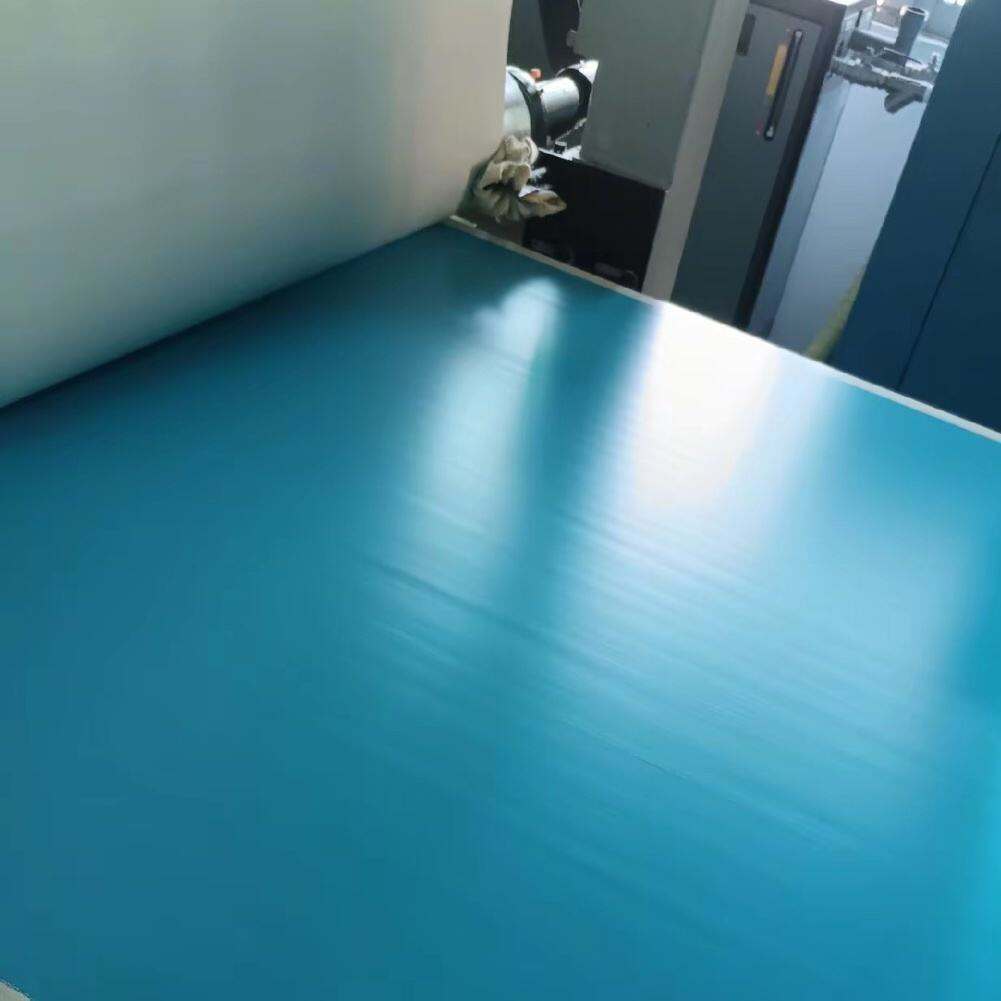
Utilize single-pass cuts with sharp blades to reduce the chance of delamination occurring
Use straightedges or templates when doing more intricate shapes
Review the edges right away for resin pull away
Improper manual techniques remain the leading cause of material waste at an estimated $740k per year for an average-sized facility (Ponemon Institute, 2023). Precision depends on the right balance of sharp blades (to reduce cutting lateral forces) and deliberate controlled movements to ensure the cut remains within the ±0.5 mm tolerance required for aerospace work.
Title: Automated Systems for Cutting UD Prepreg with High Accuracy
Title: CNC Drag Knife Systems: Best Prepreg UD Cutting with Adaptive Pressure Control and Geometric Adjustment
CNC drag knife systems are great for cutting unidirectional composite prepreg because they are able to modify blade pressure dynamically as they cut. This pressure adjustment helps to mitigate unwanted fiber edge distortion. This sort of edge distortion is critical to avoid. Fiber distortion by as little as 0.5 mm will reduce the strength of the composite by approximately 18%, as documented in research from in the last year. In addition to blade pressure adjustment, the cutting blades are designed to be 15 to 30 degrees to help reduce edge delamination. In addition, designers often include special tips on drag knives to reduce the occurrence of resin pull-up during the cut. Some of the more advanced systems include active feedback control via contour tension monitoring on the cut. Proper control of fiber alignment is critical to achieving composite components of the most demanding industry standards.
Waterjet vs. Laser: Comparing Thermal Load, Kerf Quality, and Interlayer Delamination of UD Prepregs
Waterjet technology uses high-pressure water mixed with abrasives to cut materials. Since waterjet cutting does not involve heat, it is suitable for cutting thermoset UD prepregs. A 2020 Journal of Manufacturing Processes study showed that waterjet cutting leaves minimal heat-affected zones and can produce kerfs of approximately 0.8 mm. Unlike waterjets, laser cutters create heat-affected zones of 300 degrees Celsius, causing materials to melt or vaporize and causing delamination in materials below. Although laser cutters are fast and great for prototyping, manufacturers need to finetune settings for specific wavelengths to minimize unwanted carbonization. Waterjets have a kerf width of about 0.1 mm, and moisture control is critical to prevent contamination of the prepreg.
Why is cutting precision important for UD prepreg materials?
Considering aero-space composite application, even small misalignment may lead to failure in load bearing capacity of the materials. Hence cutting precision is vital to ensure correct alignment to achieve strength and performance for the materials to avoid stress concentration.
What benefits do rotary cutters and carbide blades have on manual UD prepreg cutting?
A rotary cutter with a carbide blade is longer lasting, causes less fiber misalignment, and dissipates heat effectively, stopping the resin from breaking down.
What benefits do CNC drag knife systems cutting UD prepreg have?
With CNC drag knife systems there is adaptive pressure control resulting in prevention of fiber distortion and delamination, and they also cut with precision due to real time monitoring of tension.
Why would manufacturers prefer waterjet cutting instead of laser systems cutting for UD prepreg?
Waterjet cutting does not cause thermal damage to the materials, while laser cutting may add heat and separate the materials. Also waterjet cutting methods do not have heat issues.