 EN
EN
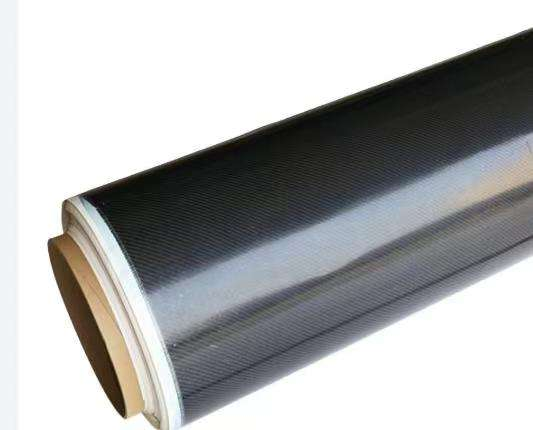
Bidirectional carbon fiber is a composite material with unmatched and balanced mechanical performance in two perpendicular axes. This is unlike unidirectional carbon fiber, which has high stiffness and strength in one direction. This product is used throughout industries and applications with load bearing requirements. These industries include automotive, aerospace, rail transit and sporting goods. Bidirectional carbon fibers do fibers do an even better job at avoiding local failures by allowing an even distribution of stress, providing superior stability and toughness of the final part. Quality and high performing bidirectional carbon fiber is the specialty of Weihai Dushi Composite Materials. Thanks to their extensive experience in composite materials, their products pass the rigorous international certifications for the high-end uses.
Steps for the Preperation of Digidrectional Carbon Fiber Laying
To ensure the highest quality of finish and utmost strength of final parts, thorough prep work is required prior to laying bidirectional carbon fiber. Mold prep starts with a meticulous clean. Remove all dust, grease, and moisture before laying fiber to ensure the best adhesion. After prep work has been completed, select you bidirectional carbon fiber. Be sure to select the correct weight and weave type relevant to you design. Costum specifications are offered by Weihai Dushi Composite Materials for various bidirectional carbon fiber products. Gathering all materials required to complete the layup should be done before prep work. This includes the resin, cutters, and rollers. It is advisable to keep the temperature and humidity of the cureing environment within a specified range to prevent curing issues and the formation of air bubbles. The prep work and materials collated prior to laying the carbon fiber directly affect the stability of the structure and the quality of the adhesion.
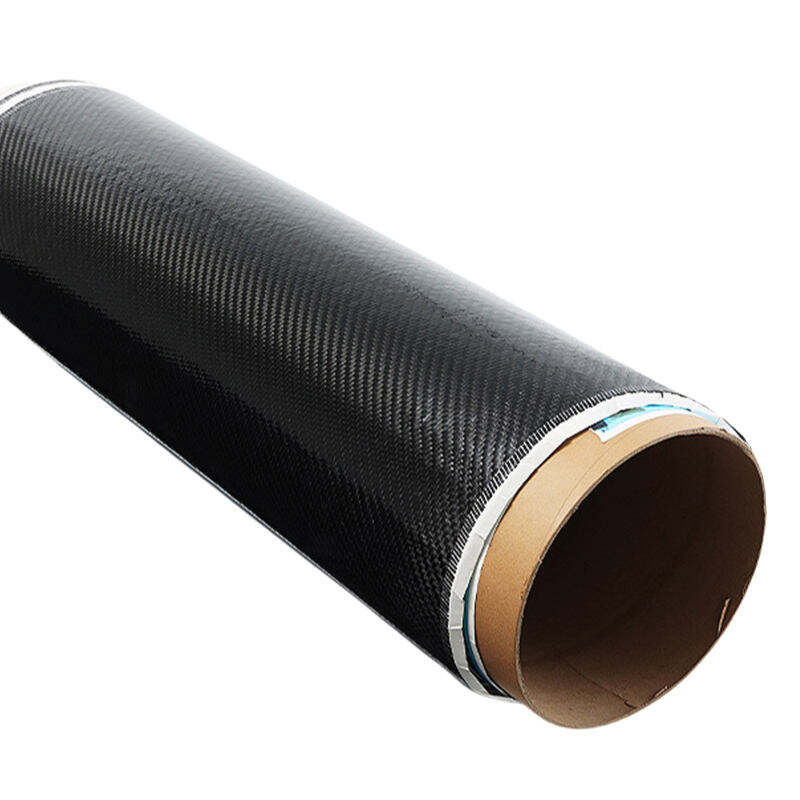
The Standard Process for Laying Bidirectional Carbon Fiber.
A scientifically-based process involving balanced layup techniques of bidirectional carbon fiber is critical to laying bidirectional carbon fibre. One begins by applying a uniform and thin layer of a release agent to the mould. During the layup, the first pre-preg layup has to be done in such a manner that the fibres are in the direction of the angle design where alternate 0-degree and 90-degree designs are used. Confirming and assuring the elimination of wrinkles and air pockets is due the careful use of a compacting roller. The application of epoxy resin has to be carried out, however resin application is to be done to ensure full fibre saturation. The compaction and laying process is to be repeated for each layer while maintaining the uniformity of the direction and the stability of the tension. The required thickness and strength will determine the number of layers. The bidirectional carbon fibre design will ensure that the distribution of fibre is uniform. The distribution of fibre and the reain uniformity.
Your ability to balance tension and compaction affects overall performance
Mechanically, bidirectional carbon fibers perform optimally when tension and compaction treatments are properly controlled. Tension that is too high may lead to unwanted fiber deviations, wrinkles or thinning, and could compromise strength. During the laying process, keep the fiber within the tensioning system relatively relaxed so that it does not become overstretched or too slack. Using a professional compaction roller, air can be removed from the laminate and improve the interlayer bonding. Compaction, density, and fiber synthesis improves overall strength and fatigue resistance. Weihai Dushi Composite Materials recommends specific roller types and process parameters to achieve uniform compaction of each layer of bidirectional carbon fibers. Benefits to the design of the component from perfect balance of tension and compaction is increased service life and load bearing capacity.
Curing and post treatment of bidirectional Carbon Fiber components
Curing and post treatment of bidirectional carbon fibers is crucial for their overall performance after layup. Select your curing system based on resin and control time and temperature to ensure complete cross-linking. Stress and deformations associated with curing can be reduced with uniform temperature control. Be careful upon curing to avoid surface damage during demolding. Following this, trimming and polishing can be performed to enhance surface finish and improve dimensional tolerances. Strength and rigidity can be evaluated through simple performance tests to see if they meet design expectations. The overall effectiveness of the bidirectional carbon fibers in harsh environments is aided by appropriate curing. Weihai Dushi Composite Materials can help customer’s achieve ideal performance and curing.
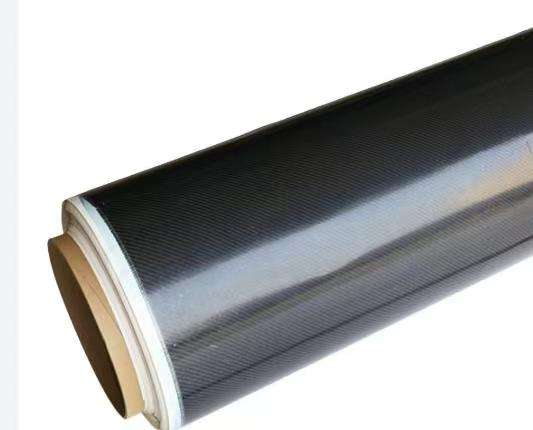
The benefits of bidirectional carbon fiber from Weihai Dushi Composite Materials
For years, Weihai Dushi Composite Materials has focused on the composite materials market and provided high-quality bidirectional carbon fiber to customers around the world. The company’s bidirectional carbon fiber is used in many industries like automotive, aerospace, interior design of mass transit, and sporting goods applications. The company produces product line of bidirectional carbon fiber composites to meet the most stringent criteria for quality and consistency. The company’s engineers, allow customers to tailor the bidirectional carbon fiber to meet the applications. Composites with bidirectional carbonf fiber allow Design Engineers to make products with improved performance, reduced mass, and a longer design life. In addition, the value of a product can be increased significantly by using the proper technique for lay-up and by optimizing the engineering design to fully utilize the potential of the bidirectional carbon fiber composite.
Table of Contents
- Steps for the Preperation of Digidrectional Carbon Fiber Laying
- The Standard Process for Laying Bidirectional Carbon Fiber.
- Your ability to balance tension and compaction affects overall performance
- Curing and post treatment of bidirectional Carbon Fiber components
- The benefits of bidirectional carbon fiber from Weihai Dushi Composite Materials