
 EN
EN
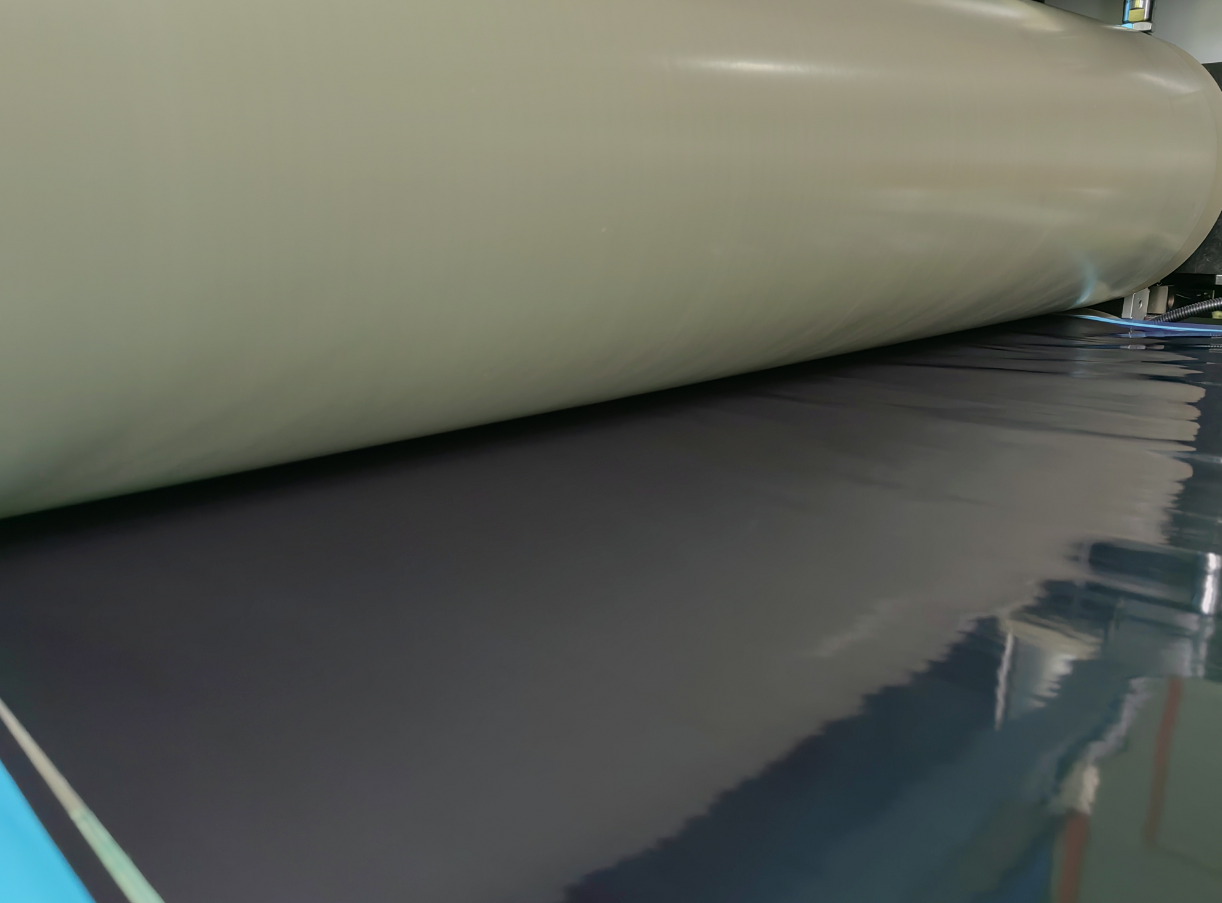
Why UD Prepreg Mechanical Efficiency Depends on Direction of Stress:
Anisotropic UD Prepreg Load Distribution:
Continuous carbon fibers and a polymer matrix are the primary ingredients of the prepreg. While the fibers allow the prepreg to have very high tensile strength and stiffness along the fibers' direction, prepreg loses most of its strength when loads are applied perpendicular to the fibers' direction. When the loads are applied along the direction of the fibers, the loss of strength severity along the fiber direction is less of a concern. However, when the loads are applied perpendicular to the fibers, the prepreg matrix loses a large amount of strength, which causes the matrix to fail and leads to cracking and delamination. However, a large amount of stress is found in the prepreg matrix when loads are applied only 5° off axis, and at 15° off axis, the prepreg matrix loses over 40% of its strength. This extreme anisotropic behavior depends on load alignment relative to the direction of the fibers. Thus, to a large extent, the design selection and structural performance are dependent on alignment of the fibers and the direction of the principal loads.
The Rule of Mixtures explains how much strength a composite material may achieve. The accuracy of Rule of Mixtures is dependent on fiber alignment with the stress. Most of the time, there is such a small angle of alignment that most of the fiber's potential is unused. The Rule of Mixtures can explain the negative outcome of composites with poor fiber/matrix alignment because of the alignment factor.
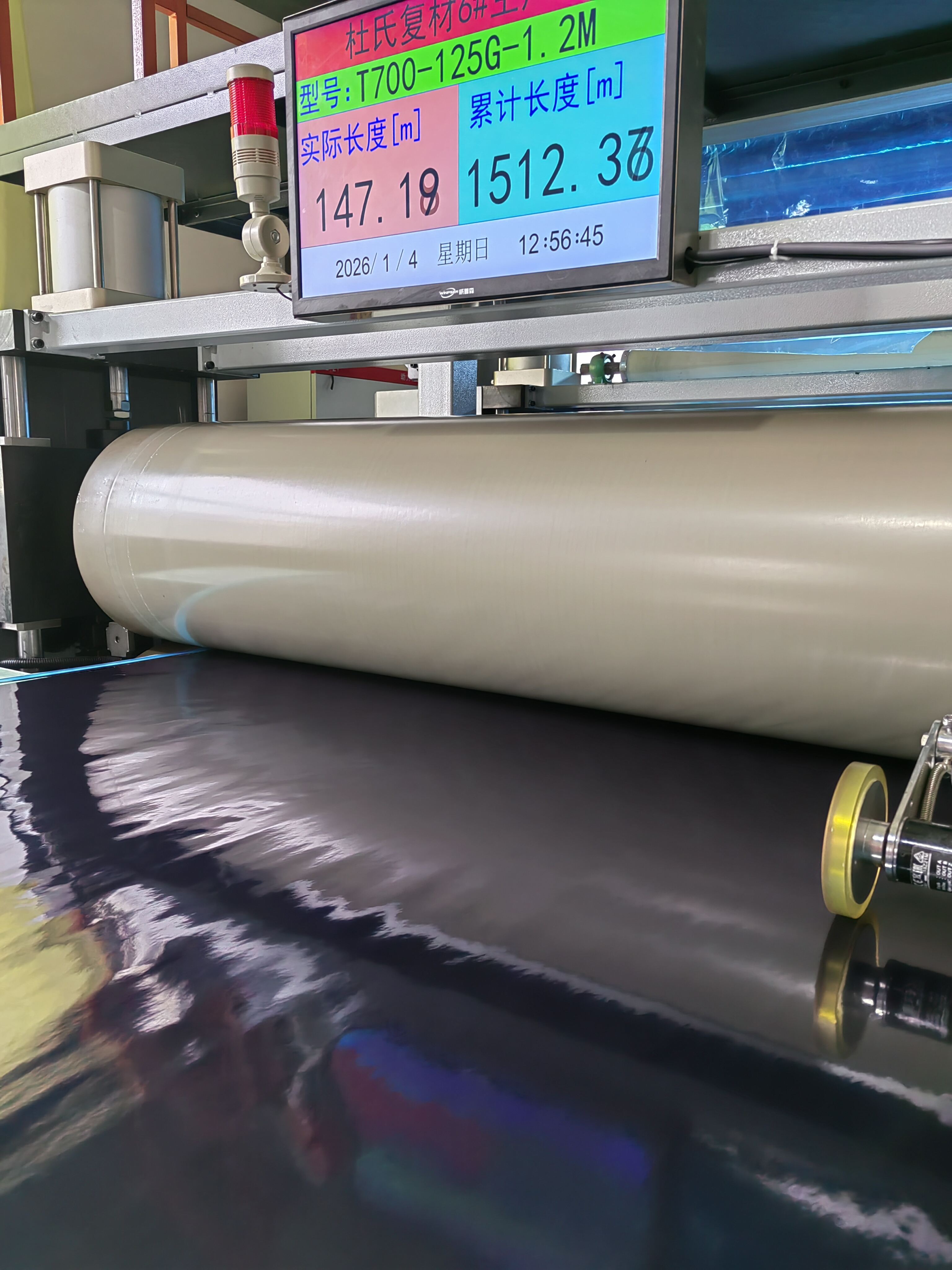
Almost perfect alignment with a minimum angle of 0° can achieve a fiber matrix's theoretical strength. However with poor alignment, such as 10°, the strength potential is severely reduced and a fiber strength utilization will yield no more than 70%. Studies have shown matrix failure in shear and tensile stress in composites with less than optimal fiber alignment, such as those with strength utilization below 30%. Poor alignment can lead to various strength losses in the fiber such as buckling and delamination.
The strength potential of the UD prepreg is severely underestimated and can have significant impact on the structural performance. Testing has shown that composite layers with UD prepreg aligned with the greatest percent of stress have 32% more resistance than those with conventional rout layering and composite material. The UD prepreg being in the right place at the right time has the most performance impact. The modern automated placement systems enable precision fiber placement for each layer of UD prepreg. Each layer is placed based on the most recent data of strain. The UD prepreg align with the most intelligent response systems.
Strategies for Optimal Ultimate Design of Prepreg Alignment with Stress Fields
Automating Fiber Placement (AFP) with Stress Tensor Manipulation
Using AFP systems, UD prepreg tapes are guided along principal stress trajectories during the laying process, as the systems map the principal stress S-parameters in real-time through finite element analysis (FEM). AFP systems optimize fiber orientations with ±0.1° resolution, reducing the margin of error in the alignment of fiber bundles along the optimal load paths. They achieve real-time optimization of the fiber bundles along potentially complex geometries, resulting in a 29% reduction in the wastage of the prepreg materials. The benefit of the system is further validated, given that AFP-guided stress alignment has been shown to achieve a 31% improvement over the stiffness of the quasi-isotropic (QI) automations that were applied to the same design of the aircraft wing spar prototype.
Balanced Performance Prepreg Designs
Balanced Performance Prepreg Designs are those that construct a balance through the styrene-based UD prepreg spaced in a transversely. This balance is along the geometric curves that span the shortest distance over the curves in the mold. These prepreg systems, which use styrene-based UD prepreg in conjunction with transverse fabrics, remove bridging discontinuities. These hybrids prepreg systems offer a benefit to load structure systems when implemented in molds with significant geometric discontinuities.
Validating UD Prepreg Alignment: From Simulation to Real-World Structural Outcomes
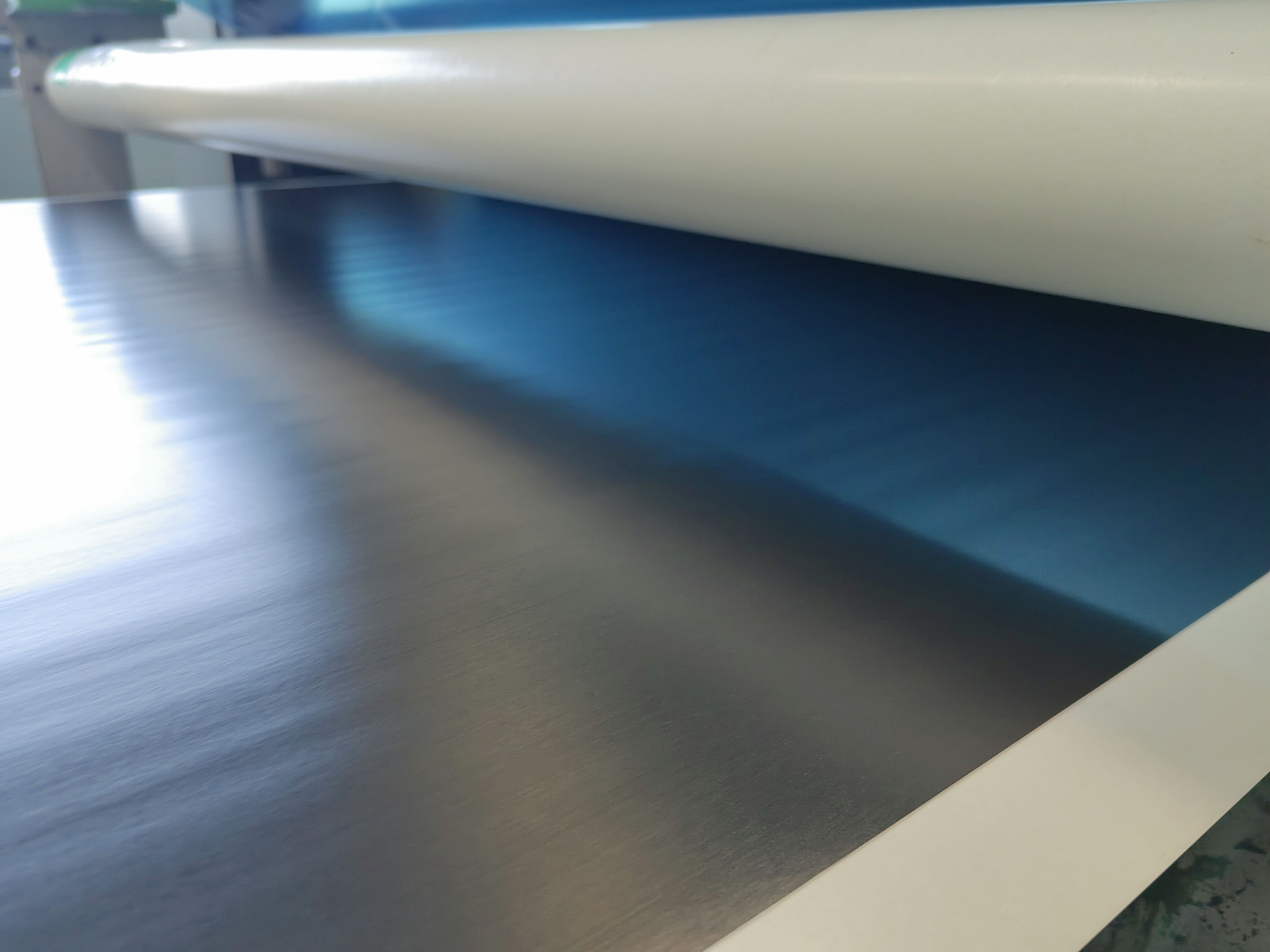
Case Study: 32% Tensile Strength Improvement in Aerospace Wing Spar Using Stress-Aligned UD Prepreg
The most recent aerospace project showcased the value of simulation-led UD prepreg alignment in transferring theoretical efficiency into field-validated structural benefits. The first task for the engineers was to design the high-fidelity Finite Element Analysis (FEA) and map the operational stress tensors on the wing spar to determine where most of the tensile and shear loads would traverse. The next task was to utilize Automated Fiber Placement (AFP) and place the unidirectional prepreg tapes to be within ± 3° to the deemed critical loading directions. This represented design’s shift from a legacy quasi-isotropic layup that had an average of greater than twelve degrees of misalignment in critical sections. Real-world testing verified that the design had greater than 32% of the ultimate tensile strength, along with a 41% increase in the fatigue life at 100K fatigue cycles. Testing was reinforced and complemented by the lack of interfacial delaminating which failed alignment of most laminates. The intent of the study is to validate that the interfacial relationships from the computational model to the next in the stress directed unidirectional prepreg placement, have a high utility on enhancing the interfacial selectable contributions.
Question and Answers
1. What is UD prepreg?
Unidirectional Pre-impregnated Composite (UD prepreg) is the result of the unidirectional carbon reinforcement (i.e., carbon fiber) that has the fiber resin in the matrix consolidated and pre-impregnated into the composite.
2. How critical is fiber alignment in UD prepreg?
The alignment of the fibers is extremely critical for greater efficiency of the mechanics, which also helps to control the strength of the material, in addition to providing maximum strength and reinforcement to the material.
Q3: In what ways does Automated Fiber Placement improve UD prepreg?
A3: Automated Fiber Placement leads to better strength and performance due to optimized alignment with load paths, which causes less waste and better performance. This is achieved through real time stress tensor mapping.
Q4: Can you explain the Rule of Mixtures?
A4: The Rule of Mixtures is a methodology that describes composite strength and relies a large extent on the extent to which fibers directly correlate with the direction of stress.
Q5: In composite manufacturing, what does hybrid UD prepreg mean?
A5: In composite manufacturing, hybrid UD prepreg implies the use of UD prepreg in addition to either bi- or tri-axial fabrics in order to better achieve manufacturability and controlled directional strength, especially in complex or curved shapes.