
 EN
EN
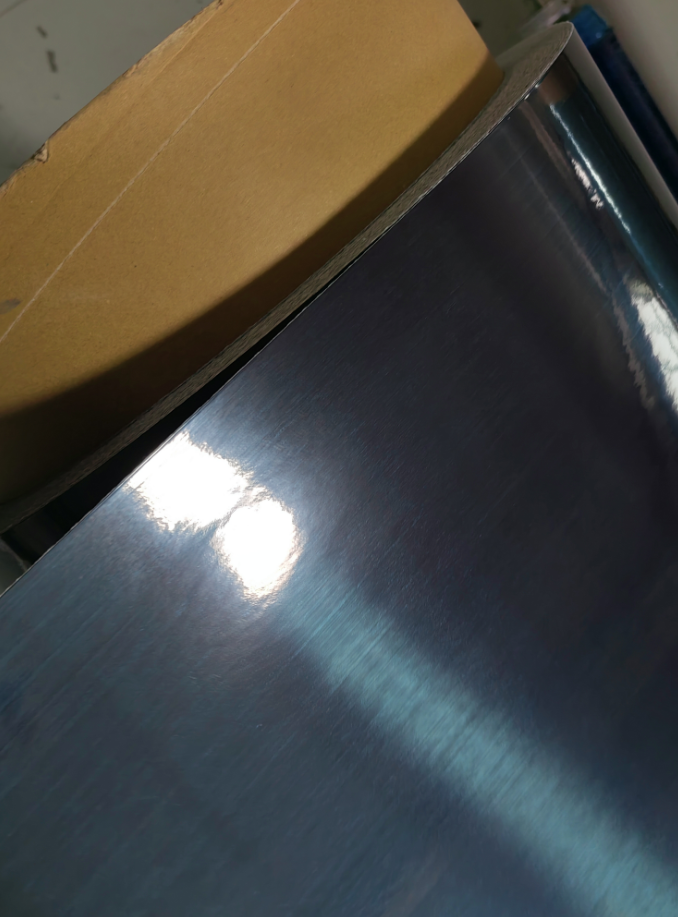
Advancing Carbon Fiber Roll Preparation and Layup Procedures
Precision Layup Unwinding, Cutting, and Alignment of Carbon Fiber Roll
Getting the unwinding process correct is critical to the success of the entire system. Tension-controlled systems help prevent distortion and damage to the fibers as they feed through the machine. In terms of cutting, ultrasonic cutting, as opposed to scissor cutting, allows for the production of clean, fray-free, heat-damaged edges. Laser guides achieve the alignment of individual fibers, with no more than 0.5 degrees of variability. Why is this important? In the most recent edition of Composites Journal, the researchers noted that from their analysis, a single degree misalignment would yield a 7% reduction in tensile strength. When the layup is of complex geometry like a 3D contour, specialized robots carry out the application of adhesive in such a way that the alignment of layers is maintained during the transfer to the next work surface. There are several other factors to be managed, such as the static control of the systems to prevent fibers from becoming airborne and the control of the relative humidity to less than forty percent to avoid premature moisture absorption of the resins.
Workers examine the back-lit weave pattern to check for consistency before pouring any materials into the molds.
Estimation of WET Lay-Up vs Prepreg vs RTM: Aligning Technique to Carbon Fiber Roll Form and Level of Production
Best method of consolidation varies with the criteria of performance, volume and cost.
Requires autoclave curing
In Wet Lay Up, the method employs resin that is applied manually onto the dry carbon fiber rolls, and that makes it best for shapes that require complex constructions. The volume, however, is usually low. The average tooling cost for such processes is typically 80% less than that of RTM costing methods. Prepregs are more advantageous of the two because of the greater consistency seen in the final parts, and the overall stronger mechanical properties of the parts. This consistency is due to the resin that is already impregnated in the fiber during the prepreg fabrication process. The prepreg fabrication process does, however, require special cold storage, and throughout the entire fabrication process, it also requires special, and somewhat complicated, handling. Never the less, for RTM, the manufacturers also face the complexity of the method in that the polymers are forced to flow by pressure through dry fibers (the resin-impregnated) within the confines of the closed for geometry of the molds, which resin impregnated fibers) equate excessive air void contents, and the consistency of the resin-impregnated fibers) across multiple batches is extremely low. This means that one of the most limiting factors is, after the molds, the investment of more than half of a million dollars to have the means to get sets of molds. It is this high investment threshold that also helps assure that most smaller operations avoid the use of RTM, and instead, utilize process techniques with less complexity.
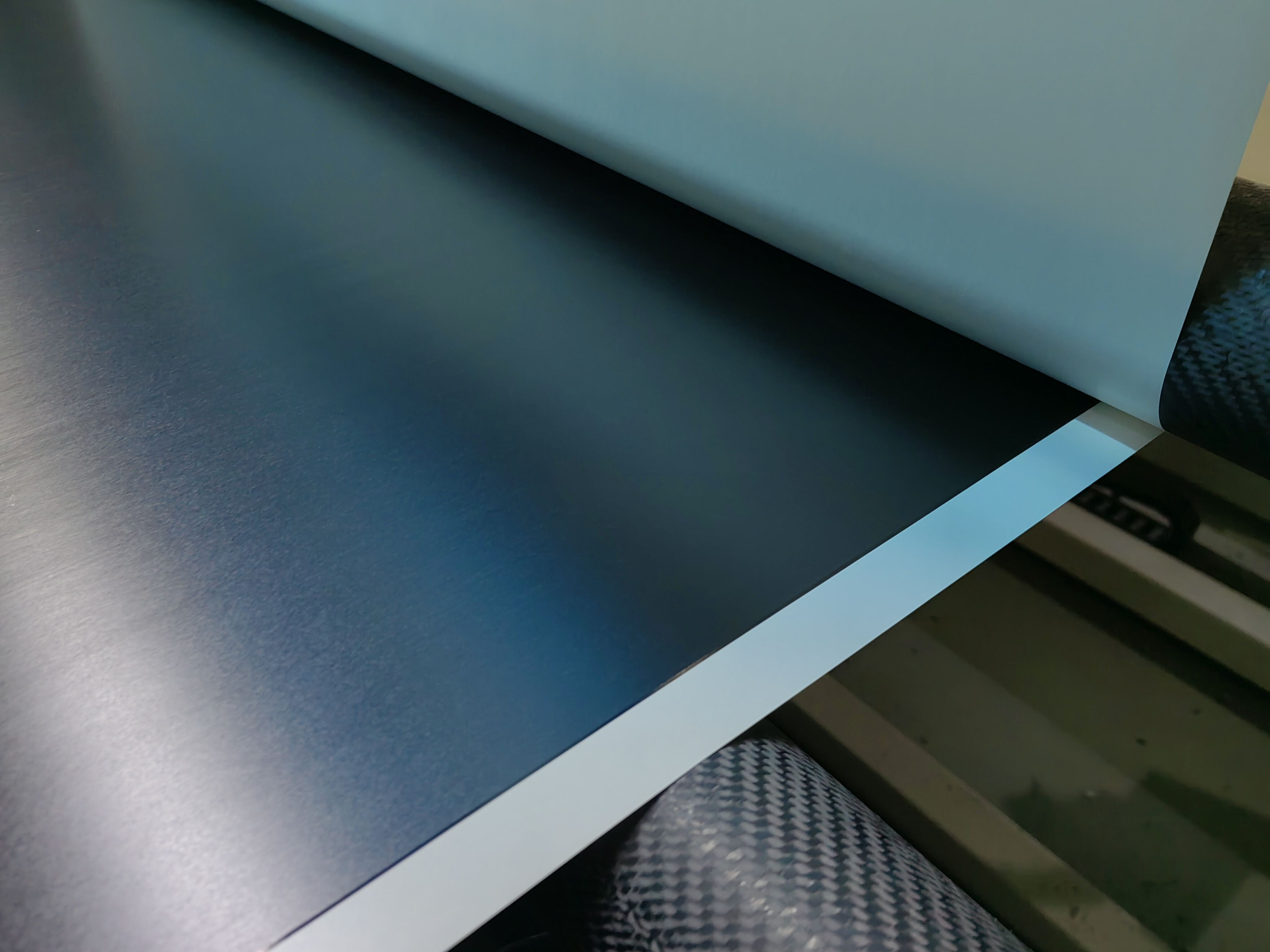
Selection of Resin Systems and Optimization of Curing for the Integration of Carbon Fiber Rolls
Why Epoxy Resins are the Gold Standard for Processing Structural Carbon Fiber Rolls
Unparalleled adhesion, thermal stability, and process control makes epoxy resins the gold standard for structural applications involving carbon fiber rolls.
Interlaminar shear strength:
- critical for load bearing laminates, exceeds 65 MPa.
- service temperature supports aerospace and high-performance automotive use, up to 180°C (356°F).
- staged curing cycles help mitigate residual stress and microcracking.
Through gravimetric analysis, it has been shown that maintaining a resin-to-fiber ratio of 35-40% by weight helps to keep void content below 2%, and meets the standards of ASTM D3039 tensile testing.Considerations for Cost, Cure Time, and Compatibility for Carbon Fiber Rolls for Polyester and Vinyl Ester Alternatives
While epoxy offers the highest standard, competitors offer the greatest margins in either value of cost or the rate of production:
Resin Type | Cost Relative to Epoxy | Max Service Temp | Compatability with Carbon Fiber Rolls
Polyester | 60-70% lower | ¥80 (176°F) | Moderate – prone to osmotic blistering
Vinyl Ester | 40 – 50% lower | ¥100 (212°F) | High – excellent chemical resistance
Room temperature cure of vinyl ester occurs within 2-4 hours, which is significantly faster than the 12-15 hour cure of epoxy, allowing for rapid prototyping and the production of non-structural panels. The trade off of 15-20% compressive strength is oftentimes more than worth it. In a lot of cases, for marine decking or panels for automotive bodies, the avoidance of the compressive strength loss often provides a material savings exceeding $25/m2 while maintaining the required function.
Mold Design and Tooling for Reliable Manufacturing of Carbon Fiber Rolls
Requirements on Material, Surface Finish, and Thermal Stability for Roll Molding of Carbon Fibers
Mold performance hinges on the cooperation of three factors- strength of the material, and durability of the surface and stability of the temperature- and the three together can determine the performance of a prototype mold. In this regard, a protoype can be constructed using a tool steel, due to its cost to performance ration. For extended production runs, it is feasible to apply a carbide coating for structural support to the mold and lengthen its production cycle. With a structurally stable support for high temperature and high stresses, specific nickel alloys like Invar are a go to material for mold construction for aerospace components, because of its low coefficient of thermal expansion. This characteristic of Invar alloys minimizes the off thermal expansion of the mold at the set temperatures, hence it prevents the warpage of the mold due to the thermal and chemical reactions of the resins with the epoxy.
The surface finish should be as reflective as possible, ideally below 0.4 microns Ra. This ensures fibers will not snag during processing and parts will release easily from the mold without surface defects or micro tears. Correct and strategically placed edge venting is critical to avoid air voids, especially during the exothermic cure of the resin. This is also important to avoid the formation of fibrous resin voids in the carbon rolls. Last, engineering molds to be dimensionally stable from -0.1 to +0.1 mm at 180°C is critical. This precision engineering is essential for all serious composites manufacturers.
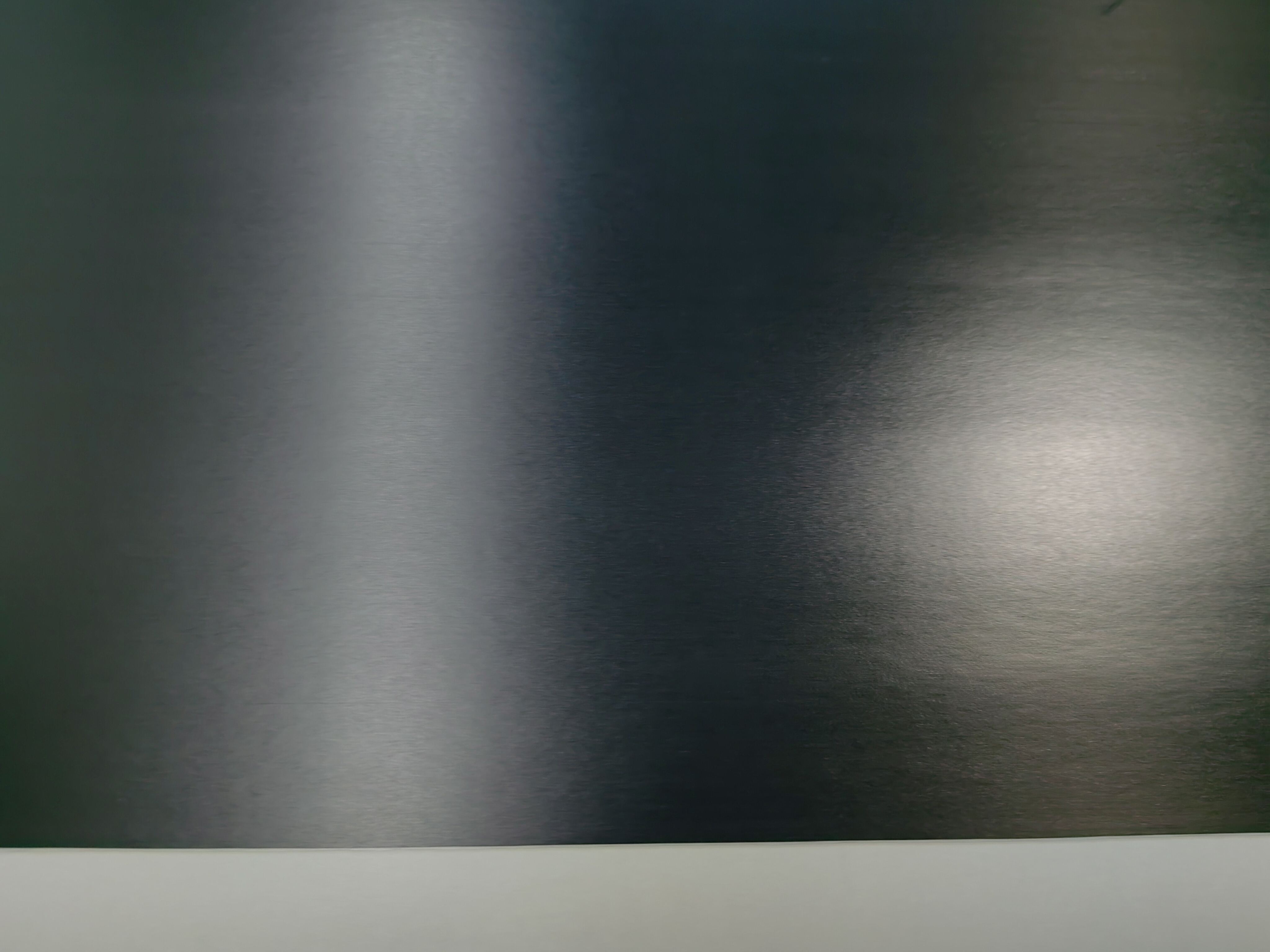
Process Control Basics: Quality Control in the Manufacturing of Carbon Fiber Rolls
Techniques of Vacuum Bagging, Pressure Pad Application, and Debubbling for the Production of Carbon Fiber Roll Laminates Without Voids
The first step is establishing a vacuum. Each layer of the composite is placed under a flexible cover, in a bag, and a negative pressure of 25-29 inches of mercury is pulled in order to remove air from the layers. Initiating the positive pressure step at 14 to 100 psi (pounds per square inch) is more of a compaction step that alters the level of fiber / resin ratio for the composite, as the volume of resin ( {m}_{resin} ) is decreased. Defect elimination, particularly voids, is a cooperative function of several factors. Air entrapment in the wet layers of resin is first disturbed / broken with a de-bulking roller. Next, special layers of fabric, called breathers, draw undesired (and usually epoxy) resin away from the layers to designated resin collection vents. And lastly, for ensuring that there is as little resin as possible to contaminate the layers or voids, the system is configured to have bleeder layers that absorb resin prior to the resin finishing stage.
It is critical to keep void content below 2%. Higher void content reduces interlaminar shear strength by over 35%. The use of pressure monitoring and automatic leak detection systems improves the reliability and uniformity of consolidation of the laminate of carbon fiber rolls, especially important in thick or irregular areas.
FAQ Section
What are the advantages of using carbon fiber rolls?
With unmatched strength and stability, roll fabrication allows complex shapes and accurate alignment.
What is the advantage of wet lay-up?
Wet lay-up is superior for prototypes and complicated shapes but is not as well suited for mass production as RTM and prepreg processes.
What is the reason for using epoxy in composites?
Epoxy is the best choice due to its adhesion, stability, and interlaminar shear strength in relation to the weight of the structure and therefore essential for carbon fiber.
What is the function of vacuum bagging in the fabrication of carbon fiber laminates?
Vacuum bagging provides a seal and negative pressure to remove air pockets and allows laminates to be formed uniformly and without voids.