 EN
EN
Why Are Carbon Fiber Products Easy to Scratches Which Cleaning
The resin matrix paradox: soft finish vs hard surface
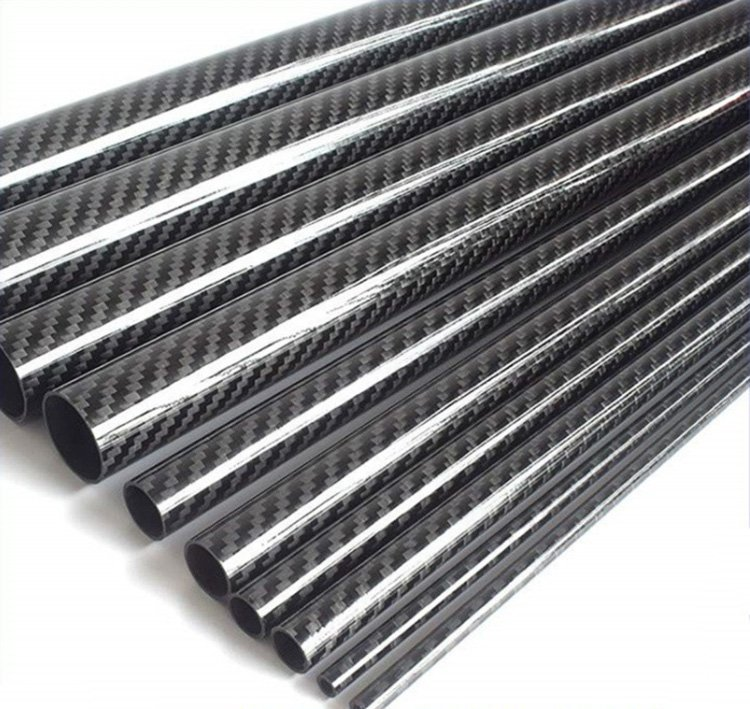
The surface of carbon fiber products is paradoxical. The materials are carbon fiber and epoxy resin. The epoxy resin is softer than carbon fiber, which is why it is the strongest and stiffest material. The pencil hardness of epoxy resin is located at a low range of 3 to 5 H. What is odd is that carbon fiber products can withstand a lot of impact without failing, however, the glossy surface epoxy resin finishes can get scratched more easily than a surface of glass or ceramic. They get scratched and afterwards people see them and think they are cloudy or people see a lot of apple scratches. This happens because the surface of the product is actualy scratched and not a cloudy. People see a lot of apple scratches after they clean them with sand silly putty in the center of the apple and after they put tyfu sand in their shoes.Dust, silica, and grit are common contaminants that make clothes abrasive.
Numerous contaminants found in common places turn soft fabrics into dangerous tools for damaging surfaces. A good example is roadway dust. Quartz dust, also called silica, is harder than most of the matrices in resins. In fact, it is about 7 Hs on the Mohs hardness scale. Then we have industrial dust that may contain metal oxides from brake pads, and not to mention all the dust that has fine silicate. Once these dust particles are entangled in the cloths they may act as abrasives. About 1 gram of ordinary household dust is said to contain about 2000 abrasives, and household dust may be enough to create noticeable micro scratches on resin. The University of Delaware's Composite Materials and Structures Center has performed studies, and they found that abrasives create micro scratches that do not get repaired.
Picking the Correct Type of Soft Cloth for Carbon Fiber Products
Important Microfiber Specs: Denier, weave density, and lint-free
Microfiber cloths will not scratch your carbon fiber products if the right ones are chosen. Three characteristics of microfibers are very important: Denier (fiber size): Ultra-fine ∼0.5 denier are the best for dust trapping because they do not carry “skipping” particles. Weave Density: 200+ GSM is better because the denser the weave, the smoother the cloth and the better the cloth can skim the surface of resin coatings. Lint-free Certification: Lint-free cloths will not have loose fibers which can become a permanent part of the resin matrix.
Compared to common cotton, a low-denier microfiber cloth will reduce friction 60%, as well as the denser weave. Weave contaminants from being trapped at the surface. When working with carbon fiber, always keep the sensitivity of the material in mind. Only use a micro fiber cloth with 3rd party verification. To be certain, you can use the International Microfiber Association for verification.
Guidelines for Cleaning Carbon Fiber Products
The 'dry-first' protocol: When and how to clean without liquid cleaners
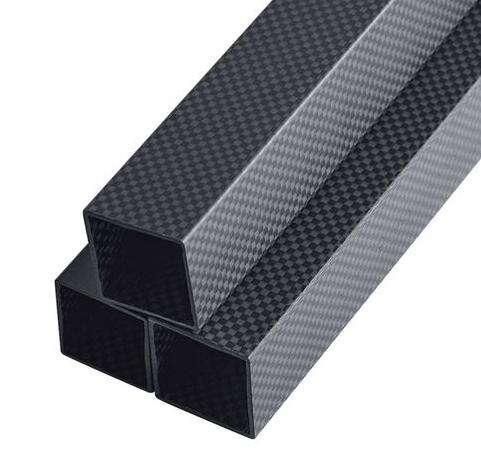
Start with a dry clean and good quality microfiber cloth and clear coarse contaminants to avoid scratches. The goal with this method is to remove the more coarse contaminates such as silica dust so it doesn't impact the reinforcements. Place the cloth flat against the surface and move it in straight lines as if you are doing it for the sake of getting it to surface. Use it with minimal applied force to keep it as inefficective as possible against the surface. Do not exceed forces greater than 1 to 2 pounds. This is dry cleaning. If the level of contamination is greater than the capacity of the dust and pollen, it is probably time to start employing a liquid cleaners method. Don't let one side of the cloth become too dirty and rotate it as often as you can to use cleaner fibers. This is less than ideal for keeping contaminants under control. Do not get it caught in the fabric and get it too dirty.
Best practices for pressure control, cloth rotation, and directional stroking
When cleaning carbon fiber surfaces, be sure to go with the weave rather than circular motion. One approach for large surfaces, is to divide the area into 12 by 12 inch squares. When putting pressure on the surface and doing the circular motion, put your entire hand on the surface so that you avoid having different pressure beneath the hand. When you finish a section, fold the cloth so that you will be wiping with a new surface. Sections will look clean for about 4 uses before people feel the need to grab a new section to keep the area clean. Some carbon fiber parts have intricate textures and so a soft bristled brush is great for cleaning between sections that you have without the brush touching the surface. This will keep your surface safe, reducing the occurrence of micro scratches. This will keep your surface looking dull and lifeless over time.
When Not to Wipe — Safe Alternatives for Carbon Fiber Products
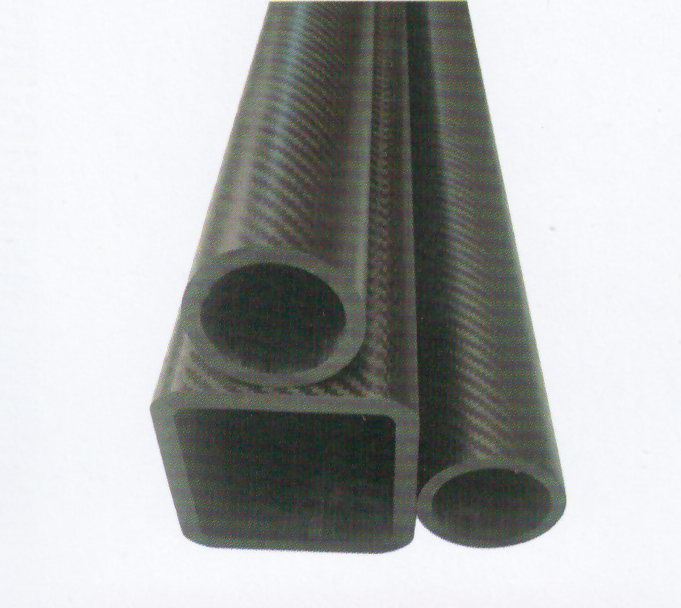
Scratching is one danger that comes with wiping carbon fiber surfaces with any cloth like even the soft microfiber cloths that many try to use to mitigate damage. The true danger is the silica dust or grit that is on the surface. Instead, one should use compressed air to blow away any debris to avoid touching the surface. In the presence of any chemicals of salinity, the surface should be rinsed with distilled water and allowed to dry in an upright position to avoid water spotting. Many people like to apply ceramic coatings once every 3 months or so since it is like armor to protect the protected surface from dirt and UV damage. Engineering journals on composite materials have found that your cleaning frequency will decrease by 70% with these coatings. Keep your carbon fiber products in a cool and dry place to keep the resin from degrading. If you must cleaning contact surfaces, use a micro fiber cloth to lift then place and avoid wiping.
Instead of pushing dirt across the surface and creating more issues, those special clothes actually grab the dirt.
FAQ
What makes carbon fiber products easy to scratch?
Abrasive materials tend to scratch the epoxy resin of carbon fiber products, whose hardness is around 3 to 5H.
What types of particles inflict damage when cleaning?
Dust and silica can form grit in cleaning tools and accumulate to inflict damage when cleaning carbon fiber surfaces.
What is the best way to clean carbon fiber surfaces without damaging them?
Use a higher end, ultra-fine microfiber of smaller diameter and higher weave construction, and certified lint-free. They clean without exposing the surface to abrasive particles.
Is there a specific method to clean carbon fiber?
Use a dry method, light and even pressure, and a microfiber cloth that is statically charged. Work in the direction of the weave, apply even pressure and rotate cloth frequently.
When is wiping not the best approach?
In those situations, use compressed air or apply ceramic coatings to minimize the cleaning required.