
 EN
EN
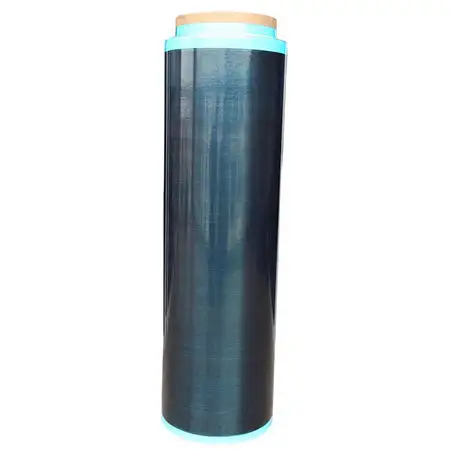
The structural imperative of precision in advanced composites
Manufacturing high-performance structural components for aerospace, automotive racing, and specialized industrial engineering requires absolute adherence to design tolerances. Utilizing prepreg carbon fiber represents the pinnacle of modern material strength-to-weight ratios, but the performance of the final cured laminate depends entirely on the initial cutting phase. Unlike dry fabrics, raw pre-impregnated plies possess precise resin-to-fiber ratios that can be easily disrupted by dull cutting tools, incorrect handling, or poor geometric tracking. Achieving exact geometric compliance during the cutting process prevents edge fraying, ply distortion, and fiber misalignment. For procurement professionals and engineering teams, prioritizing precise trimming is a non-negotiable standard to ensure that every finished component behaves exactly as predicted under extreme mechanical stresses.
Technical cutting methodologies and parameter calibration
The physical characteristics of uncured prepreg require specific mechanical processing to ensure clean cuts without degrading the unpolymerized resin matrix. Depending on the production volume and part complexity, automated cutting setups must utilize specialized tungsten carbide drag knives, ultrasonic cutters, or precision laser systems. Maintaining a sharp cutting edge and optimal feed rates prevents the pulling of individual fiber tows, which can create structural weak points in the finished layup.
To help manufacturing engineers choose the ideal approach for their specific assemblies, the core processing parameters are detailed below:
| Cutting Technology | Precision Tolerance | Structural Integrity Impact | Ideal Application Type |
| CNC Drag Knife | Mechanical ±0.1 mm | Zero thermal loading; pristine resin matrix | Standard multi-ply geometries |
| Ultrasonic Blade | High Vibration ±0.05 mm | Sealed edges; minimizes ply delamination | High-weave complexities |
| Automated Laser | Ultra-Fine ±0.02 mm | Slight heat-affected zone; requires calibration | Complex miniature components |
Nesting optimization and real-world waste mitigation
In high-volume composite production, material utilization rates directly dictate the financial viability of a manufacturing run. During a recent production audit for a lightweight marine structural contract, shifting from manual cutting templates to an advanced automated nesting software solution yielded immediate improvements. The intelligent nesting algorithm rearranged complex geometric plies on the cutting table, reducing raw material scrap rates by roughly 14%. Furthermore, the computerized precision eliminated localized fiber distortion caused by manual handling. This scenario proves that leveraging automated mechanical cutting not only protects tight manufacturing budgets but also ensures consistent material density across every square centimeter of the layup.
Environmental controls and the science of material integrity
Processing prepreg carbon fiber cannot be isolated from environmental conditions, as the material is highly sensitive to ambient temperature and moisture. Standard manufacturing protocols require that the cutting and kitting processes take place within a certified cleanroom environment with controlled humidity levels below 50%. If moisture or airborne particulates contaminate the tacky surface of the raw plies during the cutting phase, voids can form inside the laminate during the subsequent autoclave curing process. Additionally, monitoring the out-time—the duration the material spends outside sub-zero storage—is vital. Precise automated cutting speeds up the preparation phase, minimizing out-time and ensuring the resin remains perfectly stable before final consolidation.
Commercial value and streamlined assembly throughput
Investing in high-precision ply cutting delivers massive commercial benefits that extend far beyond the initial fabrication room. When plies are delivered to the layup technicians with perfect geometric accuracy, the time required to fit materials into complex molds drops significantly. This eliminate the need for manual on-the-fly trimming, which frequently introduces human error and slows down production lines. For tier-one suppliers and large-scale industrial projects, relying on pre-cut, validated ply kits speeds up production cycles, minimizes component rejection rates, and reduces total labor costs, turning precise material preparation into a major competitive advantage in tight markets.
Advanced manufacturing capability and global supply integration
Consistently executing these demanding precision standards requires an industrial partner with advanced manufacturing infrastructure and a deep understanding of composite science. This is where specialized manufacturing providers like DUSHI deliver significant strategic value to global industries. Operating state-of-the-art automated ply cutting machinery and certified climate-controlled cleanrooms, DUSHI ensures that every custom ply kit meets exact customer specifications with total repeatability. By providing comprehensive material sourcing, custom weave engineering, and reliable international supply chain services, the brand handles complex logistical requirements for large-scale engineering operations. Partnering with a specialized team like DUSHI guarantees absolute structural reliability, seamless scalability, and operational excellence from the initial raw material slice to the final cured part.