
 EN
EN
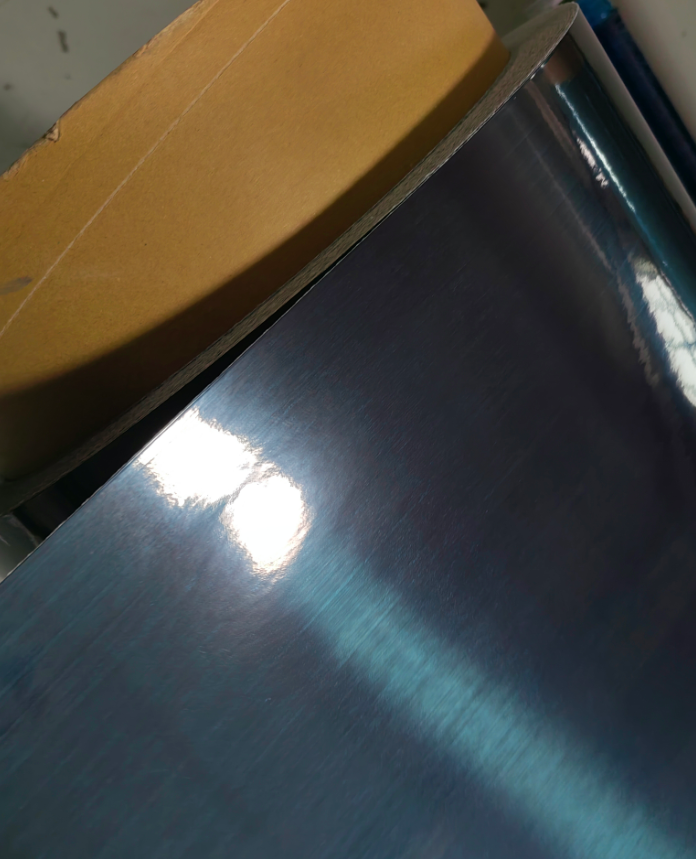
Investing in high-performance materials like advanced carbon fiber configurations is standard practice for modern automotive, aerospace, and sporting goods manufacturers looking to achieve optimal strength-to-weight ratios. However, purchasing high-grade materials is only half the battle; managing them on the active shop floor dictates the ultimate quality of the finished structural component. When processing an industrial carbon fiber roll, technicians rarely consume an entire batch within a single production shift. This operational reality creates a critical turning point for workshop managers. Leaving a partially used roll exposed to the open environment invites subtle, often invisible forms of material degradation. Implementing strict post-use sealing workflows is not a matter of tidiness—it is a foundational engineering practice that preserves the molecular consistency and long-term mechanical reliability of high-tier structural textiles.
Atmospheric Moisture and the Physics of Carbon Fiber Roll Degradation
To understand why a partially used carbon fiber roll demands immediate resealing, it helps to examine the surface chemistry of the filaments and their sizing agents. Even dry carbon fabrics feature chemical sizing formulations designed to improve bonding compatibility with matrix resins like epoxies or vinylesters. These surface coatings can be highly hygroscopic, meaning they actively absorb water molecules directly from ambient workshop air. When moisture infiltrates the fiber bundle, it disrupts the interfacial adhesion between the reinforcement fibers and the polymer matrix during subsequent lamination. This micro-scale contamination creates a weak chemical bond, severely diminishing the interfacial shear strength (IFSS) of the fully cured component and leading to premature structure failure under heavy cyclic loads.
Lessons from the Shop Floor on Material Scrappage
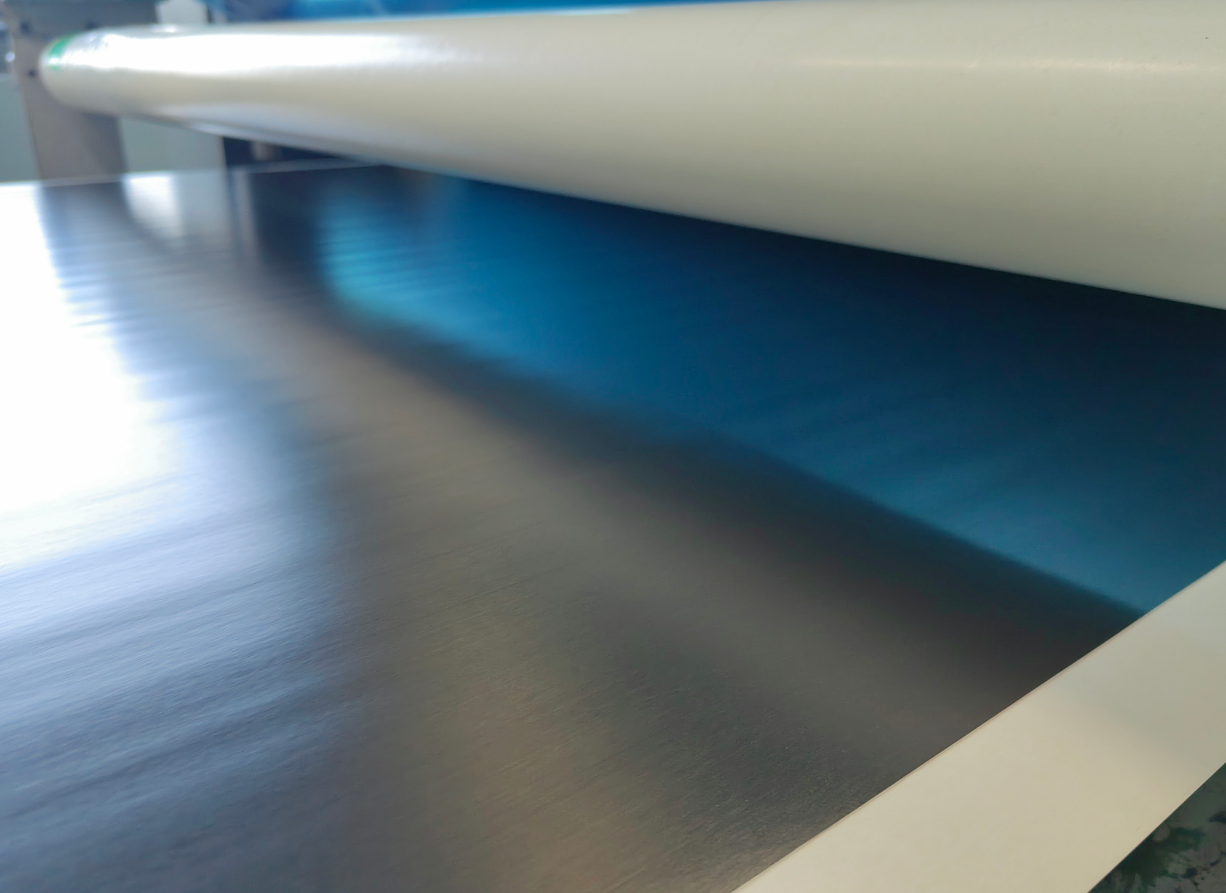
Practical manufacturing experience with inspecting large-scale composite molding projects highlights how easily small deviations in environmental control can snowball into massive financial scrap rates. During vacuum bagging or autoclave curing, trapped moisture inside an unsealed, exposed carbon textile rapidly vaporizes under intense heat. This trapped steam expands, creating high concentrations of internal micro-voids and severe localized delamination across structural layers. In severe audit scenarios, entire batches of completed marine hulls or automotive body panels have failed ultrasonic non-destructive testing simply because the source fabrics absorbed moisture over a long weekend. Properly wrapping and sealing high-value inventory immediately after cutting off a required section eliminates these internal defects and stabilizes workshop pass rates.
Adhering to Authoritative Composite Storage Protocols
Navigating strict industrial and aerospace structural contracts requires deep alignment with established international material engineering specifications. Authoritative global regulatory networks, including organizations like ASTM International and SAE Aerospace standards, mandate comprehensive tracking of out-time—the cumulative hours a specialized composite material spends outside controlled climate storage. These strict industry benchmarks prove that controlling relative humidity and preventing airborne particulates from settling onto active weaves is vital for aerospace compliance. Utilizing heavy-duty poly-barrier film packaging coupled with active desiccant packs ensures that the remaining raw materials maintain their strict baseline qualifications, allowing commercial projects to easily pass third-party quality audits and regulatory inspections.
Protecting Operational Margins and Structural Integrity
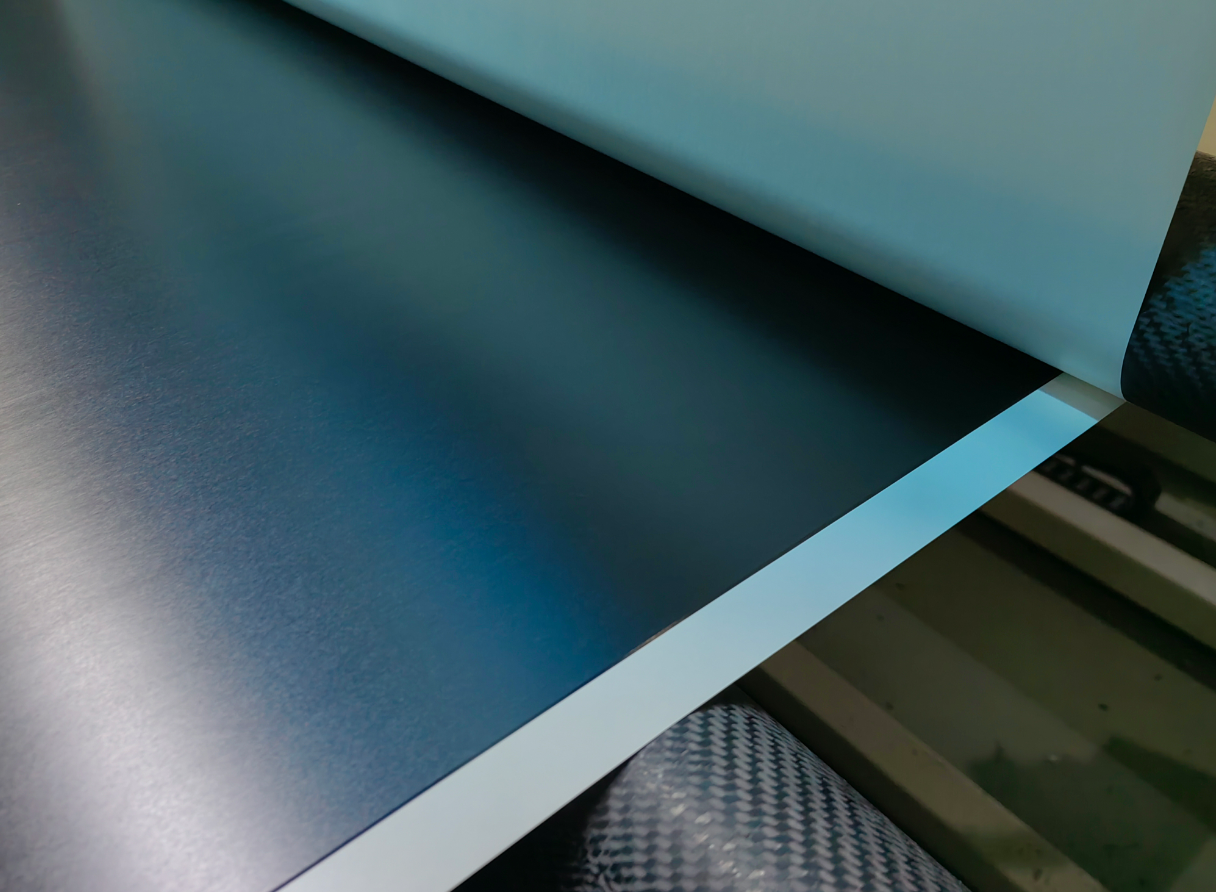
From a straightforward commercial standpoint, maintaining tight control over active carbon fiber roll storage directly protects a manufacturer's bottom line and enhances organizational efficiency. Advanced reinforcement fabrics represent a significant upfront capital expenditure; letting material spoil due to environmental exposure rapidly erodes operational profitability. By ensuring that unused portions are vacuum-sealed or taped securely within barrier sleeves, production teams maximize the active shelf life of their existing inventory. This proactive material management flattens procurement curves, eliminates unexpected downtime caused by sudden raw material shortages, and ensures that every square meter of purchased fabric delivers its full engineering value, transforming standard compliance into a measurable competitive advantage.
Precision Composite Solutions and Scalable Supply Reliability
Fulfilling the exact material standards of modern heavy industry requires a composite partner backed by robust technical expertise and substantial manufacturing scale. Dushi addresses these intensive global market demands by deploying state-of-the-art weaving technologies and strict environmental quality controls across its entire production line. From selecting premium precursor filaments to executing airtight moisture-barrier packaging for every completed shipment, Dushi guarantees exceptional consistency and highly predictable global lead times. This complete oversight of the manufacturing ecosystem, combined with professional technical support and optimized logistics networks, ensures that large-scale global operations receive dependable, high-performance reinforcement solutions tailored to withstand the most demanding operational environments.