
 EN
EN
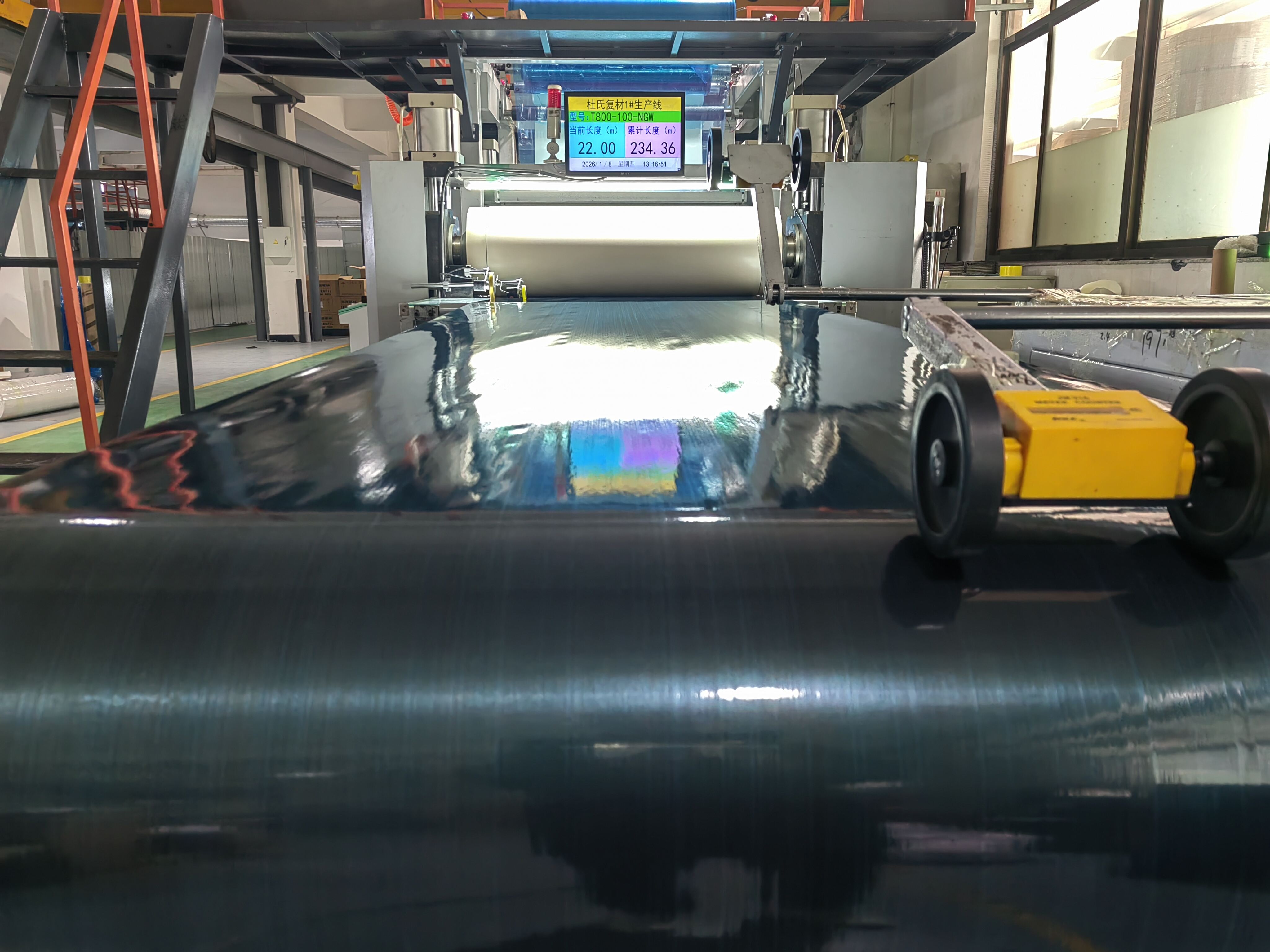
In high-end composite manufacturing, Unidirectional (UD prepreg) is the gold standard for achieving extreme strength-to-weight ratios. Unlike woven fabrics, UD prepreg consists of parallel fibers pre-impregnated with a precise resin content. This simplicity is its greatest strength—but it demands a disciplined lamination approach. Successful manufacturing requires treating every ply as a specific engineering decision. Achieving consistent mechanical properties requires strict attention to fiber alignment and resin distribution from the moment the material leaves the freezer to the final cure.
The Art of Layer Orientation
The core strength of a UD prepreg layup lies in the strategic arrangement of ply angles. Because fibers only provide reinforcement along their longitudinal axis, the lamination sequence must be designed to counter specific load paths. Advanced designs often utilize thin-ply technology to tune stiffness and torsional rigidity. Achieving this requires meticulous precision during the layup process. Even slight angular deviations can compromise the intended structural behavior, making automated cutting and standardized alignment jigs essential for industrial-scale production.
Critical Lamination Parameters
Consolidation is where material science meets precision engineering. To transform a stack of tacky sheets into a rock-solid component, the lamination process must control three variables: temperature, pressure, and time. Vacuum bagging is the industry standard, but the secret lies in effective "debulking." By applying vacuum cycles between ply additions, trapped air is removed, preventing interlaminar voids that weaken the final part. Following this with high-precision oven or autoclave curing ensures uniform resin flow and perfect fiber wetting.
Technical Process Matrix
| Parameter | Objective | Consequence of Failure |
| Debulking Vacuum | Removes entrapped air | Interlaminar porosity/weakness |
| Curing Temperature | Optimizes cross-linking | Brittle resin or incomplete cure |
| Pressure Application | Ensures consolidation | Delamination/fiber misalignment |
Lamination Quality Checklist
| Step | Technique | Importance |
| Cutting | CNC/Automated | Prevents fiber fraying |
| Laying | Laser alignment | Eliminates geometric errors |
| Consolidation | Incremental debulk | Maximizes fiber volume fraction |
Common Pitfalls in Prepreg Processing
Even with high-quality UD prepreg, mistakes during lamination can compromise a component. Wrinkling is a primary concern; a ply laid imperfectly acts as a stress concentrator that could lead to premature failure. Furthermore, "resin starvation"—often caused by improper pressure cycles during curing—can force too much resin out of the laminate. Systematic documentation of every layup step is crucial to ensure that production processes remain transparent, repeatable, and capable of yielding identical results across high-volume batches.
Manufacturing Excellence with Dushi Composite
For companies requiring consistent, high-performance UD prepreg components, Dushi Composite provides the infrastructure to turn complex engineering designs into reality. Through state-of-the-art lamination facilities and rigorous quality control protocols, Dushi Composite ensures that every batch of material is handled with the technical expertise demanded by global industrial standards. Whether supporting small-batch prototyping or high-volume series production, Dushi Composite manages the complexities of composite manufacturing—from material logistics to final cure—enabling clients to focus on product innovation with a reliable production partner.