
 EN
EN
Hoe niet-uniforme verwarming de harsstroming en vezelimpregnatie verstoort
Vroegtijdige gelvorming en droge plekkenvorming onder thermische gradienten
In aanwezigheid van thermische gradienten veroorzaken temperatuurverschillen onder de 3 °C een snellere gelvorming van het hars in koudere zones, terwijl in voornamelijk warme zones de versnelde gelvorming lokale pieken in viscositeit veroorzaakt, waardoor de harsstroom stagneert en deze gebieden droge plekken vormen. Onderzoeken tonen aan dat een verhoging van het poriegehalte in laminaten leidt tot een daling van de interlaminaire schuifsterkte met 12 %, wat uiteindelijk tot een toename van schadelijke effecten leidt. Dit resulteert in een onvolledige bevochtiging van de vezels in de composiet, wat een ernstige gebrekkigheid is bij structurele koolstofvezelcomposieten. Het probleem komt neer op de ongelijkheid van de composietmatrix, wat betekent dat de niet-continue gebieden de belasting niet kunnen overdragen vanwege de ruimten tussen de vezels.
De koppeling tussen viscositeit, tijd en temperatuur breekt samen in epoxi-/fenolharssystemen
In het overgangsbereik van 40 °C tot 60 °C wordt de viscositeit uiterst gevoelig, afhankelijk van de gevoeligheid van het harsmengsel voor extreme temperaturen en de vereiste nauwkeurige toepassing van het hars op een gelijkmatige en gecontroleerde manier. Bijvoorbeeld: een coating van 10 °C kan de viscositeit van het gespecificeerde hars met 60 % doen stijgen, waardoor het hars uit de gebieden met hoge temperatuur in de coating wordt weggevoerd, terwijl de koudere gebieden een viscositeitsstijging van wel 200 % kunnen ondervinden in de coating en onvoldoende intervezelruimtes hebben voor doordringing van het hars. Dit verschijnsel is bij hoogwaardige fenolharssystemen gekarakteriseerd als een uitstekend voorbeeld van de toepassing van hars in lucht- en ruimtevaartsystemen.
CF-termijnblad Klantdefect Casestudy
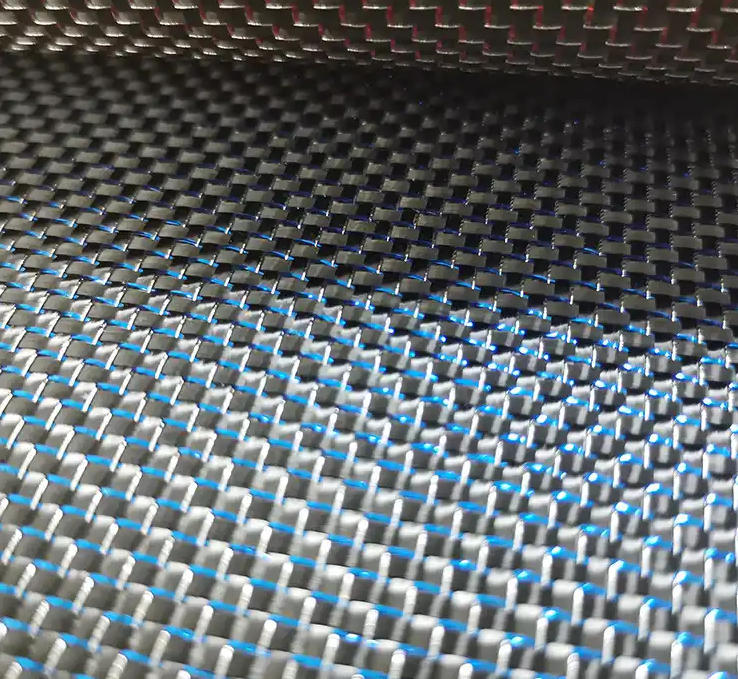
Een lucht- en ruimtevaart-OEM constateerde een stijging van 8,3% in de porositeit van koolstofvezelcomposieten die in een autoclaaf zijn gehard voor de productie van vleugelribben. Dit gebeurde wanneer het thermische verschil groter was dan 5 °C. Ruimtelijke porosititeitsgroei werd waargenomen bij de installatie van thermische barrières. Dit leidde tot een onvolledige doordringing van de hars in de holtes. De harsarmoede veroorzaakte geometrische overgangszones. Koude plekken bleken een barrière te vormen voor de harsstroming, en porosititeitsgroei werd waargenomen, wat suggereert dat harsarmoede de oorzaak was. Elke van deze porositeitsafsluitingen veroorzaakte een vermindering van de compressie-na-impactsterkte die de maximaal toegestane grenzen van de primaire structurele onderdelen overschreed. Het effect van de hars- en porositeitsarme zones leidde ertoe dat de OEM 17% van de productiepartij afkeurde. Dit illustreert het cumulatieve effect dat thermische asymmetrie op microscopisch niveau heeft en dat leidt tot storingen op macroscopisch niveau.
Thermische asymmetrie veroorzaakt restspanningen en IL-defecten in koolstofvezelcomposieten
CTE-mismatchversterking van de CTE van koolstofvezel ten opzichte van polymeer (−1,0 ppm/°C vs. 50 tot 80 ppm/°C)
Zowel de polymeermatrix als koolstofvezelcomposieten vertonen een aanzienlijke mate van thermische asymmetrie. Deze asymmetrie wordt op microschaal verder versterkt doordat de hars ongelijkmatig door de lagenopbouw stroomt, waardoor barrièrelagen ontstaan met harsgebrek. Holtevorming is meestal het gevolg van een onvolledige harsstroming naar de geometrische overgangszones. Oorzaken van holtevorming kunnen zijn: door uitlaten geïnduceerde holten in geometrische overgangszones, zones met harsgebrek en verspreide harsarmen holten. Elk van deze problemen draagt bij aan een vermindering van de compressie-na-impactsterkte die de maximale grenzen overschrijdt voor primaire structurele onderdelen. Elke van deze holten heeft bijgedragen aan het verlies van compressie-na-impactsterkte, wat ertoe leidde dat de OEM 17% van de productiepartij afkeurde. Vervorming trad op bij 63% van de afgewezen lucht- en ruimtevaartcomponenten, zoals vermeld in de SAMPE-gegevens van 2023.
In-situ-dielectrische gegevens: 37% hogere restspanning in niet-uniform verwarmd CFRP (ASTM D5229)
Het uitharden biedt in real-time dielectrische inzichten in de manier waarop thermische asymmetrieën de mechanische betrouwbaarheid van koolstofvezelcomposieten beïnvloeden. Indien het temperatuurverschil in een laminaat meer dan 8 °C bedraagt, kan de viscositeit van de hars tussen de zones tot 300% verschillen. Dit verstoort de uniformiteit van de netwerkvorming. Niet-uniform verwarmde panelen vertonen in deze context tot 37% hogere restspanning, wat leidt tot een onbalans die zich concentreert aan de grensvlakken tussen lagen, waar de verschillen in uitzettingscoëfficiënt (CTE) de meeste spanning veroorzaken. Een vermindering van niet-uniform uitharden resulteert in een verbetering van de interlaminaire schuifsterkte met 19% en een vermindering van het porositeitsgehalte met een factor 2,3. Gecontroleerde verwarmingsprofielen elimineren de onbalans tussen regio’s en verminderen de dimensionale variaties na uitharden met 85% voor hoogprecieze gereedschapssystemen.
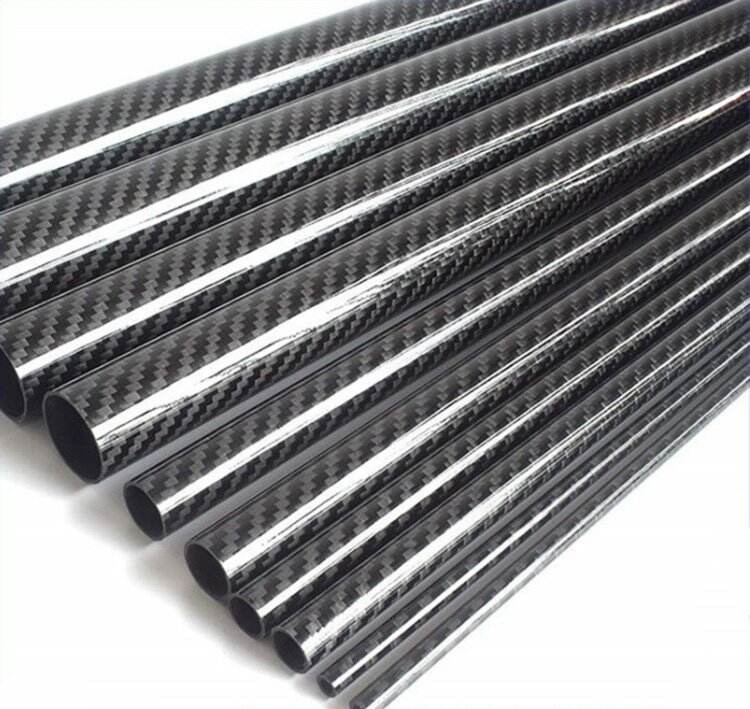
Geoptimaliseerde verwarmingsprofielen verbeteren direct de mechanische en structurele consistentie en kwaliteit van koolstofvezelcomposieten.
Een gecontroleerde opwarmingsnelheid (≤2 °C/min) en een stabiele houdfase verminderen de variabiliteit van de treksterkte bij afkoeling van ±3,4% naar ±12% (ISO 527-4).
De betrouwbare drempel van mechanische zekerheid van koolstofvezelcomposieten is direct gerelateerd aan de nauwkeurige naleving van de thermische vereisten voor het uitharden. Een gecontroleerde opwarmingsnelheid binnen de limiet van 2 °C/min, in het geval van een versnelde exotherme polymeer-uithardingsreactie, leidt tot de vorming van een hoog niveau van interne mechanische spanningen; daarnaast bevordert de thermische stabilisatie bij een constante temperatuur (‘soaking’) de volledige, rationele kruislinking van de polymeermatrix. De synergie van deze genoemde omstandigheden resulteert in het verdwijnen van luchtleegtes (voids) en in een perfecte parallelle uitlijning van de vezeloptische composiet. De systematische kwaliteitsverbetering en de vermindering van de spreiding, van ±12% naar ±3,4%, correleren sterk met de mechanische partijkwaliteit en de toepassing van geïntegreerde normen. De productiegelijkwaardigheid zorgt bovendien correlatief voor een optimalisatie van de thermische uniformiteit aan de eisen van de kwaliteitsklasse binnen een composietconstructie.
Veelgestelde vragen
Welke problemen ontstaan bij de harsstroom als gevolg van niet-uniforme verwarming?
Niet-uniforme verwarming van hars veroorzaakt een temperatuurgradiale over het verwarmde volume van hars. Koelere gebieden van het volume zullen meestal de vroegste harsgelatie ervaren en warmere gebieden zullen een versnelde harskuur ervaren. Dit leidt tot een toename van de harsviscositeit en een obstructie van de harsstroomwegen. Dit verschijnsel zorgt ervoor dat lucht vastzit en er droge vlekken ontstaan.
Hoe beïnvloedt de thermische gradiënt het vezelgebrek in composieten?
De thermische gradiënten beïnvloeden de relatie tussen viscositeit, tijd en temperatuur die nodig is voor gecontroleerde vezelpenetratie. Sommige gebieden kunnen worden gedesigneerd voor harsdrenage, dat is hars met een lage viscositeit, en gebieden met hars met een hoge viscositeit, wat leidt tot vezelverlies, wat leegtes creëert.
Welke structurele schade wordt veroorzaakt door CTE-onpassendheid in koolstofvezelcomposites?
CTE-mismatch veroorzaakt enkele thermische spanningen en leidt tot een lage viscositeit van de hars. Dit kan leiden tot vezeluitputting en thermische spanningen.
Wat zijn de voordelen van nauwkeurige temperatuurregeling van composieten tijdens het uitharden?
Temperatuurregeling tijdens het uitharden van composieten is belangrijk voor het sluiten van harsbuizen. Dit zorgt er ook voor dat de polymeren volledig doorgestuurd worden en dat de warmte uniform wordt verdeeld, wat klinisch zeer belangrijk is om de verspreiding van interne spanningen in de hars te verminderen.
Welke thermische profielen zijn nodig voor commercieel onderhoud van composieten?
ISO 527 tot ASTM D5229 zijn enkele profielstandaarden die een verminderde bezinking van composieten en verbeterde consistentie van bedlegerende stukken vereisen, die bestemd zijn voor commerciële toepassingen.