 EN
EN
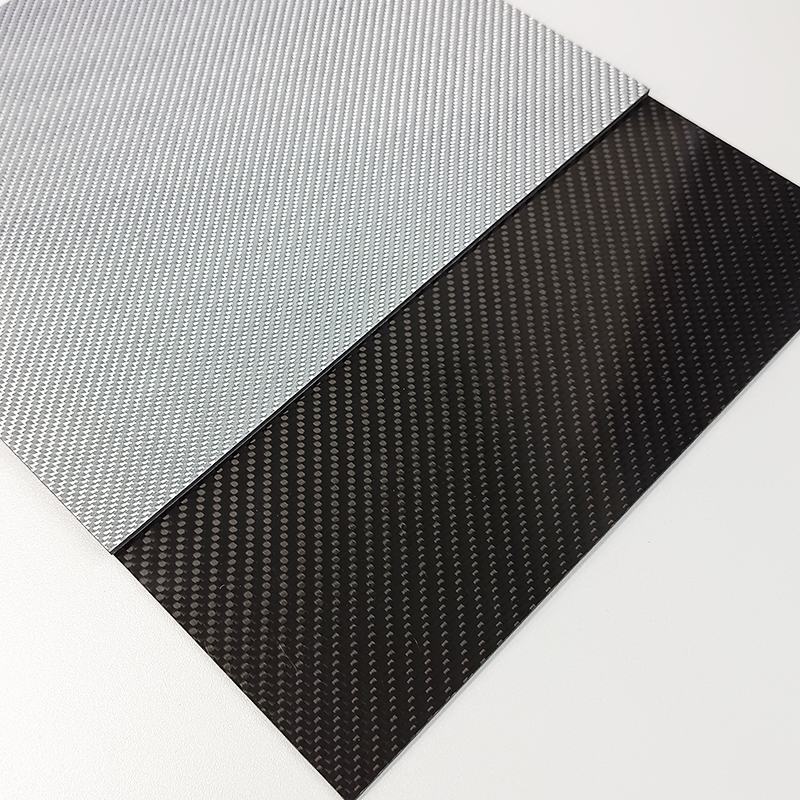
How Contamination Undermines Bond Integrity in Bidirectional Carbon Fiber
Resin Wetting and Fiber Failure Mechanical Nuances when Fiber Surfaces are Contaminated
The presence of contaminants on surfaces can obstruct the proper wetting of resin when manufacturing composites. The epoxy has issues of wetting due to the presence of oils on the carbon fiber and hence has difficulty in entering the proper micro space around the fiber and matrix. This results in a weak bond and when the fiber is loaded, it is
subject to the maximum stress concentration. Contaminated fibers exhibit up to 40% lower interlaminar shear strength, due to the nanoscale voids present at the fiber-matrix interface, and these voids become sites of delamination and fiber pullout. Contaminated fiber surfaces exhibit a
water contact angle (a measure of wettability) of greater than 90°, while cleaned surfaces exhibit an angle of less than 50°. This has a direct correlation to the loss of bonding strength.
Cleanliness Factor Bond Strength Retention
Optimum Clean 95-100%
Moderate Contamination 60-75%
Heavily Contamination <40%
Mold Release Agents, and Handling Residues in Bidirectional Carbon Fiber Processing
Three contaminants during processing of the bidirectional carbon fibers influence their integrity. Based hydrophobic residues from mold release agents, when used as part of a tool, will help in preventing the resin from flowing in due to their repelling nature. Processing oils lead to the formation of a nonpolar film that hinders mechanical interlocking. Hand contact is often
problematic with the residues of sweat, oil, and even moisture can lead to improved hydrolytic performance of the composite. Hand contact is often
problematic with the residues of sweat, oil, and even moisture can lead to improved hydrolytic performance of the composite. Even a single fingerprint, can results in the formation of a 0.5 mm² weak zone in the laminate. To
combat the frequent strength losses, the industry has mostly focused on best failure analyses. Poorly implemented glove policies, poor humidity control, and a lack of
dedicated materials zones have all been utilized to address safety issues in the workplace.
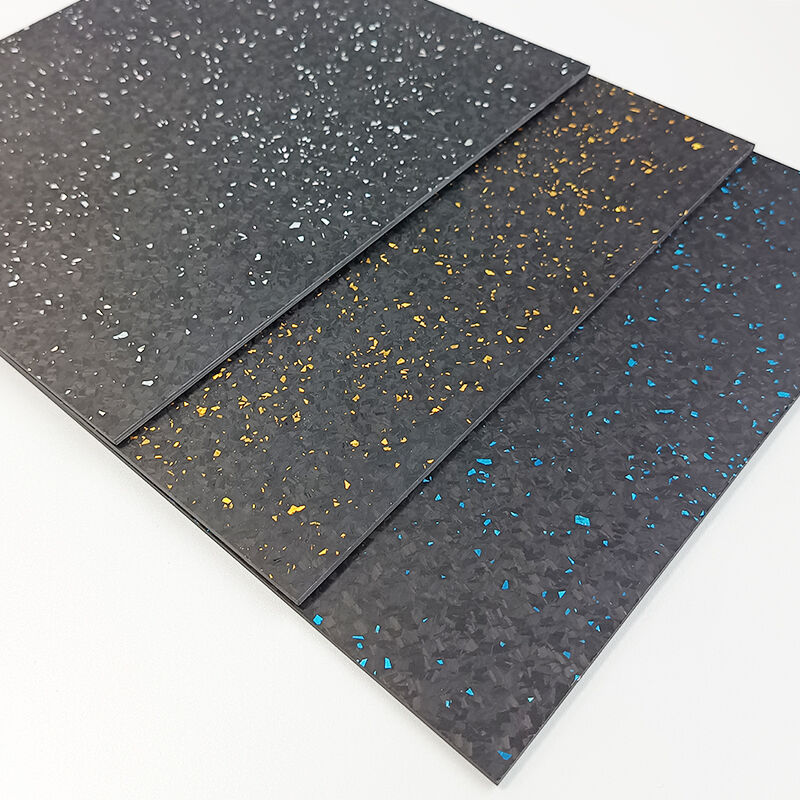
Surface Preparation for Enhanced Resin Adhesion to Bidirectional Carbon Fiber
Reliable resin adhesion to bidirectional carbon fiber necessitates consistent surface preparation in accordance to standards. Surface contaminants can reduce interfacial bonding strength by 30–50%. Chemical activation is imperative for fiber bonding with both epoxy and vinyl esters. The activation introduces structural changes on the fiber surface at the molecular level, thus providing reactive sites. These sites can then be utilized for covalent bonding for epoxy cross-linking and vinyl ester esterification. Relying on chemical interlocking is greater than mechanical interlocking in overcoming failure experienced under cyclic loads.
Durability of Epoxy and Vinyl Esters: The Critical Role of Chemical Activation
Chemical activation converts the inert surfaces of carbon fibers into active chemically receptive substrates. On epoxy systems, the increase of cross-link density and better interfacial toughness on them is achieved by amine functionalization. The vinyl esters, on the other hand, need the hydroxyl groups to be active to promote the esterification reaction at the time of the cure. There are core similarities between the two approaches:
- Increased surface energy by more than 20 dynes/cm
- Water contact angles have less than 70°
- Suppress phase separation and micro- voids
Utilization of Contact Angle and Its Instrumentation for Quality Assurance of Bidirectional Carbon Fiber Contamination
Contact angles offer quick and easily quantifiable answers to the preparation of surfaces. Contact angles for water of more than 85° indicate that a surface is in need of cleaning. Some of the features are:
- Detection of invisible residues in less than 30 seconds
- Positive and meaningful correlation with lap shear strength (R² = 0.91)
- Scrap rates are 18% lower than those that rely on the use of visual inspection alone
Quantified Impact: How Poor Surface Cleaning Reduces Structural Performance
Bidirectional carbon fiber surfaces that fail to be adequately cleaned give rise to hidden structural defects. Residues from external sources, such as silicone mold releases, and handling oils, inhibit the adhesion of resins at the surface and produce nanovoids and discontinuity. These defects induce a sudden increase in the rate of stress concentration, and of the delamination and crack propagation. For properly prepared specimens, typical drop of interlaminar shear strength is as much as 60%, drop of fatigue lifetime, due to thermal cycling, is 40-50%, and drop of ultimate tensile strength is as much as 30%.
Replacing composite parts costs 3 to 5 times more than the additional expenses associate with implementing more extensive cleaning routines. Thus, surface integrity becomes less of an engineering choice and more of a crucial element in a system’s overall cost over its lifecycle and operational dependability.
Here are some best practices that are catered to the reliability of surface cleansing of carbon fiber with bi-directional layering.
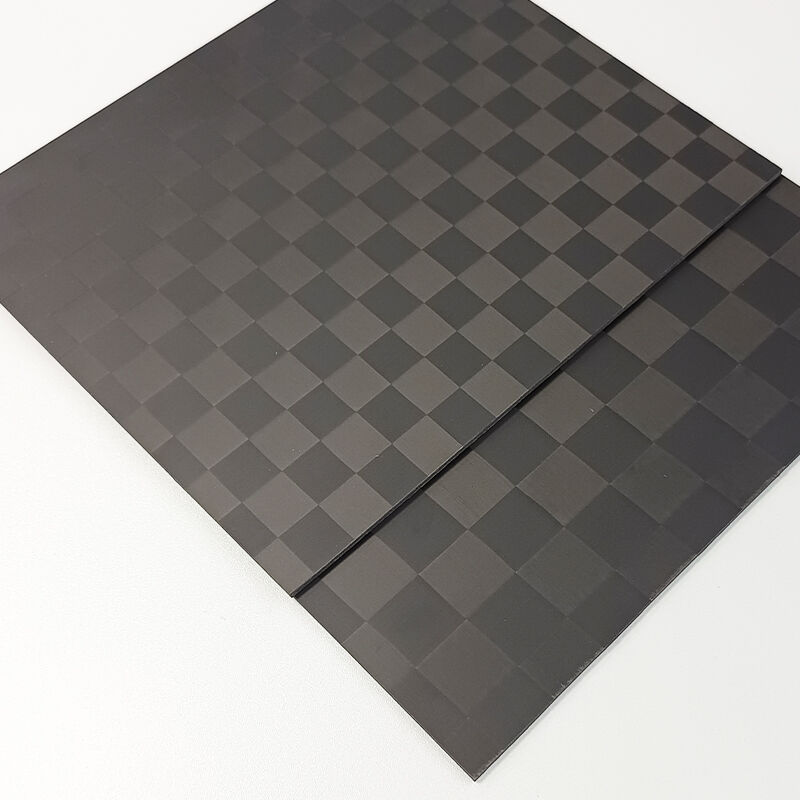
Assessing the Feasibility of Solvent Wiping and Plasma Treatment for mass scale Surface Preparation.
Both Solvent wiping and Plasma treatment are surface preparation methods that are entirely different, yet complementary. Solvent wiping involves the manual or automated wiping of the composite, where organic impurities are dissolved using either acetone or isopropyl alcohol. Solvent wiping is the cheaper option and more accessible, however, its coverage is inconsistent, especially with certain weaving fabrics, and there is a risk that the solvent will be trapped or remain in its liquid form. Plasma treatment on the other hand, involves using a gas, either oxygen or argon, that is transformed into plasma in order to perform a form of a microscopic carving of the fiber. This increases the fiber's surface energy by 40 to 50 dynes/cm and leaves a new surface with a uniform and reactive characteristic of the new surface without the use of solvents and without the production of a waste stream. Industrial Plasma treatment can be integrated with conveyor lines to achieve a processing speed of 10 to 15 meters of bi-directional carbon fiber per minute, and achieve repeatability with little to no labor. In contrast, solvent-based methods consume 3 times more labor for to achieve the same result, and produce VOC emissions that require the creation of containment structures.
The Importance of Verifying Cleanliness After Removal of Mess on Surfaces of Bidirectional Carbon Fiber
After cleaning, the requirement before dealing with the risk of interfacial failure is of utmost importance. The water break test is the easiest to perform in the field. If the distilled water is not beading, the surface is not hydrophobic. The surface must fulfill the requirement of the spreading of water within 5 seconds. The further spreading is the indicator of hydrophobicity. The dyne levels (identified with the dye marker) provide semi quantitative evaluations, whereby the surface with the surface tension of 38mN/m or above creates the requirement of spreading. The plasitc penetrating functions of the layered contact angle a analyzers serve as the corollary, where the contact angle must be 75 or less at the epoxy thresholds. “Cold spots” of incomplete wetting can also be described as areas of localized contact contamination which can be identified with the use of the thermal imaging technology in resin layup to help with further aid. The described testing methods in the field are expected to achieve over 95% accuracy/timeliness to cost level rated lab grade FTIR analysis.
Frequently asked questions
What are the common contaminants that affect bidirectional carbon fiber integrity?
Silicrotype releasing agents, the oils obtained in the process, and residues of human handling which include salts, skin oils, and moisture.
How do these contaminants affect the performance of carbon fiber composites?
Interfacial combining friction leads to delaminating and further disintegration of the fiber. This significantly reduces the interconnective shear and fatigue levels, in the fiber components and their spatial systems.
What methods are recommended for cleaning bidirectional carbon fiber surfaces?
The methods include impermeably wiping the surfaces with the help of a precursor liquid and also using the aided with the isopropyl and acetone, and the assistance of plasma acting as a surface cleaning and chemically active method for the resin to join the surface.
Why is chemical activation used for epoxy and vinyl ester adhesion?
Chemical activation is important in the adhesion of epoxy and vinyl ester resins, mainly because it changes the inert nature of the carbon fiber surface. It promotes the carbon fiber surface to a chemically still surface, where it is receptive to substrate bonding, and is able to increase the toughness of covalent interfacial bonding, which stabilizes the structure and the integrity of the surface.