
 EN
EN
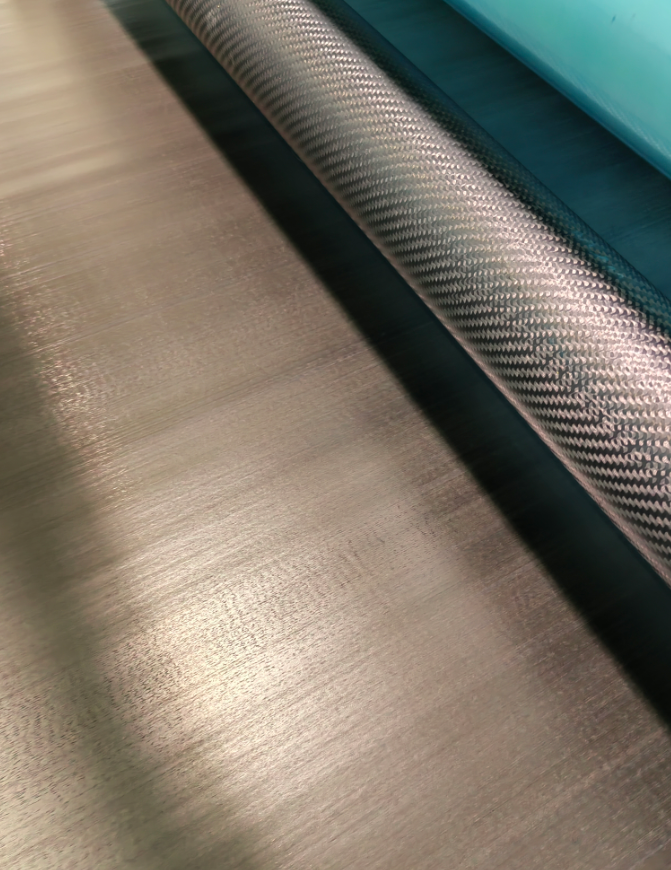
T700 нүүрстөрөлдүү барилгын хүчилтөрөлдүү утасны боловсруулалт: материал шинж чанарууд, үйлдвэрлэл арга замууд ба үйлдвэрлэлд хэрэглээ
T700 нүүрстөрөлт шүүдэр нь агаарын транспортын, автомашин үйлдвэрлэлийн ба сөрөг хүчирхүүлүүр энергийн салбарт бүтцүүдийн холбогч материалуудын хувьд хамгийн өргөн хэрэглэдэг өндөр хүчтүүлт нүүрстөрөлт шүүдэр юм. Түүн дээр таталцан бүтэх хүч, тогтвортой модуль ба онцгой ядарч үлдэх төдийгүй чадварын тунзаг тааралдах нь түүний давуу тал юм. Гэтэл T700-ийн хувьд ердийн холбогч материалуудын үйлдвэрлэлийн арга зүйсүүд хэрэглэж болмуйн. Түүний онцгой материал шинж чанарууд температур хяналтын нарийн тодорхойлолт, харилцан уялдах хоолойн хүчтүүлтийн оновчтой тохируулалт ба тусгай хавтгайлах техникүүдийг шаардмуйн. T700 нүүрстөрөлт шүүдрийн професиональ үйлдвэрлэлийн үндэсний мэдлэг нь үйлдвэрлэгчдийн гажигуудыг арилгах, хоосон огторгуйн хувийг бууруулах ба бүтцийн урт хугацааны тогтвортой бүтэн байдалыг хамгийн их хэмжээгүй хүртэл нэмэгдүүлэхэд тусалмуйн.
T700-ийн үйлдвэрлэлийн цонхны хязгаарыг тодорхойлдог дотоод материал шинж чанарууд
T700 нүүрстөрөлт гуурцаг нь ачаа түүх компонентуудын хувьд онцгой механик үзүүлэлт үзүүлдэг, стандарт сунгалтын хүч нь ойролцоогоор 4.9 ГПа, тогтвортой шүлгийн модуль нь 230 ГПа. Түүний өндөр кристаллын бүтэц нь дээд зэрэг хатуу бүтэц үзүүлдэг, гэтэл хагаралын урт бага бөөрсөг бүтэц үзүүлдэг, иймд гуурцаг нь тавих, бүтээх үед хүчний тааруулалтад маш майхан хүртэмүүн. Хэт их хүч нь гуурцагийн гагнахыг, төвөгтүй хүч нь давхарга бүтэцдээ хазаидуу бүтэц үзүүлдэг.
Дулаан тогтвортой байдал нь үйлдвэрлэлд шаардагдах нөхцөлүүдийн нэг юм. T700 ширхэг өөрөө өндөр температурт төвөгтүшүйгүй хүрдэж, гэтэл түүний дулаан дамжуулалтын коэффициент бага бөөсөн тул эпоксид смолын системтэй хослуулж ашиглаж байхад тодорхой бүсүүд дулааны цуглуулан халдаг. Сунгах температурын зөвлөмүүр хүрээ нь 120°C-с 180°C хүртэл хүрдэж. Халуун хүрдэж ширхэгийн гадаргуугийн хучин давхрага гэмтдэг, агшингүй дотоод хүч үүсдэг, харин хангалтгүй халуун хүрдэж смолын сунгах процесс муу явдаг. Мэргэжлийн үйлдвэрлэлд T700 ширхэгийн тодорхой дулаан багтаамж ба дулааны төөрөлт коэффициенттэй уялдуулж автоклав ба загварын халуун хүрдэх муфельн хурдны нарийн тохируулалт шаардагдаж, тогтвортой нийлүүлэх даралт ба хугацаа хангагдаж.
Хүчилтүүр хэмжээ, гадаргуугийн бүүрэлдүүлэлт ба хучин давхрагын химийн бүрдэл нь адгезион чанарыг яаж хянах
T700 нийлэг бүтээдүүдийн эцсийн холбогдож бүтэх хүч нь их түүнд шүүдэр хөвчний бүтэц, гадаргуугийн бүтээл, агентын найрлалд хамаарна. 12K хөвч нь T700-ийн бүтэцтэй хэрэглээдүүдийн үндсэн үйлдвэрлэлийн тодорхойлолт бөгөөд технологийн хувьд хялбархан боловсруулж болох чанар ба механик тогтвортойн хооронд төгс тэнцвэр хангана. Гэтэл нийлмүүр хөвчний сүүдлүүр бүтэц нь капилляр харилцан үйлчлэлд хүртүүр смолын нүүрлүүр орж, шүүдэр хөвчний доторх хуурай хүртүүр цэгүүдийг устгахын тулд тусгайлан зохион бүтээдүүдийн агентыг шребүүрдүүр.
Стандарт электролитик окислодын гадаргуу нүүрсүүдийн гадаргуудаар хүчилтөрөгч үүсгэдэг функциональ бүлгүүдийг оруулж, эпоксид смолтой химийн ховдосын хүсовын чанарыг ихэд улучшат. Эпоксид суурьт хамгаалалтын давхрага нүүрсүүд ба матриц хоорондын холбооны үүрэг гүйцэтгэнэ. Хамгаалалтын зөв төлөвлөсөн зүйл нүүрсүүдийн хоорондын хөндлөн шүүрлүүн хүчний 60 МПа-аас дээш бүтээмжийг бүзүүрлүүнэ. Хамгаалалт хэт тунгалак бол смолтой нүүрсүүдийн хүсвэрлүүн бүтээмжийг бүзүүрлүүнэ; хамгаалалт хэт нарийн бол нүүрсүүдийн нүүрсүүдийн хоорондын архаг хөдөлмөрт үүсгэдэг гадаргууны гэмтэлд хамгаалах чадваргүй бүтээмжийг бүзүүрлүүнэ. Үйлдвэрлэгчид нүүрсүүдийн тавиур геометри, гадаргууны энергия, хамгаалалтын хэмжээг тэнцвэрт байлгахын тулд микроскопийн түвшинд шинжилгээ хийдэг, ийнхүү интерфейсийн адгези, хөндлөн хүч, урт хугацааны усталт төрөлхийн төлөвшилт бүзүүрлүүнэ.
Препрег vs Шингэн тавиур: Т700 композитийн сонгож авах үйлдвэрлэлийн хамгийн тохиромжтой зам
Т700 нүүрсүүдийн үйлдвэрлэлд хоёр нүүрсүүдийн хувиргач үйлдвэрлэлийн арга доминант бөлгөөнүүд: препрег тавиур ба шингэн тавиур, тус тусдаа өөрсдийн төрөлхийн давуу талуудтай, үйлдвэрлэлийн үүрэгт хүртэлх төрөлхийн хэрэглээний нөхцөлд.
Препрегийн боловсруулалт нь холбогч-волокн харьцааг нарийн хяналт под дотор хадгалдаг, үүнээс үүдэн хоосон огторгуйн агууламж 1%-аас доош тогтвортой байдаг. Энэхүү хүчтэй бага хөрвөлт нь механик үзүүлэлтүүдийн үл хувиралт давтамжийг бүрэн хангаж, препрегийн технологийг нисэх онгоцны бүтцүүд, автомашинны ачаа түүх компонентүүд болон өндөр нарийн шүүлттэй үйлдвэрлэлийн бүтээдүүдийн стандарт технологи болгож өгдөг. Хүчтэй хуурайшуулалтын хугацааны төлөвлөлт нь дулааны градиентүүдийг үр дүнтэй бууруулж, волокнүүдийн нарийн байрлалыг хадгалж, T700-ийн өндөр таталцан төдийн чадварыг бүрэн илрүүлдөг.
Шингэн тавих арга нь зүүнүүд болон төхөөрөмжүүдийн хөрвөлт бага шаардуудаг, гэтэд нь гараар хийгдэх үйлдлүүд дээр их тулгуурлаж. Холбогчийн тархалт ба хуурайшуулалт үл хяналт под дотор явагдаж, хоосон огторгуйн агууламж 2–5% байдаг, механик үзүүлэлтүүд тогтвортой биш байдаг. Түүнээс үүдэн түүнійг прототипын хөгжүүлэлт, энгийн бүтцүүд болон бага туннелт пробный үйлдвэрлэлд ашиглах тохиромжтой, гэтэд өндөр шаардлагатай бүтцүүдийн хувьд нехүүр.
RTM ба VARI боловсруулалт: Бүтцүүдийн хувьд T700 волокнүүдийн өндөр дүүрэн хувь
Өндөр үзүүлэлттэй T700 нийлмүл хэсгүүдийн хувьд өндөр волокнлын нягт ба нарийн хэмжээний нарийвчлал шаардагддаг; RTM (Хорхойн дүүрүүлэлт) ба VARI (Вакуум тусламжит хорхойн дүүрүүлэлт) нь хамгийн надёжны үйлдвэрлэлийн шийдэл юм.
RTM нь хаалттай форм доторх даралттуур дүүрүүлэлтийг ашигладаг. Хуурай эсвэл урьдчилан бүтээсэн T700 волокнлын урьдчилан бүтээсэн хэсгүүдийг герметик формд байрлуулж, волокнлын эзэлхүүний хувь 55%-иас дээш хүртэл хүртүүлдэг. Энэ өндөр нягт бүтцүүд нь авиа-ба автомашинуудын бүтцүүдийн хөнгөн жин ба өндөр хүчтнүүдийн шаардлагыг хангаж, гоёмсог хэмжээний тогтвортой бүтцүүд ба давхарга зөв байрлалын нарийн хэмжээний нарийвчлалыг үзүүлдэг.
VARI нь хорхойн дүүрүүлэлтийг хийн даралт дуудлагын тусламжтайгаар гүйцэтгэдэг, тоног төхөөрөмжийн зардал доод түвшинд байдаг ба том хэмжээт хэсгүүдтэй ховдойн хүсовч. Хоосон орон даралтын хязгаарлалттаяр холбогдож, гүйцэтгэлтүүдийн сүүлд урьдчилан төлөвлөсөн урсгалын замын бүтцүүд ба хатуу вакуумын герметик бүтцүүд нь хорхойн урсгалын хазаад хүртүүлэлт ба бүтэн дүүрүүлэлтийн дүүрүүлэлтүүдийг үр дүнтүүдийн хүртүүлдэг. VARI нь дунд ба том хэмжээт T700 бүтцүүдийн хөнгөн үнэт, масштабируем үйлдвэрлэлийг хангаж.
AFP ба ATL-ийн автомата бүрдүүлэлт: Өндөр хэмжээний T700 үйлдвэрлэлд нарийн нарийнгүй үйлдвэрлэл
Өндөр хэмжээний T700 нүүрхүүр зүүдсүүр үйлдвэрлэлд AFP (Автоматизированная укладка волокна) ба ATL (Автоматизированная укладка ленты) гэх мэт автомат системүүд өргөн хэрэглэгддэг, үүнээр гараар хийгдэх ажилд үүсдэг нарийнгүй бүрдүүлэлтийн дутагдал ба тогтвортой бүрдүүлэлтийн хувьд үүсдэг хоосон зайг шийддэг.
Мэргэжлийн зам төлөвлөлтийн алгоритмүүд 12K T700-ийн нүүрхүүр зүүдсүүрт тохирч, нарийнгүй бүрдүүлэлтийн үед наалдах, цуглах, давхарга хоорондын хазайлт гэх мэт асуудлуудыг нарийнгүй муруй гадаргуу дээр үүсдэг хоосон зайг үүсгэхгүйн тулд саархуур үүсгэндэг. Систем нь давхарга хоорондын нарийнгүй холбогдлыг хангахын тулд 100–400 Н хүртэлх нарийнгүй шахуур хүчийг хадгалдэг, ийнхүү нүүрхүүр зүүдсүүрт хориглохгүйн тулд. Инфраулаан температур сенсорууд ба бодит цагт ажилладаг ачаалал хэмжигчидтэй хангагддэг төхөөрөмж нь халах температурыг хамтран хяналтанд барьж, хүрэлцэтгүй хатуурал үүсгэхгүйн тулд смолын бүрдүүлэлтийг бүрдүүлдэг.
Цуваа дагуурх хараа шалгах систем нь цоос, давхцалт ба гэмтлийг бодит цагт илрүүлж, хаягдмуйн хувийг ачирхалтай бууруулж буй. AFP ба ATL технологиуд нь нарийн төвөгтэй T700 нөхцөлдүү композит деталд тогтвортой, өндөр нарийн төвөгтэй бүрхүүл тавихыг хангаж, том масштабт үйлдвэрлэлийн үйл ажиллагааг дэмжинэ.
Чийг-дулааны усталт үзүүлэлт: T700-ийн сүүдэр энергетик бүтцүүдэд хэрэглээ
T700 нүүрстөрөлт волокны хамгийн үнэт бодит дэлхийн давуу талуудын нэг нь — түүний гайхалтай чийг-дулааны усталт төвөгтэй бүтцүүдэд хэрэглэх үүрэг юм, жишээлбэл, сүүдэр турбинд хэрэглэх хөндлөн хүчтүүдийн хүчдүүлэл. Сүүдэр турбинд хэрэглэх хөндлөн хүчтүүд нь -40°C-с +60°C хүртэлх температурт, урт хугацааны чийгт үйлчлэлт ба тэрбүүн ил тэрбүүн цикл усталт ачаалалд үйлчлэн ажиллаж буй.
T700/шилэн волокнон холимог эпоксидын давхарга нь савханы хүчтүүн хэсгүүд болон өндөр хүчтүүн бүсүүдэд өргөн ашиглагдаж буй. Хүчтүүн тархалтыг зохистой хийж, дурангүй трещинуудын тархалтыг дарангуйлж, урт хугацааны хатуулагийн тогтвортой байдалыг хадгалж буй. Оптимизацийн хэмжээний технологи нь урт хугацааны хүчтүүн циклд ч волокно-матриц холбоосын тогтвортой байдалыг хадгалж буй.
Тэнгис доторх сүүдэртүүн талбайн орчинд цуглуулсан өгөгдлүүд нь 20 жилийн үйлчилгээний дараа хатуулагийн бүүрхүүлийн бага хоргож буй гэдгийг баталж буй. Хурдан хүчтүүн шахалтын туршилтууд (RISO, 2022) нь T700-р хүснэгтүүлсэн савханууд нь бүтнээр шилэн волокнон савхануудаас 50% илүү урт хүчтүүн үйлчилгээний хугацаа бүрдүүлж буй гэдгийг баталж буй, T700-н тогтвортой, хөнгөн энергетик дотоод бүтцүүдийн хувьд давуу талыг бүрдүүлж буй.
Түүн дээрх асуулт хариулт
T700 нүүрстөрөгчийн шилэн материалыг юунд ашигладаг вэ?
T700 нь өндөр хүчтүүн, тогтвортой модуль бүтцүүдийн холимог материал бөөрсөг хүчирдүүлэлт, автомашинуудын хөнгөн бүтцүүд, сүүдэртүүн турбины хүснэгтүүлэлтийн хэсгүүдэд өргөн ашиглагдаж буй.
Яагаад T700 нь тусгай боловсруулалтын технологи шаардуулж буй?
T700 нь өндөр кристаллчлал, бага сунаж чадах чадвар, мөн хатуу дулааны хуулийн цонхтой. Мэргэжлийн боловсруулалт нь волокны гэмтэл, үлдэгдэл хүч, муу адгези, өндөр хоосон орон хувь зэрэг асуудлыг саатуулж, тогтвортой бүтцэн хүчинтүүнийг хангана.
T700-ийн үндсэн хийн бүтээх арга замууд юу вэ?
Үндсэн үйлдвэрлэлийн арга замууд нь предпрегийн давхарга тавих, шингэн давхарга тавих, RTM смола дамжуулан хийн бүтээх, VARI вакуум инфузия, автоматизирован AFP/ATL волокны байрлуулалт юм.
Автоматизирован T700 волокны байрлуулалтын давуу талууд юу вэ?
AFP/ATL автоматизаци нь волокны тавих нарийн нарийнханыг сайжруулж, гараар хийн бүтээх дутагдалд үүсгэдэг гэмтлийг арилгаж, шахалт ба температур хяналтыг тогтвортой болгож, хаягдмуйн хувь багасгаж, их хэмжээт, өндөр чанарын үйлдвэрлэлийг дэмжинэ.
Яагаад T700 нь салхины турбинарын хашаа үйлдвэрлэхэд тохиромжтой вэ?
T700 нь онцгой сайн чийг-дулаан тогтвортой бүтцэн хүчинтүүн, мөн усталт төлөвлөлтүүн чадвар үзүүлж, салхины энергетик тоноглолын хашааны үйлчилгээний хугацааг уртасгаж, урт хугацааны засвар үйлчилгээний зардлыг багасгана.
Агуулгын хүснэгт
- T700-ийн үйлдвэрлэлийн цонхны хязгаарыг тодорхойлдог дотоод материал шинж чанарууд
- Хүчилтүүр хэмжээ, гадаргуугийн бүүрэлдүүлэлт ба хучин давхрагын химийн бүрдэл нь адгезион чанарыг яаж хянах
- Препрег vs Шингэн тавиур: Т700 композитийн сонгож авах үйлдвэрлэлийн хамгийн тохиромжтой зам
- RTM ба VARI боловсруулалт: Бүтцүүдийн хувьд T700 волокнүүдийн өндөр дүүрэн хувь
- AFP ба ATL-ийн автомата бүрдүүлэлт: Өндөр хэмжээний T700 үйлдвэрлэлд нарийн нарийнгүй үйлдвэрлэл
- Чийг-дулааны усталт үзүүлэлт: T700-ийн сүүдэр энергетик бүтцүүдэд хэрэглээ
- Түүн дээрх асуулт хариулт