EN
EN
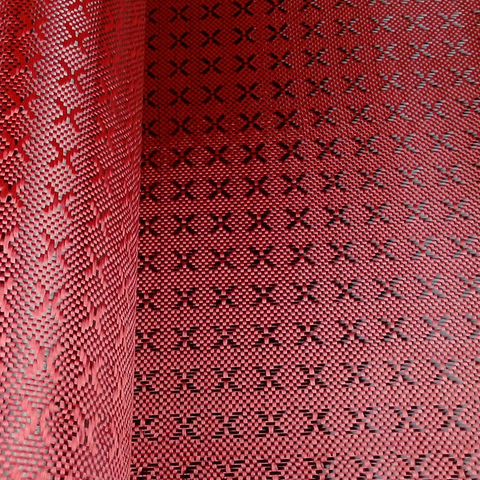
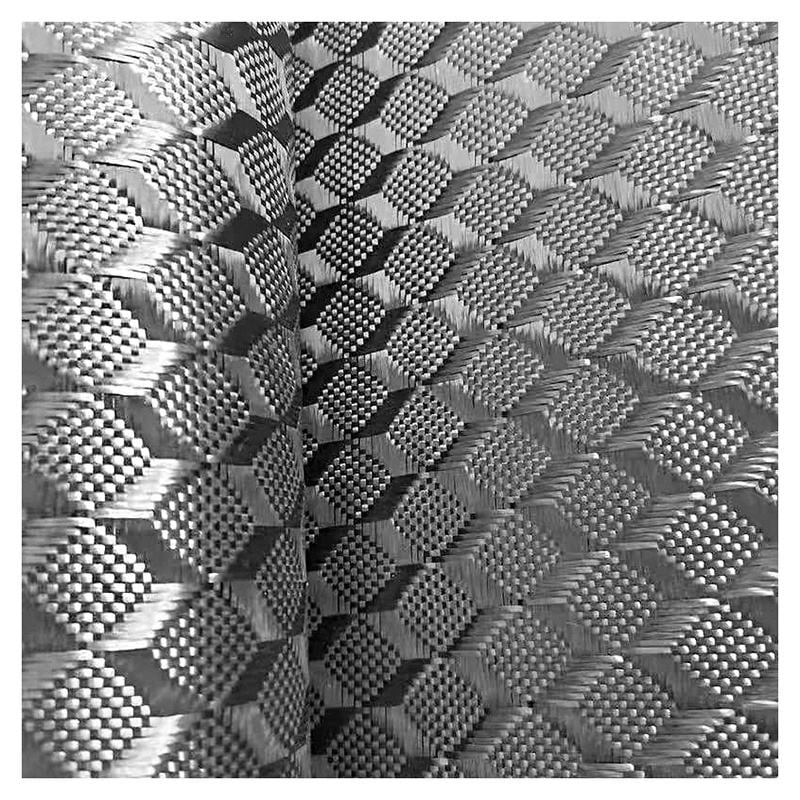
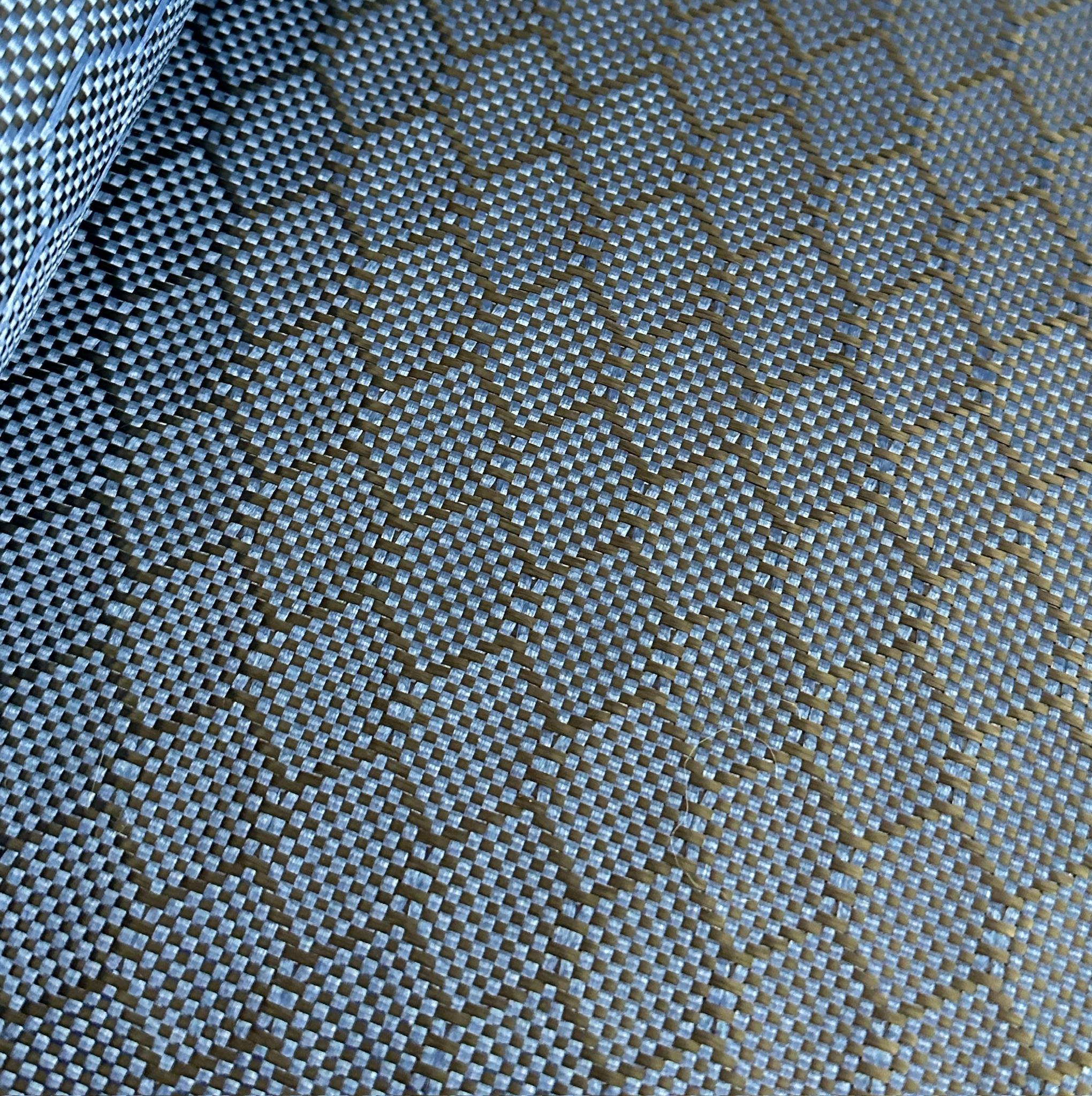
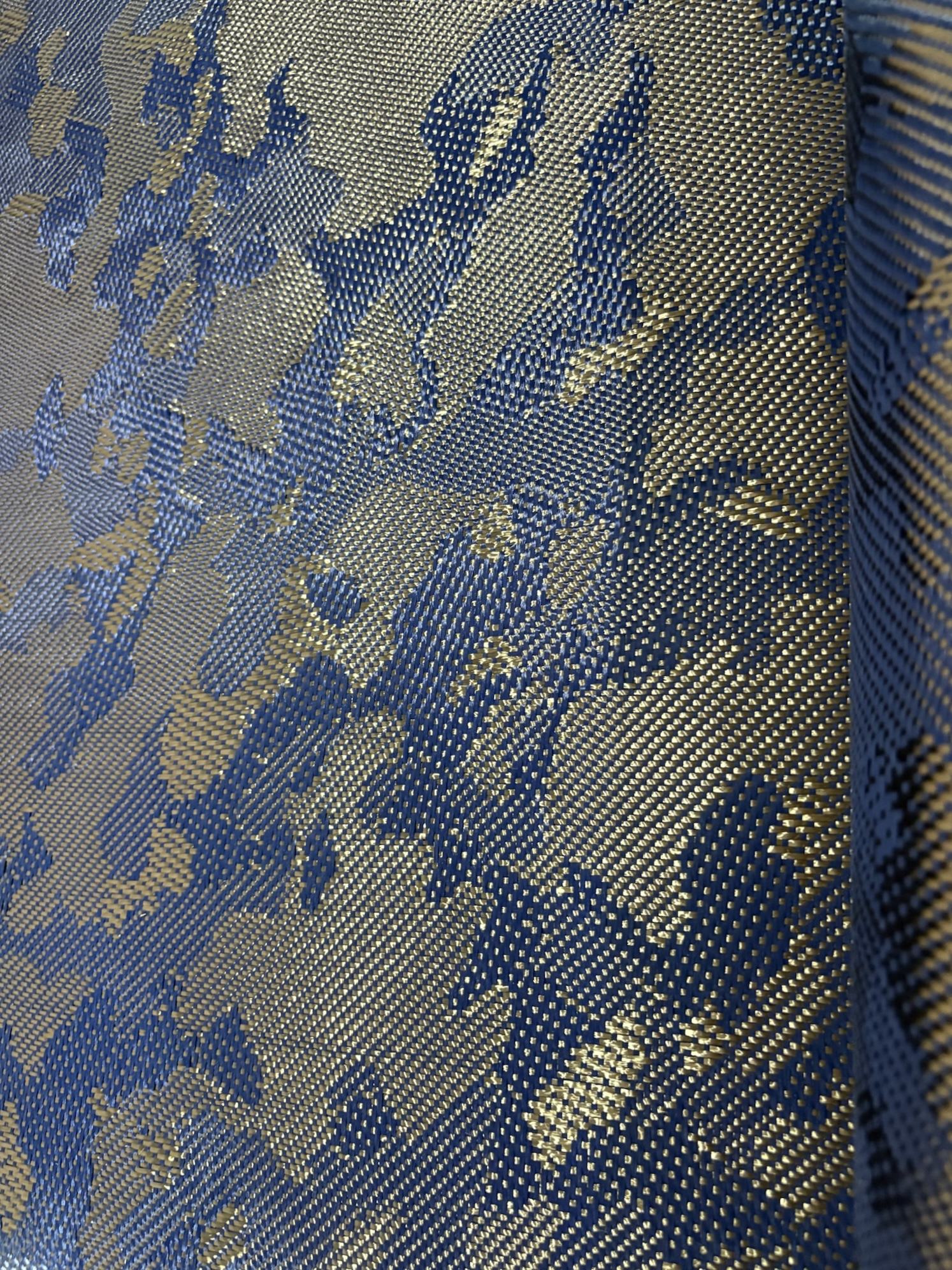
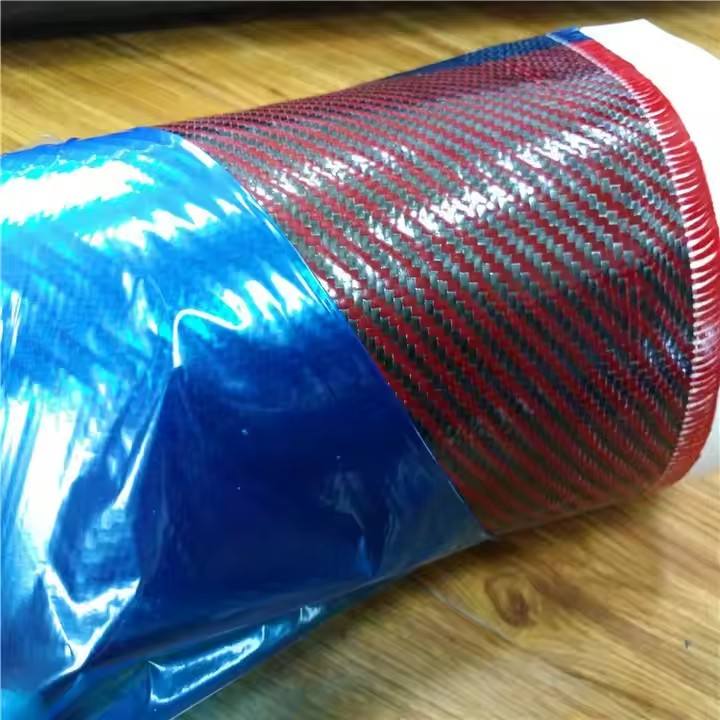
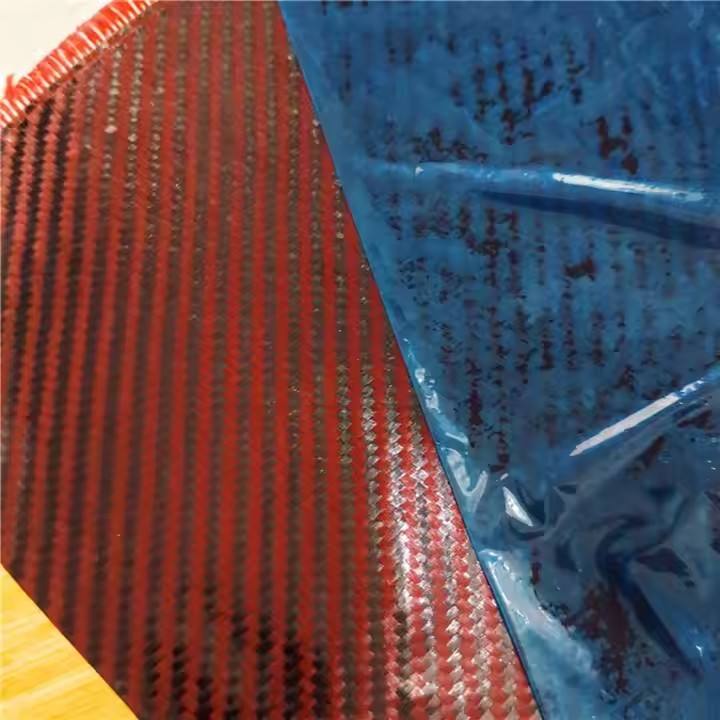
Hybrid fiber fabric
In the wave of iterative upgrading of composite material technology, aromatic carbon hybrid fabric has broken the performance limitations of single fiber materials with the synergistic effect of "1+1>2", becoming the core basic material in the high-end manufacturing field.
- Overview
- Recommended Products
Aromatic Carbon Blended Fabric: A New Benchmark for High Performance Composite Materials Empowered by Multi Fiber Synergy
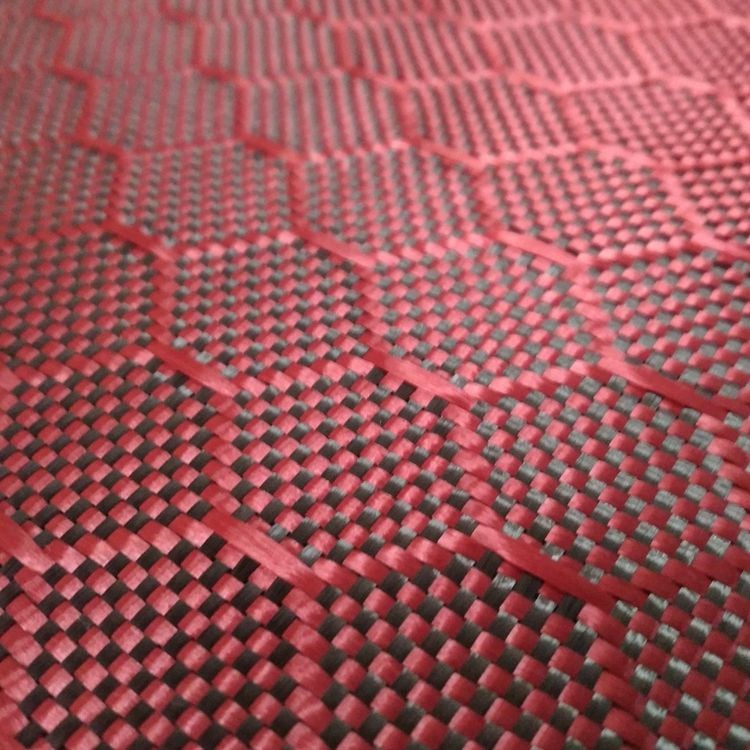
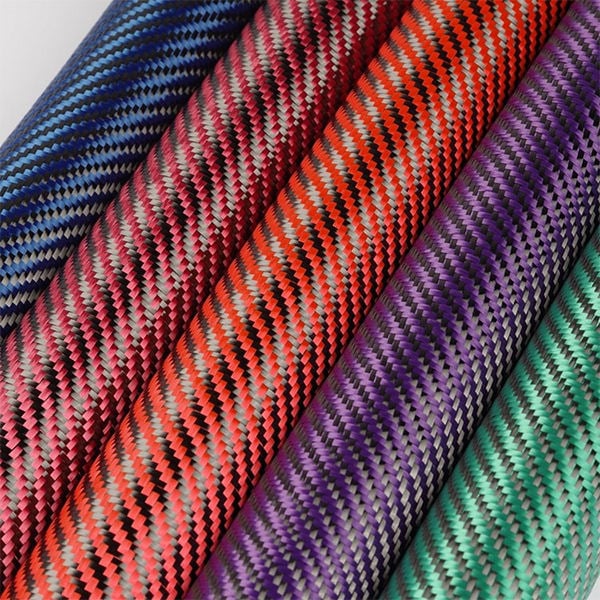
In the wave of iterative upgrading of composite material technology, aromatic carbon hybrid fabric has broken the performance limitations of single fiber materials with the synergistic effect of "1+1>2", becoming the core basic material in the high-end manufacturing field. As a hybrid fiber fabric made from two or more fibers (carbon fiber, aramid fiber, glass fiber, etc.) through precision weaving processes such as plain weave, diagonal weave, satin weave, etc., its core technical highlight lies in the scientific fiber ratio and pattern design, which achieves complementary advantages of different fiber properties, retaining the excellent characteristics of a single fiber while avoiding their respective performance shortcomings through synergistic effects. Among them, the density proportion of Hybrid fiber fabric in the material system is not less than 5%, which ensures the stability of the multi fiber weaving structure and provides a solid foundation for the performance of the composite material after molding. From lightweight structural components in aerospace to high-performance equipment in sports equipment, aromatic carbon hybrid fabric has demonstrated irreplaceable application value in many high-end fields due to its balanced mechanical properties and wide adaptability, becoming an important supporting material for promoting product performance upgrades in various industries.
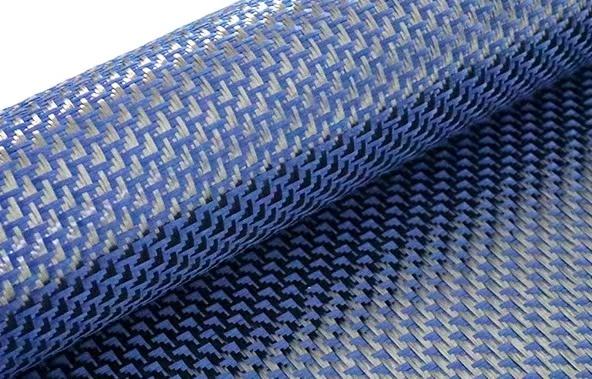
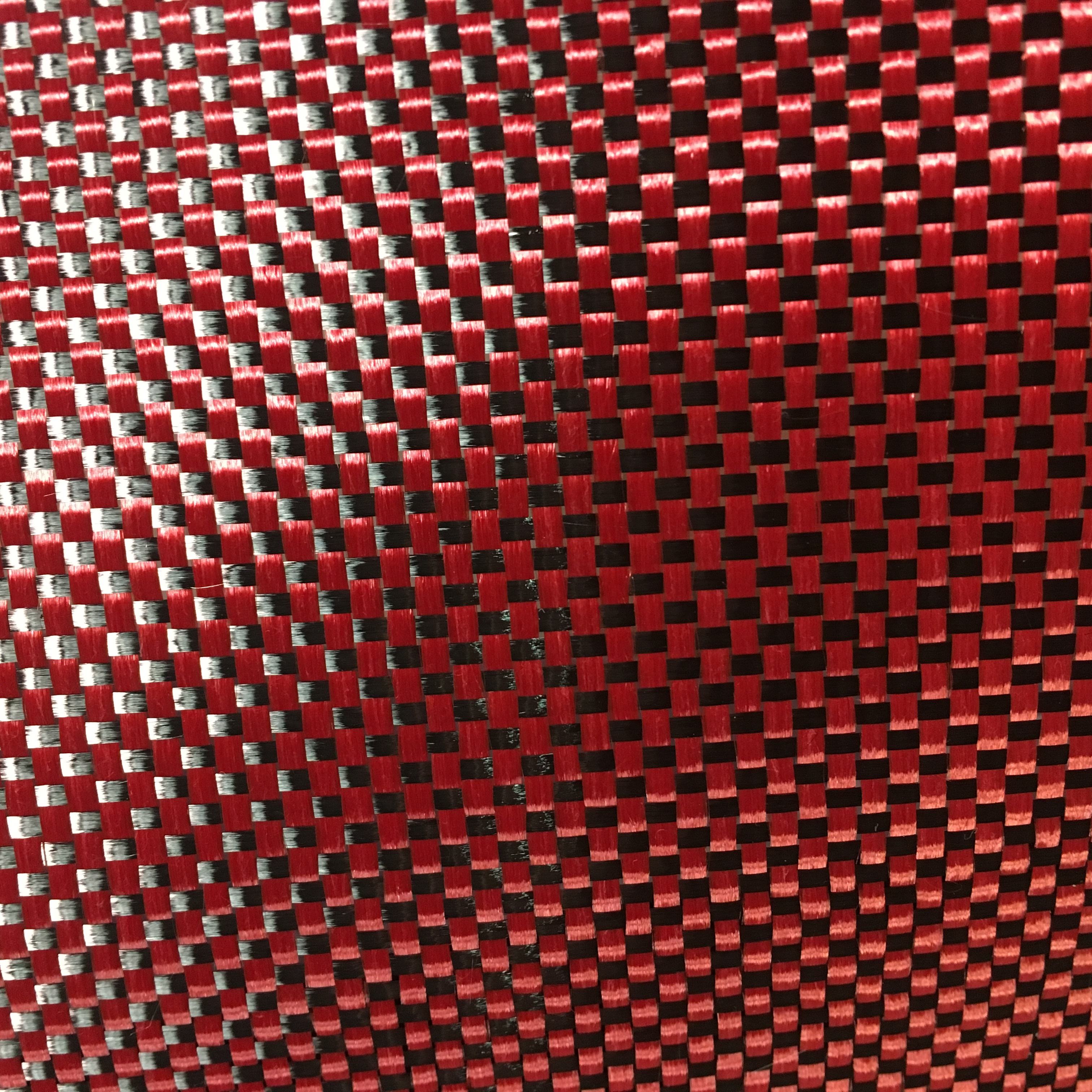
Core advantage: Multi element collaboration creates all-round performance breakthroughs
1、 Multi fiber scientific composite achieves complementary performance advantages
The core competitiveness of aromatic carbon hybrid fabric lies in the scientific composite design of multiple fibers, which achieves comprehensive optimization of mechanical properties through precise proportioning of different performance fibers such as carbon fiber, aramid fiber, glass fiber, etc. Carbon fiber is known for its ultra-high rigidity and tensile strength, but its brittleness is relatively high and its impact resistance is relatively weak; Aramid fiber has excellent impact resistance and toughness, which can effectively absorb impact energy, but its rigidity is slightly inferior to carbon fiber; Glass fiber has excellent corrosion resistance and cost advantages, and can be flexibly adapted according to application scenarios. Aromatic carbon hybrid fabric weaves these fibers in specific ratios (such as 3:7, 5:5, etc.) to perfectly complement the rigidity and tensile strength of carbon fibers, as well as the impact resistance and toughness of aramid fibers. For example, in the hybrid system of carbon fiber and aramid fiber, carbon fiber bears the main tensile load and rigid support, while aramid fiber quickly absorbs energy when impacted, avoiding material failure due to brittle fracture. This synergistic effect makes the comprehensive mechanical properties of aramid carbon hybrid fabric far superior to single fiber materials. After testing, its tensile strength is 40% -60% higher than pure aramid fabric, and its impact strength is 50% -70% higher than pure carbon fabric, truly achieving the performance upgrade of "taking the strengths and filling the weaknesses". At the same time, the dense weaving structure of Hybrid fiber fabric can also improve the fatigue resistance of the material, making it less prone to performance degradation under repeated loads and extending the service life of the end product.
2、 Supported by precision weaving technology, suitable for diverse scene requirements
The excellent performance of aromatic carbon hybrid fabric is not only due to the scientific composite of fibers, but also thanks to the precision weaving processes such as plain weave, diagonal weave, satin weave, etc. Different weaving patterns endow the material with differentiated performance characteristics, which can accurately adapt to the needs of multiple scenarios. Plain weave is the most basic weaving method, in which warp and weft yarns alternate and interweave in a 1:1 ratio to form a tight and uniform pattern structure. This weaving method enables aromatic carbon hybrid fabrics to have balanced warp and weft mechanical properties, strong structural stability, and is not easily deformed. It is very suitable for scenarios that require high structural stability, such as building reinforcement and mechanical and electrical equipment casings. Twill weaving is a process in which warp or weft yarns are continuously interwoven across two or more weft or warp yarns, presenting a clear diagonal texture. Compared to plain weaving, twill mixed woven fabric has better flexibility and formability, and can adapt to complex molding scenarios such as automotive bodies and aerospace shaped structural components. It is less prone to cracking during the bending process. Satin weaving is achieved by continuously crossing multiple yarns with warp or weft yarns to form a long floating length, with smooth and delicate patterns and high surface glossiness. This weaving process allows the material to retain its core mechanical properties while having better surface smoothness. It can be used for the surface layer of sports equipment (such as badminton rackets and tennis rackets) and the outer layer protection of bulletproof vests, ensuring both performance and enhancing the appearance texture. In addition, precise control of the weaving process can also adjust the density of Hybrid fiber fabric. By optimizing the yarn spacing and interlacing frequency, the material density can be stably maintained at over 5%, ensuring the bonding force and structural stability between fibers, and providing good adaptability for subsequent composite molding with resin matrix.
3、 Full scene mechanical adaptation, covering high-end manufacturing core requirements
Aromatic carbon hybrid fabric, with its core mechanical properties of "high impact resistance, high rigidity, and high tensile strength", accurately covers the core needs of high-end fields such as aerospace, bulletproof protection, and automotive manufacturing, and has become a key material for performance upgrades in various industries. In the aerospace field, the structural components of aircraft need to have ultra-high rigidity and tensile strength to withstand aerodynamic loads during flight, as well as good impact resistance to cope with air flow fluctuations or unexpected impacts. Aromatic carbon hybrid fabric, with the high rigidity brought by carbon fiber and the high impact resistance brought by aramid fiber, has become an ideal material for fuselage skin and wing structural components. It can reduce structural weight by more than 30% while improving the fatigue life of structural components by 2-3 times. In the field of bulletproof protection, bulletproof vests have extremely high requirements for the impact resistance and toughness of materials. Aromatic carbon mixed fabric absorbs bullet impact energy through the high toughness of aramid fibers, while the high rigidity of carbon fibers prevents bullet penetration, forming a dual protection system of "absorption blocking". Compared with traditional pure aramid bulletproof materials, its protection level is increased by 1-2 levels, and its weight is reduced by 20% -30%, greatly improving the wearer's mobility. In the field of automobile manufacturing, the dual demand for lightweight and safety in new energy vehicles has driven material upgrades. Aromatic carbon hybrid fabric is used for the body frame and chassis structure, which can reduce the weight of the vehicle by more than 40%, reduce energy consumption, and improve collision safety with its high rigidity and impact resistance. Through collision testing, it has been verified that the body structure reinforced with aromatic carbon hybrid fabric reduces deformation after collision by more than 50% compared to traditional steel structures. In the field of sports equipment, badminton rackets, tennis rackets and other equipment need to balance rigidity and elasticity. The synergistic performance of aromatic carbon mixed fabric enables it to accurately match the mechanical requirements of sports equipment, improve the hitting power and ball control stability of rackets, and is widely favored by professional athletes and high-end sports equipment brands.
4、 Outstanding cross domain adaptability, expanding the boundaries of industrial applications
In addition to the high-end manufacturing field, aromatic carbon hybrid fabric also demonstrates strong application potential in civil fields such as electromechanical and construction with its diverse performance combinations, constantly expanding the boundaries of industrial applications. In the field of electromechanical engineering, the stator and rotor iron cores of large motors need to have good insulation and mechanical support performance. After the composite of aromatic carbon mixed fabric and insulation resin, high-strength insulation composite materials can be made, which can withstand the centrifugal force and vibration load during the operation of the motor, effectively isolate the electric field, and improve the stability and service life of the motor. Compared with traditional insulation materials, its mechanical strength is increased by more than three times, and the insulation performance retention rate is over 95%. In the field of construction, the reinforcement and repair of large structures such as bridges and tunnels are industry challenges. When using aromatic carbon mixed fabric for structural reinforcement, its high tensile strength can effectively share the bearing pressure of the structure, and its impact resistance can improve the seismic and disaster resistance of the structure. In a certain bridge reinforcement project, after using aromatic carbon mixed fabric reinforcement, the bearing capacity of the bridge increased by 40%, the crack resistance increased by 60%, and the construction was simple and the construction period was short, greatly reducing the reinforcement cost. This cross disciplinary adaptability stems from the flexible adjustment of fiber ratios and weaving processes for aromatic carbon hybrid fabrics according to different scene requirements. For example, in the civil construction field, the economic ratio of "carbon fiber+glass fiber" can be used, while in the high-end bulletproof field, the high-performance ratio of "carbon fiber+aramid fiber" can be used. Through customized solutions, the differentiated needs of different industries can be met, and the value of hybrid fiber fabrics can be released in more scenarios, promoting the widespread penetration of composite materials from the high-end field to the civil field.