
 EN
EN
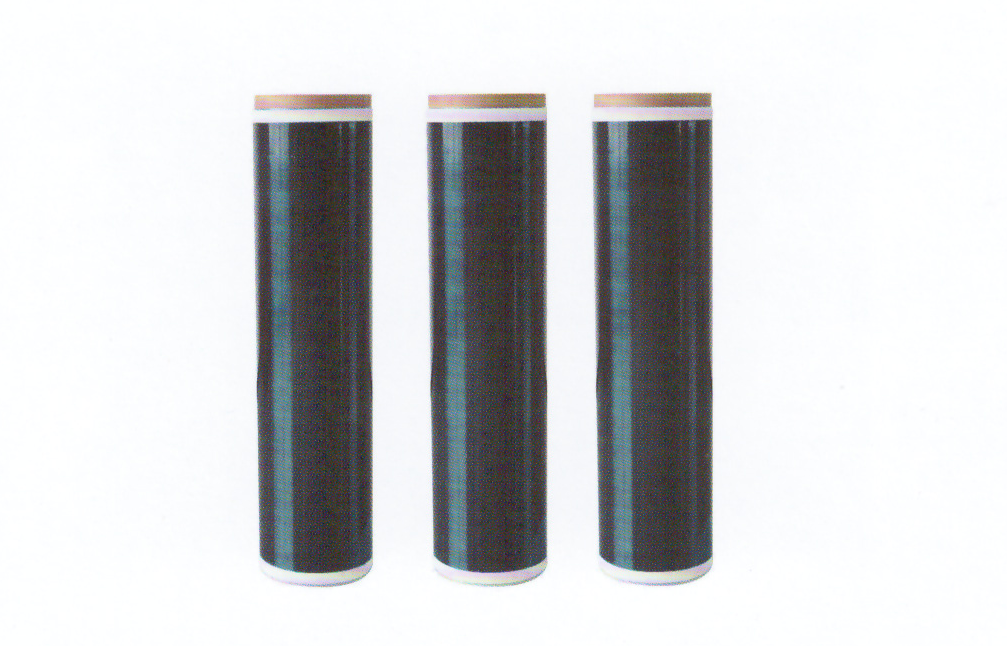
T700 Karbon Lifinin Əsas Mexaniki Xüsusiyyətləri
Çəkilmə Müqaviməti və Modulu: Yük Daşıma Qabiliyyətində T700 Karbon Lifinin Fərqi
T700 karbon lifli kompozit, təsirli çəkilmə möhkəmliyini 4900 MPa və çəkilmə modulunu 230 GPa qədər artıraraq, təsirli çəkilmə möhkəmliyi və eyni dərəcədə təsirli modulu ilə fəxr edir; nəticədə, təsirli yükdaşıma qabiliyyəti əldə olunur. Bu xüsusiyyətlərin tarazlığı materialların daimi struktur dəyişikliyi olmadan ağır statik və dinamik yükləri daşımalarına imkan verir. Bu tarazlıq xüsusilə aviakosmik və avtomobil sənayesində vacibdir. Kompozitlər həmçinin siklik və statik yüklərə, həmçinin təkrar istifadəyə qarşı yüksək müqavimət göstərir. Yorulmaya davamlılığı xüsusilə təsirli olup, T700-ın yorulma ömrü bir çox alüminium ərintilərindən 40% daha uzundur. Kompozitlər təsirli möhkəmlik/çəki nisbətini və yorulmaya davamlılığını üstələyir; yorulmaya qarşı təsirli müqavimət isə kompozitlərin təsirli möhkəmlik/çəki nisbətini üstələməsinə kömək edən bir çox amildən biridir. Molekulların sıralanma sürəti gərginlik təchizatını təmin edir ki, bu da dizaynın maksimum möhkəmlik və təhlükəsizlik səviyyəsində olmasını təmin edir, eyni zamanda maksimum dəqiqlik səviyyəsində də qalır.
Sınaq zamanı uzanma və qırılma gərginliyi davranışları dinamik və dövri yüklənmə şəraitində
T700-ün dinamik və dövri yüklənmə altında modulu yalnız 2,1%-dir və qırılma modulu isə daha da kiçik olaraq yalnız 1,0% təşkil edir. ASTM D3479 standartına əsasən keçirilən T700 kompozitlərinin sınaqları göstərdi ki, 10⁶ yüklənmə dövründən sonra kompozitlər qırılma qabiliyyətində yalnız 15% azalma ilə təsirli yorulmaya davamlılıq nümayiş etdirir. Aero kosmik və avtomobil sənayesində istifadə olunan yüksək səviyyəli dinamik və dövri yük daşıyan kompozitlər alüminium ərintiləri komponentlərinə nisbətən təsirli 40% artıq yorulma ömrünə malikdir. Kompozitlər həmçinin qırılgan və anidən baş verən qırılmaya qarşı təsirli müqavimətə malikdir.
T700 karbon lifinin səthi və kompozit səviyyəsində performansı
Qat-qat sürüşmə möhkəmliyi və yüksək gərginlikli qatlamanın qatlar arası ayrılması qarşısında müqaviməti
Səth emalının və ölçülərin optimallaşdırılması nəticəsində T700 karbon lifi ASTM D2344 standartına uyğun olaraq 60 MPa-dan çox olan qatlararası sürüşmə möhkəmliyinə (ILSS) nail olur. Bu lif-matriks interfeysi təsir və yorulmaya məruz qalan yüksək gərginlikli qatlarda kritik qatlaşma pozuntusunun qarşısını almaqda bir sıra dərəcədə yaxşılaşmışdır. T700 əsaslı kosmik səviyyəli qatlar 10^6 yükləmə dövrünü dözə bilir və orijinal ILSS-in 90%-dən çoxunu saxlayır. Bu, yüksək gərginlikli qatların qorunmasını təmin edir. Kompozit materialın performansı sayəsində T700 istifadə edilən təyyarə qanadlarının qanadları alüminiumla müqayisədə gərginliklə əlaqədar qatlaşma pozuntularının (qatlaşmanın) baş vermə ehtimalını 40% azaldır.
Matriks-lif birləşməsi və toxunmuş tip çoxoxlu gərginlikdə eninə xassələrin saxlanması
T700s-in mühəndisliklə yaradılmış interfeysindən istifadə edərək çoxoxlu gərginlik növləri (gerilmə, sıxılma və burulma) üçün matris-lif bağlanması və eninə xassələrin saxlanması təmin olunur. Təzyiq-temperatur qablarında istifadə olunan kompozit materialların performansı matris-lif bağlanma texnologiyasına, liflərin birləşmə üsuluna və həmçinin liflərin qovluğu entropiyasına görə əldə olunur; bu isə liflərin daxili xassələrinin itirilməsini məhdudlaşdırır.
T700 Karbon Lifləri üçün Yüksək Gərginlik Tətbiqləri
İtələyici Millər və Fırlanan Komponentlər
Çəkinin azaldılması, T700 karbon lifi və metallara nisbətən performans.
Avtomobil, aviakosmik və sənaye tətbiqləri üçün yüksək sürətli ötürücü millər. T700 karbon lifi üstün yorulma və burulma qatılığına və müqavimətə malikdir. Yüksək xüsusi modul karbon lifli millərin çəkisini azaldır. Polad millər son dərəcə ağırdır, lakin 6060–6120 aralığında daha uzaq məsafələrə getməyə imkan verir. Metal ötürücü milin fırlanma çəkisi və inertiyası daha aşağı ola bilər. Digər dəstək elementləri ilə birlikdə daha uzaq məsafələrə getmə və iş müddətinin qısalması bir neçə iş standartı daxilində saxlanıla bilər.
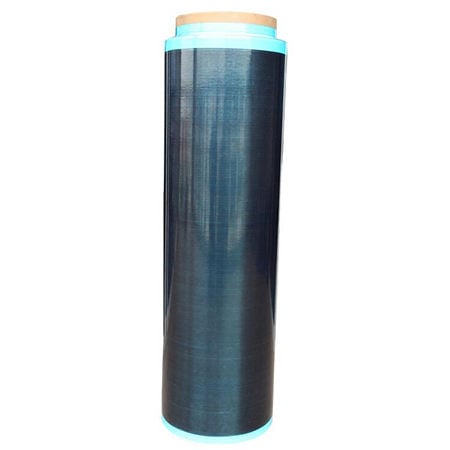
Təzyiq qabları və külək turbinlərinin pərləri
Yaxşılaşdırılmış T700 karbon lifi bir neçə tətbiq sahəsində xidmət müddətini və təhlükəsizliyi artırır.
Yüksək qaz ehtiyatı və külək turbinlərinin pərləri lif kompozit dəyişiklikləridir. Yüngül sıxılmış qaz sistemləri və istifadəni daha da artırmaq üçün pərlər nüvələrdən və alüminiumdan hazırlanır. T700-un müqaviməti son dərəcə aşağıdır. 2023-cü ildə külək turbinlərinin xidmət pərlərinin kəsilmələri şüşədən hazırlanmış öz-kəsici və son dərəcə yüngül materiallardan ibarətdir.
Əhəmiyyətli T700 lif sistemləri yığılmış şəkildə mövcuddur.
Tez-tez verilən suallar
T700 karbon lifi polad və digər tikinti materialları ilə müqayisədə necədir?
Poladdan beş dəfə çox daha yaxşı çəki-sərtlik nisbətinə malik olması T700 karbon lifini, yorulmaya qarşı daha yaxşı müqavimət göstərən və qalınlığı dəyişdikdə daha çox dizayn esnekliyinə malik olan material kimi daha optimal seçim edir.
T700 karbon lifindən istifadə edən əsas sənaye sahələri hansılardır?
T700-un formasını verə bilmək asanlığı, yorulmaya qarşı müqaviməti və möhkəmliyi səbəbindən ondan geniş istifadə edilən sənaye sahələri rüzgar enerjisi, kosmik sənaye, avtomobil sənayesi və çox yüksək təzyiqdə qazların saxlanması sahəsidir.
T700 hansı şəraitdə ən yaxşı performans göstərir?
T700-un dövri yükləmə altında yorulmaya qarşı müqaviməti və performansı alüminiuma nisbətən təxminən %40 daha yaxşıdır və belə yükləmə altında 10^6 dövr sonra yalnız performansının %15-ni itirir.
Niyə rüzgar turbininin pərlərinin konstruksiyasında T700 istifadə olunur?
T700-un davamlılığı, qırılma riski yüksək dinamik yüklənmə şəraitində yaxınlaşdıqda performans baxımından müəyyən dərəcədə vacibdir, çünki o, mikroçatlamalara qarşı mikroskopik mühafizə xəttini təmin edir və bu da pərvanənin ömrünü ön şüşədəki çatların yayılmasından 25% azaldır; həmçinin bu material qeyri-sərfəli landşaftlarda korroziyaya qarşı müqavimət göstərir.
T700-un yüksək təzyiq tətbiqləri üçün uyğun olmasına səbəb nədir?
4900 MPa-lik gərginlik möhkəmliyi ilə T700, təzyiq qablarının qurulması üçün idealdir, çünki eyni çəkidə alüminiumla müqayisədə daxili təzyiqi davam etdirmə qabiliyyətini üç dəfə artıra bilir.