
 EN
EN
Axial Performance Benchmark: At 25% Weight, 3–5 Higher Tensile Strength Than Steel
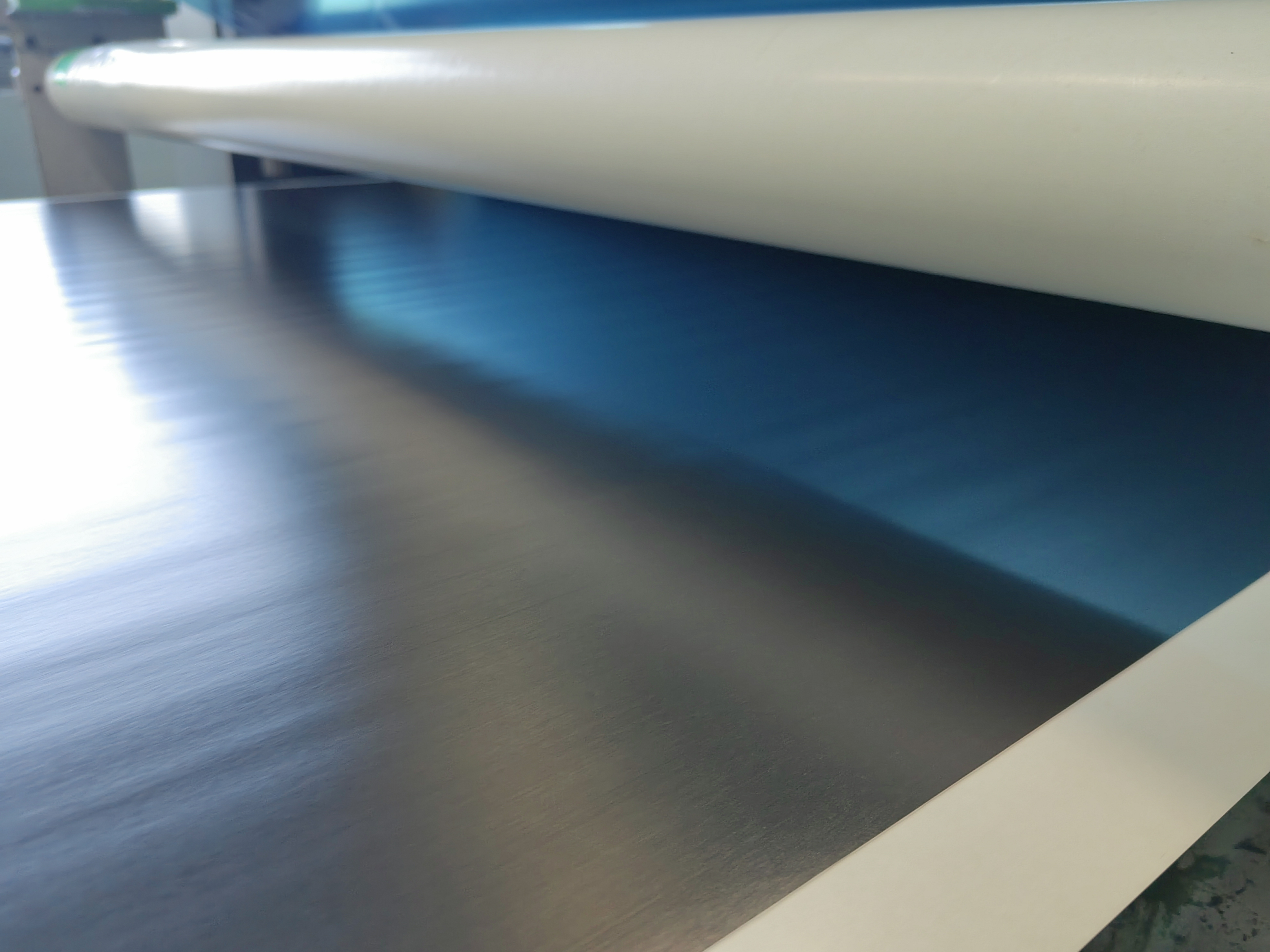
Carbon fiber prepreg, especially in the unidirectional format, forms a high class of materials which come with tremendous mechanical advantages. Their unidirectional form alone can yield tensile strengths of about 3 to 5 times compared to high-quality steel and weighs only about 1/4. This impressive strength-to-weight ratio translates to more lightweight structures without compromising what the structure can sustain. This is of utmost importance especially in aerospace and automotive industries, as even a few kilograms makes a difference in the amount of fuel consumed, the distance the system can travel, and the overall performance of the system. In terms of numbers, typical structural steel fibers sustain about 400 to 600 MPa of tension stress. In stark contrast, unidirectional prepreg carbon fibers can sustain as high as 1,500 to 2,500 MPa under ASTM D3039 standards.
Physics of Fiber Alignment: How to Achieve the Highest Axial Modulus and the Lowest Interlaminar Shear Loss
The fact that the carbon fibers aligned in a single direction produce maximum stiffness means that they will not have any crimping or misalignment. This line-arranged carbon fiber reinforcement will enhance the axial modulus by approximately 30 to 50 percent as compared to the woven version. What occurs, then, is that more than 95 percent of any force that is applied in the direction of length goes freely through the reinforcing material, without being lost to shear forces, or without resin roles built up in resin-rich areas, which will cause problems in the future. This is the same situation as the wing spars used in the Boeing 787 aircraft. With the construction of long, fully aligned fibers, it is ensured that all the forces remain unbroken and continuous throughout the aircrafts operational flights. This construction will end the formation of lateral cracks in the material and retain a lot of what is termed theoretical stiffness, even after many cycles of operational fatigue.
Structural Efficiency: Optimized Load Path Design in Load-Bearing Applications
Principle: Unidirectional Carbon Fiber Prepreg Enables Precise Load Path Engineering
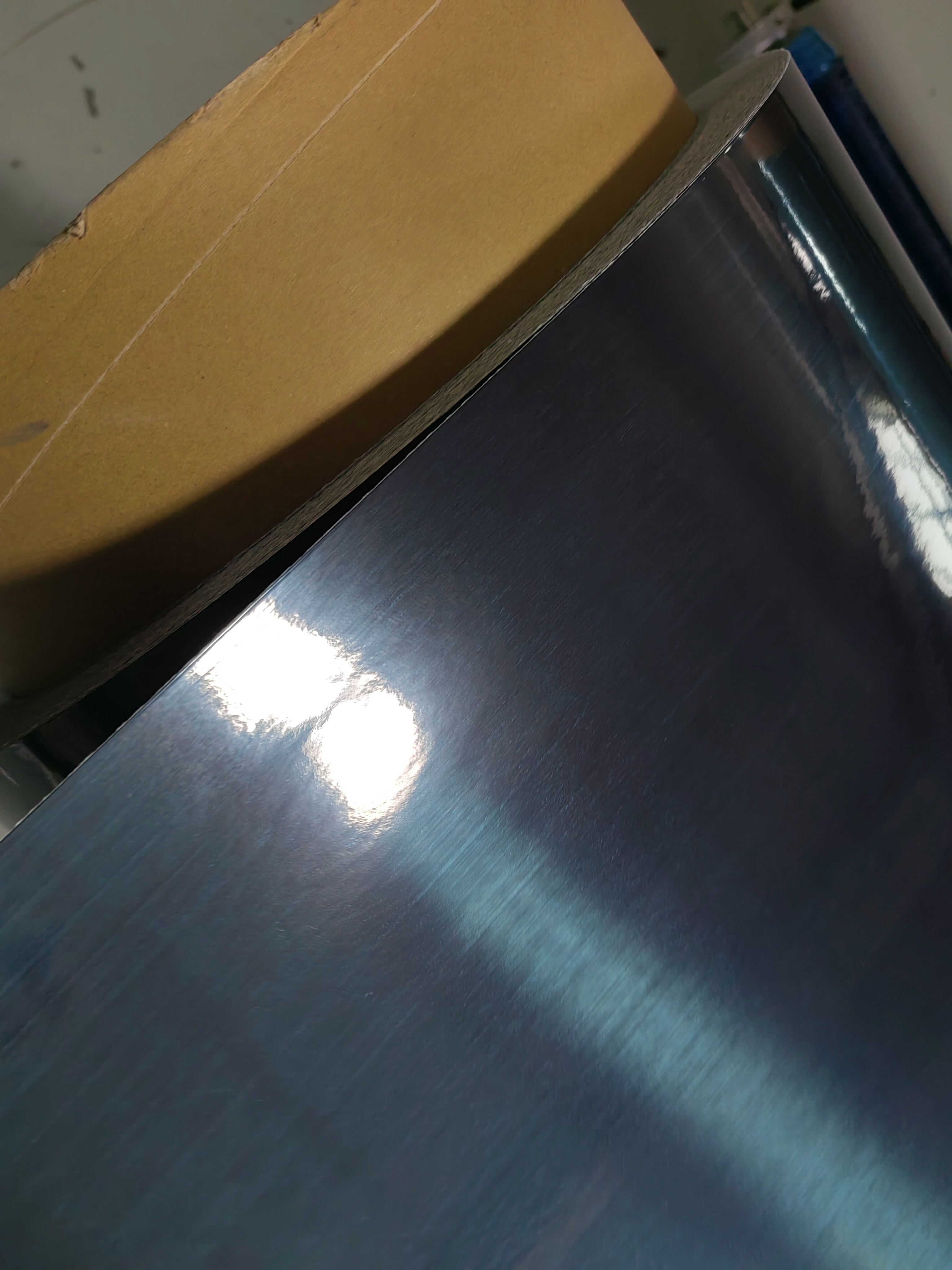
One of the first prepreg technologies to allow near perfect path engineering of unidirectional carbon fibers is unidirectional carbon fiber prepreg. It allows us to look far beyond the traditional limitations of structural design and engineering. Unidirectional prepregs allow the creation of material structures without cross-ply intersections; in turn, cross-ply intersections remove the possibility of stress concentrating features and material redundancies. The advantages of this type of design include, but are not limited to, the following:
1. Direct, unimpeded axial load transfer through continuous fibers. No interlaminar shear penalties.
2. No weak nodes in composite structures ("crimp-induced" nodes) woven-in fabrics.
3. Force continuity is not interrupted due to the ability to conform to complex geometries through adaptive ply sequencing.
Consequently, prepreg technologies demonstrate the ability to provide up to 50% greater stiffness efficiency than woven composites, and allow a 30% reduction in material volume with equivalent performance. This has been proven in aerospace, motorsport, and civil infrastructure applications.
Real-World Validation: Boeing 787 Wing Spar and Bridge Deck Reinforcement
When considering the Boeing 787, the application of unidirectional prepreg materials along the span of the main wing spar, which is designed to absorb bending and torsion from flight cycles, demonstrates significant structural weight reduction of approximately 1.8 metric tons, and the components exhibit a fatigue life improvement of 300%. In a similar vein, suspension bridges employ a unidirectional prepreg method in bridge deck construction to control the flow of traffic-induced vibrations and minimize stress at the towers. Compared to conventional steel, this method reduces peak stress by approximately 60%. These innovative design philosophies in both aerospace and civil engineering continue to enhance the efficient use of structural materials, all while adhering to stringent safety regulations.
Comparison of Structural Strength: Unidirectional vs. Woven Carbon Fiber Prepreg
Advantage of Flexural Rigidity: Unidirectional 22-35% (According to ASTM D7264)
ASTM D7264 testing indicates that unidirectional carbon fiber prepreg is 22 to 35 percent superior in flexural rigidity to its woven counterpart. This is due to unidirectional prepreg fibers extending all the way across the composite creating unimpeded load transfer as opposed to the woven composite where load transfer is interrupted due to the woven “crimp.” For applications that require primary directional bending resistance, UD prepreg is ideal such as in aviation where stiffer drive shafts are required. A material that is sufficiently stiff provides rigidity, improves performance, and is lightweight due to the reduction of material needed. This is the primary reason that engineers choose these kinds of materials for the most sensitive structural applications.
Critical Tradeoff Analaysis: Resistance to Impacts & Tolerance of Delamination
While unidirectional prepreg provides great line strength along un-mounted pulling forces, woven carbon unidirectionally prepreg provides better impact coverage, damage resistance, and delamination resistance. The impact force abridgement of woven fibers approaching a given point reduces the cleaving potential of the material. Still, laminated unidirectionally prepreg materials will tend to trap impact energy right at the planar interfaces of the prepreg layers, at greater resin concentrations, which will tend to increase the risk of premature delamination of the affected layers. For the design of primitive composites, such as motorcycle helmets, body armor plates, and automotive bumper systems, woven laminated composites may be preferred, indicating the importance of materials selection in engineering to absorb energy based on functional design, as opposed to a quantitative or value-based approach.
Future-Ready Optimization and Design Flexibility
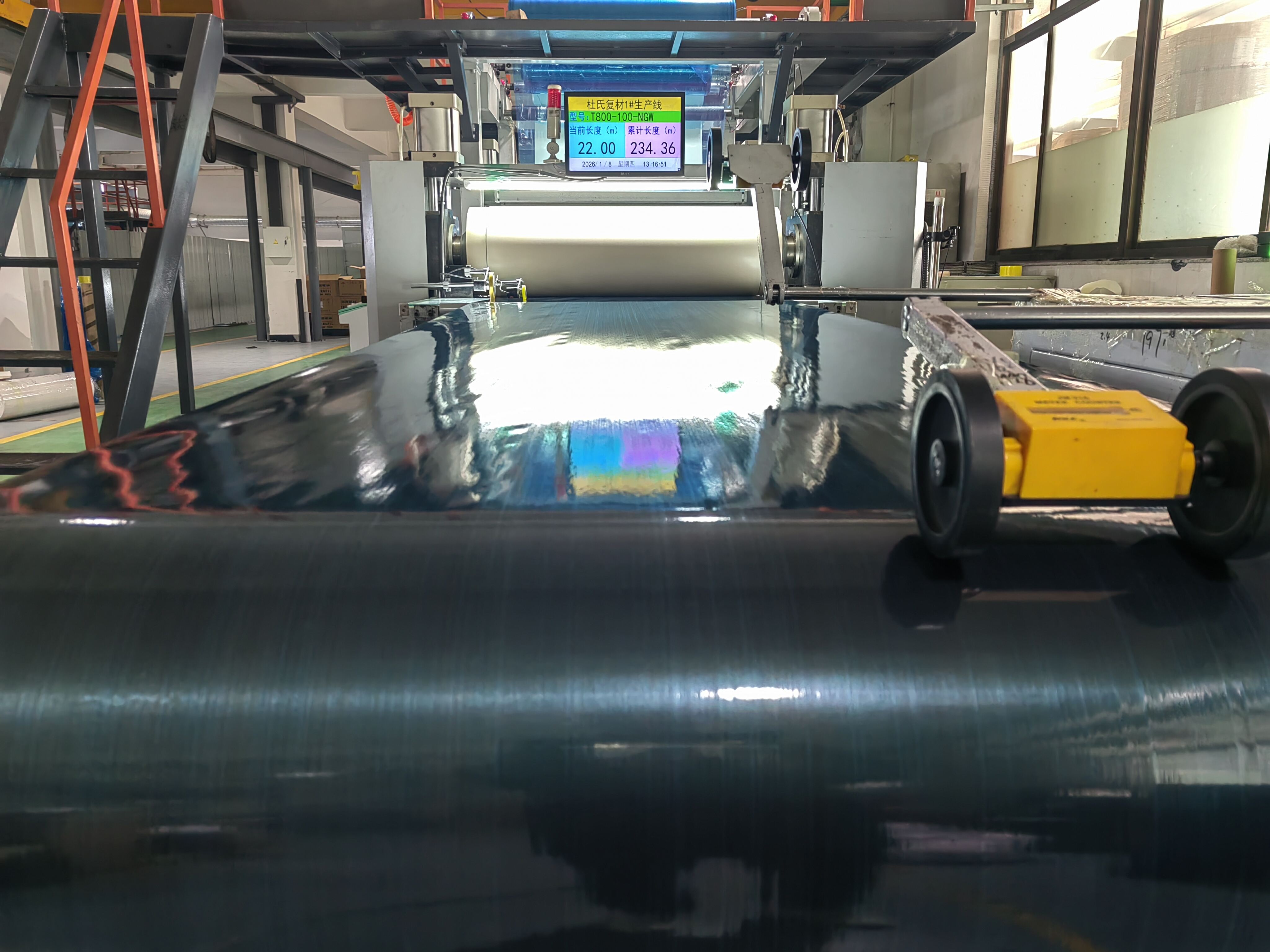
When geometry and service conditions are precise and localized for the need for specifics, unidirectional carbon fiber prepreg offers freedom for load-bearing structures. As such, flexibility is engineered ultimate pliability in the high order without sacrificing real world environments for structural load and complexity challenges.
Localized Stress Redistribution and Tailored Fiber Placement
Locally concentrated and redistributed prepreg ply placement has become the preferred practice for introducing new form composites, and cuts and corners prepreg placement. Last year's published Composites Design Handbook indicates reinforced composite materials are capable of achieving and exceeding the 15-30% performance improvement over the uniformly reinforced composite laminates and prepregs. Buckling is further federally mitigated and layer separation is federally guaranteed under the designated stress of the prepreg's constituent materials. No longer are composite designs fueled and guided by guesswork; modern advancements in technology, supported by the principles of physics, are the new and precise determinants of success.
New Possibility in Engineering: Hybrid Unidirectional Carbon Fiber Laminate Prepregs with Controlled Anisotropy
Unidirectional ply designs offer impressive performance in specific load cases, but their weakness in all other directions presents a problem for engineers designing around these systems. Other materials, such as titanium mesh, aramid veils, and the now famous nano-enhanced resins, offer fracture resistance and even stiffness (roughly 95%) along the primary axis. The result is the ability to mitigate the total loss of structural integrity during and after energy absorbent fracture critical events. The ability to withstand multi-axial loads without total loss of structural integrity has made these designs commonplace in the most advance aircraft and EV battery compartments. This is the level of performance required to ensure structural reliability in critical applications.
Unidirectional carbon fiber has a tensile strength that is 3-5 times that of high-quality steel and at ¼ the weight of such steel.
What is the effect of fiber alignment on the stiffness of carbon fiber materials?
When carbon fibers are aligned in one direction, the stiffness increases because there is less crimping or misalignment, increasing the axial modulus by 30 to 50% over woven versions.
Why is unidirectional carbon fiber prepreg favored in the aerospace and civil engineering industries?
Unidirectional carbon fiber enables engineers to optimize the layout of the fibers according to the stress paths, thus reducing weight and increasing the structural efficiency of the system.
What is the difference between unidirectional and woven carbon fiber in terms of stiffness, impact resistance, and flexural rigidity?
While unidirectional carbon fiber is more flexible and offers greater stiffness in one direction, woven carbon fiber is more impact resistant, which makes woven fiber better for applications that require stiffness in one direction.
What is the advantage of hybridized unidirectional carbon fiber laminates?
Unidirectional hybrid laminates incorporate other materials to create a composite that has improved fracture resistance and all other things being equal, maintains nearly all of the initial stiffness, providing better performance than unidirectional laminates in both tension and impact.
Table of Contents
- Axial Performance Benchmark: At 25% Weight, 3–5 Higher Tensile Strength Than Steel
- Physics of Fiber Alignment: How to Achieve the Highest Axial Modulus and the Lowest Interlaminar Shear Loss
- Principle: Unidirectional Carbon Fiber Prepreg Enables Precise Load Path Engineering
- Real-World Validation: Boeing 787 Wing Spar and Bridge Deck Reinforcement
- Critical Tradeoff Analaysis: Resistance to Impacts & Tolerance of Delamination
- New Possibility in Engineering: Hybrid Unidirectional Carbon Fiber Laminate Prepregs with Controlled Anisotropy