 EN
EN
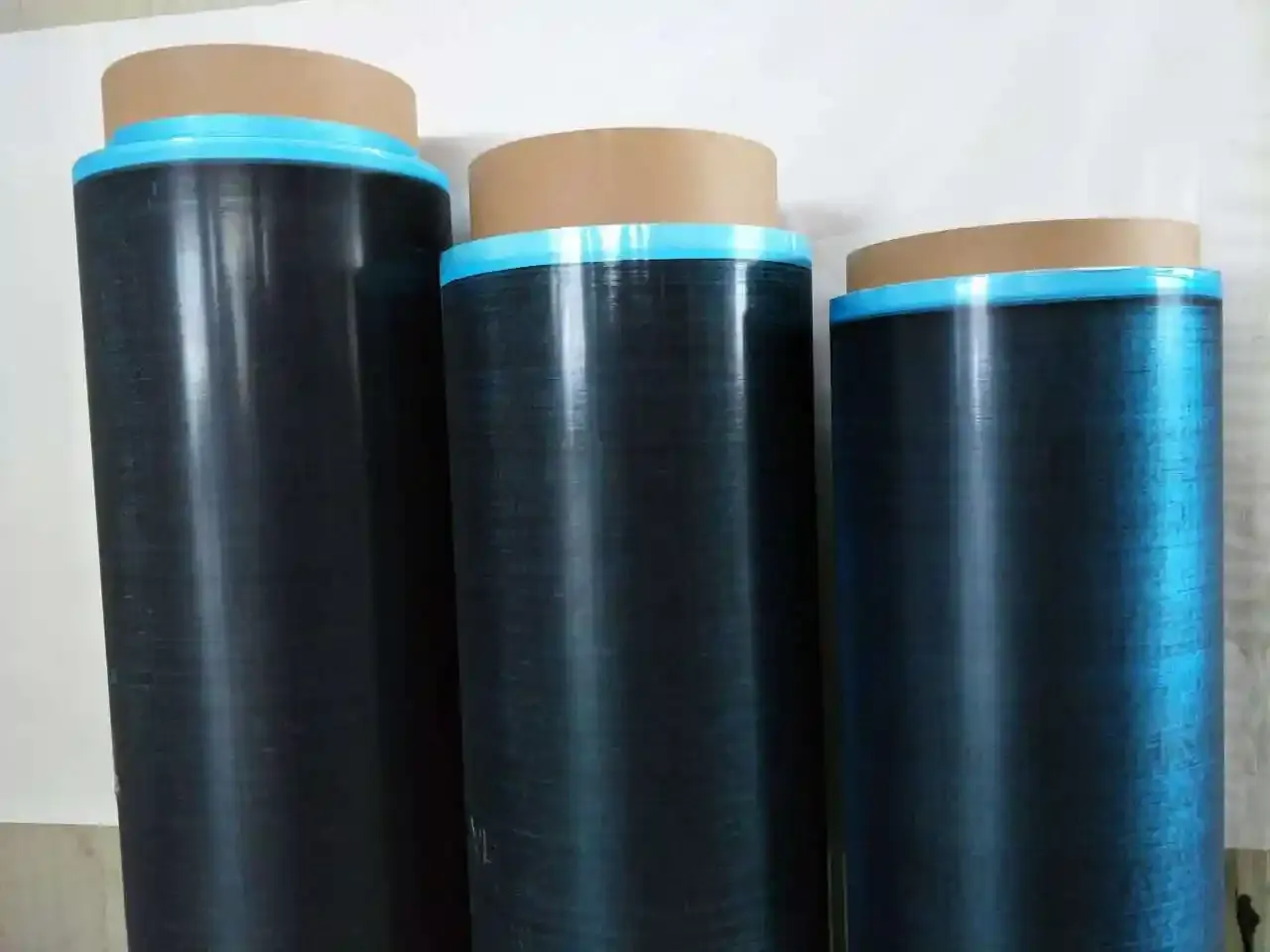
T700 carbon fiber has great strength to weight ratio, which is why it is used in the aerospace, automotive, sports, and industrial industries. Dushi Composite is a professional manufacturer with extensive experience with T700 carbon fiber. Dushi Composite knows how to perform proper machining on T700 carbon fiber to preserve the carbon fiber’s performance capabilities. However, T700 carbon fiber is a delicate material, and can suffer defects like fraying, delamination, or damage. In this article, we will review the main machining procedures to aid the successful machining of T700 carbon fiber.
Correctly Understand the Properties of T700 Carbon Fiber
Before beginning to machine the T700 carbon fiber, one must understand the material properties of T700 carbon fiber. T700 carbon fiber is known for its extreme rigidity and tensile strength. However, it is also known to be quite brittle compared to other traditionally used materials. By understanding the parameters given of T700 carbon fiber when selecting your machining processes and tools will bring the best outcomes. The extremely low thermal conductivity of T700 carbon fiber results in rapid accumulation of heat, which in turn, increases the chance of resin degradation. Cooling methods and cutting speeds can be adjusted in order to compensate for the delicate nature of T700 carbon fiber, and to preserve its internal integrity.
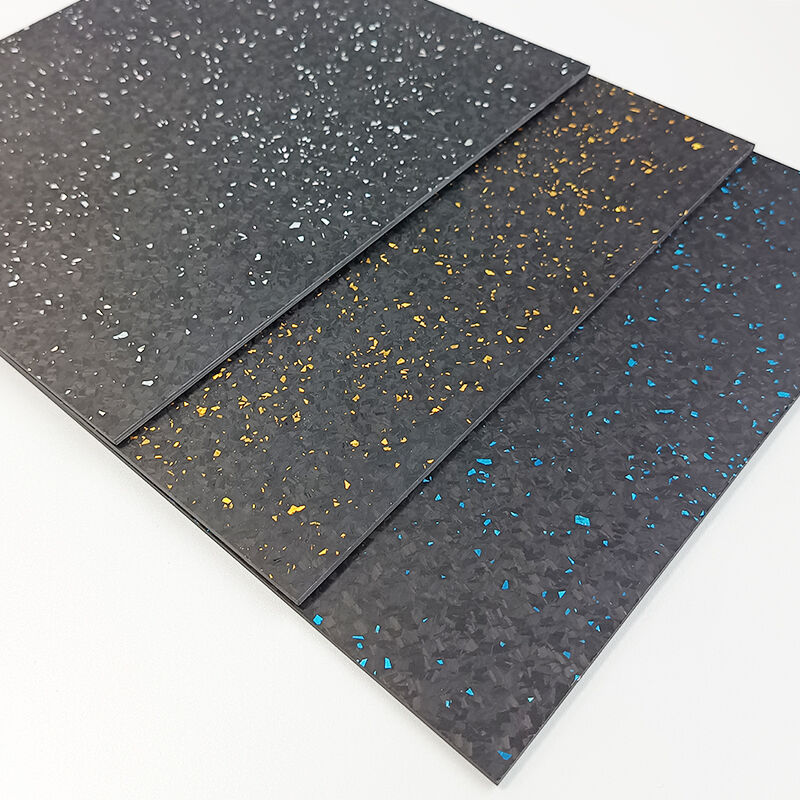
Choosing Tools For Machining T700 Carbon Fiber
Taking the right precautions for machining T700 carbon fiber includes choosing the right tools. Basic metal cutting tools are inappropriate and damaging for T700 carbon fiber. Tools with diamond or tungsten carbide edges are highly recommended by Dushi Composites. They are very clean and precise cutting tools. They reduce machining waste and are very effective with T700 carbon fiber. Tools with razor sharp edges and appropriate geometry also help to avoid delamination with T700 carbon fiber by lowering the machining pressure to the fiber.
Managing Parameters When Machining T700 Carbon Fiber
When working with T700 carbon fiber, determining the right amount of parameters to work with is crucial. When cutting with higher speeds, the heat generated is excessive but with lower speeds the fibers can tear. For T700 carbon fiber, Dushi Composites recommends the use of moderate cutting speeds and feed rates. During the machining process, use the same amount of pressure as this will give you an even cut and will help avoid any stress concentrations. Also, make sure to use cooling methods like compressed air to protect T700 from any thermal damage.
Effective Dust Control When Machining T700 Carbon Fiber
When machining T700 carbon fiber, one must be aware of the fine dust particles created during the process. The hazardous dust not only concerns one’s health, but also the quality of the machining. Dushi Composite emphasizes the importance of effective dust control when machining T700 carbon fiber. Using dust extraction systems to remove the particles as they form is one way to mitigate the dust created. Wearing a dust control mask, protective gloves, and other protective gear will also help control dust. Remember that dust will build up on tools and workpieces and will hinder the machining process by causing poor cutting performance and by leaving surface defects on the T700 carbon fiber parts.
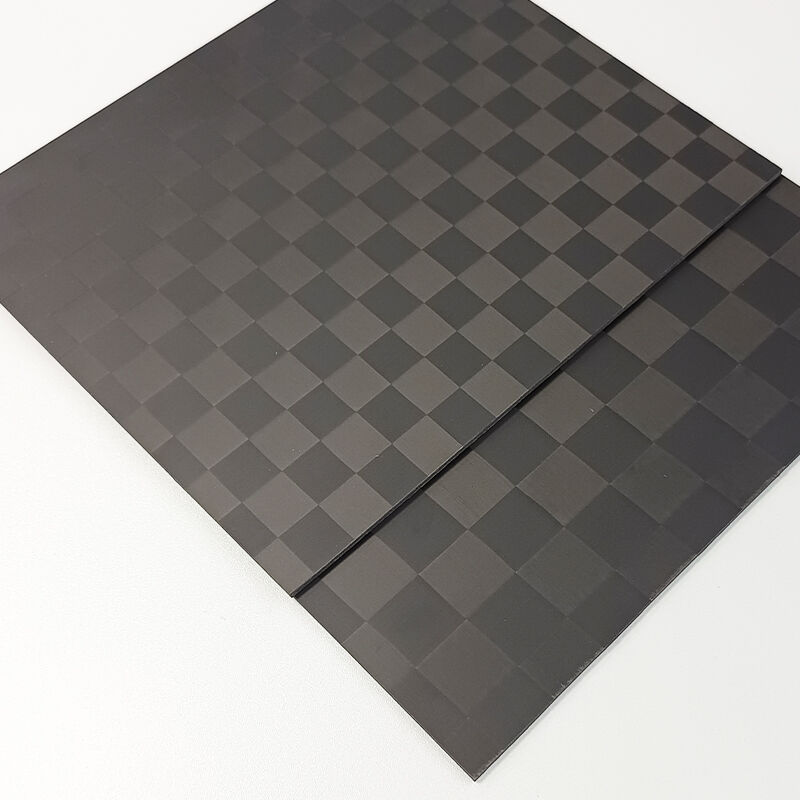
Ensure Proper Workpiece Fixturing for T700 Carbon Fiber
Another important precaution to observe when machining T700 carbon fiber is to ensure that the workpiece is properly and securely fixtured. If the workpiece is not properly fixtured, the workpiece may shift during the machining process, leading to inaccurate cuts and potential damage to the workpiece. Dushi Composite suggests using a fixture that provides even pressure distribution across the surface of the T700 carbon fiber to avoid creating localized stress. During the machining process, the surface of T700 carbon fiber should be protected from scratches or indentations, and this can be achieved by using soft clamping materials that provide a firm hold and ensure a proper machining process.
Conclusion
It is essential to keep in mind that the machining of T700 carbon fiber is a complex process that requires a great deal of planning, attention to detail, and specific measures to protect the material's superior features. By exercising control over the material’s features and the machining parameters, combined with the right selection of tools and adequate dust control, and with the right fixturing, you will obtain more than satisfactory results in machining T700 carbon fiber. Dushi Composite, with its rich experience processing T700 carbon fiber and its sophisticated manufacturing capabilities, will offer you the professional support needed for high quality T700 carbon fiber products. These precautionary measures will help you to maximize efficiency and minimize defects, regardless of whether you are machining T700 carbon fiber for aerospace or automotive engineering or for sports equipment. Dushi Composite will certainly meet all of your T700 carbon fiber expectations and will provide you with high reliability and outstanding quality.