 EN
EN
Temperatura i względna wilgotność powietrza powinny pozostawać stałe (20–25 °C, 30–50% w.w.)
Aby zapobiec rozkładowi cząsteczkowemu materiałów z włókna węglowego, konieczne jest utrzymanie czynników środowiskowych w określonych granicach. Czynniki te powinny wspierać zachowanie struktury chemicznej żywicy oraz kontrolować poziom jej absorpcji przez włókna węglowe. Temperatura powinna utrzymywać się w zakresie od 20 do 25 stopni Celsjusza (68–77 stopni Fahrenheita), a wilgotność względna – w zakresie od 30 do 50 procent. Gdy występują znaczne i częste zmiany temperatury przekraczające 2 stopnie Celsjusza, włókna i żywica ulegają termochemorheologicznemu rozszerzaniu i kurczeniu, co zwiększa tworzenie się mikropęknięć. Poziom wilgotności wpływa również na skład chemiczny materiałów. Przykładem komory środowiskowej są Canadian Springs, w której wilgotność względną cyklicznie zmienia się w zakresie roboczym od 40% do 70% RH; stwierdzono, że przy takich warunkach wytrzymałość materiałów na rozciąganie zmniejsza się o niemal 18%. Z drugiej strony zakresu wilgotności materiały narażone na wilgotność względną <30% mają tendencję do chemicznego wysychania i stają się kruche. Wiele środków powierzchniowych stosowanych w systemach żywicznych to polimery termoutwardzalne, które mogą również ulec chemicznemu wyczerpaniu pod wpływem gorącego i suchego środowiska.
Aby utrzymać optymalne warunki przechowywania przez cały rok, wymagany jest dobrze zaprojektowany system kontroli klimatu w miejscu przechowywania z w pełni zintegrowanym, zautomatyzowanym systemem ogrzewania, wentylacji i klimatyzacji, w pełni skalibrowanymi i w pełni zautomatyzowanymi rejestratorami danych oraz regularnymi kontrolami systemu kontroli klimatu.
Dlaczego zamrażanie lub chłodzenie uszkadza układy żywiczne i skraca okres przydatności do użycia
Istnieje błędne przekonanie, że przechowywanie materiałów z włókna węglowego w zamrażarce lub lodówce zapewnia zachowanie ich jakości. W większości przypadków materiał z włókna węglowego przechowywany w zamrażarce lub lodówce ulega uszkodzeniu, co obejmuje również składniki chemiczne tego materiału. Przy przechowywaniu materiałów w zamrażarce lub lodówce mogą wystąpić trzy podstawowe problemy. Po pierwsze – szok termiczny przy wyjmowaniu materiału z zamrażarki lub lodówki. Po drugie – kondensacja wilgoci po wyjęciu materiału z zimnego przechowalnika. Na koniec – przy temperaturze materiałów poniżej 10 °C utwardzane systemy epoksydowe zaczynają rozdzielać się na fazy. Gdy żywice zamarzną w zamrażarce ustawionej na −18 °C, ulegają one krystalizacji, co – zgodnie z wynikami badań laboratoryjnych – zmniejsza odporność materiałów na uderzenia o 40–60 procent. Chłodzenie materiałów w temperaturze około 4 °C nie jest znacznie lepszym rozwiązaniem, ponieważ przyspiesza proces zwany „aminnym wykwitem” (amine blush). W jego trakcie środki utwardzające migrują na powierzchnię materiału, tworząc strefy o obniżonej wytrzymałości w materiałach kompozytowych. Ostatecznie materiały przechowywane w zamrażarce lub lodówce tracą około 50–75% swojej trwałości magazynowej w porównaniu do materiałów przechowywanych w temperaturze otoczenia.
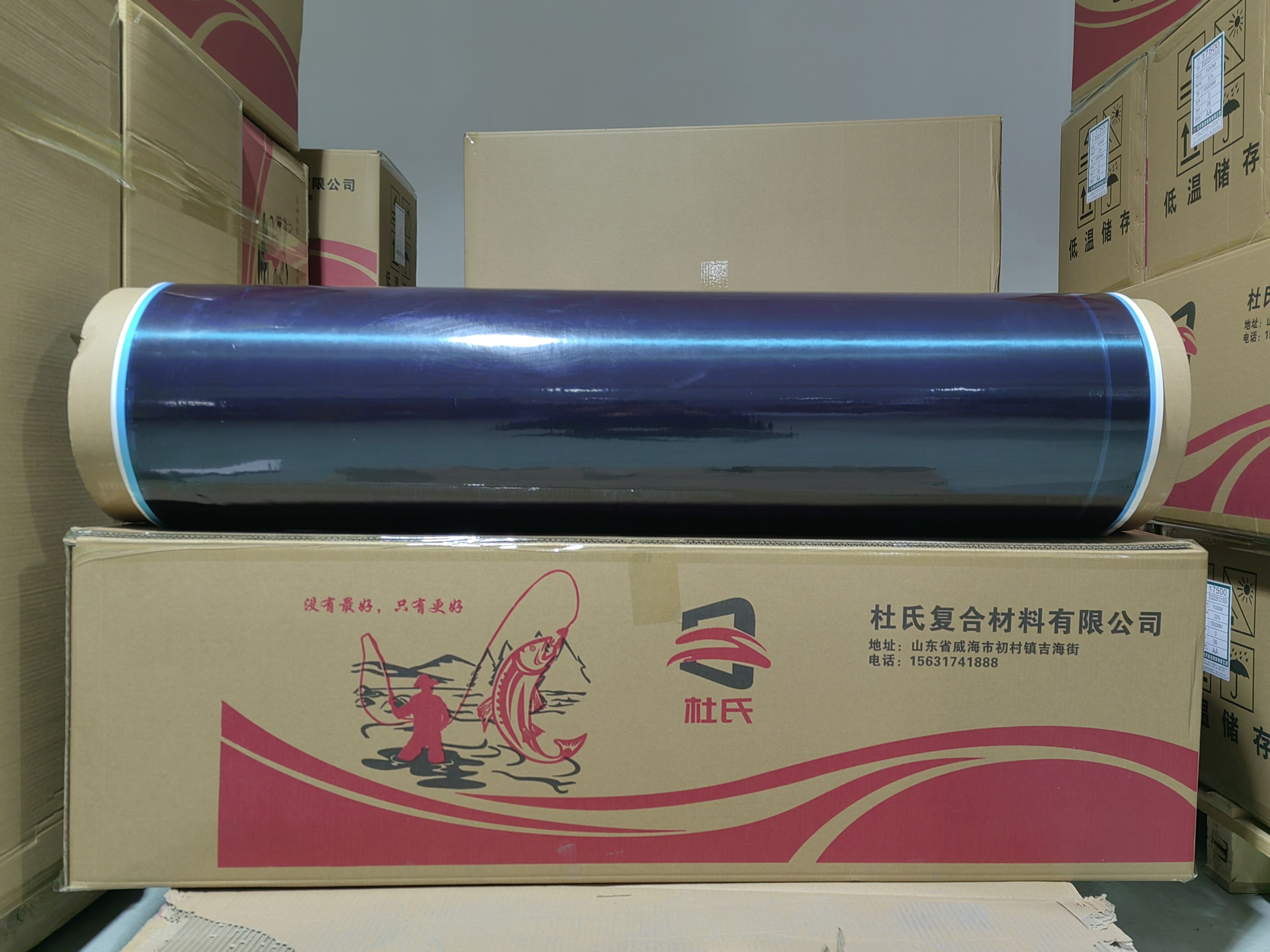
Najlepszym sposobem na utrzymanie przydatności materiałów z włókna węglowego jest ich przechowywanie w temperaturze pokojowej, a nie próba przeciwdziałania naturze za pomocą metod chłodzenia.
Poprawne metody pakowania zapewniające zachowanie integralności materiałów z włókna węglowego
Pakowanie w barierach próżniowych oraz z użyciem środków odsączających wilgoć dla nieutwardzonych tkanin i preimpregnatów
Większość producentów stosuje połączenie opakowań próżniowych i środek osuszający, aby jak najskuteczniej chronić suche tkaniny i półprodukty (prepregi). Kluczowe jest utrzymanie wilgotności wewnętrznej opakowania na poziomie poniżej 30–50% wilgotności względnej. Woda jest zniszczycielska dla żywic i prowadzi do utraty potencjalnej wytrzymałości końcowego produktu. Zarówno wilgoć, jak i utlenianie mogą powodować degradację systemów żywicznych jeszcze przed ich użyciem. Trójwarstwowe folie aluminiowe zapewniają skuteczną barierę przeciw wilgoci i wspierają szczelne zamknięcie opakowań przed jej przenikaniem. Folie aluminiowe stanowią skuteczną barierę przeciw wilgoci. Typowym rozwiązaniem stosowanym przez producentów prepregów jest dodawanie środków usuwających tlen, aby spowolnić starzenie się systemów żywicznych spowodowane utlenianiem. Firmy, które obcinają koszty związane z opakowaniami, kończą z niesprawnymi prepregami wynikającymi z przemieszczania się wilgoci z atmosfery do wnętrza opakowań. Nieodpowiednie opakowanie może skrócić okres przydatności prepregów nawet o 70% w ciągu mniej niż 30 dni. Kontrola jakości odgrywa istotną rolę w zapewnieniu prawidłowego wykonania tego procesu.
Ochrona przed promieniowaniem UV z właściwościami rozpraszania ładunku statycznego oraz zawartymi barierami wtórnymi
Smary epoksydowe ulegają procesowi rozkładu zwanemu fotodegradacją po narażeniu na promieniowanie UV. Rozkład ten przejawia się pękaniem łańcuchów, żółknięciem, pękaniem oraz odpryskiwaniem warstw. Badania przeprowadzone zgodnie z metodą ASTM D4329 dotyczącą przyspieszonego starzenia atmosferycznego wykazują, że fotodegradacja może spowodować utratę ponad 40% wytrzymałości materiału po 500 godzinach ekspozycji na lampy UV. Wytrzymałość materiału koreluje bezpośrednio z liczbą miesięcy ekspozycji przed oknem lub obecnością źródła promieniowania UV w typowym środowisku biurowym. Jest to oczywiście poważny problem, którego producenci starają się załagodzić poprzez wprowadzenie elementów blokujących promieniowanie UV do warstw zewnętrznych materiału. Tworzą również powłokę wspomagającą kontrolę powierzchni rozpraszającej ładunki statyczne. W celu ochrony przed ekspozycją na światło producenci mogą umieszczać produkt w dodatkowym pojemniku blokującym światło, np. w sztywnym pojemniku z polimeru plastycznego. Takie uszczelnione pojemniki wtórne pomogą również odfiltrować kurz oraz sprzyjać stabilnemu sieciowaniu krzyżowemu żywicy epoksydowej poprzez ograniczenie dostępności tlenu. Dzięki temu przedłużona zostanie trwałość produktu przed wystąpieniem degradacji.
Przechowywanie włókna węglowego oraz związane z tym ryzyko środowiskowe
Wpływ starzenia się pod wpływem warunków atmosferycznych i promieniowania UV na żywicę oraz norma ASTM D4329
Dla producentów włókna węglowego promieniowanie UV stanowi jedno z największych zagrożeń. Nasze badania opakowań zgodnie z normą ASTM D4329 wykazały, że uszkodzenia spowodowane przez promieniowanie UV są skumulowane i trwałe. Już po kilku miesiącach zaobserwowaliśmy uszkodzenia UV, takie jak żółknięcie, pęknięcia powierzchniowe oraz odwarstwianie się warstw. Ponieważ uszkodzeń UV nie da się cofnąć, ich skutki są całkowite i trwałe. Jest to jednym z powodów, dla których producenci podejmują znaczne wysiłki, aby zapewnić odpowiednie opakowania blokujące promieniowanie UV oraz pojemniki całkowicie nieprzepuszczające światła dla każdego produktu z włókna węglowego.
Minimalizacja naprężeń mechanicznych: celem jest uniknięcie ściskania, gięcia oraz narażenia na drgania
Materiały z włókna węglowego narażone są na poważne ryzyko pod wpływem obciążeń mechanicznych. Małe pęknięcia mogą zacząć się tworzyć w warstwach prepregu, gdy obciążenia statyczne przekroczą około 10 psi. Ponadto w fazie drgań żywica i włókna mogą się odseparować pod wpływem ruchu. W przypadku przechowywania zaleca się umieszczanie rolek w pozycji pionowej na miękkiej, niestykającej się z nimi stojance. Utwardzone laminaty należy przechowywać poziomo, układając je płasko z wyżej wymienionymi specjalnymi dystansami pomiędzy nimi. Nigdy nie należy układać żadnych elementów jeden na drugim. Ugięcie elementu może zwiększyć ryzyko powstania pęknięć w strukturze żywicy, co w ciągu dwóch trzecich czasu prowadzi do zmęczenia materiału. Ochrona krawędzi oraz pionowe ustawienie pomagają zmniejszyć ekspozycję i naprężenia powierzchni przedmiotów podczas rutynowej manipulacji – jest to jedna z głównych przyczyn uszkodzeń występujących podczas obsługi.
Instrukcje przechowywania w zależności od rodzaju materiału z włókna węglowego: tkanina, prepreg i utwardzone laminaty
Zanim pomieszasz funkcje przechowywania, należy zrozumieć, że różnią się one podstawowo.
Aby uniknąć pogorszenia jakości infuzji żywicy i laminatu na suchym materiale z włókna węglowego, materiał ten należy przechowywać w opakowaniu nieprzepuszczającym wilgoci i zapiecznionym próżniowo z używaniem środków odsączających wilgoć. Jest to konieczne, aby zapobiec nabieraniu przez tkaninę właściwości higroskopijnych.
Prepregi wymagają przechowywania w warunkach chłodzenia [temperatury zamrażarki (–18 °C do –23 °C)], aby zapobiec zbyt wcześniejszemu utwardzaniu się żywicy. Może się to wydawać nietypowe, ponieważ wcześniej stwierdziliśmy, że przechowywanie w niskich temperaturach nie jest konieczne, jednak w tym przypadku stanowi ono wyjątek. Powodem jest ich chemia: sama tkanina nie uległa jeszcze reakcji chemicznej, natomiast żywica w prepregu uległa częściowej reakcji. Oznacza to, że żywica w prepregu ma określony okres przydatności do użycia, który zależy od temperatury przechowywania w warunkach chłodzenia. Fakt ten potwierdzają dane techniczne producenta oraz przeprowadzone badania stabilności zgodne ze standardem ISO 10993.
Utwardzone laminaty nie wymagają przechowywania w temperaturze chłodniczej, aby zachować stabilność chemiczną. Należy jednak przechowywać je z ochroną fizyczną. Oznacza to, że należy je umieszczać pionowo na wyłożonych stojakach z ochroną krawędzi, bez układania w stosy oraz z wkładkami między warstwami, aby uniknąć uszkodzenia powierzchni.
Zaprezentowane protokoły dotyczą głównej formy degradacji każdego materiału. Suchy prepreg ulega degradacji chemicznej, sucha tkanina pochłania wilgoć, a gotowe laminaty ulegają degradacji mechanicznej.
Często zadawane pytania
Jakie są optymalne temperatury i poziomy wilgotności do przechowywania materiałów z włókna węglowego?
Optymalne warunki przechowywania to temperatura 20–25 °C przy względnej wilgotności powietrza 30–50 %. Takie warunki najlepiej zapobiegają degradacji struktury materiału.
Dlaczego materiały z włókna węglowego nie powinny być przechowywane w zamrażarce?
Wystąpią szok termiczny, kondensacja wilgoci i rozdzielenie faz w utwardzonych systemach epoksydowych. Stanowią one zagrożenie dla odporności na uderzenia i utrudniają naprawy konstrukcyjne. Jaka jest najlepsza metoda pakowania materiałów z włókna węglowego zapewniająca ich integralność?
Aby zapewnić integralność, najodpowiedniejszym rozwiązaniem dla suchych tkanin i preimpregnatów jest opakowanie próżniowe z dodatkiem środków odwilżających i barierowych, które utrzymuje niski poziom wilgotności i zawartości wilgoci, które w przeciwnym razie prowadziłyby do degradacji żywic.
Jakie jest działanie promieniowania UV na materiały z włókna węglowego?
Promieniowanie UV powoduje termiczną degradację żywic epoksydowych, skutkującą rozszczepieniem łańcuchów, przebarwieniem oraz osłabieniem struktury.
Jakie są instrukcje przechowywania poszczególnych typów materiałów z włókna węglowego?
Suche materiały włókniste należy przechowywać w opakowaniach próżniowych z barierą przeciw wilgoci. Preimpregi należy przechowywać w lodówce lub zamrażarce, aby zapewnić, że żywica pozostaje w stanie wstępnego przetworzenia i zachowuje zdolność do przepływu. Utwardzone laminaty należy przechowywać w pojemnikach zapewniających ochronę fizyczną i nie wymagają przechowywania w kontrolowanym klimacie.
Spis treści
- Temperatura i względna wilgotność powietrza powinny pozostawać stałe (20–25 °C, 30–50% w.w.)
- Poprawne metody pakowania zapewniające zachowanie integralności materiałów z włókna węglowego
- Przechowywanie włókna węglowego oraz związane z tym ryzyko środowiskowe
- Minimalizacja naprężeń mechanicznych: celem jest uniknięcie ściskania, gięcia oraz narażenia na drgania
- Często zadawane pytania